Chemical equilibrium
ဓာတ်ပြုမှု တချို့က ရှေ့ရော နောက်ရော သွားတယ်။ နှစ်ဖက် နှုန်း ညီသွားရင် ရပ်နေသလို ထင်ရပေမဲ့ အထဲမှာ မရပ်ဘူး။ ဒီ “ချိန်ခွင်” ကို ဂဏန်းနဲ့ ဖော်ပြပြီး ဘယ်လို ရွှေ့မလဲ လေ့လာမယ်။
Both ways at once
ရှေ့သွား၊ နောက်ပြန် — တစ်ပြိုင်နက်
15% မှာ ရပ်သွားတဲ့ စက်ရုံ
လေရဲ့ 78% က nitrogen gas (N₂) ပါ။ကျွန်တော်တို့ ရှူနေတဲ့ လေရဲ့ 78% က nitrogen gas (N₂ — ဓာတ်ငွေ့) ပါ။ N atom နှစ်လုံး တွဲထားတဲ့ molecule တွေပါ။
အပင်က N₂ ကို မသုံးနိုင်လို့ NH₃ မြေဩဇာ လုပ်ရတယ်။ဒါပေမဲ့ plants (အပင်တွေ) က N₂ ကို တိုက်ရိုက် မသုံးနိုင်ဘူး။ ဒါကြောင့် စက်ရုံက N₂ ကို H₂ နဲ့ ပေါင်းပြီး ammonia (NH₃) လုပ်ကာ fertiliser (မြေဩဇာ) ထုတ်တယ်။
reactor ကို တစ်ခေါက် ဖြတ်ရင် NH₃ 15% ပဲ ရတယ်။ထူးဆန်းတာ တစ်ခု ရှိတယ်။ gas တွေ ဓာတ်ပြုအိုး (reactor) ထဲ one pass (တစ်ခေါက်) ဖြတ်ရင် 15% လောက်ပဲ NH₃ ဖြစ်တယ်။
အချိန် ပိုပေးလည်း 15% ပဲ — ရပ်သွားသလို။more time (အချိန် ပိုပေး) ကြည့်လည်း still 15% ပဲ။ ဓာတ်ပြုမှု ရပ်သွားသလို ဖြစ်နေတယ်။
ဒါပေမဲ့ စက်ရုံက နောက်ဆုံး NH₃ 98% ရတယ်!ဒါပေမဲ့ စက်ရုံကနေ နောက်ဆုံး ထွက်လာတာက ကုန်ကြမ်းရဲ့ 98% လောက် NH₃ ဖြစ်တယ်!
ဘာလို့ 15% မှာ ရပ်လဲ? 98% ကို ဘယ်လို ရလဲ?ဘာလို့ 15% မှာ ရပ်သလဲ? စက်ရုံက ဘယ် လှည့်ကွက်နဲ့ 98% ရသလဲ? ဒီ သင်ခန်းစာ ဆုံးရင် နှစ်ခုလုံး ဖြေနိုင်မယ်။
ဆင်းနေတဲ့ လှေကားပေါ် တက်လျှောက်ရင်
ကုန်တိုက်က escalator (စက်လှေကား) တစ်ခု အောက်ကို ဆင်းနေတယ် ဆိုပါစို့။
ဆင်းနေတဲ့ လှေကားပေါ် ကလေး တူတဲ့ အမြန်နဲ့ တက်တယ်။boy (ကလေး) တစ်ယောက်က အဲဒီ ဆင်းနေတဲ့ လှေကားပေါ်မှာ အပေါ်ကို တက်လျှောက်နေတယ်။ လှေကား ဆင်းတဲ့ အမြန်နှုန်းနဲ့ သူ လျှောက်တဲ့ အမြန်နှုန်း တူတယ်။
နေရာ မပြောင်းပေမဲ့ နှစ်ခုလုံး ရွေ့နေဆဲ။ဒါဆို သူ same place (တစ်နေရာတည်း) မှာပဲ ရှိနေမယ်။ အပြင်က ကြည့်ရင် ရပ်နေသလိုပဲ — ဒါပေမဲ့ လှေကားရော ကလေးရော ရွေ့နေဆဲပါ။
ပိတ်ထားတဲ့ ပုလင်းထဲ ရေ အငွေ့ပျံ (evaporation) နေတယ်။ဓာတုဗေဒမှာလည်း ဒီလိုပဲ။ ရေ နည်းနည်း ထည့်ပြီး အဖုံးပိတ်ထားတဲ့ ပုလင်းမှာ ရေ molecule တချို့ အငွေ့ပျံ (evaporation) တက်နေတယ်။
အငွေ့ ရေပြန်ဖြစ် (condensation) — နှုန်း ညီရင် level ငြိမ်။တစ်ချိန်တည်းမှာ အငွေ့ တချို့က ရေ ပြန်ဖြစ် (condensation) နေတယ်။ နှုန်း နှစ်ခု တူသွားရင် ရေ level (အမြင့်) မပြောင်းတော့ဘူး။ English မှာ: water evaporates (အငွေ့ပျံ)၊ the vapour (အငွေ့) condenses (ရေ ပြန်ဖြစ်)။
နှစ်ဘက် သွားနိုင်ရင် reversible reaction (ပြန်လှည့်နိုင်) ⇌ရှေ့ (A → B) ရော နောက် (B → A) ရော သွားနိုင်တဲ့ ဓာတ်ပြုမှုကို reversible reaction (ပြန်လှည့်နိုင်တဲ့ ဓာတ်ပြုမှု) လို့ ခေါ်ပြီး မြှား နှစ်ဖက် ⇌ နဲ့ ရေးတယ်။
နှုန်း ညီ = dynamic equilibrium (လှုပ်နေဆဲ ချိန်ခွင်ညီ)ရှေ့သွား နှုန်းနဲ့ နောက်ပြန် နှုန်း ညီနေတဲ့ အခြေအနေကို dynamic equilibrium လို့ ခေါ်တယ်။ dynamic = ‘လှုပ်ရှားနေဆဲ’၊ equilibrium (ချိန်ခွင် ညီနေတာ)။
equilibrium ကို ဘယ်လို ရောက်လဲ
အစမှာ A များလို့ forward rate မြန်၊ reverse rate သုည။A ⇌ B ကို A သက်သက်နဲ့ စမယ်။ အစမှာ A အများကြီး ရှိလို့ forward rate (ရှေ့သွား နှုန်း) မြန်တယ်။ B မရှိသေးလို့ reverse rate (နောက်ပြန် နှုန်း) က သုည။
A လျော့ → forward ကျ၊ B များ → reverse တက်။A လျော့လာလေ forward rate ကျလာလေ၊ B များလာလေ reverse rate တက်လာလေ ဖြစ်တယ်။
rate နှစ်ခု ညီသွားရင် equilibrium ရောက်ပြီ။နောက်ဆုံး forward and reverse reactions (ဓာတ်ပြုမှု နှစ်ခု) ရဲ့ rates equal (နှုန်း ညီ) သွားတယ်။ အဲဒီ အချိန်ကစပြီး equilibrium ရောက်ပြီ။
👉 rate ညီချိန် A နဲ့ B ပမာဏ ဘာဖြစ်လဲ?👉 rate တွေ ညီသွားချိန်မှာ A နဲ့ B ရဲ့ ပမာဏ ဘာဖြစ်နေလဲ? နောက် ပုံမှာ ကြည့်မယ်။
equilibrium မှာ ပမာဏ ဘာဖြစ်လဲ
[A] = A ရဲ့ concentration (mol/dm³)။ဒီ graph မှာ ကျနေတဲ့ [A] နဲ့ rising (တက်နေတဲ့) [B] ကို ဆွဲထားတယ်။ လေးထောင့်ကွင်း [A] ဆိုတာ “A ရဲ့ concentration” (သင်ခန်းစာ 15) — 1 dm³ ထဲမှာ A ဘယ်နှ mol ရှိလဲ၊ mol/dm³ နဲ့။
equilibrium မှာ [A] ရော [B] ရော မပြောင်းတော့ဘူး။1 dm³ = 1 L = 1000 cm³ (သင်ခန်းစာ 13)။ equilibrium ရောက်တော့ concentrations (concentration တွေ) [A] ရော [B] ရော become constant (မပြောင်းတော့ ဖြစ်လာ) တယ်။
ထောင်ချောက်: [A] = [B] မဟုတ်၊ ညီတာက နှုန်း။ထောင်ချောက်: equilibrium မှာ [A] = [B] ဖြစ်ရမယ် မဟုတ်ဘူး။ ညီတာက နှုန်းပါ။ ပမာဏ၊ masses (ဒြပ်ထုတွေ) ကတော့ မပြောင်းရုံပဲ၊ တူစရာ မလိုဘူး။
closed system (ပိတ်ထားတဲ့ စနစ်) မှ equilibrium ဖြစ်တယ်။equilibrium ဖြစ်ဖို့ closed system (ပိတ်ထားတဲ့ စနစ် — ဘာမှ မထွက် မဝင်) လိုတယ်။ အဖုံး ဖွင့်ထားရင် အငွေ့ ထွက်သွားပြီး ရေ ကုန်သွားမယ်။
15% = equilibrium — ရပ်တာ မဟုတ်၊ နှစ်ဘက် တူတူ သွားနေတာ။စက်ရုံရဲ့ 15% ကလည်း ဒါပါပဲ။ reactor ထဲမှာ equilibrium ရောက်သွားလို့ — ရပ်သွားတာ မဟုတ်ဘဲ ရှေ့ရော နောက်ရော တူတူ သွားနေလို့ — NH₃ မတိုးတော့တာပါ။
🤔 A closed jar holds a sugar solution with undissolved sugar at the bottom. It is at dynamic equilibrium. What is happening?
🔍 မေးခွန်း ဖြည်မယ်
closed jar = အဖုံးပိတ် ဘူး၊
sugar solution = သကြားရည်၊
undissolved sugar = မပျော်သေးတဲ့ သကြား၊
at the bottom = အောက်ခြေမှာ။
ပုံ — ဘူးအောက်မှာ သကြားခဲ၊ အပေါ်မှာ သကြားရည်။ မေးနေတာ — dynamic equilibrium ဖြစ်နေချိန် ဘူးထဲမှာ ဘာတွေ ဖြစ်နေလဲ။
dynamic equilibrium ဆိုတာ ရပ်တာ မဟုတ်ဘူး — သကြား ပျော်တာ (dissolve) နဲ့ ပြန်ခဲတာ (crystallise) နှုန်း ညီနေလို့ ပမာဏ မပြောင်းတာ။
ပျော်နေတဲ့ ပမာဏနဲ့ အခဲ ပမာဏ တူစရာ မလိုဘူး။
🎮 At equilibrium or not? Sort fast 🔥
👉 ဘယ်ဘက် ဘယ်လောက် ကို ဂဏန်း တစ်ခုနဲ့ ပြောမယ်။👉 equilibrium မှာ product ဘယ်လောက်၊ reactant ဘယ်လောက် ရှိလဲ ဆိုတာကို ဂဏန်း တစ်ခုတည်းနဲ့ ပြောလို့ ရတယ်။ နောက် PART မှာ ကြည့်မယ်။
🔁 ပြန်စစ်မယ် — အဖြေ မကြည့်ခင် စဉ်းစားပါ
🤔 At dynamic equilibrium, which quantities are equal?
🔍 မေးခွန်း ဖြည်မယ်
quantities = ပမာဏ/တန်ဖိုးတွေ၊
equal = ညီ/တူ။
which က ရွေးစရာ လေးခုထဲက တစ်ခုကို ရွေးခိုင်းတာ။
မေးနေတာ — dynamic equilibrium မှာ ဘယ်ဟာ နှစ်ခုက တကယ် ညီနေလဲ (မပြောင်းတာ နဲ့ ညီတာ မတူ)။
ညီတာက နှုန်း နှစ်ခု။
concentration၊ mass၊ molecule အရေအတွက်တွေက မပြောင်းရုံပဲ၊ တူစရာ မလိုဘူး။
🤔 At equilibrium, which statement about the concentrations is correct?
🔍 မေးခွန်း ဖြည်မယ်
statement = ပြောချက်၊
about the concentrations = concentration တွေ အကြောင်း၊
correct = မှန်တဲ့။
မေးနေတာ — equilibrium ရောက်ပြီးနောက် concentration တွေ ဘယ်လို ဖြစ်နေလဲ ဆိုတဲ့ မှန်တဲ့ ပြောချက်။
နှစ်ဘက် နှုန်း ညီလို့ ထွက်သလောက် ပြန်ဝင်တယ်။
ဒါကြောင့် concentration မပြောင်း (constant)၊ တူတာ မဟုတ်ဘူး။
🤔 Water is left in an open beaker. Why does it never reach equilibrium with its vapour?
🔍 မေးခွန်း ဖြည်မယ်
is left = ထားခဲ့တယ်၊
open beaker = အဖုံးမရှိတဲ့ ဖန်ခွက်၊
never reach = ဘယ်တော့မှ မရောက်၊
its vapour = သူ့ရဲ့ အငွေ့။
မေးနေတာ — Why? = ဘာကြောင့် ရေနဲ့ အငွေ့ကြား equilibrium မရောက်တာလဲ — အကြောင်းရင်း။
အငွေ့ ထွက်သွားလို့ ပြန်ပြီး ရေ မဖြစ်နိုင်ဘူး။
equilibrium အတွက် closed system လိုတယ်။
🎉 equilibrium = နှစ်ဘက် နှုန်း ညီတာ။ 👉 နောက်: ဂဏန်း🎉 equilibrium = ရပ်တာ မဟုတ်ဘဲ နှစ်ဘက် နှုန်း ညီတာ။ 👉 နောက် PART: ‘ဘယ်ဘက် ဘယ်လောက်’ ကို ဂဏန်းနဲ့ ပြောမယ်။
The equilibrium constant
Kc — ချိန်ခွင် ဘယ်ဘက် ယိမ်းလဲ
ဘူး သုံးလုံး၊ ဂဏန်း တစ်ခုတည်း
jar 1: A 10 → A 2၊ B 8။ [B] ÷ [A] = 4။A ⇌ B (A အပြာ၊ B လိမ္မော်) ကို ဘူး သုံးလုံးနဲ့ စမ်းမယ်။ jar 1 မှာ A 10 လုံးနဲ့ စတယ်။ equilibrium ရောက်တော့ A 2 လုံး၊ B 8 လုံး ဖြစ်တယ်။ [B] ကို [A] နဲ့ စားရင် 4။
jar 2: A 5 → A 1၊ B 4။ စားရင် 4 ပဲ။jar 2 မှာ A 5 လုံးပဲ ထည့်တယ်။ equilibrium မှာ A 1 လုံး၊ B 4 လုံး — စားရင် 4 ပဲ ထပ်ရတယ်။
jar 3: B 10 နဲ့ စ → A 2၊ B 8 — 4 ပဲ!jar 3 မှာ B 10 လုံးနဲ့ ပြောင်းပြန် စတယ်။ B တချို့ A ပြန်ဖြစ်ပြီး A 2၊ B 8 မှာ ရပ်တယ် — 4 ပဲ!
T မပြောင်းရင် အမြဲ 4 = equilibrium constant (K — ကိန်းသေ)ဘယ်လိုပဲ စစ၊ temperature (အပူချိန်) မပြောင်းသရွေ့ ဒီ အချိုးက always 4 (အမြဲ 4)။ ဒီ ကိန်းသေကို equilibrium constant (K — ချိန်ခွင် ကိန်းသေ) လို့ ခေါ်တယ်။
Kc ရေးနည်း — products အပေါ်၊ reactants အောက်
N₂ + 3H₂ ⇌ 2NH₃ နဲ့ K ရေးကြည့်မယ်။K ကို reaction တိုင်းအတွက် ရေးနည်း ရှိတယ်။ စက်ရုံရဲ့ reaction N₂ + 3H₂ ⇌ 2NH₃ နဲ့ ရေးကြည့်မယ်။ ဘယ်ဘက်က reactants (ကုန်ကြမ်း)၊ ညာဘက်က products (ထွက်ကုန်)။
Kc ရဲ့ အပေါ်မှာ products — [NH₃]။Kc ရဲ့ အပေါ်မှာ products ထားတယ်။ [NH₃] ဆိုတာ equilibrium မှာ NH₃ ရဲ့ concentration ကို ပြောတာ။
ရှေ့ဂဏန်း 2 က power ဖြစ်တယ်: [NH₃]²။2NH₃ ရှေ့က 2 (coefficient — ရှေ့ဂဏန်း) က အပေါ်ကို ခုန်တက်ပြီး power (ထပ်ကိန်း) ဖြစ်သွားတယ်: [NH₃]²။
အောက်မှာ reactants မြှောက် — N₂ က [N₂]။အောက်မှာ reactants တွေကို မြှောက်ထားတယ်။ N₂ ရှေ့မှာ ဂဏန်း မရှိလို့ (1 ပဲ) [N₂] ပဲ ရေးတယ်။
Kc = [NH₃]² ÷ ([N₂][H₂]³)3H₂ ရဲ့ 3 က power ဖြစ်လို့ [H₂]³။ ဒါဆို Kc = [NH₃]² ÷ ([N₂][H₂]³) ပြည့်စုံပြီ။
c = concentration၊ [ ] တိုင်း mol/dm³။Kc ရဲ့ c က concentration ကို ဆိုလိုတယ်။ [ ] တစ်ခုစီက mol/dm³ နဲ့ concentration ပါ။
🤔 What is the expression for Kc for 2SO₂(g) + O₂(g) ⇌ 2SO₃(g)?
🔍 မေးခွန်း ဖြည်မယ်
expression = ပုံသေနည်း (ရေးပုံ)၊
Kc for = ဒီ reaction အတွက် Kc။
2SO₂ နဲ့ O₂ က reactants၊ 2SO₃ က product။
မေးနေတာ — ဒီ reaction ရဲ့ Kc ကို [ ] တွေနဲ့ ဘယ်လို ရေးမလဲ (အပေါ်/အောက်၊ power)။
product SO₃ က အပေါ်၊ reactants SO₂, O₂ က အောက်။
coefficient 2 တွေက ရှေ့မှာ မြှောက်တာ မဟုတ်ဘဲ power ဖြစ်တယ်။
ပထမ အဖြေမှားက အပေါ်အောက် ပြောင်းပြန်။
👉 equation ထဲမှာ အခဲ ပါလာရင်ရော? အားလုံး ထည့်ရမလား?
အခဲနဲ့ solvent — Kc ထဲ မထည့်
CaCO₃ ⇌ CaO + CO₂ —
(s) = အခဲ၊
(g) = gas။ထုံးကျောက် (CaCO₃) ကို ပိတ်ထားတဲ့ အိုးထဲ အပူပေးရင် ထုံးဖြူ (CaO) နဲ့ CO₂ gas ဖြစ်ပြီး equilibrium ရောက်တယ်။
(s) = solid (အခဲ)၊
(g) = gas။
အခဲ ကြီးကြီး သေးသေး density မပြောင်းဘူး။အခဲ တစ်တုံးရဲ့ ‘concentration’ (1 cm³ ထဲက particle ပမာဏ) ကို သူ့ density က ဆုံးဖြတ်တယ်။ small (သေး) တုံးရော big (ကြီး) တုံးရော particle အကွာအဝေး တူလို့ fixed — ရေခဲတုံး ကြီးတိုင်း ပိုမသိပ်သည်းသလိုပဲ။
မပြောင်းတဲ့ solid ကို Kc ထဲ မထည့်ဘူး။မပြောင်းတဲ့ အရာကို Kc ထဲ ထည့်စရာ မလိုဘူး။ ဒါကြောင့် solid ဖြစ်တဲ့ CaO နဲ့ CaCO₃ ကို ဖြတ်ပစ်တယ်။
ကျန်တာက Kc = [CO₂] တစ်ခုတည်း။ gas ပဲ ကျန်တယ်။
🤔 Solid ammonium chloride is heated in a closed flask: NH₄Cl(s) ⇌ NH₃(g) + HCl(g). What is the expression for Kc?
🔍 မေးခွန်း ဖြည်မယ်
solid = အခဲ၊
ammonium chloride = NH₄Cl၊
is heated = အပူ ပေးခံရ၊
closed flask = ပိတ်ထားတဲ့ ဖန်ပုလင်း။
(s) နဲ့ (g) ကို သတိထားကြည့်။
မေးနေတာ — ဒီ reaction ရဲ့ Kc ရေးပုံ — ဘယ်ဟာ ပါပြီး ဘယ်ဟာ မပါလဲ။
NH₄Cl က (s) အခဲ မို့ ဖြတ်ပစ်တယ်။
gas နှစ်ခုလုံးက products မို့ အပေါ်မှာ မြှောက်ပြီး အောက်မှာ ဘာမှ မကျန်ဘူး: Kc = [NH₃][HCl]။
👉 အခဲ ပြီးပြီ။ အရည် (liquid) ဆိုရင်ရော? နောက် ပုံမှာ ကြည့်မယ်။
🔎 ester ဆိုတာ — preview (အပြည့် သင်ခန်းစာ 22)
ethanoic acid နဲ့ methanol ကို ရောမယ်။နောက် ပုံမှာ ester ဆိုတဲ့ စကားလုံး ပါလာမယ်။ အရင် ကြိုကြည့်မယ်။ ethanoic acid (ရှာလကာရည်ထဲက acid) နဲ့ methanol (alcohol တစ်မျိုး) ကို ရောမယ်။
acid ရဲ့ OH နဲ့ alcohol ရဲ့ H က ရေ တစ်လုံး ဖြစ်ပြီး ထွက်တယ်။acid ရဲ့ OH အုပ်စုနဲ့ alcohol ရဲ့ H atom ပေါင်းပြီး water (H₂O) molecule တစ်လုံး ဖြစ်ကာ ထွက်သွားတယ်။
ကျန်တာ O နဲ့ ချိတ်ပြီး ester ဖြစ် — အနံ့ မွှေးတယ်။ကျန်တဲ့ အပိုင်း နှစ်ခု O atom တစ်လုံးကနေ ချိတ်ပြီး methyl ethanoate ဖြစ်တယ်။ acid + alcohol ကနေ ရတဲ့ ဒီ မိသားစုကို ester လို့ ခေါ်တယ်။ အများစု သစ်သီးနံ့လို မွှေးတယ်။
အရည် ဘယ်တော့ Kc ထဲ ပါလဲ
solvent ရေ မထည့်ဘူး၊ (aq) နဲ့ (g) အမြဲ ထည့်။ရေ (H₂O(l)) က solvent အဖြစ် အများကြီး ရှိနေရင် ဒါမှမဟုတ် သီးသန့် pure liquid အလွှာ ဖြစ်နေရင် သူ့ concentration မပြောင်းလို့ Kc ထဲ မထည့်ဘူး (solvent: left out)။ (aq) နဲ့ (g) ကတော့ အမြဲ ထည့်တယ်။
အရည်တွေ ရောပြီး ဓာတ်ပြုရင် ရေလည်း Kc ထဲ ပါ။ဒါပေမဲ့ အရည်တွေ အားလုံး ရောပြီး ဓာတ်ပြုနေရင် ရေလည်း Kc ထဲ ပါတယ် (liquids that mix and react: all in Kc)။ ဥပမာ အရည် လေးမျိုး ရောတဲ့ ဒီ reaction:
CH₃OH + CH₃COOH ⇌ CH₃COOCH₃ + H₂Omethanol (CH₃OH — alcohol မိသားစုထဲက အဆိပ်ရှိတဲ့ အရည်) + ethanoic acid (CH₃COOH — ရှာလကာရည်ထဲက acid) ⇌ methyl ethanoate (CH₃COOCH₃) + H₂O။
ဒီမှာ ရေက ထွက်ကုန်မို့ Kc ထဲ ပါတယ်။methyl ethanoate က ester လို့ ခေါ်တဲ့ အမွှေးနံ့ရှိ အရည် မိသားစုထဲက တစ်ခု (သင်ခန်းစာ 22)။ ဒီမှာ ရေက solvent မဟုတ်ဘဲ ထွက်ကုန်မို့ Kc ထဲ ပါတယ်:
Kc = [CH₃COOCH₃][H₂O] / ([CH₃OH][CH₃COOH])။
🎮 In Kc or left out? Sort fast 🔥
👉 IMAT က volume မပေးဘဲ Kc တွက်ခိုင်းတယ်!👉 ရေးတတ်ပြီ။ IMAT က ဂဏန်း ပေးပြီး Kc တွက်ခိုင်းတယ် — volume ကို မပေးဘဲ!
Kc တွက်ကြည့်မယ် — IMAT 2019
📝 IMAT 2019 · Question 52
Consider the following reversible reaction at temperature T.
A + 2B ⇌ 2C + D
At equilibrium, there are 0.5 moles of A, 0.2 moles of B, 0.5 moles of C and 0.8 moles of D, all in a vessel of volume V.
What is the value of the equilibrium constant, Kc, at this temperature?
A 0.5၊ B 0.2၊ C 0.5၊ D 0.8 mol — volume က V ပဲ။ပုံးထဲမှာ equilibrium ရောက်ချိန် A 0.5၊ B 0.2၊ C 0.5၊ D 0.8 mol ရှိတယ်။ volume ကို V လို့ပဲ ပေးထားတယ် — ဂဏန်း မပေးဘူး။
✍️ A + 2B ⇌ 2C + D — Kc = ?
① Kc ရေး: Kc = [C]² [D] ÷ ([A] [B]²)
② V စစ်: အပေါ် power 2 + 1 = 3၊ အောက် 1 + 2 = 3 → တူလို့ V ချေ (V cancels)။ mol ကို တိုက်ရိုက် ထည့်လို့ ရတယ်။
ဘာလို့ V ချေလဲ ကိုယ်တိုင် စစ်ကြည့်ရအောင်။ concentration တိုင်း = molV — ဥပမာ [A] = 0.5V။
အပေါ်: (0.5V)² × (0.8V) = 0.2V³။ အောက်: (0.5V) × (0.2V)² = 0.02V³။ နှစ်ခုလုံးမှာ V³ ပါလို့ စားလိုက်ရင် V³ ချေသွားပြီး 0.20.02 = 10 ပဲ ကျန်တယ်။
③ top (အပေါ်): 0.5² × 0.8 = 0.25 × 0.8 = 0.2
④ bottom (အောက်): 0.5 × 0.2² = 0.5 × 0.04 = 0.02
⑤ Kc = 0.20.02 = 10 → အဖြေ D
ထောင်ချောက်: ပြောင်းပြန်ထားရင် 0.1 — products အပေါ်။ထောင်ချောက်: upside down (အပေါ်အောက် ပြောင်းပြန်) ထားမိရင် 0.1 (C) ရတယ်။ products က အမြဲ အပေါ်။
power ပေါင်း မတူရင် V မချေ — molV အရင် လုပ်။power ပေါင်း နှစ်ဘက် မတူရင်တော့ V မချေဘူး။ အဲဒီအခါ molV နဲ့ concentration အရင် ပြောင်းရမယ်။
🤔 H₂(g) + I₂(g) ⇌ 2HI(g). At equilibrium a 1 dm³ vessel holds 0.1 mol H₂, 0.1 mol I₂ and 0.8 mol HI. What is Kc?
🔍 မေးခွန်း ဖြည်မယ်
vessel = အိုး/ပုံး၊ holds = ထဲမှာ ရှိတယ်၊ 1 dm³ ဆိုတော့ concentration (mol1 dm³) ရဲ့ ဂဏန်းက mol ဂဏန်းနဲ့ တူတယ် — unit ကတော့ mol/dm³။ H₂ 0.1၊ I₂ 0.1၊ HI 0.8 mol။
မေးနေတာ — ဒီ ပမာဏတွေနဲ့ Kc ဂဏန်း တွက်ပါ။
Kc = [HI]² ÷ ([H₂][I₂]) = 0.8²0.1 × 0.1 = 0.640.01 = 64။
80 က HI ကို power 2 မတင်မိလို့ (0.80.01)။
0.016 က ပြောင်းပြန် စားတာ။
K ကြီးရင်၊ သေးရင် — ချိန်ခွင် ယိမ်းပုံ
K ရဲ့ အရွယ်က ချိန်ခွင် ဘယ်ဘက် ယိမ်းလဲ ပြတယ်။K = products ÷ reactants ဆိုတော့ K ရဲ့ အရွယ်က ချိန်ခွင် ဘယ်ဘက် ယိမ်းနေလဲ ပြောပြတယ်။
ပုံမှာ R = reactants၊
P = products။
K ≫ 1 → products များ — lies to the right။K ≫ 1 (ဥပမာ 10⁴ — 1 ထက် အများကြီး ကြီး) ဆိုရင် mixture က mostly products (အများစု products)။ equilibrium ‘lies to the right’ (ညာဘက်မှာ ရှိတယ်) လို့ ပြောတယ်။
K ≪ 1 → reactants များ — lies to the left။K ≪ 1 (ဥပမာ 10⁻⁴) ဆိုရင် reactants ပဲ အများစု ကျန်တယ်။ ‘lies to the left’ (ဘယ်ဘက်မှာ ရှိတယ်)။
K ≈ 1 ဆိုရင် both (နှစ်ဘက်လုံး) သိသိသာသာ ရှိတယ် — ပမာဏ တူတယ်လို့ မဆိုလို။K ≈ 1 ဆိုရင် reactants ရော products ရော သိသိသာသာ ရှိတယ် — ချိန်ခွင် middle (အလယ်) နားမှာ။ နှစ်ဘက် ပမာဏ exactly (အတိအကျ) တူတယ်လို့ မဆိုလိုဘူး — ဘယ်ဘက် ဘယ်လောက် ရှိမလဲက equation ရဲ့ coefficient တွေပေါ်လည်း မူတည်တယ်။
🤔 At 25 °C, Kc for a reaction is 2 × 10⁻⁹. What does this tell you about the equilibrium mixture?
🔍 မေးခွန်း ဖြည်မယ်
2 × 10⁻⁹ = 0.000000002 (1 ထက် အများကြီး သေး)၊
tell you = ပြောပြ၊
equilibrium mixture = equilibrium ရောက်ချိန်က ရောစပ်ထားတဲ့ အရာ။
မေးနေတာ — ဒီ Kc ဂဏန်းက mixture ထဲမှာ ဘာ များနေလဲ ပြောပြတယ်။
10⁻⁹ က 1 ထက် အများကြီး သေးလို့ အောက်က reactants က အများကြီး — equilibrium lies to the left။
reaction ကတော့ ရပ်မနေဘူး (dynamic)။
👉 K ရဲ့ unit ကနေလည်း equation ရဲ့ ဘယ်ဘက်လား ညာဘက်လား coefficient ပေါင်း (mol) ပိုများလဲ သိနိုင်တယ်။
K ရဲ့ unit က ပြောပြတာ
x⁻¹ = 1x — mol dm⁻³ = mol/dm³။K ရဲ့ unit ကလည်း သဲလွန်စ ပေးတယ်။
အရင် ⁻ power ကို ပြန်မှတ်ပါ (သင်ခန်းစာ 13): x⁻¹ = 1x၊ x⁻² = 1x² —
ဥပမာ 2⁻¹ = 12၊
2⁻² = 14။
ဒါကြောင့် mol dm⁻³ = mol/dm³ = concentration ရဲ့ unit။
dm⁶ mol⁻² = (mol dm⁻³)⁻² — အောက်မှာ နှစ်ခါ။dm⁶ mol⁻² ကို (mol dm⁻³)⁻² လို့ ပြန်ရေးလို့ ရတယ် — “concentration unit တစ်ခုကို အောက်မှာ နှစ်ခါ စားထားတာ”။
✍️ A + 2B ⇌ C ရဲ့ Kc unit = ?
Kc = [C] ÷ ([A][B]²) → အပေါ်မှာ (mol dm⁻³) တစ်ခု၊ အောက်မှာ (mol dm⁻³) သုံးခု
အပေါ် 1 ခု၊ အောက် 3 ခု → (mol dm⁻³)¹⁻³ = (mol dm⁻³)⁻²
power ကို အထဲ ဖြန့်: mol⁻² × dm⁽⁻³ˣ⁻²⁾ = mol⁻² dm⁶ = dm⁶ mol⁻²
dm⁶ mol⁻² → equation ရဲ့ ဘယ်ဘက်မှာ coefficient ပေါင်း (mol) 2 ပိုများ။ဒါကြောင့် dm⁶ mol⁻² ဆိုရင် Kc ရဲ့ အောက် (reactants) မှာ concentration နှစ်ခု ပိုတယ် — more moles on the left: equation ရဲ့ ဘယ်ဘက်က coefficient ပေါင်း 2 ပိုများတယ်။ Kc ထဲ ပါတဲ့ gas နဲ့ ပျော်ရည်တွေကိုပဲ ရေတယ် (အခဲ မပါ)။ equilibrium mixture ထဲမှာ reactant molecule ပိုများတယ်လို့ မဆိုလိုဘူး — အဲဒါကို K ရဲ့ ဂဏန်းက ပြောတာ။
👉 equilibrium ကို နှောင့်ယှက်ရင် ဘာဖြစ်မလဲ?👉 K ကို သိပြီ။ ဒါဆို equilibrium ကို အပြင်ကနေ နှောင့်ယှက်ရင် — တစ်ခုခု ထည့်ရင်၊ ဖိရင် — ဘာဖြစ်မလဲ?
စ ပမာဏ ကနေ Kc — ICE table
H₂ 1.0၊ I₂ 1.0 mol နဲ့ စ — အဆုံး HI 1.6 mol။IMAT က equilibrium ပမာဏ အကုန် မပေးဘဲ စ ပမာဏ (start) နဲ့ တစ်ခုတည်းကိုပဲ ပေးတတ်တယ်။ 1 dm³ ပုံးထဲ H₂ 1.0 mol နဲ့ I₂ 1.0 mol ထည့်တယ်။ equilibrium မှာ HI 1.6 mol ရှိတယ်။
ICE table (ဇယား): Initial၊ Change၊ Equilibrium။ဒီလို မေးခွန်းအတွက် ဇယား တစ်ခု ဆွဲတယ် — ICE table။
I = Initial (အစ)၊
C = Change (ပြောင်းလဲမှု)၊
E = Equilibrium (အဆုံး)။
ကော်လံ တစ်ခုစီက ပစ္စည်း တစ်ခု။
I အတန်း — အစမှာ H₂ 1.0၊ I₂ 1.0၊ HI 0။
HI +1.6 → 1 : 1 : 2 အရ H₂ နဲ့ I₂ 1.62 = 0.8 စီ လျော့ (−0.8)။C အတန်း — HI က 0 ကနေ 1.6 ဖြစ်လို့ +1.6။ equation အရ HI 2 mol ဖြစ်ဖို့ H₂ 1 mol၊ I₂ 1 mol သုံးရတယ် → နှစ်ခုလုံး 1.62 = 0.8 စီ လျော့ (−0.8)။
E = I + C: H₂ 0.2၊ I₂ 0.2၊ HI 1.6။E အတန်း = I + C:
H₂ = 1.0 − 0.8 = 0.2၊
I₂ = 0.2၊
HI = 1.6။
volume 1 dm³ မို့ concentration = mol1 dm³ — ဂဏန်းက mol နဲ့ တူပေမဲ့ unit က mol/dm³ ဖြစ်တယ်။
Kc = [HI]² ÷ ([H₂][I₂]) = 1.6²0.2 × 0.2 = 2.560.04 = 64
K = 64 ပဲ ထပ်ရ — C အတန်းမှာ 1 : 1 : 2 သုံး။ခုနက 🤔 ရဲ့ 64 နဲ့ တူတယ် — temperature တူရင် ဘယ်လို စစ K တူတူ။ ⚠ C အတန်းမှာ equation ရဲ့ coefficient အချိုး (1 : 1 : 2) ကို သုံးဖို့ မမေ့ပါနဲ့။
🤔 N₂O₄(g) ⇌ 2NO₂(g) in a 1 dm³ flask. At the start there is 1.0 mol N₂O₄ and no NO₂. At equilibrium there is 0.40 mol NO₂. What is Kc?
🔍 မေးခွန်း ဖြည်မယ်
at the start = အစမှာ၊
no NO₂ = NO₂ မရှိ၊
at equilibrium there is = equilibrium မှာ ရှိတာ။
စ ပမာဏ နဲ့ အဆုံး ပမာဏ တစ်ခုပဲ ပေးထားတယ် — ICE table ပုံစံ။
မေးနေတာ — Kc ဂဏန်း။
NO₂ +0.40 ဖြစ်ဖို့ N₂O₄ 0.20 သုံးရ (1 : 2)။
N₂O₄ = 1.0 − 0.20 = 0.80။
Kc = 0.40²0.80 = 0.160.80 = 0.20။
0.27 က N₂O₄ ကို 0.40 လျှော့မိတာ (အချိုး မေ့)။
equation ပြောင်းရင် K ဘယ်လို ပြောင်းလဲ
H₂ + I₂ ⇌ 2HI မှာ Kc = 64။ ပုံ ပြောင်းရင်?H₂ + I₂ ⇌ 2HI မှာ Kc = [HI]² ÷ ([H₂][I₂]) = 64 (ခုနက ICE table)။ equation ကို တခြားပုံ ရေးရင် K ဘာဖြစ်မလဲ?
ပြောင်းပြန် ရေးရင် K = 164 ≈ 0.016။ပြောင်းပြန် ရေးရင် 2HI ⇌ H₂ + I₂ — products နဲ့ reactants နေရာ လဲလို့ fraction အပေါ်အောက် ပြောင်းတယ်: K = [H₂][I₂] ÷ [HI]² = 164 ≈ 0.016။
×2 လုပ်ရင် K = 64² = 4096။equation ကို ×2 လုပ်ရင် 2H₂ + 2I₂ ⇌ 4HI — power တွေ အကုန် နှစ်ဆ ဖြစ်လို့ K = 64² = 4096။
×12 ဆိုရင် 12H₂ + 12I₂ ⇌ HI — power တွေ တစ်ဝက် ဖြစ်လို့ K = √64 = 8။
coefficient = Kc ထဲက power မို့ —
ပြောင်းပြန် → 1K၊
×2 → K²၊
×12 → √K။equation ရဲ့ coefficient တွေက Kc ပုံသေနည်းထဲမှာ power ဖြစ်သွားလို့ K က ဒီလို ပြောင်းတာပါ။
သင်ခန်းစာ 17 က ΔH နဲ့ နှိုင်းယှဉ်ပါ:
ΔH က ပြောင်းပြန် → လက္ခဏာ ပြောင်း၊
×2 → ×2။
K က ပြောင်းပြန် → 1K၊
×2 → K²၊
×12 → √K။
🤔 For 2SO₂(g) + O₂(g) ⇌ 2SO₃(g), Kc = 100 (at a fixed temperature, in suitable units). What is Kc for SO₃(g) ⇌ SO₂(g) + 12O₂(g)?
🔍 မေးခွန်း ဖြည်မယ်
at a fixed temperature = အပူချိန် မပြောင်း၊
in suitable units = unit သင့်တော်တာ (unit ကို မစဉ်းစားနဲ့)။
ဒုတိယ equation ကို ပထမနဲ့ နှိုင်းယှဉ်ကြည့် — ပြောင်းပြန်လား၊ တစ်ဝက်လား။
မေးနေတာ — ဒုတိယ equation ရဲ့ Kc။
ပြောင်းပြန် → 1100 = 0.01၊
ပြီးတော့ ×12 → √0.01 = 0.1။
0.01 က ×12 ကို မေ့တာ၊ 50 က K ကို 2 နဲ့ စားမိတာ — K မှာ power ပဲ သုံးတယ်။
🔁 ပြန်စစ်မယ် — အဖြေ မကြည့်ခင် စဉ်းစားပါ
🤔 What is Kc for 2NO₂(g) ⇌ N₂O₄(g)?
🔍 မေးခွန်း ဖြည်မယ်
ဘယ်ဘက် 2NO₂ = reactant၊
ညာဘက် N₂O₄ = product။
ရှေ့ဂဏန်း 2 ကို သတိထား။
မေးနေတာ — ဒီ reaction ရဲ့ Kc ရေးပုံ။
product N₂O₄ အပေါ်၊ reactant NO₂ အောက်၊ coefficient 2 က power: [N₂O₄] ÷ [NO₂]²။
🤔 What is Kc for C(s) + O₂(g) ⇌ CO₂(g)?
🔍 မေးခွန်း ဖြည်မယ်
C(s) = ကာဗွန် အခဲ၊ O₂(g), CO₂(g) = gas။ (s) နဲ့ (g) ကို ခွဲကြည့်။
မေးနေတာ — ဒီ reaction ရဲ့ Kc ရေးပုံ — ဘယ်ဟာ ပါလဲ။
C က (s) အခဲ မို့ ဖြုတ်တယ်: [CO₂] ÷ [O₂]။
🤔 Kc for a reaction is 1 × 10⁵. Where does the equilibrium lie?
🔍 မေးခွန်း ဖြည်မယ်
1 × 10⁵ = 100 000 (1 ထက် အများကြီး ကြီး)၊
where does it lie = ချိန်ခွင် ဘယ်ဘက်မှာ ရှိလဲ (ဘယ် / ညာ)။
မေးနေတာ — Kc ဂဏန်းကနေ equilibrium ဘယ်ဘက်ကို ယိမ်းနေလဲ။
K ≫ 1 ဆိုတော့ အပေါ်က products များတယ် → lies to the right။
🤔 Kc has the unit mol⁻¹ dm³ = (mol dm⁻³)⁻¹. Which reaction could it be?
🔍 မေးခွန်း ဖြည်မယ်
unit = ယူနစ်၊
(mol dm⁻³)⁻¹ = concentration unit တစ်ခု အောက်မှာ ပိုနေတာ။
could it be = ဖြစ်နိုင်လဲ။
မေးနေတာ — ဒီ unit ရနိုင်တဲ့ reaction က ရွေးစရာ ဘယ်ဟာလဲ (ဘယ်ဘက်/ညာဘက် အရေအတွက် ရေကြည့်)။
အောက်မှာ concentration တစ်ခု ပိုလို့ equation ရဲ့ ဘယ်ဘက်မှာ coefficient ပေါင်း ပိုများတယ်: A + B ⇌ C (အောက် 2၊ အပေါ် 1)။
🎉 Kc ရေး၊ တွက်၊ ဖတ် တတ်ပြီ။ 👉 နောက် PART: ချိန်ခွင်ကို ရွှေ့ကြည့်မယ်။
Pushing the balance
Le Chatelier — ထည့်၊ ဖယ်၊ ဖိ
ကိုလာ ပုလင်း ဖွင့်လိုက်ရင်
Photo: OpenStax Chemistry 2e, Figure 13.7 (CC BY 4.0)
ပိတ်ထားတဲ့ ကိုလာ: CO₂(aq) ⇌ CO₂(g)။ကိုလာ ပုလင်း ပိတ်ထားစဉ် ရေထဲ ပျော်နေတဲ့ CO₂ နဲ့ အပေါ်က CO₂ gas က equilibrium မှာ ရှိတယ်: CO₂(aq) ⇌ CO₂(g)။ (aq) = ရေထဲ ပျော်နေတာ။
အဖုံးဖွင့်ရင် CO₂ gas ထွက်ပြေးသွားတယ်။အဖုံး ဖွင့်လိုက်တော့ အပေါ်က CO₂ gas တွေ escapes (ထွက်ပြေး)သွားတယ်။ gas ကို ဖယ်ထုတ်လိုက်သလိုပါ။
ဆုံးတာ ပြန်ဖြည့်ဖို့ ညာ ရွေ့ — ပူဖောင်း တက်လာ။စနစ်က ဆုံးသွားတဲ့ gas ကို ပြန်ဖြည့်ဖို့ ညာဘက် ရွေ့တယ်။ ပျော်နေတဲ့ CO₂ (ပုံထဲက အနီ-အမည်း molecule) တွေ bubbles (ပူဖောင်း) ဖြစ်ပြီး တက်လာတယ်။
ဒီ ပုံစံကို ပြင်သစ် ဓာတုဗေဒ ပညာရှင် Henri Le Chatelier (၁၈၅၀–၁၉၃၆) က စည်းကမ်း အဖြစ် ချခဲ့တယ်။ သူက ဘိလပ်မြေ၊ သတ္တု စက်ရုံ ပြဿနာတွေကို လေ့လာတဲ့ ပညာရှင်ပါ။
၁၈၈၄ မှာ သူ ရေးခဲ့တယ်: equilibrium ရောက်နေတဲ့ စနစ်မှာ concentration၊ pressure (ဖိအား) ဒါမှမဟုတ် temperature (အပူချိန်) ကို ပြောင်းလိုက်ရင် —
equilibrium က အဲဒီ ပြောင်းလဲမှုကို ဆန့်ကျင်ပြီး လျော့ချမယ့် ဘက် ရွေ့တယ်။
ပြောင်းလဲမှုကို အကုန် ပြန်ဖျက်တာ မဟုတ်ဘူး — တစ်စိတ်တစ်ပိုင်းပဲ လျော့ချတယ်။ ဒါကို Le Chatelier’s principle လို့ ခေါ်တယ်။
ရိုးရိုး ပြောရင်: reactant ဒါမှမဟုတ် product တစ်ခုကို add (ထည့်) ရင် အဲဒါကို သုံးပစ်တဲ့ဘက်၊ remove (ဖယ်) ရင် အဲဒါကို ပြန်ထုတ်တဲ့ဘက် ရွေ့တယ်။
ထည့်ရင်၊ ဖယ်ရင် — အဆင့် ၃ ဆင့်
📝 IMAT 2022 · Question 43
Hydrogen sulfide gas was shaken with a solution of sodium hydroxide in a closed system. An equilibrium was rapidly established.
H2S(g) + 2OH–(aq) ⇌ S2–(aq) + 2H2O(l)
The experiment was repeated at the same temperature and pressure, but one additional substance was added to the equilibrium mixture.
Adding which of these substances, on its own, will increase the number of molecules of H2S present at equilibrium?
1 hydrochloric acid
2 solid potassium hydroxide
3 sodium sulfide
H₂S + 2OH⁻ ⇌ S²⁻ + 2H₂OH₂S (ကြက်ဥပုပ် အနံ့ gas) ကို NaOH ပျော်ရည် (OH⁻ ion ပေးတဲ့ base) နဲ့ ပိတ်ထားတဲ့ ပုလင်းထဲ လှုပ်ထားတယ်: H₂S + 2OH⁻ ⇌ S²⁻ + 2H₂O။
H₂S ပိုလိုချင်ရင် ဘယ် ရွေ့စေတာ ရှာရမယ်။H₂S ပိုများချင်တယ်။ H₂S က ဘယ်ဘက်မှာ ရှိလို့ equilibrium ကို ဘယ် (left) ရွေ့စေမယ့် အရာကို ရှာရမယ်။ ရွေးစရာ တစ်ခုစီကို အဆင့် ၃ ဆင့်နဲ့ စစ်မယ်။
① HCl ထည့်ရင် OH⁻ ဖယ်ခံရတယ်။① ဘာ ပြောင်းလဲလဲ? HCl ထည့်ရင် သူ့ H⁺ က OH⁻ နဲ့ ပေါင်းပြီး ရေ ဖြစ်သွားလို့ OH⁻ removed (ဖယ်ခံရ)တယ်။ H⁺ က product S²⁻ ကိုလည်း ဖမ်းပြီး H₂S ပြန်ဖြစ်စေတယ် — အဲဒါကလည်း ဘယ်ဘက်ကိုပဲ ရွေ့စေတယ်။
② ဘယ် ရွေ့ ③ H₂S ↑ — 1 မှန် ✔② ဖယ်ခံရတဲ့ OH⁻ ကို ပြန်ထုတ်ဖို့ OH⁻ ရှိတဲ့ ဘယ်ဘက် ရွေ့တယ်။ ③ ဘယ်ဘက်မှာ H₂S ပါလို့ H₂S ↑ — 1 မှန်တယ် ✔။
① solid KOH ထည့်ရင် OH⁻ added (တိုး)တယ်။
② ညာ ရွေ့ ③ H₂S ↓ — 2 မှား ✗② တိုးလာတဲ့ OH⁻ ကို သုံးပစ်ဖို့ ညာဘက် ရွေ့တယ်။ ③ H₂S လည်း သုံးခံရလို့ H₂S ↓ — 2 မှားတယ် ✗။
① Na₂S ထည့်ရင် product S²⁻ တိုးတယ်။① Na₂S (sodium sulfide) က ရေထဲမှာ S²⁻ ion ပေးလို့ S²⁻ added (တိုး)တယ်။ S²⁻ က product ဘက်မှာ ရှိတယ်။
② တိုးလာတဲ့ S²⁻ ကို သုံးပစ်ဖို့ ဘယ်ဘက် ရွေ့တယ်။ ③ H₂S ↑ — 3 မှန်တယ် ✔။
ဒါကြောင့် အဖြေက 1 and 3 only (D)။ 2 ပါတဲ့ အဖြေတွေ အားလုံး မှားတယ်။
🤔 N₂(g) + 3H₂(g) ⇌ 2NH₃(g). The ammonia is removed as it forms. What happens?
🔍 မေးခွန်း ဖြည်မယ်
ammonia = NH₃၊
is removed = ဖယ်ထုတ်ခံရ၊
as it forms = ဖြစ်လာတာနဲ့ တပြိုင်နက်။
NH₃ က ညာဘက် product။
မေးနေတာ — equilibrium ဘာဖြစ်မလဲ (ဘယ်ဘက် ရွေ့လဲ)။
product NH₃ ကို ဖယ်ရင် စနစ်က ပြန်ထုတ်ဖို့ ညာ ရွေ့တယ်။
Kc ကတော့ မပြောင်းဘူး — ပမာဏ ပြောင်းရုံပဲ။
စက်ရုံ လှည့်ကွက်ရဲ့ တစ်ဝက်က ဒါပဲ!
Qc နဲ့ Kc — ဘယ်ဘက် သွားမလဲ ကြိုတွက်
ဘယ်ဘက် သွားမလဲ ဂဏန်းနဲ့ ကြိုသိနိုင်တယ် (Kc = 64)။mixture တစ်ခု equilibrium ရောက်ပြီလား၊ မရောက်သေးရင် ဘယ်ဘက် သွားမလဲ — ဂဏန်းနဲ့ ကြိုသိလို့ ရတယ်။ H₂ + I₂ ⇌ 2HI ရဲ့ Kc = 64 ကို သုံးမယ်။
အခု အချိုးကို reaction quotient (Qc — အခု အချိုး) ခေါ်Kc ပုံသေနည်း အတိုင်းပဲ “အခု” concentration တွေ ထည့်တွက်တဲ့ ဂဏန်းကို reaction quotient (Qc — အခု အချိုး) လို့ ခေါ်တယ်။
အခု [HI] = 2.0၊ [H₂] = [I₂] = 0.5 → Qc = 2.0²0.5 × 0.5 = 40.25 = 16
Qc 16 < Kc 64 → ညာ သွား၊ HI ဆက်ဖြစ်။Qc (16) < Kc (64) — products နည်းနေသေးတယ်။ ဒါကြောင့် ညာဘက် (right) သွားပြီး HI ဆက်ဖြစ်မယ် — Qc က 64 ရောက်တဲ့အထိ။
နောက် mixture: [HI] = 4.0၊ [H₂] = [I₂] = 0.25 → Qc = 160.0625 = 256
Qc 256 > Kc → ဘယ်၊ Qc = Kc → equilibrium။Qc (256) > Kc — products များလွန်းနေလို့ ဘယ်ဘက် (left) သွားမယ်။ Qc = Kc ဆိုရင် equilibrium ရောက်ပြီ — ဘယ်ဘက်မှ မသွားဘူး။
product ထည့်ရင် Qc > Kc ဖြစ်လို့ ဘယ် ရွေ့တယ်။Le Chatelier ကို ဂဏန်းနဲ့ ရှင်းတာလည်း ဒါပဲ — product ထည့်လိုက်ရင် Qc ကြီးသွား (Qc > Kc) လို့ ဘယ် ရွေ့တာ။
🤔 For A ⇌ B, Kc = 4. A mixture has [A] = 1.0 mol/dm³ and [B] = 2.0 mol/dm³. What happens next?
🔍 မေးခွန်း ဖြည်မယ်
a mixture has = ရောစပ်ထားတဲ့ အရာမှာ အခု ရှိတာ — [A] 1.0၊ [B] 2.0။ ဒါ equilibrium ဟုတ်/မဟုတ် မသိသေး။ what happens next = နောက်ဘာ ဖြစ်မလဲ။
မေးနေတာ — အခု အချိုး (Qc) ကို Kc နဲ့ နှိုင်းပြီး ဘယ်ဘက် သွားမလဲ။
Qc = [B] ÷ [A] = 2.01.0 = 2။
2 < 4 ဆိုတော့ Qc < Kc — ညာ ရွေ့ပြီး B ပိုဖြစ်မယ်။
Kc က temperature မပြောင်းရင် မပြောင်းဘူး။
graph နဲ့ ကြည့်မယ် — N₂ ထည့်လိုက်ရင်
equilibrium မှာ မျဉ်း သုံးကြောင်းလုံး ပြားနေတယ်။N₂ + 3H₂ ⇌ 2NH₃ equilibrium ကို concentration–time graph နဲ့ ကြည့်မယ်။ equilibrium မှာ မျဉ်း သုံးကြောင်းလုံး ပြားနေတယ် (မပြောင်း)။
N₂ ထည့်လိုက် — N₂ မျဉ်း တစ်ခုတည်း ခုန်တက်တယ်။ခဏချင်း N₂ ထပ်ထည့်လိုက်တယ်။ N₂ မျဉ်း တစ်ခုတည်း straight up (ထောင်လိုက်) ခုန်တက်တယ် — ထည့်တဲ့ ခဏမှာ ကျန်တာ မပြောင်းသေးဘူး။
N₂ ကို သုံးပစ်ဖို့ ညာ ရွေ့ — N₂ ကျလာ။Le Chatelier အရ ထည့်တဲ့ N₂ ကို သုံးပစ်ဖို့ ညာ ရွေ့တယ်။ N₂ curve gradually (တဖြည်းဖြည်း) ကျလာတယ်။
H₂ ကျ၊ NH₃ တက် — 1 : 3 : 2 အချိုး။H₂ လည်း အတူ သုံးခံရလို့ ကျတယ် (N₂ ရဲ့ 3 ဆ)၊ NH₃ တက်လာတယ် (N₂ ရဲ့ 2 ဆ) — equation ရဲ့ 1 : 3 : 2 အချိုး။
နောက်ဆုံး မျဉ်း သုံးကြောင်းလုံး ပြန်ပြားသွားတယ် — equilibrium အသစ်။နောက်ဆုံး မျဉ်း သုံးကြောင်းလုံး levels off (ပြန်ပြား) သွားတယ် — equilibrium အသစ် ရောက်ပြီ။
N₂ ကျပေမဲ့ အရင် level ထက် မြင့်နေဆဲ။N₂ က ခုန်တက်တဲ့ အမြင့်ထက် နိမ့်ပေမဲ့ အရင် level ထက်တော့ မြင့်နေဆဲ — ထည့်တာကို တစ်စိတ်တစ်ပိုင်းပဲ ပြန်လျော့ချနိုင်တယ်။
🤔 N₂ + 3H₂ ⇌ 2NH₃ is at equilibrium. Some NH₃ is suddenly removed. On a concentration–time graph, what does the H₂ line do just after?
🔍 မေးခွန်း ဖြည်မယ်
suddenly removed = ရုတ်တရက် ဖယ်ထုတ်၊
concentration–time graph = concentration နဲ့ အချိန် graph၊
the H₂ line = H₂ မျဉ်း၊
just after = ဖယ်ပြီး ချက်ချင်း။
မေးနေတာ — NH₃ မဟုတ်ဘဲ H₂ မျဉ်း ဘယ်လို ပြောင်းမလဲ။
NH₃ ဖယ်လိုက်ရင် NH₃ မျဉ်းပဲ ထောင်လိုက် ကျတယ်။
ပြီးမှ ညာ ရွေ့လို့ H₂ သုံးခံရပြီး တဖြည်းဖြည်း ကျ၊ ပြီးရင် ပြန်ပြားတယ်။
ဖိလိုက်ရင် — gas mol ရေတွက်
ဘယ်ဘက် gas 4 mol၊ ညာဘက် 2 mol ပဲ။gas ရဲ့ pressure (ဖိအား) က molecule အရေအတွက်နဲ့ ဆိုင်တယ် (သင်ခန်းစာ 11)။ N₂ + 3H₂ မှာ gas 1 + 3 = 4 mol၊ 2NH₃ မှာ 2 mol ပဲ။
ညာ ရွေ့လေ molecule နည်းလေ pressure နည်းလေ။ပုံမှာ ဘယ်ဘက်မှာ 4 molecules၊ ညာဘက် ရောက်ရင် 2 molecules ပဲ။ ညာဘက် ရွေ့လေ molecule နည်းလေ၊ နံရံကို တိုက်တာ နည်းလေ၊ pressure နည်းလေ။
ဖိရင် pressure တက် — စနစ်က ပြန်လျှော့ချင်တယ်။ပုံးကို push (ဖိ) လိုက်ရင် pressure တက်တယ်။ Le Chatelier အရ စနစ်က အဲဒီ pressure ကို ပြန်လျှော့ချင်တယ်။
ဖိရင် mol နည်းတဲ့ ညာ — NH₃ ပိုရ။ လျှော့ရင် ဘယ်။ဒါကြောင့် gas mol fewer (နည်းတဲ့) ညာဘက် ရွေ့ပြီး more NH₃ ရတယ်။ pressure လျှော့ရင်တော့ mol များတဲ့ ဘယ်ဘက် ရွေ့တယ်။
gas mol တူရင် pressure က မရွေ့စေဘူး။နှစ်ဘက် gas mol တူရင် — H₂ + I₂ ⇌ 2HI မှာ 2 mol = 2 mol — pressure က no shift (မရွေ့စေ)ဘူး။ gas ပဲ ရေပါ၊ အခဲ အရည် မရေနဲ့။
pressure နဲ့ concentration က position ပဲ ရွှေ့၊ Kc မပြောင်း။သတိ: pressure နဲ့ concentration က equilibrium ရဲ့ position (ဘယ်ဘက် ဘယ်လောက်) ကိုပဲ ရွှေ့တယ်၊ Kc unchanged (မပြောင်း) — Kc အစား position ကို instead (အစား) ရွှေ့တာ။
🤔 2SO₂(g) + O₂(g) ⇌ 2SO₃(g). What happens when the pressure is increased at constant temperature?
🔍 မေးခွန်း ဖြည်မယ်
pressure is increased = ဖိအား မြှင့်၊
at constant temperature = အပူချိန် မပြောင်းဘဲ။
gas mol ကို နှစ်ဘက် ရေကြည့်။
မေးနေတာ — equilibrium ဘယ်ဘက် ရွေ့မလဲ (ဒါမှမဟုတ် မရွေ့)။
ဘယ်ဘက် 2 + 1 = 3 mol၊ ညာဘက် 2 mol။
pressure တက်ရင် mol နည်းတဲ့ ညာ ရွေ့တယ်။
Kc ကတော့ temperature မပြောင်းရင် မပြောင်းဘူး။
volume ကျဉ်းတာ နဲ့ argon ထည့်တာ — pressure တက်တာ တူပေမဲ့
pressure တက်အောင် နည်း နှစ်မျိုး ရှိတယ်။pressure ကို တက်အောင် လုပ်နည်း နှစ်မျိုး ရှိတယ်။ ဘယ်ဘက် ပုံးက အစ — N₂ + 3H₂ ⇌ 2NH₃ equilibrium။
ပထမ: volume တစ်ဝက် → concentration ၂ ဆ → ညာ ရွေ့။ပထမ နည်း — piston နဲ့ volume ကို တစ်ဝက် ကျဉ်းလိုက်တာ။ gas တိုင်းရဲ့ concentration (molvolume) နှစ်ဆ ဖြစ်လို့ gas mol နည်းတဲ့ ညာဘက် ရွေ့တယ် — ခုနက “ဖိရင်” ဆိုတာ ဒါပါ။
ဒုတိယ: argon ထည့် → စုစုပေါင်း pressure တက်။ဒုတိယ နည်း — volume မပြောင်းဘဲ argon (Ar — ဘာနဲ့မှ မဓာတ်ပြုတဲ့ noble gas) ကို ထပ်ထည့်တာ။ molecule စုစုပေါင်း များလာလို့ စုစုပေါင်း pressure တက်တယ်။
ဒါပေမဲ့ concentration မပြောင်းလို့ မရွေ့ဘူး။ဒါပေမဲ့ N₂၊ H₂၊ NH₃ ရဲ့ mol ရော volume ရော မပြောင်းလို့ သူတို့ concentration မပြောင်းဘူး။ ဒါကြောင့် equilibrium မရွေ့ဘူး (no shift)။
📌 concentration ပြောင်းမှ ရွေ့ — inert gas ထည့်တာ မရွေ့။📌 equilibrium ကို ရွေ့စေတာ ဓာတ်ပြုတဲ့ gas တွေရဲ့ concentration ပြောင်းမှ။ inert gas (မဓာတ်ပြုတဲ့ gas) ကို volume မပြောင်းဘဲ ထည့်တာ မရွေ့စေဘူး။
🤔 2NO₂(g) ⇌ N₂O₄(g) is at equilibrium in a rigid container (fixed volume). Helium is pumped in. What happens?
🔍 မေးခွန်း ဖြည်မယ်
rigid container = မကျုံ့ မကျယ်တဲ့ ပုံး (fixed volume = volume မပြောင်း)၊
helium = မဓာတ်ပြုတဲ့ gas၊
pumped in = စုပ်ထည့်။
မေးနေတာ — helium ထည့်လိုက်ရင် equilibrium ဘာ ဖြစ်မလဲ။
helium က မဓာတ်ပြုဘူး၊ volume လည်း မပြောင်းလို့ NO₂ နဲ့ N₂O₄ ရဲ့ concentration မပြောင်းဘူး — မရွေ့ဘူး။
volume ကျဉ်းမှ mol နည်းတဲ့ ညာ ရွေ့မယ်။
🎮 N₂ + 3H₂ ⇌ 2NH₃ at equilibrium: which way? Sort fast 🔥
🔁 ပြန်စစ်မယ် — အဖြေ မကြည့်ခင် စဉ်းစားပါ
🤔 A product is added to a mixture at equilibrium. Which way does the equilibrium shift?
🔍 မေးခွန်း ဖြည်မယ်
product = ထွက်ကုန် (ညာဘက်)၊
is added = ထပ်ထည့်၊
which way = ဘယ်ဘက်ကို၊
shift = ရွေ့။
မေးနေတာ — product ထည့်ရင် equilibrium ဘယ်ဘက် ရွေ့မလဲ။
ထည့်လိုက်တဲ့ product ကို သုံးပစ်ဖို့ ဘယ် ရွေ့တယ်။
🤔 A reactant is removed from a mixture at equilibrium. Which way does the equilibrium shift?
🔍 မေးခွန်း ဖြည်မယ်
reactant = ကုန်ကြမ်း (ဘယ်ဘက်)၊
is removed = ဖယ်ထုတ်။
မေးနေတာ — reactant ဖယ်ရင် equilibrium ဘယ်ဘက် ရွေ့မလဲ။
ဖယ်ခံရတဲ့ reactant ကို ပြန်ထုတ်ဖို့ reactant ရှိတဲ့ ဘယ် ရွေ့တယ်။
🤔 2NO₂(g) ⇌ N₂O₄(g). The pressure is increased. Which way does the equilibrium shift?
🔍 မေးခွန်း ဖြည်မယ်
pressure is increased = ဖိအား မြှင့်။ ဘယ်ဘက် NO₂ 2 mol၊ ညာဘက် N₂O₄ 1 mol — gas mol ကို နှိုင်းကြည့်။
မေးနေတာ — equilibrium ဘယ်ဘက် ရွေ့မလဲ။
ဘယ် 2 mol၊ ညာ 1 mol → mol နည်းတဲ့ ညာ။
🤔 The pressure on a gas equilibrium is increased at constant temperature. What happens to Kc?
🔍 မေးခွန်း ဖြည်မယ်
gas equilibrium = gas တွေရဲ့ equilibrium၊
at constant temperature = အပူချိန် မပြောင်းဘဲ။
position အကြောင်း မမေးဘူး။
မေးနေတာ — Kc ဂဏန်းကိုယ်တိုင် ဘာဖြစ်မလဲ။
pressure က position ကိုပဲ ရွှေ့တယ်။
Kc ကို ပြောင်းနိုင်တာ temperature တစ်ခုတည်း — နောက် PART။
🎉 ထည့်၊ ဖယ်၊ ဖိ ရပြီ။ 👉 နောက်: အပူ — Kc ကို ပြောင်းတယ်။🎉 ထည့်၊ ဖယ်၊ ဖိ — သုံးမျိုး ခန့်မှန်းတတ်ပြီ။ 👉 နောက် PART: အပူ — Kc ကိုယ်တိုင်ကို ပြောင်းတဲ့ တစ်ခုတည်း။
Heat, K and the factory
အပူ၊ K နဲ့ စက်ရုံ
ရေနွေးထဲ နှစ်ရင် ညိုလာတဲ့ gas
N₂O₄ အရောင်မဲ့ ⇌ 2NO₂ အညို — အညို ဖျော့ဖျော့။N₂O₄ gas က colourless (အရောင်မဲ့)၊ NO₂ gas က brown (အညိုရောင်)။ ပိတ်ထားတဲ့ ပြွန်ထဲမှာ N₂O₄ ⇌ 2NO₂ equilibrium ရှိလို့ room (အခန်း) အပူချိန်မှာ အညို ဖျော့ဖျော့ ဖြစ်နေတယ်။
ရေနွေးထဲ → အညို ရင့် — NO₂ များ၊ ညာ ရွေ့။ပြွန်ကို hot water (ရေနွေး) ထဲ နှစ်လိုက်ရင် darker (အညို ရင့်) လာတယ် — NO₂ များလာတယ်၊ ညာ ရွေ့တာပါ။
ရေခဲထဲ → ဖျော့ — N₂O₄ များ၊ ဘယ် ရွေ့။ice (ရေခဲ) ထဲ နှစ်ရင် paler (ဖျော့) သွားတယ် — N₂O₄ များလာတယ်၊ ဘယ် ရွေ့တာပါ။
အပူချိန် ပြောင်းရုံနဲ့ ရွေ့တယ် — ဘာကြောင့်လဲ?ဘာမှ မထည့် မဖယ်ဘဲ အပူချိန် ပြောင်းရုံနဲ့ ရွေ့သွားတယ်။ ဒီ PART မှာ ဘာကြောင့်လဲ၊ temperature က K ကိုယ်တိုင်ကို ဘယ်လို ပြောင်းလဲ ကြည့်မယ်။
heat ကို ပစ္စည်း တစ်ခုလို ရေး — K ပြောင်းပုံ
exothermic: A ⇌ B + heat (heat ညာဘက်)။ΔH အနုတ် ဆိုတာ exothermic (အပူ ထုတ်တဲ့) reaction (သင်ခန်းစာ 17)။ မှတ်နည်း: heat ကို product တစ်ခုလို ညာဘက်မှာ ရေးလိုက်ပါ: A ⇌ B + heat။
အေးစေရင် heat ပြန်ထုတ်ဖို့ ညာ ရွေ့ — B ↑cool (အေးစေ)ရင် heat ကို ဖယ်လိုက်သလိုပဲ။ စနစ်က heat ပြန်ထုတ်ဖို့ ညာဘက် ရွေ့ပြီး B ↑ များလာတယ်။
B များ A နည်း → K တိုးတယ် — K ကိုယ်တိုင် ပြောင်း!အမှန်က temperature ပြောင်းတာနဲ့ K တန်ဖိုး အသစ် ဖြစ်လာပြီး mixture က အဲဒီ K နဲ့ ကိုက်အောင် ရွေ့တာ။ B များ A နည်းလို့ K = [B] ÷ [A] increases (တိုး) — K ကိုယ်တိုင် ပြောင်းတာ!
ပူစေရင် heat သုံးဖို့ ဘယ် ရွေ့ — K ↓heating raises (မြှင့်) the temperature — ပူစေရင် heat ကို ထည့်သလိုပဲ။ စနစ်က heat သုံးပစ်ဖို့ ဘယ်ဘက် ရွေ့ပြီး K ↓ လျော့တယ်။
endothermic: heat + A ⇌ B — ပူရင် ညာ၊ K ↑endothermic (ΔH အပေါင်း) ဆိုရင် heat ကို ဘယ်ဘက်မှာ ရေးတယ်: heat + A ⇌ B။ hot (ပူ)ရင် ညာ ရွေ့ပြီး K ↑ — အားလုံး ပြောင်းပြန်။
N₂O₄ ⇌ 2NO₂ endothermic — ရေနွေးထဲ ညာ ရွေ့။N₂O₄ ⇌ 2NO₂ က endothermic ဖြစ်လို့ ရေနွေးထဲမှာ ညာ ရွေ့ပြီး အညို ရင့်လာတာပါ။
👉 pressure၊ catalyst က K ကို ပြောင်းလား?👉 pressure၊ catalyst ကရော K ကို ပြောင်းနိုင်လား? IMAT မေးခွန်း တစ်ခုနဲ့ စစ်မယ်။
ဘာက K ကို ပြောင်းလဲ — IMAT နဲ့ စစ်
📝 IMAT 2020 · Question 49
P, Q and R represent substances involved in a gaseous reaction.
The equilibrium constant (Kc) and the sign of the enthalpy change for the reaction are:
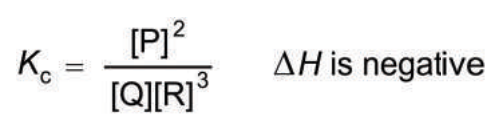
Assuming that all other conditions remain constant, a change in which factor results in an increase of the value of the equilibrium constant, Kc?
K ကို ပြောင်းနိုင်တာ temperature တစ်ခုတည်း။pressure နဲ့ concentration က position ကို ရွှေ့ရင်တောင် K ကို မပြောင်းဘူး။ catalyst က position ကိုလည်း မရွှေ့ဘူး။ K depends only on temperature (temperature ပေါ်မှာပဲ မူတည်) — K ကို ပြောင်းနိုင်တာ temperature တစ်ခုတည်း။
exothermic + အေး → ညာ → Kc တိုး — D ✔ΔH negative ဆိုတော့ exothermic — heat ညာဘက်မှာ။ a decrease in temperature (cool) ဆိုရင် ညာ ရွေ့ပြီး [P] များလာလို့ Kc တိုးတယ် — အဖြေ D ✔။
pressure၊ catalyst ✗၊ T မြှင့် Kc လျော့ ✗။pressure (B, E) နဲ့ catalyst (C) က Kc ကို မပြောင်းဘူး ✗။ temperature မြှင့်တာ (A) က Kc ကို လျော့စေတယ် ✗။
🎮 What happens to K? Sort fast 🔥
ရေကို အပူပေးရင် — pH ကျပေမဲ့ neutral
📝 IMAT 2015 · Question 49
Pure water self-ionises. This endothermic reaction is represented by the equation:
H2O(l) ⇌ H+(aq) + OH–(aq)
Which of the following statements is true for pure water between the temperatures of 0 °C and 100 °C?
1. The concentrations of H+(aq) and OH–(aq) are equal between 0 °C and 100 °C.
2. An increase in temperature causes the pH to fall.
3. An increase in temperature causes the electrical conductivity to decrease.
H₂O ⇌ H⁺ + OH⁻ — endothermic (heat ဘယ်ဘက်)။ရေသန့်ထဲမှာတောင် ရေ molecule တချို့ ion နှစ်ခု ကွဲ (breaks into ions) နေတယ်: H₂O ⇌ H⁺ + OH⁻။ ဒီ ကွဲတာက endothermic (အပူ စုပ်) — heat ကို ဘယ်ဘက်မှာ ရေးတယ်။
ရေသန့်မှာ [H⁺] = [OH⁻] အမြဲ။molecule တစ်လုံး ကွဲတိုင်း H⁺ တစ်လုံးနဲ့ OH⁻ တစ်လုံး အတူ ထွက်တယ်။ ဒါကြောင့် ရေသန့်မှာ ဘယ် အပူချိန်မှာမဆို [H⁺] = [OH⁻] always (အမြဲ)။
ပူရင် ညာ ရွေ့ — H⁺ ရော OH⁻ ရော ပိုများ။အပူပေးရင် heat ကို သုံးပစ်ဖို့ ညာ ရွေ့တယ်။ more H⁺ and OH⁻ — နှစ်မျိုးလုံး တူတူ ပိုများလာတယ်။
pH = H⁺ ပမာဏ ပြ scale (များသောအား 0–14)၊ H⁺ များ pH ငယ်။pH ဆိုတာ ပျော်ရည်ထဲမှာ H⁺ ဘယ်လောက် ရှိလဲ ပြတဲ့ ဂဏန်း — များသောအားဖြင့် 0 နဲ့ 14 ကြား (သင်ခန်းစာ 19)။ H⁺ များလေ pH ဂဏန်း ငယ်လေ — ပုံရဲ့ ဘယ်ဘက် (more H⁺)။
neutral = [H⁺] = [OH⁻] — 25 °C မှာ pH 7။25 °C မှာ ရေသန့်ရဲ့ pH = 7၊ ဒါကို neutral (acid လည်း မဟုတ်၊ base လည်း မဟုတ်) လို့ ခေါ်တယ်။ ဒါပေမဲ့ neutral ရဲ့ တကယ့် အဓိပ္ပာယ်က [H⁺] = [OH⁻] ပါ။
100 °C မှာ pH 6.1 — ဒါပေမဲ့ neutral ဆဲ။ပူရင် H⁺ များလာလို့ pH falls — 100 °C မှာ 6.1 လောက်။ ဒါပေမဲ့ OH⁻ လည်း တူတူ များလို့ [H⁺] = [OH⁻] ဆဲ — still neutral၊ acidic (acid ဖြစ်တဲ့) မဖြစ်ဘူး။
ion များလေ conductivity (လျှပ်ကူးနိုင်စွမ်း) ↑ion များလေ လျှပ်စစ် စီးလေ — conductivity (လျှပ်ကူးနိုင်စွမ်း) ↑ တိုးတယ်။
1 ✔ (အမြဲ ညီ)၊ 2 ✔ (ပူရင် pH ကျ)။1 — H⁺ နဲ့ OH⁻ အတူ ထွက်လို့ concentration အမြဲ ညီ ✔။ 2 — ပူရင် pH ကျ ✔။
3 ✗ (conductivity တိုး) — 1 and 2 only (D)။3 — ပူရင် ion များလို့ conductivity တိုးတယ်၊ မကျဘူး ✗။ ဒါကြောင့် 1 and 2 only (D)။
အခဲနဲ့ ဘယ်ဘက်က heat — IMAT 2025
📝 IMAT 2025 · Question 41
Given the equilibrium Heat + 2FeCl3(s) ⇌ 2FeCl2(s) + Cl2(g)
Which of the following options is correct:
heat + 2FeCl₃(s) ⇌ 2FeCl₂(s) + Cl₂(g)heat + 2FeCl₃(s) ⇌ 2FeCl₂(s) + Cl₂(g)။ FeCl₃ = iron(III) chloride (Fe³⁺ ပါတဲ့ အခဲ)၊ FeCl₂ = iron(II) chloride (Fe²⁺ ပါတဲ့ အခဲ — နာမည်ပေးနည်း သင်ခန်းစာ 12)။ Cl₂ (chlorine) ပဲ gas။
Fe (iron — သံ၊ Z 26) က period 4 ရဲ့ d-block (transition metal) element။ transition metal မို့ Fe²⁺ နဲ့ Fe³⁺ ion နှစ်မျိုး ဖြစ်နိုင်တယ်။
heat ဘယ်ဘက်မှာ — endothermic (အပူ စုပ်)။heat က on the left (ဘယ်ဘက်မှာ) ရေးထားလို့ ဒီ reaction က endothermic (အပူ စုပ်)။
solid မပါ: Kc = [Cl₂] — solid ထည့်ဖယ် မရွေ့။FeCl₃ နဲ့ FeCl₂ က solid မို့ Kc ထဲ မပါဘူး: Kc = [Cl₂]။ solid ကို ထည့်ထည့် ဖယ်ဖယ် (လုံးဝ မကုန်သရွေ့) equilibrium မရွေ့ဘူး။
C — Cl₂ ထည့်ရင် Cl₂ ကို သုံးပစ်ဖို့ ဘယ် (left) ရွေ့တယ် ✔။
D — FeCl₂(s) ထပ်ထည့်တာ solid မို့ မရွေ့ဘူး ✗။
E — FeCl₃(s) ဖယ်တာလည်း solid မို့ မရွေ့ဘူး ✗။
B — FeCl₃(s) ထည့်တာလည်း အကြောင်း အတူတူ ✗။
A ✗ — အေးရင် ဘယ် ရွေ့တယ်။ အဖြေ C။A — cool (အေးစေ)ရင် heat ဖယ်သလို ဖြစ်လို့ heat ရှိတဲ့ ဘယ်ဘက် ရွေ့တယ်၊ ညာ မဟုတ်ဘူး ✗။ ဒါကြောင့် အဖြေ C။
how fast နဲ့ how far — မတူဘူး
how fast (rate) နဲ့ how far (yield) ခွဲထားပါ။မေးခွန်း နှစ်ခု ခွဲထားပါ။ how fast (rate — ဘယ်လောက် မြန်မြန် ရောက်လဲ၊ သင်ခန်းစာ 17) နဲ့ how far (yield — ဘယ်ဘက် ဘယ်လောက် ရလဲ၊ Le Chatelier)။
catalyst: နှစ်ဘက်လုံး မြန် — fast ✔ far ✗catalyst က ရှေ့ရော နောက်ရော နှစ်ဘက်လုံးကို အတူတူ မြန်စေတယ်။ ဒါကြောင့် equilibrium ကို မြန်မြန် ရောက်ပေမဲ့ yield မပြောင်းဘူး — fast ✔ far ✗။
ဒါကို energy ပုံနဲ့ ကြည့်ရအောင် (သင်ခန်းစာ 17)။ catalyst က တောင်ထိပ်ကို နှိမ့်တော့ ဘယ်ဘက်ကနေ တက်ရတဲ့ Ea (forward) ရော ညာဘက်ကနေ တက်ရတဲ့ Ea (reverse) ရော တူတူ လျော့တယ်။
နှစ်ဘက် အတူတူ မြန်လာလို့ equilibrium ကို စောစော ရောက်ပေမဲ့ ချိန်ခွင် ဘယ်ဘက်မှ မရွေ့ဘူး။
temperature က နှစ်ခုလုံး ပြောင်းတယ်: ပူရင် မြန်တယ်၊ K လည်း ပြောင်းတယ်။
pressure: မြန်စေ၊ mol မတူမှ ရွေ့စေ။pressure (gas) ကလည်း နှစ်ခုလုံး ပြောင်းနိုင်တယ်: မြန်စေတယ်၊ ပြီးတော့ နှစ်ဘက် gas mol မတူမှ mol နည်းတဲ့ဘက် ရွေ့စေတယ်။ H₂ + I₂ ⇌ 2HI လို mol တူရင် မြန်ရုံပဲ၊ မရွေ့ဘူး။
🤔 CO(g) + H₂O(g) ⇌ CO₂(g) + H₂(g) is at equilibrium. The pressure is doubled at constant temperature by halving the volume. How is equilibrium reached?
🔍 မေးခွန်း ဖြည်မယ်
is doubled = နှစ်ဆ ဖြစ်၊
by halving the volume = volume ကို တစ်ဝက် ကျဉ်းလို့၊
how is equilibrium reached = equilibrium ကို ဘယ်လို ရောက်လဲ။
yield = ရတဲ့ ပမာဏ။ မေးနေတာ — မြန်/နှေး ရော H₂ yield ရော ဘယ်လို ပြောင်းမလဲ — နှစ်ခု ခွဲဖြေ။
ကျပ်လာလို့ တိုက်မိမှု ပိုများပြီး မြန်တယ်။
ဒါပေမဲ့ ဘယ်ဘက် gas 2 mol၊ ညာဘက် gas 2 mol တူလို့ မရွေ့ဘူး — yield မပြောင်း။
Kc ကို temperature ပဲ ပြောင်းနိုင်တယ်။
👉 ဒါကို IMAT မေးခွန်း တစ်ခုနဲ့ စစ်ကြည့်မယ်။
IMAT: ဖိရင် ဘာလို့ မြန်လဲ
📝 IMAT 2018 · Question 48
When nitrogen and hydrogen are mixed under suitable conditions of temperature and pressure, and in the presence of a catalyst, an equilibrium state is attained:
N2(g) + 3H2(g) ⇌ 2NH3(g) ΔH is negative
Which of the following statements explain(s) why, when the pressure on a mixture of nitrogen and hydrogen is increased while the temperature remains constant, the time taken to attain equilibrium is decreased?
1. The molecules have a higher collision frequency.
2. The yield of ammonia (NH3(g)) decreases.
3. A greater proportion of molecules in the mixture have energy greater than the activation energy.
ဖိရင် collisions per second ပိုများ — 1 ✔ဘာလို့ မြန်လဲ? ဖိလိုက်ရင် molecule တွေ ပိုကျပ်လာပြီး more collisions per second (တစ်စက္ကန့်မှာ ဝင်တိုက်မှု ပိုများ) လို့ပါ (သင်ခန်းစာ 17) — statement 1 ✔။
Eₐ ထက် ပိုတဲ့ fraction ကို T နဲ့ catalyst ပဲ ပြောင်း။Eₐ (activation energy — ဓာတ်ပြုဖို့ လိုတဲ့ အနည်းဆုံး energy) ထက် ပိုတဲ့ molecule fraction (အချိုး) ကို temperature (ဒါမှမဟုတ် Eₐ ကို နှိမ့်တဲ့ catalyst) ပဲ ပြောင်းတယ်။
ဖိတာ ဒီ အချိုးကို မပြောင်းဘူး — statement 3 ✗။
2 ✗ — ဖိရင် NH₃ yield တက်တယ်၊ မကျဘူး။statement 2 — N₂ + 3H₂ ⇌ 2NH₃ မှာ gas 4 mol က 2 mol မို့ ဖိရင် ညာ ရွေ့ပြီး NH₃ yield တက်တယ်၊ မကျဘူး ✗။ ပြီးတော့ yield (ဘယ်လောက်) က ကြာချိန် (ဘယ်လောက် မြန်) ကို မရှင်းပြဘူး။
အဖြေ 1 only (E)။
မြန် = collisions၊
ရ = Le Chatelier။ဒါကြောင့် အဖြေ 1 only (E)။
“ဘာလို့ မြန်လဲ” ဆိုရင် collisions၊ “ဘယ်လောက် ရလဲ” ဆိုရင် Le Chatelier — မေးခွန်း နှစ်ခု မရောပါနဲ့။
ရွေးစရာ ၅ ခု တစ်ခုချင်း — IMAT 2023
📝 IMAT 2023 · Question 40
At a given temperature, the Kc value of a gaseous exothermic reaction is equal to 7 × 10⁻⁵ dm6 mol−2.
Which one of the following statements is correct?
D ✔ — exothermic၊ အေးရင် ညာ၊ Kc ↑D — exothermic မို့ heat ညာဘက်မှာ။ lower T (အေးစေ) ရင် ညာ ရွေ့ပြီး Kc ↑ တိုးတယ် ✔ — ဒါ အဖြေ။
E ✗ — 7 × 10⁻⁵ သေးလို့ lies to the left။E — 7 × 10⁻⁵ က 1 ထက် အများကြီး သေးလို့ equilibrium lies to the left (ဘယ်ဘက်မှာ)၊ right မဟုတ်ဘူး ✗။
A ✗ — dm⁶ mol⁻² = equation ရဲ့ ဘယ်ဘက်မှာ coefficient ပေါင်း ပိုများ။A — unit dm⁶ mol⁻² က အောက်မှာ concentration နှစ်ခု ပိုတာကို ပြလို့ more moles on the left ✗ (PART 2 ပါ)။
B ✗ — pressure ↑ ရင် ပိုမြန်၊ time တိုတယ်။B — pressure ↑ ရင် collisions များလို့ ပိုမြန်တယ်၊ time (ကြာချိန်) တိုတယ် ✗။
C — catalyst က fast ပဲ၊ far မဟုတ်ဘူး။ yield မပြောင်းဘူး ✗။
အားလုံး ရောမေးရင် — IMAT 2016
📝 IMAT 2016 · Question 46
A mixture of methanol and ethanoic acid is left until equilibrium is reached. The equation for this reaction is given below.
CH3OH(l) + CH3COOH(l) ⇌ CH3COOCH3(l) + H2O(l) ΔH = −8.5 kJ mol−1
The amount of CH3OH in this mixture at equilibrium can be increased by:
1 adding more water to the mixture
2 raising the temperature of the mixture
3 adding sodium hydroxide to the mixture
4 adding a catalyst to the mixture
PART 2 က အရည် လေးမျိုး reaction ပါ။
CH₃OH + CH₃COOH ⇌ ester + ရေ — equilibrium။methanol (CH₃OH — alcohol မိသားစုထဲက အဆိပ်ရှိတဲ့ အရည်) နဲ့ ethanoic acid (CH₃COOH — ရှာလကာရည်ထဲက acid) ပေါင်းရင် methyl ethanoate (CH₃COOCH₃ — ester တစ်မျိုး) နဲ့ ရေ ဖြစ်ပြီး equilibrium ရောက်တယ်။
exothermic (heat ညာ)၊ CH₃OH လိုရင် ဘယ် ရွေ့ရမယ်။ΔH = −8.5 kJ mol⁻¹ (အနုတ်) မို့ exothermic — heat ကို ညာဘက်မှာ ရေးမယ်။ CH₃OH ပိုလိုချင်တော့ ဘယ် (left) ရွေ့ရမယ်။
1 ✔ — ရေ (product) ထည့်ရင် ဘယ် ရွေ့။1 — ဒီမှာ အရည် လေးမျိုး ရောနေလို့ ရေက solvent မဟုတ်ဘဲ Kc ထဲ ပါတယ်။ ဒါကြောင့် water (product) ထည့်ရင် သုံးပစ်ဖို့ ဘယ် ရွေ့တယ် ✔။
2 ✔ — T မြှင့်ရင် heat သုံးဖို့ ဘယ် ရွေ့။2 — raise T (အပူချိန် မြှင့်) ရင် heat ထည့်သလို။ heat က ညာဘက်မှာ ရှိလို့ သုံးပစ်ဖို့ ဘယ် ရွေ့တယ် ✔။
3 ✔ — NaOH က acid ဖယ်လို့ ဘယ် ရွေ့။3 — NaOH (base) က ethanoic acid ကို ချေဖျက်လို့ reactant acid removed (ဖယ်ခံရ)။ ပြန်ထုတ်ဖို့ ဘယ် ရွေ့တယ် ✔။
4 — catalyst က fast ပဲ၊ far မဟုတ်ဘူး ✗။
1, 2 and 3 only (D) — တစ်ခုချင်း စစ်ရင် ရတယ်။ဒါကြောင့် 1, 2 and 3 only (D)။ အမျိုး ၄ မျိုး ရောမေးလည်း တစ်ခုချင်း ‘ဘာ ပြောင်းလဲ → ဘယ်ဘက်’ စစ်ရင် ရတယ်။
စက်ရုံရဲ့ ရွေးချယ်မှု — 200 atm, 450 °C
Haber: exothermic၊ gas 4 mol → 2 mol။ကဲ စက်ရုံကို ပြန်သွားမယ်။ N₂ + 3H₂ ⇌ 2NH₃ က exothermic (heat ညာဘက်)၊ gas 4 mol က 2 mol ဖြစ်တယ်။ စက်ရုံ အခြေအနေတွေကို ဒီ အချက် နှစ်ခုနဲ့ ရွေးတယ်။
ဒီ စက်ရုံ နည်းလမ်းကို ဂျာမန် ဓာတုဗေဒ ပညာရှင် Fritz Haber (၁၈၆၈–၁၉၃၄) က ၁၉၀၉ မှာ ဓာတ်ခွဲခန်းထဲ စတင် လုပ်ပြခဲ့လို့ Haber process လို့ ခေါ်တယ်။
Carl Bosch (ကားလ် ဘော့ရှ်၊ ၁၈၇၄–၁၉၄၀) — ဂျာမန် ဓာတုဗေဒ အင်ဂျင်နီယာ — က ဒီ နည်းလမ်းကို စက်ရုံ အကြီးစား ဖြစ်အောင် ချဲ့ခဲ့တယ်။
လေထဲက N₂ ကနေ မြေဩဇာ လုပ်နိုင်လို့ Haber က ၁၉၁၈ မှာ၊ Bosch က ၁၉၃၁ မှာ Nobel ဆု ရခဲ့ကြတယ်။
pressure မြင့် → ညာ ✔၊ ဈေးကြီးလို့ 200 atm။pressure မြင့်လေ mol နည်းတဲ့ ညာ ရွေ့လေ ✔။ ဒါပေမဲ့ ပိုမြင့်ရင် equipment (စက်ပစ္စည်း — ပိုက်၊ အိုး၊ compressor) ဈေးကြီး၊ အန္တရာယ် ရှိလို့ 200 atm လောက်မှာ ထားတယ်။
အေးရင် yield များ ဒါပေမဲ့ rate အရမ်း နှေး။temperature က ပြဿနာ။ cold (အေး)ရင် heat ထုတ်တဲ့ ညာဘက် ရွေ့လို့ yield များတယ်၊ ဒါပေမဲ့ reacts slowly (အရမ်း နှေးနှေး ဓာတ်ပြု) — rate slow။
hot (ပူ)ရင် rate မြန် (fast) ပေမဲ့ ဘယ် ရွေ့လို့ yield နည်းတယ်။
450 °C = compromise (အပေးအယူ)ဒါကြောင့် အလယ်က 450 °C ကို ရွေးတယ် — yield နည်းနည်း လျှော့ပြီး မြန်နှုန်းကို ယူတဲ့ compromise (အပေးအယူ)။
iron catalyst — fast ပဲ၊ yield မပြောင်း။iron (Fe — သံ) catalyst ကို အမှုန့်လို မျက်နှာပြင် ကျယ်အောင် လုပ်ထားတယ်။ သူက fast ပဲ လုပ်ပေးတယ်၊ yield မပြောင်းဘူး (not far)။
🤔 Methanol is made by CO(g) + 2H₂(g) ⇌ CH₃OH(g); ΔH is negative. Which conditions give the highest equilibrium yield of methanol?
🔍 မေးခွန်း ဖြည်မယ်
is made by = ဒီ reaction နဲ့ လုပ်တယ်၊
ΔH is negative = ΔH အနုတ် (exothermic)၊
conditions = အခြေအနေ (အပူချိန်၊ ဖိအား)၊
highest equilibrium yield = equilibrium မှာ အများဆုံး ရ။
မေးနေတာ — methanol အများဆုံး ရဖို့ အပူချိန် နဲ့ ဖိအား ဘယ်လို ရွေးမလဲ (မြန်နှုန်း မမေး)။
ΔH အနုတ် = exothermic — heat ညာဘက်မှာ မို့ အေးရင် ညာ ရွေ့တယ်။
gas 3 mol က 1 mol ဖြစ်လို့ ဖိရင် mol နည်းတဲ့ ညာ ရွေ့တယ်။
စက်ရုံကတော့ Haber လိုပဲ rate အတွက် အလယ် အပူချိန် ရွေးရမယ်။
15% ကနေ 98% — ဖယ်ပြီး ပြန်ပတ်
reactor ကို တစ်ခေါက် ဖြတ်ရင် NH₃ 15% ပဲ။ဒါဆို 98% လှည့်ကွက်။ N₂ နဲ့ H₂ ကို compressor (ဖိစက်) က ဖိပြီး reactor (ဓာတ်ပြုအိုး) ထဲ ပို့တယ်။ တစ်ခေါက် ဖြတ်ရင် equilibrium ကြောင့် 15% ပဲ NH₃ ဖြစ်တယ်။
ထွက်လာတဲ့ gas ရောစပ်ကို cooler (အအေးခံ) ထဲ ပို့တယ်။
NH₃ bp −33 °C — အေးစေရင် NH₃ ပဲ အရည်ဖြစ်။NH₃ ရဲ့ boiling point (bp, 1 atm မှာ −33 °C) က N₂ (−196 °C)၊ H₂ (−253 °C) ထက် အများကြီး မြင့်တယ်။ ဒါကြောင့် အအေးခံရင် NH₃ တစ်ခုတည်း အရည် ဖြစ်ပြီး စီးကျတယ်။
NH₃ ကို reactor အပြင်မှာ ဖယ်ထုတ်တယ်။NH₃ ကို removed (ဖယ်ထုတ်) လိုက်တယ်။ ဒါက reactor အပြင်က cooler ထဲမှာ ဖြစ်တာ — reactor ထဲက equilibrium ကို ရွှေ့တာ မဟုတ်ဘူး။ ကျန်တဲ့ gas ထဲမှာ NH₃ မပါတော့တာ အရေးကြီးတယ်။
ကျန်တဲ့ N₂၊ H₂ (85%) ကို ပြန်ပို့ (recycle) တယ်။အရည် မဖြစ်တဲ့ N₂ နဲ့ H₂ (85%) ကို မစွန့်ပစ်ဘဲ compressor ဆီ recycled (ပြန်ပို့) တယ်။ NH₃ မပါတော့လို့ equilibrium နဲ့ ဝေးနေပြီး reactor ထဲ ပြန်ရောက်တာနဲ့ NH₃ ထပ်ဖြစ်တယ် — ဒီတစ်ခေါက်လည်း 15% လောက်။
15% က equilibrium ကြောင့်၊ 98% က recycle ကြောင့်!တစ်ခေါက်ချင်း 15% ပဲ ပြောင်းပေမဲ့ ဘာမှ မစွန့်ပစ်ဘဲ ပတ်ပြီး ပတ်ပြီး ပြန်သုံးလို့ နောက်ဆုံး ကုန်ကြမ်းရဲ့ 98% လောက် NH₃ ဖြစ်သွားတယ်။ 15% က equilibrium ကြောင့်၊ 98% က recycle ကြောင့်!
နောက် စက်ရုံ တစ်ခု — sulfuric acid ရဲ့ Contact process
Contact process (H₂SO₄ ထုတ်နည်း) — S ရှို့ → SO₂နောက် စက်ရုံ တစ်ခု — sulfuric acid (H₂SO₄ — မြေဩဇာ၊ ကား ဘက်ထရီ acid) ထုတ်တဲ့ Contact process။ ပထမ sulfur (S) ကို လေထဲ မီးရှို့ပြီး SO₂ (sulfur dioxide) ရတယ်။
2SO₂ + O₂ ⇌ 2SO₃၊ exothermic၊ 3 mol → 2 mol။အဓိက အဆင့်က equilibrium: 2SO₂(g) + O₂(g) ⇌ 2SO₃(g)၊ ΔH = −196 kJ/mol (exothermic)။ gas 3 mol က 2 mol ဖြစ်တယ်။
Haber လိုပဲ 450 °C — compromise။Haber လိုပဲ စဉ်းစားမယ်။ exothermic မို့ အေးရင် yield များပေမဲ့ နှေးလွန်းတယ်။ ဒါကြောင့် 450 °C လောက် — compromise။
catalyst V₂O₅ — fast ပဲ၊ yield မပြောင်း။catalyst က V₂O₅ (vanadium(V) oxide — လိမ္မော်ဝါ အမှုန့်)။ fast ပဲ လုပ်ပေးတယ်၊ yield မပြောင်းဘူး။
V (vanadium၊ Z 23) က period 4 ရဲ့ d-block (transition metal) element — Fe လိုပဲ catalyst ကောင်း ဖြစ်တဲ့ မိသားစု။
catalyst အလွှာ အများကြီး ဖြတ်လို့ 1–2 atm မှာတင် စက်ရုံ တစ်ခုလုံး စုစုပေါင်း SO₂ ရဲ့ 99% လောက် SO₃ ဖြစ် — ဖိအားမြင့် မလို။pressure — mol နည်းတဲ့ ညာဘက် ရွေ့ဖို့ ဖိရမယ် ထင်ရတယ်။ ဒါပေမဲ့ gas က catalyst အလွှာ တစ်ခုပြီး တစ်ခု ဖြတ်တယ်၊ ကြားမှာ ဖြစ်ပြီးသား SO₃ ကို ဖယ်ထုတ်ပြီး ကျန်တာကို ထပ်ဖြတ်တယ် — product ဖယ်လို့ ညာ ရွေ့တာပါ။ ဒီ 99% က အလွှာ တစ်ခုချင်း မဟုတ်ဘဲ စက်ရုံ တစ်ခုလုံးရဲ့ စုစုပေါင်း။ ဒါကြောင့် 1–2 atm နဲ့တင် လုံလောက်လို့ ဈေးကြီးတဲ့ ဖိအားမြင့် မလိုဘူး။
SO₃ ကို ရေထဲ မထည့်၊ concentrated H₂SO₄ ထဲ ထည့်။နောက်ဆုံး SO₃ ကို concentrated H₂SO₄ (ရေ အလွန်နည်းတဲ့ acid) ထဲ စုပ်ယူပြီးမှ ရေနဲ့ ရောတယ်။ ရေထဲ တိုက်ရိုက် ထည့်ရင် acid မြူ (mist) ဖြစ်လို့ မထည့်ဘူး။
🤔 In the Haber process, a much higher pressure than 200 atm would give a higher yield of NH₃. Why is it not used?
🔍 မေးခွန်း ဖြည်မယ်
a much higher pressure than 200 atm = 200 atm ထက် အများကြီး မြင့်တဲ့ ဖိအား၊
would give = ပေးလိမ့်မယ်၊
is not used = မသုံးဘူး။
မေးနေတာ — yield ပိုရမယ့် ဖိအားကို စက်ရုံက ဘာကြောင့် မသုံးလဲ — အကြောင်းရင်း။
ဖိအား မြင့်လေ yield များလေ မှန်ပေမဲ့ အဲဒီ ဖိအားကို ခံနိုင်တဲ့ ပိုက်၊ အိုး၊ compressor က ဈေးကြီးပြီး အန္တရာယ် ရှိတယ်။
pressure က Kc ကို မပြောင်းဘူး၊ ဖိရင် ပိုမြန်တယ်။
catalyst ကလည်း ဆက် အလုပ်လုပ်တယ်။
ကိုယ့်သွေးထဲက equilibrium — CO₂ နဲ့ pH
respiration က CO₂ ထုတ်ပြီး သွေးထဲ ပျော်တယ်။ကိုယ့်ဆဲလ်တွေ respiration (ဆဲလ် အသက်ရှူခြင်း — သင်ခန်းစာ 17) လုပ်ရင် CO₂ ထွက်ပြီး သွေးထဲ ပျော်တယ်။
CO₂ + H₂O ⇌ H₂CO₃ ⇌ H⁺ + HCO₃⁻CO₂ က ရေနဲ့ ပေါင်းပြီး carbonic acid (H₂CO₃) ဖြစ်တယ်၊ H₂CO₃ က H⁺ နဲ့ HCO₃⁻ (hydrogencarbonate ion) ကွဲတယ်။ နှစ်ဆင့်လုံး equilibrium: CO₂ + H₂O ⇌ H₂CO₃ ⇌ H⁺ + HCO₃⁻။
ပြေးရင် CO₂ များ → ညာ → H⁺ ↑၊ pH နည်းနည်း ကျနိုင်။အပြေး လေ့ကျင့်ရင် working muscle (အလုပ်လုပ်နေတဲ့ ကြွက်သား) က CO₂ အများကြီး ထုတ်တယ်။ CO₂ ထည့်သလို ဖြစ်လို့ ညာ ရွေ့ပြီး H⁺ များလာတယ် — သွေး pH နည်းနည်း ကျနိုင်တယ်။ နည်းနည်းပဲ ကျတာက အဆုတ်နဲ့ ဒီ equilibrium ကိုယ်တိုင် ချက်ချင်း ပြန်ထိန်းလို့ပါ (အောက်မှာ)။
မြန်မြန် ရှူ → CO₂ ဖယ် → ဘယ် → H⁺ လျော့။ဦးနှောက်က ဒါကို သိပြီး အသက် မြန်မြန် ရှူခိုင်းတယ်။ အဆုတ်ကနေ CO₂ ကို ထုတ် (ဖယ်) လိုက်လို့ ဘယ် ပြန်ရွေ့ပြီး H⁺ လျော့တယ်။
သွေး pH 7.35–7.45 ကို ဒီ equilibrium၊ အဆုတ်၊ ကျောက်ကပ် ပူးပေါင်း ထိန်းတယ်။ကျန်းမာတဲ့ သွေး pH က 7.35–7.45 ကြားမှာ ငြိမ်နေတယ်။ ဒါကို သုံးခု ပူးပေါင်း ထိန်းတာပါ: ဒီ equilibrium က pH ကို ငြိမ်အောင် ထိန်းတဲ့ ရောစပ်မှု အဖြစ် အလုပ်လုပ်တယ်၊ lungs (အဆုတ်) က CO₂ ကို ထုတ်ပေးပြီး၊ kidneys (ကျောက်ကပ်) က H⁺ နဲ့ HCO₃⁻ ကို ညှိပေးတယ်။ pH ကို ငြိမ်အောင် ထိန်းတဲ့ ရောစပ်မှုကို သင်ခန်းစာ 20 မှာ အပြည့် သင်မယ်။
🤔 Sodium hydrogencarbonate is added to the blood, so [HCO₃⁻] rises. What happens to [H⁺] in the blood?
🔍 မေးခွန်း ဖြည်မယ်
sodium hydrogencarbonate = NaHCO₃ (HCO₃⁻ ပေးတယ်)၊
[HCO₃⁻] rises = HCO₃⁻ concentration တက်။
သွေးထဲ CO₂ + H₂O ⇌ H₂CO₃ ⇌ H⁺ + HCO₃⁻ ကို သတိရ။
မေးနေတာ — [H⁺] နဲ့ pH ဘာ ဖြစ်မလဲ။
HCO₃⁻ က ညာဘက် (product) မှာ ရှိတယ်။
ထည့်လိုက်ရင် သုံးပစ်ဖို့ ဘယ် ရွေ့တယ် — HCO₃⁻ က H⁺ နဲ့ ပေါင်းပြီး H₂CO₃ ပြန်ဖြစ်လို့ [H⁺] လျော့ပြီး pH တက်တယ်။
သုည တော့ မဖြစ်ဘူး — equilibrium ဆိုတော့ နည်းနည်း ကျန်တယ်။
သွေးနီဥနဲ့ oxygen — haemoglobin equilibrium
Hb + 4O₂ ⇌ Hb(O₂)₄သွေးနီဥ ထဲက haemoglobin (Hb — oxygen သယ်တဲ့ protein) က O₂ နဲ့ ပေါင်းတယ်: Hb + 4O₂ ⇌ Hb(O₂)₄ (oxyhaemoglobin — O₂ ကပ်ထားတဲ့ Hb)။ ဒါက ရိုးရှင်းအောင် ရေးထားတဲ့ equation ပါ — Hb တစ်ခုမှာ O₂ လေးလုံးအထိ ကပ်နိုင်တယ်။
အဆုတ်: O₂ များ → ညာ → O₂ ယူ (load)။အဆုတ်မှာ O₂ အများကြီး — reactant များလို့ ညာ — toward Hb(O₂)₄ (Hb(O₂)₄ ဘက်ဆီ) — ရွေ့ပြီး Hb က O₂ ကို load (ယူတင်) တယ်။
ကြွက်သား: O₂ နည်း → ဘယ် → O₂ ချပေး (unload)။working muscle (အလုပ်လုပ်နေတဲ့ ကြွက်သား) နား ရောက်တော့ O₂ နည်းတယ် — O₂ ကို ဖယ်ထားသလို ဖြစ်လို့ ဘယ် ရွေ့ပြီး O₂ ကို unload (ချပေး) တယ်။ Le Chatelier က ကိုယ့်ခန္ဓာထဲမှာလည်း အလုပ်လုပ်တယ်!
တောင်ပေါ် O₂ နည်း — ကြာရင် Hb ပိုထုတ်လို့ သွေးက O₂ ပိုသယ်နိုင်လာ။high altitude (ပင်လယ်ရေ မျက်နှာပြင်ကနေ အမြင့် — တောင်မြင့်) မှာ လေထဲ O₂ နည်းလို့ အဆုတ်မှာတောင် ညာ မရွေ့နိုင်ဘဲ မောလွယ်တယ်။ ရက်သတ္တပတ် အနည်းငယ် နေရင် ခန္ဓာကိုယ်က သွေးနီဥနဲ့ Hb ပိုထုတ်တယ်။ Hb များလာတော့ စုစုပေါင်း Hb(O₂)₄ ပိုဖြစ်ပြီး သွေးက O₂ ပိုသယ်နိုင်လာတယ် — Hb တစ်ခုချင်းက O₂ ပိုပြည့်လာတာ မဟုတ်ဘူး။
CO က Hb နဲ့ ပိုမြဲမြဲ ကပ်လို့ အဆိပ်။CO (carbon monoxide) ကတော့ Hb နဲ့ O₂ ထက် အဆ ၂၀၀ လောက် ပိုမြဲမြဲ ကပ်ပြီး O₂ နေရာကို ယူထားလို့ အဆိပ် ဖြစ်တယ်။
🤔 A patient with carbon monoxide poisoning is given pure oxygen to breathe. How does this help?
🔍 မေးခွန်း ဖြည်မယ်
patient = လူနာ၊
carbon monoxide poisoning = CO အဆိပ်သင့်တာ၊
is given pure oxygen to breathe = oxygen သန့်သန့် ရှူခိုင်းတယ်၊
how does this help = ဘယ်လို ကူညီလဲ။
မေးနေတာ — Hb + 4O₂ ⇌ Hb(O₂)₄ ကို သုံးပြီး ဘာကြောင့် အကျိုးရှိလဲ။
O₂ (reactant) ကို အများကြီး ထည့်လိုက်တော့ Hb + 4O₂ ⇌ Hb(O₂)₄ က ညာ ရွေ့တယ် — CO နဲ့ ပြိုင်ပြီး Hb က O₂ ကို ပြန်ယူနိုင်လာတယ်။
O₂ များများ ရှိတော့ Hb ပေါ်က CO ကို ဖြည်းဖြည်း ခွာထုတ်တယ် — ချက်ချင်း အကုန် မပြုတ်ဘူး။
CO ကို ဖျက်ဆီးတာ မဟုတ်ဘူး၊ Kc ကိုလည်း မပြောင်းဘူး (temperature ပဲ ပြောင်းနိုင်)။
🔁 ပြန်စစ်မယ် — အဖြေ မကြည့်ခင် စဉ်းစားပါ
🤔 The forward reaction is exothermic. The temperature is lowered. What happens to K?
🔍 မေးခွန်း ဖြည်မယ်
forward reaction = ရှေ့သွား ဓာတ်ပြုမှု၊
exothermic = အပူ ထုတ်၊
is lowered = လျှော့ချ (အေးစေ)။
မေးနေတာ — K ဂဏန်း ဘာ ဖြစ်မလဲ။
heat က ညာဘက်မှာ။
အေးစေရင် heat ပြန်ထုတ်ဖို့ ညာ ရွေ့ပြီး K တိုးတယ်။
🤔 The forward reaction is endothermic. The temperature is raised. What happens to K?
🔍 မေးခွန်း ဖြည်မယ်
endothermic = အပူ စုပ်၊
is raised = မြှင့် (ပူစေ)။
မေးနေတာ — K ဂဏန်း ဘာ ဖြစ်မလဲ။
heat က ဘယ်ဘက်မှာ။
ပူစေရင် heat သုံးပစ်ဖို့ ညာ ရွေ့ပြီး K တိုးတယ်။
🤔 A catalyst is added to a reaction at equilibrium. What happens to the equilibrium yield?
🔍 မေးခွန်း ဖြည်မယ်
catalyst = ဓာတ်ကူပစ္စည်း၊
is added = ထည့်၊
equilibrium yield = equilibrium ရောက်ချိန် ရတဲ့ ပမာဏ (မြန်နှုန်း မဟုတ်)။
မေးနေတာ — yield ဘာ ဖြစ်မလဲ။
catalyst က နှစ်ဘက်လုံး မြန်စေလို့ fast ပဲ၊ yield မပြောင်းဘူး။
🤔 Pure water is heated from 25 °C to 60 °C. Which statement is correct?
🔍 မေးခွန်း ဖြည်မယ်
pure water = ရေသန့်၊
is heated from … to … = … ကနေ … အထိ အပူပေး။
H₂O ⇌ H⁺ + OH⁻ ကို သတိရ။
မေးနေတာ — ပူလာတဲ့ ရေသန့်အကြောင်း မှန်တဲ့ ပြောချက် တစ်ခု — pH၊ neutral၊ conductivity ကို တစ်ခုချင်း စစ်။
H₂O ⇌ H⁺ + OH⁻ က endothermic — ပူရင် ion တိုးလို့ pH ကျ၊ conductivity တက်။
ဒါပေမဲ့ [H⁺] = [OH⁻] ဆဲမို့ neutral။
🎉 သင်ခန်းစာ ပြီးပြီ — 15% နဲ့ 98% ဖြေနိုင်ပြီ။ 👉 quiz🎉 သင်ခန်းစာ ပြီးပြီ — 15% ရပ်တာ ဘာလဲ၊ Kc ရေးနည်း တွက်နည်း၊ ဘာ ပြောင်းရင် ဘယ်ဘက် ရွေ့မလဲ၊ 98% လှည့်ကွက် — အကုန် ဖြေနိုင်ပြီ။ 👉 အောက်က quiz နဲ့ စမ်းကြည့်ပါ။
👤 လူပုဂ္ဂိုလ်များ
1884 Le Chatelier (ပြင်သစ်) — equilibrium ရောက်နေတဲ့ စနစ်ရဲ့ concentration၊ pressure၊ temperature ကို ပြောင်းရင် အဲဒီ ပြောင်းလဲမှုကို ဆန့်ကျင်ပြီး လျော့ချမယ့် ဘက် ရွေ့တယ်။
1909 Haber (ဂျာမနီ) — လေထဲက N₂ ကနေ ammonia လုပ်နည်း။
1913 Bosch (ဂျာမနီ) — Haber နည်းကို စက်ရုံ အကြီးစား ဖြစ်အောင် လုပ်ခဲ့တယ်။