Magnetism and induction
ဆေးရုံက MRI စက်ရဲ့ သံလိုက်က ကမ္ဘာ့ သံလိုက်ထက် 30 000 ဆ ပြင်းပေမဲ့ သံလိုက်ကျောက် မပါဘူး။ ဖုန်း charger က ကွိုင် နှစ်ခု မထိဘဲ 230 V ကို 5 V ဖြစ်အောင် ချပေးတယ်။
ဒီ ပဟေဠိ တွေကို current ရဲ့ သံလိုက်စက်ကွင်း၊ သံလိုက်အား (F = BIL၊ F = qvB)၊ induction (Faraday၊ Lenz) နဲ့ transformer တို့နဲ့ ဖြေမယ်။
Magnets and the field of a current
သံလိုက် နဲ့ current ရဲ့ သံလိုက်စက်ကွင်း
သံလိုက်ကျောက် မပါတဲ့ ကမ္ဘာ့ အပြင်းဆုံး သံလိုက်
MRI စက်ထဲ လူနာ လှဲပြီး ကွင်းကြီးထဲ ဝင်သွားတယ်။ဆေးရုံက Magnetic Resonance Imaging (MRI) စက်ကို မြင်ဖူးလား? လူနာက bed (ကုတင်) ပေါ် လှဲပြီး ကွင်းကြီးထဲ ဝင်သွားတယ်။
MRI သံလိုက် 1.5 T — Earth's field ထက် 30 000 ဆ ပြင်း။ကွင်းထဲက သံလိုက်က 1.5 T — Earth's field (ကမ္ဘာ့ သံလိုက်စက်ကွင်း) ထက် 30 000 ဆ ပြင်းတယ်။
သံ ကတ်ကြေးက ကျည်ဆံလို ပျံဝင်သွားတယ် — iron flies in။သံ ကတ်ကြေး တစ်လက် အခန်းထဲ ယူသွားမိရင် ကျည်ဆံလို ပျံဝင်သွားတယ် — iron flies in။
ကွင်းထဲ သံလိုက်ကျောက် မပါ — wire ကွိုင်နဲ့ current ပဲ။ဒါပေမဲ့ ကွင်းကို ခွဲကြည့်ရင် သံလိုက်ကျောက် မပါဘူး (no magnet stone)။ wire (ဝါယာ) ကွိုင်တွေ နဲ့ အထဲ စီးနေတဲ့ current ပဲ ပါတယ်။
🤔 An MRI scanner contains no permanent magnet. What produces its very strong magnetic field?
ဝါယာ ကွိုင်ထဲ စီးနေတဲ့ current က သံလိုက်စက်ကွင်းကို ဖြစ်စေတယ်။
ဒီ PART ရဲ့ နောက်ဆုံးမှာ ဘယ်လို ဖြစ်လဲ အပြည့် ကြည့်မယ်။
MRI က X-ray မသုံးဘူး၊ radio လှိုင်းက ပုံ ရိုက်ဖို့ပဲ။
👉 အရင် bar magnet ပတ်လည်ကို ကြည့်မယ်။👉 current က သံလိုက် ဖြစ်စေတယ် ဆိုတာ နားလည်ဖို့ ရိုးရိုး သံလိုက်ချောင်း တစ်ချောင်းရဲ့ ပတ်လည်ကို အရင် ကြည့်မယ်။
magnetic field — N ကထွက်၊ S ထဲဝင်
bar magnet — အနီက N၊ အပြာက S။ရေခဲသေတ္တာ တံခါးမှာ ကပ်တဲ့ bar magnet (သံလိုက်ချောင်း) ကို ကြည့်ပါ။ ဘယ်ဘက် အနီက N ဝင်ရိုး၊ ညာဘက် အပြာက S ဝင်ရိုး။
iron filings ဖြူးရင် ကွေးကွေး မျဉ်းတွေ စီသွားတယ်။အပေါ်မှာ စက္ကူ အုပ်ပြီး iron filings (သံမှုန့်) ဖြူးလိုက်ရင် သံမှုန့်တွေက ကွေးကွေး မျဉ်းတွေ ဖြစ်အောင် သူ့ဘာသာ စီသွားတယ်။
field line က N ကနေ ထွက်ပြီး S ထဲ ပြန်ဝင် — N → S။အဲဒီ မျဉ်းတွေကို field line (စက်ကွင်း မျဉ်း) လို့ ခေါ်တယ်။ N ကနေ ထွက်ပြီး အပြင်ကနေ ပတ်ကာ S ထဲ ပြန်ဝင်တယ် — N → S။
force ရောက်တဲ့ နယ်မြေ = magnetic field (သံလိုက်စက်ကွင်း)သံလိုက်ရဲ့ force ရောက်တဲ့ ပတ်လည် နယ်မြေကို magnetic field (သံလိုက်စက်ကွင်း) လို့ ခေါ်တယ်။
compass အပ် အနီက field line အတိုင်း ညွှန်တယ်။compass (သံလိုက်အိမ်မြှောင်) လေးတွေ ချထားရင် အပ်ရဲ့ အနီ ထိပ်က field line ဦးတည်ရာအတိုင်း လှည့်ညွှန်တယ်။
မျဉ်း ကပ်ရင် strong၊ မျဉ်း ကျဲရင် weak။မျဉ်းတွေ ကပ်နေတဲ့ ဝင်ရိုးနားမှာ field က strong (ပြင်း)၊ မျဉ်းတွေ ကျဲတဲ့ အဝေးမှာ weak (အား နည်း)။
B ယူနစ် tesla (T၊ field ယူနစ်)၊ Earth 5 × 10⁻⁵ T၊ MRI 1.5 T။field ပြင်းအားကို B လို့ ရေးပြီး ယူနစ်က tesla (T)။ Earth က 5 × 10⁻⁵ T၊ ရေခဲသေတ္တာ သံလိုက်က 0.01 T၊ MRI က 1.5 T။ 1 T ဘယ်လောက်လဲ ဆိုတာ PART 2 မှာ force နဲ့ သတ်မှတ်မယ်။
👉 သံလိုက် နှစ်ချောင်းကို နီးနီး ထားရင် field line တွေ ဘာ ဖြစ်မလဲ?
ဝင်ရိုး တူရင် တွန်း၊ မတူရင် ဆွဲ
N နဲ့ S ဆိုင်ရင် line ဖြတ်ကူး — attract (ဆွဲ)။N နဲ့ S မျက်နှာချင်းဆိုင်ရင် field line တွေက ကြားကို တည့်တည့် ဖြတ်ကူးပြီး သံလိုက် နှစ်ချောင်း attract (ဆွဲ) ကြတယ်။
S နဲ့ S ဆိုင်ရင် ကြားမှာ line မရှိ — repel (တွန်း)။S နဲ့ S မျက်နှာချင်းဆိုင်ရင် (N နဲ့ N လည်း အတူတူပဲ) line တွေ ဘေးကို ကွေးထွက်လို့ ကြားမှာ line မရှိဘူး။ သံလိုက် နှစ်ချောင်း repel (တွန်း) ကြတယ်။
မှတ်ရန် — ဝင်ရိုး တူရင် (N–N၊ S–S) တွန်း၊ မတူရင် (N–S) ဆွဲ။
ကမ္ဘာလည်း သံလိုက် — compass N က မြောက်ကို ညွှန်တယ်။ကမ္ဘာကြီး ကိုယ်တိုင်လည်း သံလိုက်ကြီးပါ။ compass ရဲ့ N ထိပ်က geographic North (ပထဝီ မြောက်ဘက်) ကို ညွှန်တယ်။
မတူမှ ဆွဲလို့ မြောက်ဘက်မှာ ရှိတာ သံလိုက် S ဝင်ရိုး။မတူမှ ဆွဲတာဆိုတော့ မြောက်ဘက်မှာ ရှိနေတာက သံလိုက်ရဲ့ S ဝင်ရိုး — magnetic S pole up there။
🤔 Two bar magnets are placed end to end. Which pair of facing poles push each other apart?
ဝင်ရိုး တူရင် (N–N၊ S–S) တွန်းတယ်။
မတူရင် (N–S) ဆွဲတယ်။
👉 သံလိုက် မဟုတ်တဲ့ သံချောင်း ကပ်ရင် တွန်းမလား ဆွဲမလား?👉 သံလိုက် မဖြစ်သေးတဲ့ သံချောင်း တစ်ချောင်းကို သံလိုက်နား ကပ်ရင်ကော? တွန်းမလား၊ ဆွဲမလား?
magnetic material — ဆွဲတာ နဲ့ တွန်းတာ
သံ၊ cobalt၊ nickel = magnetic material (သံလိုက် ဆွဲ ပစ္စည်း)သံ (iron)၊ cobalt၊ nickel ကို magnetic material (သံလိုက် ဆွဲတဲ့ ပစ္စည်း) လို့ ခေါ်တယ်။ ရိုးရိုး သံချောင်းကို N နား ကပ်ကြည့်မယ်။
iron (Fe၊ Z = 26)၊ cobalt (Co၊ 27)၊ nickel (Ni၊ 28) က period 4 ရဲ့ d-block (transition metal) အလယ်မှာ ဘေးချင်း ကပ်နေကြတယ်။ ညာဘက်က copper (Cu၊ 29) ကတော့ သံလိုက် မဆွဲဘူး။
N နား ကပ်ရင် induced magnetism — အနီးထိပ် S ဖြစ်လို့ ဆွဲ။သံလိုက်က သံချောင်းကို ခဏ သံလိုက် ဖြစ်စေတယ် — induced magnetism။ အနီးဆုံး ထိပ်မှာ S ပေါ်လာလို့ N က ဆွဲတယ်။
S နား ကပ်လည်း N ပေါ်လို့ ဆွဲ — always attracts။S နား ကပ်ရင်တော့ အနီးဆုံး ထိပ်မှာ N ပေါ်လာတယ်။ ဒါကြောင့် ဆွဲပြန်တယ် — ရိုးရိုး သံကို ဘယ်ဝင်ရိုးကမဆို always attracts (အမြဲ ဆွဲ)။
Al နဲ့ Cu ကို သံလိုက် မဆွဲ မတွန်း — no pull။aluminium (Al) နဲ့ copper (Cu) က magnetic material မဟုတ်လို့ သံလိုက်က no pull (မဆွဲ မတွန်း)။
repel တာ မြင်ရင် အဲဒီ ချောင်း magnet ဖြစ်ပြီးသား။ချောင်း တစ်ချောင်းကို repel (တွန်း) တာ မြင်ရရင်တော့ အဲဒီ ချောင်းက magnet (သံလိုက်) ဖြစ်ပြီးသား သေချာတယ်။
※ diamagnetism က မမြင်ရလောက်လို့ IMAT မှာ မတွက်ဘူး။※ ကြေးနီ၊ ရေ လို ပစ္စည်းကို အလွန် ပြင်းတဲ့ သံလိုက်က အနည်းငယ် တွန်းတာ (diamagnetism) ရှိပေမဲ့ မျက်စိနဲ့ မမြင်ရလို့ IMAT မှာ ထည့်မတွက်ဘူး။
⚠ ဆွဲတာ = ရိုးရိုး သံ ဖြစ်နိုင်၊ တွန်းမှ သံလိုက် သေချာ။⚠ ဆွဲတာ မြင်ရုံနဲ့ သံလိုက်လို့ မပြောနိုင်ဘူး — ရိုးရိုး သံ ဖြစ်နိုင်တယ်။ တွန်းတာ တစ်ခုတည်းကပဲ သံလိုက် ဖြစ်ကြောင်း သက်သေပြတယ်။
👉 သံ အချို့ သံလိုက်ဓာတ် ကျန်၊ အချို့ ပျောက် — ဘာလို့လဲ?👉 ဒါပေမဲ့ သံ အချို့က သံလိုက်ဓာတ် ကျန်ပြီး အချို့က ချက်ချင်း ပျောက်တယ်။ သံ အထဲမှာ ဘာ ဖြစ်နေလဲ?
domain — steel က သံလိုက် ကျန်၊ soft iron က ပျောက်
သံထဲမှာ domain (သံလိုက် အကွက်လေး) တွေ — တစ်ခုစီ သံလိုက်လေး။သံ ချောင်းထဲမှာ domain (သံလိုက် အကွက်လေး) တွေ အများကြီး ရှိတယ်။ domain တစ်ခုစီက သံလိုက် အသေးလေး တစ်ခု — အဝါ မြှားက သူ့ရဲ့ N ဘက်ကို ညွှန်တယ်။
domain တွေ ဘက်စုံ ညွှန်လို့ ချေသွား — သံလိုက် မဖြစ်။သံလိုက် မဖြစ်သေးတဲ့ သံမှာ domain တွေ ဘက်ပေါင်းစုံ ညွှန်နေလို့ အချင်းချင်း ချေသွားတယ် — ချောင်း တစ်ခုလုံး သံလိုက် မဖြစ်ဘူး။
N နား ကပ်ရင် domain တွေ တစ်ဘက်တည်း စီ — ဆွဲတယ်။သံလိုက်ရဲ့ N နား ကပ်လိုက်ရင် domain တွေ တစ်ဘက်တည်း လှည့်စီသွားတယ်။ အနီးဆုံး ထိပ်က S၊ အဝေး ထိပ်က N ဖြစ်လာလို့ ဆွဲတယ် — ခုနက induced magnetism ရဲ့ အထဲမှာ ဖြစ်တာ ဒါပဲ။
soft iron (သံပျော့) — ဖယ်တာနဲ့ ပျောက်၊ ယာယီ သံလိုက်။သံလိုက်ကို ပြန်ဖယ်လိုက်ရင် soft iron (သံပျော့) ထဲက domain တွေ ချက်ချင်း ကျပန်း ပြန်ဖြစ်တယ်။ သံလိုက်ဓာတ် ပျောက်သွားလို့ temporary magnet (ယာယီ သံလိုက်) လို့ ခေါ်တယ်။
steel (သံမဏိ) — domain စီထားတဲ့ အတိုင်း၊ permanent magnet။steel (သံမဏိ) ထဲမှာတော့ domain တွေ စီထားတဲ့ အတိုင်း ကျန်နေတယ်။ သံလိုက်ဓာတ် မပျောက်လို့ permanent magnet (အမြဲ သံလိုက်) — hard magnetic material လို့လည်း ခေါ်တယ်။
compass အပ်က steel၊ electromagnet အူတိုင်က soft iron။ဒါကြောင့် ရေခဲသေတ္တာ သံလိုက်၊ compass အပ်ကို steel နဲ့ လုပ်တယ်။ ခလုတ် ပိတ်တာနဲ့ ပြုတ်ရမယ့် electromagnet ရဲ့ အူတိုင်ကိုတော့ soft iron နဲ့ လုပ်တယ် (ဒီ PART ရဲ့ နောက်ပိုင်း electromagnet မှာ ကြည့်မယ်)။
🤔 A bar is to be used as a permanent magnet in a fridge door. Which material should it be made of, and why?
permanent magnet မှာ domain တွေ စီထားတဲ့ အတိုင်း ကျန်ရမယ် — အဲဒါ steel။
soft iron ကတော့ domain ပြန် ကျပန်း ဖြစ်လို့ ယာယီပဲ။
copper နဲ့ aluminium က magnetic material မဟုတ်ဘူး။
👉 magnetised steel နဲ့ soft iron — IMAT 2014 မေးခဲ့တယ်။👉 ‘magnetised steel’ နဲ့ ‘unmagnetised soft iron’ ကွာပုံ သိပြီ။ IMAT 2014 က ဒီ အချက်ကို မေးခဲ့တယ်။
✍️ IMAT 2014 — ဘယ်ချောင်းကို တွန်းနိုင်လဲ
📝 IMAT 2014 · Question 60
An earthed magnet is near a bar of material which is seen to be repelled by the magnet. What could the bar of material be?
[The system is isolated and no currents are induced.]
✍️ ချောင်းက repelled (တွန်းခံရ) တယ်တဲ့။ ဒါဆို ချောင်းက magnet ဖြစ်ရမယ်။ ရွေးစရာ တစ်ခုချင်း စစ်မယ်။
E — magnetised steel (သံလိုက် ဖြစ်ပြီး သံမဏိ) — steel ထဲက domain တွေ စီထားတဲ့ အတိုင်း ကျန်လို့ permanent magnet ပဲ။ N–N faces (တူတဲ့ ဝင်ရိုး) ဆိုင်ရင် တွန်းနိုင်တယ် ✓။
A နဲ့ B — charged Al၊ charged Cu က သံလိုက် မဟုတ်ဘူး။ သံလိုက်ကို earth (မြေ) ချိတ်ထားလို့ ဆန့်ကျင်ဘက် charge ဝင်လာပြီး ဆွဲတယ် ✗ (သင်ခန်းစာ 73)။
A နဲ့ B ကို ဘာလို့ ဆွဲလဲ — သင်ခန်းစာ 73 က earthed (မြေချိတ်ထား) သတ္တု ပုံပဲ။ + charge ရှိတဲ့ Al ချောင်းကို မြေချိတ်ထားတဲ့ သံလိုက်နား ယူလာတယ်။
+ က electron ကို ဆွဲလို့ မြေကြီးကနေ electron တွေ ဝါယာ ဖြတ်ပြီး အနီးဆုံး မျက်နှာကို တက်လာတယ်။ အဲဒီ မျက်နှာ − ဖြစ်ပြီး + နဲ့ ဆွဲတယ် — ဘယ်တော့မှ မတွန်းဘူး။
C နဲ့ D — unmagnetised soft iron နဲ့ cobalt ထဲက domain တွေ ကျပန်း ဖြစ်နေလို့ သံလိုက် မဟုတ်ဘူး။ induced magnetism နဲ့ ဆွဲပဲ ဆွဲတယ် ✗။
တွန်းနိုင်တာ တစ်ခုတည်း — အဖြေ E magnetised steel။
👉 သံလိုက် မပါဘဲ compass လှည့်လို့ ရမလား? 1820 ကို သွားမယ်။👉 သံလိုက်ကျောက် မပါဘဲ compass အပ်ကို လှည့်လို့ ရမလား? 1820 ခုနှစ်က စာသင်ခန်း တစ်ခုကို သွားကြည့်မယ်။
Ørsted — current က compass ကို လှည့်တယ်
current off — compass အားလုံး မြောက်ကို ညွှန်တယ်။ကဒ်ပြားကို ဝါယာ ဖြောင့် တစ်ချောင်း ထောင်လိုက် ဖောက်ထားပြီး ပတ်လည်မှာ compass လေးတွေ ချထားတယ်။ current off (မစီး) တုန်းက အပ်အားလုံး မြောက်ဘက်ကိုပဲ ညွှန်တယ်။
current on — အပ်တွေ ဝါယာကို ဝိုင်းပတ် ညွှန်သွားတယ်။current on — ခလုတ် ဖွင့်လိုက်တာနဲ့ အပ်တွေ လှည့်သွားပြီး ဝါယာကို ဝိုင်းပတ်တဲ့ ပုံ ဖြစ်သွားတယ်။
1820 မှာ Ørsted (ဒိန်းမတ် ပါမောက္ခ) က ပထမဆုံး တွေ့တယ်။ဒါကို 1820 ခုနှစ်မှာ Hans Christian Ørsted (ဟန်းစ် ခရစ်ယာန် အာစတက် — ဒိန်းမတ် ရူပဗေဒ ပါမောက္ခ) က ကျောင်းသားတွေ ရှေ့မှာ ပထမဆုံး တွေ့ခဲ့တယ်။
ရွေ့နေတဲ့ charge (current) က magnetic field ဖြစ်စေတယ်။သံလိုက် မပါဘဲ အပ် လှည့်တာဆိုတော့ — ရွေ့နေတဲ့ charge (current) ကိုယ်တိုင်က magnetic field ကို ဖြစ်စေတယ်။ ဒါ ဒီသင်ခန်းစာ တစ်ခုလုံးရဲ့ အခြေခံပဲ။
ဝါယာ ဖြောင့် ပတ်လည် field = circles — no N, no S။ဝါယာ ဖြောင့် ပတ်လည်က field line တွေက ဝါယာကို ဗဟိုထားတဲ့ circles (စက်ဝိုင်းတွေ)။ သံလိုက်ချောင်းလို no N, no S — ဝင်ရိုး မရှိဘူး။
👉 circle က ဘယ်ဘက် လှည့်လဲ? လက် တစ်ဖက်နဲ့ ရှာတတ်တယ်။
right-hand grip rule — field ဘယ်ဘက် ပတ်လဲ
ညာလက်နဲ့ ဆုပ်၊ thumb = current ဘက်။right hand (ညာလက်) နဲ့ ဝါယာကို ဆုပ်ပြီး thumb (လက်မ) ကို current စီးတဲ့ဘက် ထောင်ပါ — thumb = current။
fingers = field — right-hand grip rule (ညာလက် ဆုပ် စည်းကမ်း)ကွေးထားတဲ့ fingers (လက်ချောင်းတွေ) ညွှန်တဲ့ဘက်က field ပတ်တဲ့ဘက် — fingers = field။ ဒါကို right-hand grip rule (ညာလက် ဆုပ် စည်းကမ်း) လို့ ခေါ်တယ်။
မြှားဖျား အစက် ⊙ = out (စာရွက်ထဲက ထွက်လာ)။ပုံတွေမှာ စာရွက်ကို ဖောက်သွားတဲ့ current ကို သင်္ကေတနဲ့ ရေးတယ်။ မြှားကို ရှေ့က ကြည့်ရင် tip (မြှားဖျား) အစက်လေး မြင်ရတယ် — ⊙ = out (စာရွက်ထဲက ထွက်လာ)။
မြှားအမြီး ကြက်ခြေ ⊗ = in (စာရွက်ထဲ ဝင်)။နောက်က ကြည့်ရင် tail (မြှားအမြီး) ကြက်ခြေ မြင်ရတယ် — ⊗ = in (စာရွက်ထဲ ဝင်သွား)။
⊙ current ဆို field က anticlockwise ပတ်တယ်။⊙ current ထွက်လာရင် လက်မ ကိုယ့်ဘက် ထောင်ပြီး ဆုပ်ကြည့်ပါ — field က anticlockwise (နာရီလက်တံ ပြောင်းပြန်) ပတ်တယ်။
⊗ current ဝင်သွားရင် clockwise (နာရီလက်တံ ဘက်) ပတ်တယ်။
🤔 Current flows into the page (⊗) along a long straight wire. Seen from where you are, which way do the magnetic field lines go round the wire?
ညာလက်ရဲ့ လက်မကို စာရွက်ထဲ ထိုးပြီး ဆုပ်ကြည့်ပါ — လက်ချောင်းတွေက clockwise ကွေးတယ်။
field line က ဝါယာကို ပတ်တဲ့ circle ဖြစ်တယ်၊ ဖြောင့်ဖြောင့် မထွက်ဘူး။
👉 current ရဲ့ အကျိုး တခြား ဘာတွေ ရှိသေးလဲ?👉 current စီးတိုင်း သံလိုက်စက်ကွင်း ဖြစ်တယ်ဆိုတော့ — current ရဲ့ အကျိုး တခြား ဘာတွေ ရှိသေးလဲ?
current ရဲ့ အကျိုး ၃ မျိုး — အပူ၊ ဓာတု၊ သံလိုက်
1 thermal (အပူ) — P = I²R ဖြစ်လို့ needs R။current ရဲ့ အကျိုး သုံးမျိုး ရှိတယ်။ 1 thermal (အပူ) — မီးဖို ကွိုင် ပူတာ။ ပူတဲ့ power P = I²R (သင်ခန်းစာ 74) ဆိုတော့ resistance R လိုတယ် — needs R။
2 chemical (ဓာတု) — ion ရှိတဲ့ အရည်ထဲမှ — needs ions။2 chemical (ဓာတု) — electrolysis လို ion ရှိတဲ့ အရည်ထဲမှာ current စီးမှ ဓာတ်ပြောင်းတယ် — needs ions။
3 magnetic (သံလိုက်) — ရွေ့တဲ့ charge တိုင်း၊ always။3 magnetic (သံလိုက်) — ရွေ့နေတဲ့ charge တိုင်း field ဖြစ်စေလို့ always (အမြဲ) ရှိတယ်။
superconductor R = 0 — no heat၊ field ✓ အမြဲ ရှိ။အောက်က ကွင်းက mercury superconductor (−269 °C အထိ အေးထားလို့ R = 0)။ R = 0 ဆိုတော့ no heat ပေမဲ့ current စီးနေသရွေ့ field ✓ — magnetic အကျိုးက အမြဲ ရှိတယ်။ (📝 IMAT 2012 Q79၊ သင်ခန်းစာ 74)
🤔 A current passes through a long copper wire at room temperature. Which effects of the current are present?
1. thermal
2. chemical
3. magnetic
copper မှာ R ရှိလို့ အပူ ✓၊ သတ္တု ဖြစ်လို့ electron ပဲ စီးပြီး ion မရှိ — ဓာတု အကျိုး ✗၊ ရွေ့တဲ့ charge ရှိလို့ သံလိုက် ✓ — 1 and 3 only။
👉 ဆား ရည်ထဲ current ပေးရင် အကျိုး ဘယ်နှစ်မျိုးလဲ?👉 ဆား ရည်ထဲ current ပေးရင်ကော? အကျိုး ဘယ်နှစ်မျိုး ရှိမလဲ — တွက်ကြည့်မယ်။
✍️ ဆား ရည်ထဲ current — အကျိုး ဘယ်နှစ်မျိုး
✍️ ဆား ရည် (sodium chloride solution) ထဲကို electrode (ဝါယာ ချောင်း) နှစ်ချောင်း နှစ်ပြီး current ပေးမယ်။ ဆား ရည်မှာ Na⁺ နဲ့ Cl⁻ ion တွေ ရှိပြီး resistance R လည်း ရှိတယ်။ ဘယ် အကျိုးတွေ ရှိမလဲ?
1 — R ရှိလို့ P = I²R က 0 ထက် ကြီးတယ် — ရည် နွေးလာတယ် (heat ✓)။
2 — ion ရှိလို့ electrolysis ဖြစ်ပြီး electrode တွေမှာ gas ပူဖောင်း ထွက်တယ် ✓။
3 — ရွေ့နေတဲ့ ion တွေလည်း charge ပဲ — charge moves ဆိုတော့ magnetic field အမြဲ ဖြစ်တယ် (field ✓)။ အဖြေ 1, 2 and 3။
👉 ဝါယာ ပတ်လည် field က ဘယ်လောက် ပြင်းလဲ? ဘာတွေ ပေါ် မူတည်လဲ?
B = μ₀I2πr — ဝေးလေ အားနည်းလေ
current ⊙၊ r အကွာမှာ field B (အစိမ်း မြှား)။အပေါ်ကနေ ငုံ့ကြည့်ထားတယ် — current ⊙ ထွက်လာတယ်။ ဝါယာကနေ r အကွာမှာ field B ကို အစိမ်း မြှား နဲ့ ပြထားတယ်။
2r မှာ မြှား တစ်ဝက် — B2၊ ဝေးလေ အားနည်းလေ။အကွာအဝေး 2r (နှစ်ဆ) ဆိုရင် မြှား တစ်ဝက်ပဲ ကျန်တယ် — B2။ ဝေးလေ အားနည်းလေ။
2I ဆို 2B — B က I နဲ့ တိုက်ရိုက်၊ r နဲ့ ပြောင်းပြန်။current နှစ်ဆ (2I) စီးရင်တော့ B နှစ်ဆ (2B)။ ဆိုလိုတာ — B က I နဲ့ တိုက်ရိုက်၊ r နဲ့ ပြောင်းပြန် အချိုးကျတယ်။
ပုံသေနည်းက B = μ₀I2πr။ B က tesla၊ I က ampere၊ r က meter။
μ₀ = 4π × 10⁻⁷ T m/A၊
μ₀2π = 2 × 10⁻⁷ မှတ်ပါ။μ₀ (မျူး-သုည) = 4π × 10⁻⁷ T m/A က လေဟာနယ်ရဲ့ constant (ကိန်းသေ)။
μ₀2π = 2 × 10⁻⁷ လို့ မှတ်ထားရင် တွက်ရ လွယ်တယ်။
🤔 A long straight wire carries a current I. At a distance r from the wire the magnetic field is B. What is the field at a distance 2r when the current is increased to 2I?
I နှစ်ဆက B ကို ×2၊ r နှစ်ဆက B ကို တစ်ဝက် လုပ်တယ်။
×2 ပြီး တစ်ဝက် ဆိုတော့ B ပဲ ပြန်ရတယ်။
B4 က 1r² လို့ ထင်ပြီး current ကို မေ့တာ။
👉 ဝါယာနားက B ကို ဂဏန်းနဲ့ တွက်ကြည့်မယ်။👉 ပုံသေနည်း ရပြီ — ဝါယာ တစ်ချောင်းနားက B ကို ကိန်းဂဏန်းနဲ့ တွက်ကြည့်မယ်။
✍️ ဝါယာ 2.0 cm အကွာက B — 1.0 × 10⁻⁴ T
✍️ I = 10 A၊ r = 2.0 cm။ cm ကို m ပြောင်းရမယ် — 0.020 m။ B = 2 × 10⁻⁷ × 10 ကို 0.020 နဲ့ စား = 1.0 × 10⁻⁴ T။
⚠ ဝါယာ B က 1r (2r မှာ 12)၊ gravity က 1r² (2r မှာ 14)။⚠ ဝါယာရဲ့ B က 1r နဲ့ ကျတယ် — 2r မှာ 12။ Coulomb အား၊ gravity ကတော့ 1r² နဲ့ ကျလို့ 2r မှာ 14။ မရောပါနဲ့။
1.0 × 10⁻⁴ T = Earth ရဲ့ 2 ဆ — compass turns။1.0 × 10⁻⁴ T က Earth ရဲ့ field (5 × 10⁻⁵ T) ရဲ့ 2 ဆ လောက် ရှိလို့ ဝါယာနား ချထားတဲ့ compass turns — သိသိသာသာ လှည့်တယ်။
👉 MRI လို ပြင်းပြင်း ရဖို့ ဝါယာကို ဘာလုပ်မလဲ?👉 ဝါယာ ဖြောင့် တစ်ချောင်းရဲ့ field က အားနည်းတယ်။ MRI လို ပြင်းပြင်း ရဖို့ ဝါယာကို ဘာလုပ်မလဲ?
ကွင်း တစ်ကွင်းရဲ့ ဗဟို — B = μ₀I2R
ဝါယာကို ကွင်း (loop) ကွေး — R၊ I anticlockwise။ဝါယာ ဖြောင့်ကို အဝိုင်း ကွေးပြီး ကွင်း တစ်ကွင်း (loop) လုပ်လိုက်မယ်။ အချင်းဝက် R၊ current I က anticlockwise (နာရီလက်တံ ပြောင်းပြန်) စီးတယ်။
ညာလက်နဲ့ ဆုပ်ရင် ကွင်းထဲမှာ field အကုန် ⊙။ကွင်းရဲ့ အပိုင်းလေး တစ်ပိုင်းချင်းကို ညာလက်နဲ့ ဆုပ်ကြည့်ပါ — ကွင်း အထဲဘက်မှာ field က အကုန် ⊙ စာရွက်ထဲက ထွက်လာတဲ့ဘက်ပဲ ညွှန်တယ်။
ဗဟိုမှာ field တွေ ဘက်တူ ပေါင်းလို့ ပိုပြင်းတယ်။ဒါကြောင့် ဗဟိုမှာ အပိုင်း အားလုံးရဲ့ field တွေ ဘက်တူ ပေါင်းသွားပြီး ဝါယာ ဖြောင့် ထက် ပိုပြင်းတယ်။
ဗဟို B = μ₀I2R — π မပါ၊ π ဆ ပိုပြင်း။ဗဟိုက field က B = μ₀I2R။ ဝါယာ ဖြောင့်ရဲ့ μ₀I2πr နဲ့ ယှဉ်ရင် π မပါဘူး — ဝါယာက ဗဟိုကို တစ်ပတ်လုံး ဝိုင်းထားလို့ π ဆ ပိုပြင်းတာ။
N ကွင်း ကွိုင် ပြား — B = μ₀NI2R။ကွင်း N ကွင်း ထပ်ပတ်ထားတဲ့ ကွိုင် ပြားဆိုရင် ကွင်း တစ်ကွင်းစီရဲ့ field ပေါင်းလို့ B = μ₀NI2R။
✍️ R = 5.0 cm = 0.050 m၊ I = 4.0 A — 2R = 0.10 m။
B = 4π × 10⁻⁷ × 4.00.10 = 5.0 × 10⁻⁵ T — ကမ္ဘာ့ field လောက်ပဲ ရှိတယ်။
🤔 A flat circular coil of 10 turns and radius 0.10 m carries a current of 2.0 A. What is the magnetic field at its centre? (μ₀ = 4π × 10⁻⁷ T m/A)
B = μ₀NI2R = 4π × 10⁻⁷ × 10 × 2.00.20 ≈ 1.3 × 10⁻⁴ T။
1.3 × 10⁻⁵ က N = 10 နဲ့ မမြှောက်မိတာ၊ 4.0 × 10⁻⁵ က ဝါယာ ဖြောင့်ရဲ့ 2πr ကို သုံးမိတာ၊ 2.5 × 10⁻⁴ က 2R အစား R နဲ့ စားမိတာ။
👉 ကွင်း တစ်ကွင်းထက် ကွင်း အများကြီးကို ပြွန်ပုံ ဆက်ပတ်လိုက်ရင်ကော?
solenoid — ကွိုင်က သံလိုက်ချောင်း ဖြစ်လာတယ်
spring လို ပတ်ထားတဲ့ ကွိုင် = solenoid (ဝါယာ ကွိုင် ရှည်)ဝါယာကို ပြွန်တစ်ခုပေါ် spring လို အကွင်း အများကြီး ပတ်ထားတာကို solenoid (ဝါယာ ကွိုင် ရှည်) လို့ ခေါ်တယ်။
current အကွင်းတိုင်း ဘက်တူ — field တွေ အလယ်မှာ ပေါင်း။battery က current ကို အကွင်း တိုင်းထဲ တစ်ဘက်တည်း လှည့်စီးစေတယ်။ အကွင်း တစ်ကွင်းစီရဲ့ field တွေ အလယ်မှာ ဘက်တူ ပေါင်းသွားတယ်။
အထဲမှာ line ဖြောင့်၊ ပြိုင် — uniform (ညီညာ) field။ဒါကြောင့် solenoid အထဲမှာ field line တွေက ဖြောင့်၊ ပြိုင်၊ အကွာ တူတူ — နေရာတိုင်း B တူတဲ့ uniform (ညီညာ) field ဖြစ်တယ်။
အပြင်မှာ like a bar magnet — ထိပ်တစ်ဖက် N၊ တစ်ဖက် S။အပြင်မှာတော့ line တွေက ထိပ်တစ်ဖက်ကနေ ထွက်ပြီး နောက်ထိပ်ကို ပြန်ဝင်တယ် — like a bar magnet (သံလိုက်ချောင်းနဲ့ တူ)။ ထိပ်တစ်ဖက်က N၊ တစ်ဖက်က S။
ထိပ်ကို ကြည့်ရင် anticlockwise = N၊ clockwise = S။ဘယ်ထိပ်က N လဲ? ထိပ်ကို မျက်နှာချင်းဆိုင် ကြည့်ပါ — current က anticlockwise ပတ်ရင် အဲဒီ ထိပ်က N၊ clockwise ပတ်ရင် S။
လက်ချောင်း = current ပတ်ဘက်၊ လက်မ = N ထိပ်။ညာလက်နဲ့လည်း ရတယ် — လက်ချောင်းတွေကို current ပတ်တဲ့ဘက် ကွေးရင် လက်မက N ထိပ်ကို ညွှန်တယ်။
👉 solenoid ထဲက B ကို ဘယ်လို တွက်မလဲ?
✍️ B = μ₀nI — n က တစ်မီတာစာ အကွင်း
B = μ₀nI၊
n = တစ်မီတာမှာ ပတ်ထားတဲ့ အကွင်း။solenoid ထဲက field က B = μ₀nI။
n က turns per metre — တစ်မီတာ အရှည်မှာ ပတ်ထားတဲ့ အကွင်း အရေအတွက်။
✍️ 0.25 m ရှည်တဲ့ solenoid မှာ 500 turns ပတ်ထားပြီး 2.0 A စီးတယ်။ n = 500 ကို 0.25 နဲ့ စား = 2000 /m။
⚠ n = 500 လို့ တိုက်ရိုက် မထည့်ရဘူး ✗ — အရှည်နဲ့ စားပြီး တစ်မီတာစာ ဖြစ်အောင် ပြောင်းရမယ်။
B = 4π × 10⁻⁷ × 2000 × 2.0
= 5.0 × 10⁻³ T။ ကွိုင်ရဲ့ အချင်း (ကြီး၊ သေး) က B ကို မပြောင်းဘူး၊ n နဲ့ I ပဲ အရေးကြီးတယ်။
2n နဲ့ I2 — nI မပြောင်းလို့ same B။n နှစ်ဆ (2n) လုပ်ပြီး current တစ်ဝက် (I2) လုပ်ရင် မြှောက်လဒ် nI မပြောင်းလို့ same B — B မပြောင်းဘူး။
🤔 The number of turns per metre of a solenoid is doubled and the current is halved. What happens to the magnetic field inside it?
B = μ₀nI မှာ n ×2၊ I တစ်ဝက် ဆိုတော့ nI မပြောင်းလို့ B မပြောင်းဘူး။
👉 5 × 10⁻³ T က 1.5 T နဲ့ ဝေးတယ် — ဘယ်လို ပြင်းမလဲ?👉 5 × 10⁻³ T က MRI ရဲ့ 1.5 T နဲ့ အဝေးကြီးပဲ။ ဘယ်လို ပိုပြင်းအောင် လုပ်မလဲ?
electromagnet နဲ့ MRI ရဲ့ 600 A
iron core ထည့်ရင် field ရာချီ ဆ ပြင်း — clips jump။ကွိုင်ထဲကို iron core (သံ အူတိုင်) ထည့်လိုက်ရင် သံက ကိုယ်တိုင် သံလိုက် ဖြစ်လာပြီး field က ရာနဲ့ချီ ဆ ပြင်းလာတယ်။ စက္ကူညှပ်တွေ ခုန်ကပ်လာတယ် — clips jump။
electromagnet (လျှပ်စစ်သံလိုက်) — off → drop။ဒါကို electromagnet (လျှပ်စစ်သံလိုက်) လို့ ခေါ်တယ်။ current ပိတ်လိုက်ရင် သံလိုက်ဓာတ် ပျောက်ပြီး ညှပ်တွေ ပြုတ်ကျတယ် — off → drop။
crane၊ ခေါင်းလောင်း၊ relay တွေမှာ electromagnet သုံးတယ်။သံအပိုင်းအစ မတဲ့ crane၊ လူခေါ်ခေါင်းလောင်း၊ relay ခလုတ်တွေမှာ electromagnet သုံးတယ်။
ပဟေဠိ ဖြေ — MRI = solenoid ကြီး။အခု အစက ပဟေဠိ — MRI ရဲ့ ကွင်းထဲမှာ ဝါယာ ကီလိုမီတာချီ ပတ်ထားတဲ့ solenoid ကြီး ရှိတယ် — MRI = solenoid။
I²R အပူ မထွက်အောင် liquid helium နဲ့ −269 °C ထိ အေး။current အများကြီး စီးရင် I²R အပူ ထွက်မှာပေါ့။ ဒါကြောင့် ဝါယာကို liquid helium (အရည် ဟီလီယမ်) နဲ့ −269 °C ထိ အေးထားတယ်။
ဝါယာက superconductor (R လုံးဝ မရှိ ပစ္စည်း) — အပူ မထွက်။ဒီလောက် အေးရင် ဝါယာက superconductor (resistance လုံးဝ မရှိတဲ့ ပစ္စည်း) ဖြစ်လို့ R = 0၊ အပူ မထွက်ဘူး။
✍️ n = 2000 /m နဲ့ B = 1.5 T ရဖို့ current — B = μ₀nI ကနေ I = B ကို μ₀n နဲ့ စား။ μ₀n = 4π × 10⁻⁷ × 2000 ≈ 2.5 × 10⁻³။
I ≈ 600 A! အိမ်သုံး ပစ္စည်းထက် ရာနဲ့ချီ ဆ ကြီးတဲ့ current — ဒါကြောင့် superconductor လိုတာ။ ပဟေဠိ ဖြေပြီ — ဝါယာ + current = သံလိုက်။
🤔 Why must patients and staff remove iron objects before entering an MRI scanner room?
1.5 T field က သံလို magnetic material ကို induced magnetism နဲ့ ပြင်းပြင်း ဆွဲလို့ ပျံဝင်ပြီး ထိခိုက်နိုင်တယ်။
သံက radioactive မဖြစ်ဘူး၊ coil current ကိုလည်း မရပ်စေဘူး။
MRI က X-ray မသုံးဘူး။
👉 PART 1 ပြီးပြီ — မေးခွန်း လေးခုနဲ့ ပြန်စစ်မယ်။
🔁 ပြန်ကြည့်မယ် — PART 1
🤔 Outside a bar magnet, field lines go…
field line က N ကနေ ထွက်ပြီး S ထဲ ဝင်တယ်။
compass ရဲ့ N ထိပ်က ဒီ ဘက်ကို ညွှန်တယ်။
🤔 Why does a soft-iron bar stop being a magnet as soon as the magnet near it is taken away?
soft iron ထဲက domain တွေ ကျပန်း ပြန်ဖြစ်လို့ ချေသွားတယ် — temporary magnet။
စီထားတဲ့ အတိုင်း ကျန်တာက steel (permanent)။
🤔 You look at one end of a solenoid and see the current going round anticlockwise. That end is…
anticlockwise ပတ်တာ မြင်ရတဲ့ ထိပ်က N၊ clockwise ဆို S (solenoid ခေါင်းစဉ်)။
iron core က field ကို ပြင်းစေရုံပဲ၊ ဝင်ရိုးကို မပြောင်းဘူး။
🤔 The field at the centre of a single circular loop of radius R carrying current I is…
ကွင်းက ဗဟိုကို တစ်ပတ်လုံး ဝိုင်းထားလို့ μ₀I2R — π မပါ။
μ₀I2πR က ဝါယာ ဖြောင့်၊ μ₀nI က solenoid။
Forces on currents and moving charges
current နဲ့ ရွေ့နေတဲ့ charge ပေါ်က သံလိုက်အား
ကြေးနီ ချောင်း သူ့ဘာသာ လှိမ့်တယ်
× = B into page၊ အထဲမှာ rail နှစ်ချောင်း။အပေါ်ကနေ ငုံ့ကြည့်ထားတယ်။ ကြက်ခြေ × လေးတွေက စာရွက်ထဲ ဝင်သွားတဲ့ magnetic field — B into page။ အထဲမှာ သတ္တု လမ်း (rail) နှစ်ချောင်း ရှိတယ်။
rail ကို battery ဆက်ပြီး ကြေးနီ ချောင်း ကန့်လန့် တင်ထား။လမ်း ဘယ်ဘက် အစွန်းကို battery နဲ့ ဆက်ထားပြီး ကြေးနီ ချောင်း တစ်ချောင်းကို လမ်းပေါ် ကန့်လန့် တင်ထားတယ်။
ခလုတ် ပိတ်တာနဲ့ ချောင်း ညာဘက် လှိမ့်သွား — it rolls!ခလုတ် ပိတ်လိုက်တာနဲ့ ချောင်းထဲ current ↓ စီးပြီး ချောင်းက ညာဘက်ကို သူ့ဘာသာ လှိမ့်သွားတယ် — it rolls! ဘယ်သူမှ မတွန်းဘူး။
🤔 A metal rod carrying a current lies across two rails in a magnetic field and starts to roll. What pushes it?
current စီးနေတဲ့ ဝါယာကို magnetic field က တွန်းတယ်။
ဒီ PART မှာ ဘယ်လောက် (F = BIL)၊ ဘယ်ဘက် (ဘယ်လက်) ဆိုတာ ကြည့်မယ်။
👉 ဘာလို့ တွန်းလဲ? field line တွေကို ကြည့်မယ်။👉 ဘာလို့ တွန်းလဲ? ချောင်းကို ဘေးတိုက် ဖြတ်ပိုင်းပြီး field line တွေကို ကြည့်မယ်။
ဘာလို့ တွန်းလဲ — strong ဘက်ကနေ weak ဘက်
N နဲ့ S ကြား magnet's field က ဘယ် → ညာ။N ဝင်ရိုးနဲ့ S ဝင်ရိုးကြား magnet's field (သံလိုက်ရဲ့ field) က ဘယ်ကနေ ညာကို ဖြောင့်ဖြောင့် ဖြတ်နေတယ်။
⊗ ဝါယာ — wire's own field က clockwise။ကြားထဲမှာ current ⊗ စီးနေတဲ့ ဝါယာ ရှိတယ်။ ညာလက် ဆုပ် စည်းကမ်း အရ wire's own field (ဝါယာ ကိုယ်ပိုင် field) က clockwise ပတ်တယ်။
အပေါ်ဘက် field ဘက်တူ — add: strong။ဝါယာ အပေါ်ဘက်မှာ field နှစ်ခုလုံး ညာဘက် ညွှန်လို့ ပေါင်းသွားတယ် — add: strong။ line တွေ ကျပ်သွားတယ်။
အောက်ဘက်မှာ ပြောင်းပြန် ညွှန်လို့ ချေသွားတယ် — cancel: weak။
strong → weak ကို တွန်း — motor effect (မော်တာ အကျိုး)line တွေက ဆွဲထားတဲ့ ရာဘာ ကြိုးလို strong ဘက်ကနေ weak ဘက်ကို ဝါယာကို တွန်းချတယ် — force F။ ဒါကို motor effect လို့ ခေါ်တယ်။
👉 ဒီ force ဘယ်လောက် ကြီးလဲ?
F = BIL sin θ — ထောင့်မှန် အများဆုံး၊ ပြိုင် သုည
θ = 90° မှာ force အများဆုံး — F = BIL။ဝါယာက field နဲ့ ထောင့်မှန် (θ = 90°) ကျရင် force အများဆုံး — F = BIL။ B က field (T)၊ I က current (A)၊ L က field ထဲက ဝါယာ အရှည် (m)။
စောင်းထားရင် — F = BIL sin θ။ဝါယာကို စောင်းထားရင် field နဲ့ ထောင့် θ (သီတာ) ဖြစ်တယ်။ force က sin θ အဆ လျော့တယ် — F = BIL sin θ။
θ = 0° (along the field) — F = 0။field နဲ့ ပြိုင်နေရင် (θ = 0°) sin 0° = 0 ဖြစ်လို့ F = 0 — along the field ဆိုရင် force လုံးဝ မရှိဘူး။
1 A၊ 1 m ကို 1 N နဲ့ တွန်းရင် 1 T = 1 N/(A m)။tesla ကိုလည်း ဒီကနေ သတ်မှတ်တယ်။ 1 A စီးတဲ့ ဝါယာ 1 m ကို ထောင့်မှန် ထားရင် 1 N နဲ့ တွန်းတဲ့ field က 1 T — 1 T = 1 N/(A m)။
👉 ဂဏန်း ထည့်ပြီး တွက်ကြည့်မယ်။
✍️ F = BIL — 0.30 N နဲ့ 0.15 N
✍️ B = 0.20 T field ထဲ L = 0.50 m ဝါယာကို ထောင့်မှန် ထားပြီး I = 3.0 A စီးတယ်။
F = BIL = 0.20 × 3.0 × 0.50
= 0.30 N
ဝါယာကို field နဲ့ 30° စောင်းလိုက်ရင် sin 30° နဲ့ မြှောက်ရမယ်။
sin 30° = 0.5 ဆိုတော့ F = 0.15 N — တစ်ဝက်ပဲ ကျန်တယ်။
🤔 A straight wire carrying a current of 5 A lies parallel to the field lines of a uniform 0.4 T magnetic field. What is the magnetic force on 2 m of the wire?
ပြိုင်နေလို့ θ = 0°၊
sin 0° = 0 — F = 0 N။
4 N က sin θ ကို မေ့ပြီး B × I × L ပဲ မြှောက်မိတာ။
👉 force ရဲ့ ပမာဏ ရပြီ။ ဦးတည်ရာ (ဘယ်ဘက် တွန်းလဲ) ကို လက်နဲ့ ရှာမယ်။
Fleming's left-hand rule — F-B-I
ဘယ်လက် သုံးချောင်း ထောင့်မှန် — first finger = field B။ဘယ်လက်ရဲ့ လက်မ၊ လက်ညှိုး၊ လက်ခလယ် သုံးချောင်းကို တစ်ချောင်းနဲ့တစ်ချောင်း ထောင့်မှန် ဖြန့်ပါ။ first finger (လက်ညှိုး) ကို field B ဘက် ထားတယ်။
second finger = current I — into page။second finger (လက်ခလယ်) ကို current I ဘက် ထားတယ် — ဒီပုံမှာ into page (စာရွက်ထဲ)။
thumb (လက်မ) ညွှန်တဲ့ဘက်က force F — ဝါယာ ရွေ့မယ့် ဘက်ပဲ။
⊗ ဝါယာ — F down၊ strong → weak နဲ့ တူတူ။ဘယ်ဘက် ပုံက ⊗ ဝါယာကို စစ်ကြည့်ရင် F down — အရင် ပုံက strong (အပေါ်) → weak (အောက်) နဲ့ တူတူပဲ ထွက်တယ်။
Fleming's left-hand rule (ဘယ်လက် စည်းကမ်း) — F-B-I၊ motor။ဒါကို Fleming's left-hand rule လို့ ခေါ်တယ်။ လက်မ၊ လက်ညှိုး၊ လက်ခလယ် အစဉ်အတိုင်း F-B-I လို့ မှတ်ပါ။ left hand က motor အတွက်။
🤔 In a field pointing to the right, the current now flows out of the page, towards you. Using Fleming's left-hand rule, which way is the force on the wire?
လက်ညှိုး ညာ (B)၊ လက်ခလယ် ကိုယ့်ဘက် (I) ထားရင် လက်မက အပေါ် ညွှန်တယ်။
current ကို လှန်လိုက်လို့ ⊗ တုန်းက အောက် force လည်း လှန်သွားတာ။
force က B ရော I ရော နဲ့ ထောင့်မှန် ဖြစ်လို့ ညာ၊ ဘယ် မဖြစ်နိုင်ဘူး။
👉 ဝါယာ နှစ်ချောင်း ယှဉ်ထားရင် အချင်းချင်း တွန်းမလား?👉 ဝါယာ နှစ်ချောင်း ဘေးချင်း ယှဉ်ထားရင် တစ်ချောင်းရဲ့ field က နောက်တစ်ချောင်းကို တွန်းမလား?
ယှဉ်ဝါယာ — current တူရင် ဆွဲ
ဝါယာ နှစ်ချောင်း current same way — force ခံရတယ်။ဝါယာ ရှည် နှစ်ချောင်းကို ယှဉ်ထားပြီး current ကို same way (ဘက်တူ) စီးစေမယ်။ တစ်ချောင်းရဲ့ field ထဲမှာ နောက်တစ်ချောင်း ရောက်နေလို့ force ခံရတယ်။
ဘက်တူ current ဆိုရင် ဝါယာ နှစ်ချောင်း attract (ဆွဲ) ကြတယ်။
ဘာလို့ ဆွဲလဲ? ဝါယာ နှစ်ချောင်းကို အဆုံးကနေ (end-on) ကြည့်မယ် — current နှစ်ခုလုံး ⊙ ထွက်လာတယ်။ grip rule အရ ဝါယာ 1 ရဲ့ field က anticlockwise ပတ်လို့ ဝါယာ 2 နေရာမှာ အပေါ် ညွှန်တယ် (B₁)။
ဝါယာ 2 ပေါ် Fleming ဘယ်လက် — လက်ညှိုး B₁ အပေါ်၊ လက်ခလယ် current ကိုယ့်ဘက် (⊙) ထားရင် လက်မ ဘယ် ညွှန်တယ်၊ ဝါယာ 1 ဘက်ပဲ။ ဝါယာ 1 ကိုလည်း ဒီနည်းနဲ့ ညာဘက် ဆွဲလို့ နှစ်ချောင်း ကပ်လာတယ်။
current ကို opposite (ပြောင်းပြန်) စီးစေရင်ကော?
ပြောင်းပြန် current ဆိုရင် repel (တွန်း) ကြတယ်။
⚠ သံလိုက် ဝင်ရိုးနဲ့ ပြောင်းပြန် — current တူရင် ဆွဲ။⚠ ဒါက သံလိုက် ဝင်ရိုး စည်းကမ်း (တူရင် တွန်း) နဲ့ ပြောင်းပြန်ပဲ — “current တူရင် ဆွဲ” လို့ သီးသန့် မှတ်ပါ။
🤔 Two long parallel wires carry currents in the same direction. What happens?
current ဘက်တူရင် ဆွဲကြတယ်၊ ပြောင်းပြန်ဆို တွန်းကြတယ်။
current ပမာဏ မတူလည်း ဆွဲတာပဲ။
👉 ဆွဲတာ သိပြီ — force ဘယ်လောက် ကြီးလဲ? ဂဏန်းနဲ့ တွက်ကြည့်မယ်။
F/L = μ₀I₁I₂2πd — ampere ကို ဒီ force နဲ့ သတ်မှတ်ခဲ့တယ်
ဝါယာ 2 နေရာမှာ B₁ = μ₀I₁2πd။force ဘယ်လောက်လဲ တွက်မယ်။ ဝါယာ 1 (current I₁) ရဲ့ field က d အကွာမှာ ရှိတဲ့ ဝါယာ 2 နေရာမှာ B₁ = μ₀I₁2πd — ဝါယာ ဖြောင့်ရဲ့ field ပုံသေနည်း (PART 1)။
ဝါယာ 2 ပေါ်က force —
F = B₁I₂L။ဝါယာ 2 ရဲ့ အရှည် L၊
current I₂ က B₁ နဲ့ ထောင့်မှန် ကျလို့ F = B₁I₂L (F = BIL ခေါင်းစဉ်)။
F/L = μ₀I₁I₂2πd၊ ဝါယာ 1 လည်း ပြောင်းပြန် force။B₁ ကို အစားထိုးပြီး L နဲ့ စားရင် တစ်မီတာစာ force — F/L = μ₀I₁I₂2πd။ ဝါယာ 1 ကလည်း ပမာဏ တူ၊ ဘက် ပြောင်းပြန် force ခံရတယ် (သင်ခန်းစာ 67 ရဲ့ Newton's third law)။
အကွာ d နှစ်ဆ ဆိုရင် force တစ်ဝက် — 1d နဲ့ ကျတယ်၊ 1d² မဟုတ်ဘူး။
👉 ဒီ force နဲ့ပဲ ampere (A) ကို သတ်မှတ်ခဲ့တယ် — ဘယ်လိုလဲ ကြည့်မယ်။
1 ampere ဆိုတာ — 1 m ခြား ဝါယာ နှစ်ချောင်းရဲ့ 2 × 10⁻⁷ N
1 m ခြား၊ 2 × 10⁻⁷ N/m ဆွဲရင် 1 A — ampere (အမ်ပီယာ)။1 A ဆိုတာ ဘယ်လောက်လဲ? 1 m ခြားထားတဲ့ ဝါယာ ရှည် နှစ်ချောင်းမှာ current တူ စီးပြီး တစ်မီတာကို 2 × 10⁻⁷ N နဲ့ ဆွဲရင် အဲဒီ current က 1 A — ဒါ ampere ရဲ့ သတ်မှတ်ချက် ဖြစ်ခဲ့တယ်။
Ampère (ပြင်သစ်၊ 1775–1836) ဆီက နာမည်။ယူနစ် နာမည်က André-Marie Ampère (အန်ဒရေ မာရီ အမ်ပီယာ — 1775–1836၊ ပြင်သစ် ရူပဗေဒ ပညာရှင်၊ current နှစ်ခုကြား force ကို ပထမဆုံး တိုင်းခဲ့သူ) ဆီက လာတယ်။
2019 ကစပြီး electron ရဲ့ charge နဲ့ သတ်မှတ်ပေမဲ့ တန်ဖိုး မပြောင်းဘူး။
✍️ I₁ = I₂ = 5.0 A၊ d = 0.10 m ဆိုရင် μ₀2π = 2 × 10⁻⁷ ကို သုံးမယ်။
F/L = 2 × 10⁻⁷ × 5.0 × 5.00.10 = 5.0 × 10⁻⁵ N/m။
🤔 Two long parallel wires 0.20 m apart carry currents of 10 A and 4.0 A. What is the magnetic force on each metre of the wires? (μ₀ = 4π × 10⁻⁷ T m/A)
F/L = 2 × 10⁻⁷ × 10 × 4.00.20 = 4.0 × 10⁻⁵ N။
Newton's third law အရ ဝါယာ နှစ်ချောင်းလုံး force တူတူ ခံရတယ်။
2.5 × 10⁻⁴ က 2π နဲ့ မစားဘဲ μ₀ ကို တိုက်ရိုက် သုံးမိတာ။
👉 ကွိုင်ကို လှည့်နိုင်မလား? ပန်ကာ ဘာလို့ လည်လဲ?👉 ဝါယာ တစ်ချောင်းကို တွန်းနိုင်ရင် ကွိုင် တစ်ခုကို လှည့်နိုင်မလား? ပန်ကာ ဘာလို့ လည်လဲ?
motor — force နှစ်ခုက ကွိုင်ကို လှည့်တယ်
electric motor (လျှပ်စစ် မော်တာ) — သံလိုက်ကြား coil။ပန်ကာ၊ အဝတ်လျှော်စက် ထဲမှာ electric motor (လျှပ်စစ် မော်တာ) ပါတယ်။ သံလိုက် နှစ်ခုကြားမှာ ဝါယာ coil (ကွိုင်) ကို ဘေးတိုက်ကနေ မြင်ရတယ်။
ကွိုင် ဆိုတော့ current က တစ်ဘက်က ⊗ ဝင်ပြီး နောက်တစ်ဘက်က ⊙ ပြန်ထွက်တယ်။
⊗ ဘက် F အောက်၊ ⊙ ဘက် F အပေါ်။Fleming's left-hand rule အရ ⊗ ဘက်က F အောက် တွန်းခံရပြီး ⊙ ဘက်က F အပေါ် တွန်းခံရတယ်။
force ပြောင်းပြန် နှစ်ခု — ကွိုင် turns (လှည့်)။force နှစ်ခု ပြောင်းပြန် ဆိုတော့ ကွိုင် မရွေ့ဘဲ ဝင်ရိုးပေါ်မှာ turns (လှည့်) တယ် — သင်ခန်းစာ 68 က moment ပဲ။
👉 ဒါပေမဲ့ တစ်ဝက် လှည့်ပြီးရင် ဘာ ဖြစ်မလဲ? ဆက်လည်ဖို့ ဘာ လိုလဲ?
commutator — တစ်ဝက်ပတ်တိုင်း current လှန်
တစ်ဝက် လှည့်ပြီးရင် ရှေ့နောက် လွှဲနေရုံပဲ ဖြစ်မယ်။တစ်ဝက် လှည့်ပြီးရင် ဘေး နှစ်ဖက် နေရာ လဲသွားလို့ force က ကွိုင်ကို ပြန်လှည့်မှာ — ရှေ့နောက် လွှဲနေရုံပဲ ဖြစ်မယ်။
commutator (ခွဲ ကြေးကွင်း) — flips current every 12 turn။ဒါကြောင့် split ring (နှစ်ခြမ်း ခွဲ ကြေးကွင်း) commutator တပ်ထားတယ် — flips current every 12 turn။ တစ်ဝက်ပတ်တိုင်း current ကို လှန်ပေးလို့ တစ်ဘက်တည်း ဆက်လည်တယ်။
🤔 Which change would NOT increase the turning effect on the coil of a simple d.c. motor?
current ရော field ရော နှစ်ခုလုံး လှန်ရင် force ဦးတည် နဂို အတိုင်း ပြန်ဖြစ်ပြီး ပမာဏ မပြောင်းလို့ လှည့်အား မတိုးဘူး။
ကျန်တာ အားလုံးက force ဒါမှမဟုတ် moment ကို တိုးတယ်။
stronger motor — current၊ turns၊ magnet၊ area တိုး။stronger motor ဖြစ်ချင်ရင် F = BIL ထဲက ဟာတွေ တိုး — more current၊ more turns၊ stronger magnet၊ more area (ကွိုင် ပိုကြီး)။
👉 torque က ကွိုင် ထောင့်ပေါ် မူတည်လား?👉 ကွိုင်ကို လှည့်တဲ့ အား (torque) ဘယ်လောက်လဲ — ကွိုင် ထောင့်ပေါ် မူတည်လား?
τ = BANI cos θ — ကွိုင်ကို လှည့်တဲ့ အား
ကွိုင် plane က field နဲ့ ပြိုင်၊ တစ်ဖက် ⊗ တစ်ဖက် ⊙။ကွိုင်ကို အဆုံးကနေ ကြည့်မယ်။ field B က ညာဘက် ညွှန်ပြီး ကွိုင်ရဲ့ plane (မျက်နှာပြင်) က field နဲ့ ပြိုင်နေတယ်။ ဘေး တစ်ဖက်က ⊗၊ နောက်တစ်ဖက်က ⊙။
ဘေး တစ်ဖက်စီ F = BIL၊ axle နဲ့ အကွာ b2။ဘေး တစ်ဖက်စီ (field ထဲ အရှည် L) က F = BIL ခံရတယ် — တစ်ဖက် အောက်၊ တစ်ဖက် အပေါ်။ ဝင်ရိုး (axle) နဲ့ ဘေး တစ်ဖက်ရဲ့ အကွာက b2 (b = ကွိုင် အနံ)။
torque (လှည့်အား) τ = F × b = BIL b။လှည့်အား torque τ (တော) = force × ထောင့်မှန် အကွာ — သင်ခန်းစာ 68 ရဲ့ moment ပဲ။ τ = F × b2 + F × b2 = F b = BIL b။
L × b = A —
τ = BIA၊
N ကွင်း ဆို τ = BANI။L × b က ကွိုင်ရဲ့ area A ဆိုတော့ τ = BIA။
ကွင်း N ကွင်း ဆိုရင် N ဆ — τ = BANI။
θ ထောင့်မှာ — τ = BANI cos θ။ကွိုင်က လှည့်သွားပြီး plane က field နဲ့ θ ထောင့် လုပ်ရင် force တွေ အပေါ်အောက် အတိုင်းပဲ၊ ဒါပေမဲ့ ထောင့်မှန် အကွာက (b2) cos θ ဖြစ်သွားတယ် — τ = BANI cos θ။
θ = 90° မှာ τ = 0 — commutator flips current။plane က field နဲ့ ထောင့်မှန် (θ = 90°) ရောက်ရင် force နှစ်ခု ဝင်ရိုးကို တည့်တည့် ဖြတ်လို့ τ = 0။ commutator က current ကို ဒီ နေရာမှာ လှန်ပေးတာ ဒါကြောင့်ပဲ — commutator flips current။
👉 ဂဏန်း ထည့်ပြီး torque ကို တွက်ကြည့်မယ်။
✍️ τ = BANI cos θ — 0.060 N m နဲ့ 0.030 N m
✍️ N = 50၊ A = 4.0 × 10⁻³ m²၊ B = 0.20 T၊ I = 1.5 A၊ plane က field နဲ့ ပြိုင် (θ = 0)။
τ = BANI = 0.20 × 4.0 × 10⁻³ × 50 × 1.5 = 0.060 N m — plane ∥ field မှာ torque အများဆုံး။
ကွိုင် လှည့်သွားပြီး θ = 60° ဆိုရင် cos 60° = 0.5 နဲ့ မြှောက်လို့ 0.060 × 0.5 = 0.030 N m။
🤔 A rectangular coil of 100 turns and area 2.0 × 10⁻³ m² carries 0.50 A in a uniform 0.30 T field. The plane of the coil is parallel to the field. What is the torque on the coil?
τ = BANI cos 0° = 0.30 × 2.0 × 10⁻³ × 100 × 0.50 = 0.030 N m။
plane က field နဲ့ ပြိုင်ရင် torque အများဆုံး (0 မဟုတ်)။
3.0 × 10⁻⁴ က N မမြှောက်မိတာ၊ 0.060 က ဘေး နှစ်ဖက်ကို နှစ်ခါ ထပ်ပေါင်းမိတာ။
👉 ဝါယာ မပါဘဲ charge တစ်လုံးတည်း သံလိုက်ထဲ ပျံဝင်လာရင်ကော?
ရွေ့နေတဲ့ charge — F = qvB နဲ့ ကွေးတဲ့ လမ်း
ဝါယာ မပါဘဲ charge တစ်လုံးလည်း force ရ — B into page။current ဆိုတာ charge တွေ ရွေ့နေတာပဲ။ ဒါကြောင့် ဝါယာ မပါဘဲ charge တစ်လုံးတည်း field ထဲ ရွေ့ရင်လည်း force ရတယ်။ field က B into page။
အပေါင်း charge q တစ်လုံး ညာဘက်ကို အမြန် v နဲ့ ဝင်လာတယ်။
F = qvB — v နဲ့ ထောင့်မှန်၊ အပေါ် ညွှန်။force က F = qvB (B နဲ့ ထောင့်မှန် ရွေ့ရင်)။ v နဲ့ ထောင့်မှန် ကျတယ် — Fleming ဘယ်လက်နဲ့ စစ်ရင် အပေါ် ညွှန်တယ်။
IL = q × Lt = qv — ဒါကြောင့် BIL = qvB။F = BIL ကနေ ဘယ်လို ရလဲ? I = qt ဆိုတော့ IL = q × Lt = qv။ F = BIL ထဲ IL နေရာ qv ထည့်ရင် qvB ရတယ်။
F = qvB sin θ — ပြိုင် ရွေ့ရင် 0၊ ငြိမ်ရင် 0။ယေဘုယျ ပုံစံ F = qvB sin θ — B နဲ့ ပြိုင် ရွေ့ရင် 0၊ charge ငြိမ်နေရင်လည်း 0။
speed same၊ direction changes — circle ပတ်တယ်။force က ရွေ့တဲ့ ဘက်ကို ဘယ်တော့မှ မတွန်းလို့ speed same (အမြန် မပြောင်း)၊ direction changes (ဦးတည်ရာပဲ ပြောင်း)။ လမ်းကြောင်း ကွေးပြီး circle ပတ်တယ်။
⚠ e⁻ bends the other way — လက်ခလယ် ပြောင်းပြန်။⚠ electron (e⁻) က အနုတ် charge — e⁻ bends the other way (ပြောင်းပြန် ကွေး)။ Fleming သုံးရင် လက်ခလယ်ကို electron ရွေ့တဲ့ဘက်နဲ့ ပြောင်းပြန် ထားပါ။
👉 force က charge ရဲ့ speed ကို ပြောင်းနိုင်လား?
သံလိုက်အားက work မလုပ်ဘူး — speed မပြောင်း
အပေါ်ဆုံးမှာ v ညာ၊ F ဗဟိုဘက် — 90°။charge circle ပတ်နေတယ်။ အပေါ်ဆုံး အမှတ်မှာ v က ညာဘက် (circle အတိုင်း)၊ F = qvB က ဗဟိုဘက် — နှစ်ခု 90° ကျတယ်။
F က v နဲ့ အမြဲ ထောင့်မှန်။ဘယ် အမှတ်ကို ကြည့်ကြည့် F က v နဲ့ အမြဲ ထောင့်မှန် — ရွေ့တဲ့ ဘက်ကို လုံးဝ မတွန်း၊ နောက်ကိုလည်း မဆွဲဘူး။
W = Fd cos θ၊ cos 90° = 0 — W = 0။work = force × ရွေ့တဲ့ အကွာ × cos (ကြားထောင့်) — W = Fd cos θ (သင်ခန်းစာ 69)။ θ = 90° ဆိုတော့ cos 90° = 0 — W = 0။
work မရှိ — 12mv² မပြောင်း၊ speed တူတူ။work မလုပ်ရင် kinetic energy 12mv² မပြောင်းဘူး — speed တူတူ၊ ဦးတည်ရာပဲ လှည့်တယ်။ magnetic field က charge ကို ဘယ်တော့မှ အရှိန် မမြှင့်နိုင်၊ မလျှော့နိုင်ဘူး။
electric field ကတော့ W = qV လုပ်ပြီး အရှိန် မြှင့်တယ်။electric field ကတော့ ကွာတယ် — force က ရွေ့တဲ့ ဘက်အတိုင်း တွန်းလို့ work W = qV လုပ်ပြီး အရှိန် မြှင့်တယ် (သင်ခန်းစာ 73)။ ဆေးရုံက proton ကင်ဆာ ကုသ စက်က E နဲ့ အရှိန်မြှင့်၊ B နဲ့ လမ်းကွေ့တယ်။
🤔 A proton goes round 10 complete circles in a uniform magnetic field. How much work does the magnetic force do on it?
F က v နဲ့ အမြဲ 90° ဖြစ်လို့ cos 90° = 0 — ပတ် ဘယ်နှပတ် ပတ်ပတ် work သုည။
ဒါကြောင့် kinetic energy မပြောင်းဘူး။
qvB × 2πr က force နဲ့ ခရီးကို ထောင့် မစစ်ဘဲ မြှောက်မိတာ။
👉 speed မပြောင်း၊ ဦးတည်ရာပဲ ပြောင်းရင် circle ဘယ်လောက် ကြီးလဲ?
r = mvqB နဲ့ T = 2πmqB
qvB က အမြဲ to the centre — ကြိုးချည် ဘောလုံးလို။charge က circle ပတ်နေတယ်။ force qvB က အမြဲ circle ရဲ့ ဗဟိုကို ညွှန်တယ် — to the centre။ ကြိုးချည် ဘောလုံး လှည့်သလိုပဲ။
သင်ခန်းစာ 66 အရ circle ပတ်ဖို့ ဗဟိုဘက် force mv²r လိုတယ်။ အဲဒီ force ကို qvB က ပေးတာ — qvB = mv²r။
နှစ်ဖက်ကို v နဲ့ စားပြီး r ကို ခွဲထုတ်ရင် r = mvqB။ လေးလေ၊ မြန်လေ circle ကျယ်လေ၊ B ပြင်းလေ ကျဉ်းလေ။
တစ်ပတ် ကြာချိန် T = 2πrv = 2πmqB။ v ပါမလာဘူး — no v! မြန်တဲ့ charge က circle ကြီးကြီး ပတ်လို့ ကြာချိန် တူတူပဲ။
👆 Increase B. How does the circle change?
B နှစ်ဆ (B = 2) လုပ်ရင် circle ရဲ့ r တစ်ဝက် ဖြစ်သွားတယ် — r က 1B နဲ့ ကျတယ်။
B လေးဆ ဆိုရင် r လေးပုံ တစ်ပုံ။ field ပြင်းလေ ပိုကျဉ်းကျဉ်း ကွေ့လေ။
🤔 A charged particle moves in a circle at right angles to a uniform magnetic field. The field strength is doubled and the speed is unchanged. What happens to the radius?
r = mvqB ဖြစ်လို့ B နှစ်ဆ ဆိုရင် r တစ်ဝက်။
👉 IMAT 2024 က ဒီ circle ကို မေးခဲ့တယ်။
✍️ IMAT 2024 — speed တူ၊ velocity မတူ
📝 IMAT 2024 · Question 58
An electron in motion with a constant velocity v, enters a uniform magnetic field B perpendicularly. Given that me, e, v represent the mass, charge, and magnitude of the electron’s velocity respectively, which of the following statements is false?
✍️ electron ရဲ့ velocity မြှားတွေကို ကြည့်ပါ — speed: same length (အရှည် တူ)၊ ဒါပေမဲ့ velocity: turns (ဦးတည် အမြဲ လှည့်)။
A — “constant velocity v” — velocity က vector ဖြစ်လို့ ဦးတည် ပြောင်းရင် ပြောင်းတာပဲ ✗။ ဒါ မှားတဲ့ အဆို။
B — evB = mv²r ကနေ r = mveB ✓။ C — T = 2πmeB ✓။
D — ω = vr = eBm က ပုံသေ ✓။ E — f = 1T = eB2πm ✓။
false ဖြစ်တာ A ပဲ။ ⚠ speed constant နဲ့ velocity constant ကို မရောပါနဲ့။
👉 r က m ပေါ် မူတည်ရင် atom တွေကို ချိန်လို့ ရမလား?👉 r က m ပေါ် မူတည်တယ်ဆိုရင် ချိန်ခွင်ပေါ် မတင်နိုင်တဲ့ atom တွေကို ချိန်လို့ ရမလား?
mass spectrometer — r က m ကို ပြတယ်
mass spectrometer (ဒြပ်ထု ချိန်စက်) — B into page။သင်ခန်းစာ 5 က atom တွေကို ချိန်တဲ့ mass spectrometer ထဲကို ကြည့်မယ်။ ဒီမှာ field က B into page (စာရွက်ထဲ ဝင်)။
ion ဖြစ်အောင် လုပ်ပြီး same q, v နဲ့ လွှတ်တယ်။atom တွေကို ion (charge ရှိတဲ့ atom) ဖြစ်အောင် လုပ်ပြီး same q, v — charge တူ၊ အမြန် တူအောင် လုပ်ကာ အောက်ကနေ လွှတ်တယ်။
circle တစ်ဝက် ကွေး၊ detector ပေါ် ကျ — m နည်း circle သေး။ion က force ကြောင့် circle တစ်ဝက် ကွေးပြီး detector (ထောက်လှမ်းပြား) ပေါ် ကျတယ်။ mass m ရှိတဲ့ ion က circle သေးတယ်။
mass နှစ်ဆ ion က radius နှစ်ဆ — 2m → 2r။ လေးတဲ့ ကားက ကွေ့ရ ခက်သလိုပဲ။
r = mvqB — r က m နဲ့ အချိုးကျ၊ ကျတဲ့ နေရာက mass။q, v, B တူရင် r = mvqB မှာ ပြောင်းတာ m တစ်ခုတည်း — r က m နဲ့ တိုက်ရိုက် အချိုးကျတယ်။ ကျတဲ့ နေရာကနေ mass ကို ဖတ်တယ်။
velocity selector (အမြန် ရွေးစက်) — v = E/B ပဲ ဖြတ်ထွက်။အမြန် တူအောင် velocity selector ကို သုံးတယ်။ E field နဲ့ B field ကို ထောင့်မှန် ထပ်ထားလို့ qE = qvB ဖြစ်တဲ့ ion — v = E/B ရှိတာပဲ မကွေးဘဲ ဖြတ်ထွက်တယ်။
🤔 Two singly charged ions, of masses m and 2m, enter the same uniform magnetic field at right angles with the same speed. What is the ratio of the heavier ion's path radius to the lighter ion's?
r = mvqB မှာ q, v, B တူလို့ r က m နဲ့ တိုက်ရိုက် အချိုးကျ — m နှစ်ဆ ဆို r နှစ်ဆ — 2။
√2 က အမြန် မတူဘဲ energy တူအောင် အရှိန်မြှင့်တဲ့ ပုစ္ဆာနဲ့ ရောမိတာ။
👉 ပြားထဲ electron တွေကိုလည်း ဘေးကို တွန်းမလား?👉 ပြားပါးပါး တစ်ခုထဲ စီးနေတဲ့ electron တွေကိုလည်း ဒီ force က ဘေးကို တွန်းမလား?
Hall effect — ကြေးပြားထဲ electron တွေ ဘေးကို တွန်းခံရ
strip ထဲ current ညာ၊ B စာရွက်ထဲ (×)။ကြေးနီ ပြား ပါးပါး (strip) ထဲ current I ညာဘက် စီးတယ်။ field B က ပြားကို ထောင့်မှန် ဖြတ်ပြီး စာရွက်ထဲ ဝင်တယ် (×)။
electron ဘယ်ဘက် ရွေ့ — F = evB အပေါ် ညွှန်။current ညာဘက် ဆိုတော့ electron (−) တွေက ဘယ်ဘက် ရွေ့တယ်။ ရွေ့နေတဲ့ charge ဖြစ်လို့ F = evB ခံရတယ် — Fleming ဘယ်လက် (current ညာ၊ B စာရွက်ထဲ) က force အပေါ် ညွှန်တယ်။
အပေါ် အစွန်း −၊ အောက် အစွန်း + ဖြစ်လာ။electron တွေ အပေါ် အစွန်းမှာ စုလာလို့ အပေါ် အစွန်း −၊ electron လျော့သွားတဲ့ အောက် အစွန်း + ဖြစ်လာတယ်။
eE = evB ဖြစ်ရင် electron ဆက် မစုတော့ဘူး။+ နဲ့ − ကြားမှာ electric field E ပေါ်လာပြီး electron ကို အောက် ပြန်တွန်းတယ် (eE)။ eE = evB ဖြစ်တဲ့ အချိန်မှာ အား နှစ်ခု ညီလို့ electron တွေ ဆက် မစုတော့ဘူး။
Hall voltage (Hall ဗို့) VH = BIntq။အပေါ် အစွန်းနဲ့ အောက် အစွန်း ကြား voltage ကို Hall voltage VH လို့ ခေါ်တယ် — VH = BIntq။
n = 1 m³ ထဲက ရွေ့တဲ့ charge အရေအတွက်၊
t = ပြားရဲ့ အထူ၊
q = charge တစ်ခုစာ။
👉 ဒီ effect ကို ဘယ်သူ တွေ့ခဲ့လဲ၊ ဘယ်မှာ သုံးလဲ?
Hall probe — ဖုန်းထဲက compass
1879 မှာ Edwin Hall (အမေရိကန်) က ကျောင်းသား ဘဝ တွေ့တယ်။1879 မှာ အမေရိကန် ရူပဗေဒ ပညာရှင် Edwin Hall (အက်ဒွင် ဟော၊ 1855–1938) က ကျောင်းသား ဘဝမှာ တွေ့ခဲ့တယ်။
VH ∝ B — Hall probe နဲ့ B တိုင်း၊ ဖုန်း compass လည်း။VH က B နဲ့ တိုက်ရိုက် အချိုးကျလို့ Hall probe နဲ့ B ကို တိုင်းတယ် — ဖုန်းထဲက compass app လည်း Hall sensor ပဲ။
သတ္တု VH μV ပဲ — Hall probe ကို semiconductor နဲ့ လုပ်။သတ္တုမှာ n အရမ်း များလို့ VH က μV (10⁻⁶ V) လောက်ပဲ ရှိတယ်။ semiconductor မှာ n နည်းလို့ VH ပိုကြီးတယ် — Hall probe ကို semiconductor နဲ့ လုပ်တယ်။
🤔 A Hall probe carries the same current, but the magnetic field is made three times stronger and a strip half as thick is used. What happens to the Hall voltage?
VH = BIntq — B × 3 က ×3၊ t တစ်ဝက်က ×2 ဆိုတော့ 6 ဆ။
3 ဆ က အထူကို မေ့တာ၊ 1.5 ဆ က အထူနဲ့ ပြောင်းပြန် မစားဘဲ မြှောက်မိတာ။
👉 PART 2 ပြီးပြီ — ပြန်စစ်မယ်။
🔁 ပြန်ကြည့်မယ် — PART 2
🤔 The force on a straight wire in a magnetic field is…
F = BIL sin θ — θ က ဝါယာနဲ့ field ကြား ထောင့်၊ ထောင့်မှန်ဆို အများဆုံး၊ ပြိုင်ရင် 0။
🤔 In Fleming's left-hand rule the thumb, first finger and second finger show…
F-B-I — လက်မ F၊ လက်ညှိုး B၊ လက်ခလယ် I။
🤔 Two long parallel wires 1 m apart each carry 1 A. The force on each metre of wire is…
F/L = μ₀I₁I₂2πd = 2 × 10⁻⁷ × 1 × 11 = 2 × 10⁻⁷ N — ampere ရဲ့ သတ်မှတ်ချက် ပဲ။
🤔 The radius of a charged particle's circle in a magnetic field is…
qvB = mv²r ကနေ r = mvqB။
Electromagnetic induction
သံလိုက် ပြောင်းရင် လျှပ်စစ် ပေါ်လာခြင်း
battery မပါဘဲ current စီးတယ်
no battery — coil၊ meter နဲ့ magnet ပဲ။battery မပါဘူး — no battery။ coil (ဝါယာ ကွိုင်) ကို current တိုင်းတဲ့ meter (အလယ် သုည မီတာ) နဲ့ ဆက်ထားပြီး ဘေးမှာ magnet တစ်ချောင်း ရှိတယ်။
magnet ထိုးတာနဲ့ အပ် လှုပ် — in → kick!magnet ကို ကွိုင်ထဲ ထိုးလိုက်တာနဲ့ မီတာ အပ် ညာဘက် လှုပ်သွားတယ် — in → kick။ battery မရှိဘဲ current စီးသွားတယ်!
🤔 A magnet is held still inside a coil joined to a meter. What does the meter show?
magnet ရွေ့နေမှ current စီးတယ်။
ငြိမ်နေရင် ဘာမှ မပြောင်းလို့ သုည။
ဘာ ပြောင်းရမလဲ ဆိုတာ နောက် scene မှာ ကြည့်မယ်။
magnet ကို အထဲမှာ ငြိမ်ထားရင် အပ် သုည ပြန်ရောက်တယ် — still → 0။
ပြန်ဆွဲထုတ်ရင် အပ် ဘယ်ဘက်ကို ပြောင်းပြန် လှုပ်တယ် — out → opposite။
1831 မှာ Michael Faraday (အင်္ဂလိပ်) က ပထမဆုံး တွေ့တယ်။ဒါကို 1831 ခုနှစ်မှာ Michael Faraday (မိုက်ကယ် ဖာရာဒေး — စာအုပ်ချုပ် အလုပ်သမားကနေ အင်္ဂလန်ရဲ့ နာမည်ကျော် သိပ္ပံပညာရှင် ဖြစ်လာသူ) က ပထမဆုံး တွေ့ခဲ့တယ်။
👉 ပြောင်းနေတာ ဘာလဲ? field line အရေအတွက် — တိုင်းမယ်။👉 “ပြောင်းနေတာ” က ဘာလဲ? ကွိုင်ကို ဖြတ်နေတဲ့ field line အရေအတွက်ပဲ — အဲဒါကို တိုင်းကြည့်မယ်။
magnetic flux — ဇလုံထဲ ဝင်တဲ့ မိုးရေ
rain = field lines၊ ကွိုင်က ဇလုံ။မိုးရွာနေတုန်း ဇလုံ (bowl) တစ်လုံးနဲ့ မိုးရေ ခံတယ်လို့ စဉ်းစားပါ။ field line တွေက မိုးစက်တွေ — rain = field lines။ ကွိုင်က ဇလုံ။
ဖြတ်တဲ့ line စုစုပေါင်း = magnetic flux (Φ၊ ဖိုင်) = BA။ကွိုင်ကို ဖြတ်တဲ့ field line စုစုပေါင်းကို magnetic flux (Φ၊ ဖိုင်) လို့ ခေါ်တယ်။ field နဲ့ မျက်နှာချင်းဆိုင်ရင် အများဆုံး — Φ = BA (A က ကွိုင်ရဲ့ area)။
normal နဲ့ field ကြား θ — Φ = BA cos θ။ကွိုင်ကို စောင်းရင် နည်းသွားတယ်။ ကွိုင် မျက်နှာပြင်ကို ထောင့်မှန် ထောင်ထားတဲ့ ခရမ်း မြှားကို normal လို့ ခေါ်တယ်။ normal နဲ့ field ကြား ထောင့် θ — Φ = BA cos θ။
edge-on — cos 90° = 0၊ Φ = 0။ဘေးတိုက် ထောင်ထားရင် (edge-on) normal နဲ့ field က 90°၊ cos 90° = 0 — Φ = 0။ မိုးရေ တစ်စက်မှ မဝင်သလိုပဲ။
weber (Wb၊ flux ယူနစ်) = 1 T m²၊
B = Φ/A (flux density)။flux ရဲ့ ယူနစ်က weber (Wb)၊
1 Wb = 1 T m²။
B = Φ/A ဆိုတော့ B က 1 m² ကို ဖြတ်တဲ့ flux — flux density (flux သိပ်သည်းဆ)။ နာမည် နှစ်ခု၊ အရာ တစ်ခုတည်း။
👉 စာမေးပွဲမှာ ထောင့်ကို လှည့်ကွက်နဲ့ ပေးလေ့ ရှိတယ်။
✍️ ထောင့် လှည့်ကွက် — plane လား normal လား
✍️ “field line တွေက ကွိုင်ရဲ့ plane (မျက်နှာပြင်) နဲ့ 30° လုပ်တယ်” လို့ မေးတယ်။ ဒီ 30° က plane နဲ့ ထောင့်။
normal က plane နဲ့ ထောင့်မှန်ဆိုတော့ field နဲ့ normal ကြား θ = 90° − 30° = 60°။
Φ = BA cos 60° = BA2။
⚠ cos 30° ကို တိုက်ရိုက် သုံးရင် (√32) BA ≈ 0.87 BA ဆိုတဲ့ အဖြေ မှားကို ရမယ် ✗ — plane angle ကို normal angle လို့ ထင်မိတာ။
🤔 A flat coil of area A is in a uniform field B. This time the field lines make an angle of 60° with the plane of the coil. What is the flux through it?
plane နဲ့ 60° ဆိုတော့ normal နဲ့ 90° − 60° = 30°။
Φ = BA cos 30° = (√32) BA ≈ 0.87 BA။
BA2 က plane ထောင့်ကို တိုက်ရိုက် cos 60° သုံးမိတာ။
👉 flux ကို တိုင်းတတ်ပြီ။ flux ပြောင်းရင် emf ဘယ်လောက် ထွက်လဲ?
Faraday's law — ပြောင်းနှုန်း မြန်လေ emf ကြီးလေ
slow ထိုး — Φ ဖြည်းဖြည်း တက်၊ small ε။ဂရပ်က ကွိုင်ကို ဖြတ်တဲ့ flux Φ ကို အချိန် t နဲ့ ပြတယ်။ magnet ကို slow (ဖြည်းဖြည်း) ထိုးရင် Φ ဖြည်းဖြည်း တက်ပြီး small ε — အပ် နည်းနည်းပဲ လှုပ်တယ်။
fast ပြောင်း — big ε။flux ပမာဏ တူတူကို fast (မြန်မြန်) ပြောင်းရင် big ε — အပ် အများကြီး လှုပ်တယ်။
ΔΦ/Δt (flux ပြောင်းနှုန်း) က emf ကို ဆုံးဖြတ်တယ်။flux ပြောင်းသွားတဲ့ ပမာဏ ΔΦ ကို ကြာချိန် Δt နဲ့ စားတာ — flux ပြောင်းနှုန်း — က emf ကို ဆုံးဖြတ်တယ်။
Faraday's law (Faraday ဥပဒေ): ε = NΔΦ/Δt။Faraday's law: ε = NΔΦ/Δt။ ε က induced emf (volt)၊ N က အကွင်း အရေအတွက်။ N turns ရှိရင် NΦ ကို flux linkage လို့ ခေါ်တယ်။
electromagnetic induction (flux ပြောင်းလို့ ဗို့ ပေါ်ခြင်း)flux ပြောင်းလို့ voltage ပေါ်လာတာကို electromagnetic induction လို့ ခေါ်တယ်။ ပုံသေနည်းမှာ အနုတ် (−) တပ်ရေးလေ့ ရှိတယ် — အဲဒါ ဘာလဲ ဆိုတာ နောက် ပုံမှာ ကြည့်မယ်။
change B, A or θ — တစ်ခုခု ပြောင်းရင် emf ရ။Φ = BA cos θ ဆိုတော့ change B, A or θ — B၊ area၊ ထောင့် တစ်ခုခု ပြောင်းရင် emf ရတယ်။
⚠ emf က flux ပမာဏ မဟုတ်၊ ပြောင်းနှုန်း ပေါ် မူတည်။⚠ emf က flux ပမာဏ ပေါ် မမူတည်ဘူး၊ flux ပြောင်းနှုန်း ပေါ် မူတည်တာ။ flux ကြီးပြီး မပြောင်းရင် emf 0 ပဲ။
👉 ဂဏန်းနဲ့ တွက်ကြည့်မယ်။
✍️ ε = NΔΦ/Δt — 10 V
✍️ 200 turns ကွိုင် (area 0.010 m²) ကို 0.50 T field က ထောင့်မှန် ဖြတ်နေတယ်။ field ကို 0.10 s အတွင်း 0 ဖြစ်အောင် ဖယ်လိုက်ရင် emf ဘယ်လောက်လဲ?
flux — Φ = BA = 0.50 × 0.010 = 5.0 × 10⁻³ Wb။
flux linkage ပြောင်းတာ — NΔΦ = 200 × 5.0 × 10⁻³ = 1.0 Wb။
ε = 1.0 ကို 0.10 နဲ့ စား = 10 V။
⚠ N နဲ့ မြှောက်ဖို့ မေ့ရင် 0.05 V ဆိုတဲ့ အဖြေ မှား ✗ — N forgotten။
🤔 The same magnet is pushed into the same coil, through the same distance, but twice as fast. What happens to the maximum induced emf?
ΔΦ တူပေမဲ့ Δt တစ်ဝက်ဖြစ်လို့ ε နှစ်ဆ။
ထိုးတဲ့ ဘက် မပြောင်းလို့ current ဦးတည်လည်း မပြောင်းဘူး။
👉 current ဘယ်ဘက် စီးလဲ? 1834 Lenz (ဂျာမန်) စည်းကမ်း။👉 current က ဘယ်ဘက် စီးလဲ? 1834 မှာ Heinrich Lenz (ဟိုင်းရစ် လန်ဇ်၊ 1804–1865 — ရုရှား အင်ပါယာက ဂျာမန် ရူပဗေဒ ပညာရှင်) က စည်းကမ်း တစ်ခု ပေးခဲ့တယ်။
Lenz's law — ပြောင်းလဲမှုကို ဆန့်ကျင်တယ်
N ကို push in — near end N → pushes back။magnet ရဲ့ N ကို ကွိုင်ဆီ push in (ထိုး) လိုက်တယ်။ induced current က ကွိုင်ကို electromagnet ဖြစ်စေပြီး အနီးဆုံး ထိပ်က N ဖြစ်လာတယ် — near end N → pushes back (ပြန်တွန်း)။
pull out — near end S → pulls back။ပြန် pull out (ဆွဲထုတ်) ရင် အနီးဆုံး ထိပ်က S ဖြစ်လာပြီး magnet ကို ပြန်ဆွဲထားတယ် — near end S → pulls back။
Lenz's law (Lenz ဥပဒေ): opposes the change။Lenz's law: induced current က အမြဲ သူ့ကို ဖြစ်စေတဲ့ ပြောင်းလဲမှုကို ဆန့်ကျင်တယ် — opposes the change။ Faraday's law ရဲ့ အနုတ် လက္ခဏာက ဒါပဲ။
ဘာလို့လဲ? မဆန့်ကျင်ရင် energy အလကား ရမှာ — မဖြစ်နိုင်။ဘာလို့လဲ? ကွိုင်က magnet ကို ဆွဲသွင်းခဲ့ရင် magnet ကိုယ့်ဘာသာ အရှိန် တက်ပြီး energy အလကား ရနေမှာ — မဖြစ်နိုင်ဘူး။ ကိုယ် တွန်းတဲ့ work က လျှပ်စစ် energy ဖြစ်လာတာ။
S ဘက်က ထိုးရင် အနီးထိပ် S — ပြန်တွန်း။S ဘက်ကနေ ထိုးရင်တော့ ပြောင်းပြန် — အနီးဆုံး ထိပ်က S ဖြစ်ပြီး S ကို ပြန်တွန်းတယ်။
🤔 The N-pole of a magnet is pushed towards one end of a coil. What pole appears at that end of the coil?
Lenz's law — ချဉ်းကပ်တာကို ဆန့်ကျင်ဖို့ အဲဒီ ထိပ်က N ဖြစ်ပြီး တွန်းတယ်။
ဝင်ရိုး တူမှ တွန်းတာ ဆိုတော့ N က ဆွဲ မဖြစ်နိုင်ဘူး။
👉 IMAT 2022 က ဒီ စည်းကမ်းကို ပဟေဠိ ပုံစံနဲ့ မေးခဲ့တယ်။
✍️ IMAT 2022 — current ဦးတည် တူအောင်
📝 IMAT 2022 · Question 58
A long single coil of wire is connected directly to an ammeter which is used to indicate the direction of the current in the wire. As the N-pole of a bar magnet is inserted into the left-hand end of the coil, the ammeter indicates a current in a certain direction. Which other action, performed separately, produces a current in the same direction?
✍️ ဘယ်ထိပ်ကို N ထိုးရင် Lenz အရ ဘယ်ထိပ်က N ဖြစ်တယ် (ညာထိပ်က S)။ current တူဖို့ ဘယ်ထိပ်က N ပြန်ဖြစ်ရမယ်။
နည်းလမ်း — ① ဘယ်ထိပ်ကို ကိုင်တွယ်လဲ
② in: same (ထိုးရင် ဝင်ရိုး တူ ပေါ်)၊ out: opposite (ထုတ်ရင် ပြောင်းပြန် ပေါ်)
③ ဘယ်ထိပ်ရဲ့ ဝင်ရိုး ဖတ်။
D — ညာထိပ်ကို S ထိုး → right S → left N ✓ — ပုံစံ တူတယ်။
A — ဘယ်ကို S ထိုး → left S ✗။ E — ဘယ်က N ထုတ် → left S ✗။
B — ညာက S ထုတ် → right N → left S ✗။ C — ညာကို N ထိုး → right N → left S ✗။
အဖြေ D — S-pole ကို ညာထိပ်ထဲ ထိုးတာ။
👉 ကွိုင်ထဲ magnet မထိုးဘဲ ဝါယာ ဖြောင့်ကို field ထဲ ရွေ့ရင်ကော?
ရွေ့တဲ့ ချောင်း — ε = BLv နဲ့ ညာလက်
B into page၊ rail နှစ်ချောင်း၊ battery မပါ။အပေါ်ကနေ ကြည့်တယ် — B into page။ သတ္တု လမ်း နှစ်ချောင်းကို ဘယ်ဘက်မှာ ဝါယာနဲ့ ဆက်ထားတယ်။ PART 2 ရဲ့ လှိမ့်တဲ့ ချောင်းနဲ့ တူပေမဲ့ battery မပါဘူး။
L ချောင်းကို v နဲ့ ဆွဲ — area grows၊ flux တိုး။အရှည် L ချောင်းကို v အမြန်နဲ့ ညာဘက် ဆွဲတယ်။ ပတ်လမ်းရဲ့ area grows (ကြီးလာ) လို့ flux တိုးတယ်။
flux ပြောင်းလို့ ချောင်းထဲ current I စီးတယ် — battery မလိုဘူး။
ε = BLv၊ field နဲ့ ပြိုင် ရွေ့ရင် 0။တစ်စက္ကန့်မှာ area L × v တိုးလို့ flux ပြောင်းနှုန်း BLv — ε = BLv။ field နဲ့ ပြိုင် ရွေ့ရင် line မဖြတ်လို့ emf 0။
လက်မ v၊ လက်ညှိုး B၊ လက်ခလယ် I — Fleming's right-hand rulecurrent ဘက်ကို right hand (ညာလက်) နဲ့ ရှာတယ် — လက်မ v (ရွေ့တဲ့ဘက်)၊ လက်ညှိုး B၊ လက်ခလယ် I။ ဒါကို Fleming's right-hand rule လို့ ခေါ်တယ်။
ဘယ်လက် motor (current → ရွေ့)၊ ညာလက် generator။မရောအောင် —
ဘယ်လက် motor (current → ရွေ့)၊
ညာလက် generator (ရွေ့ → current)။
✍️ B = 0.20 T၊ L = 0.50 m၊ v = 4.0 m/s — ε = 0.20 × 0.50 × 4.0 = 0.40 V။
🤔 A 1.0 m metal rod moves at 2.0 m/s at right angles to a uniform 0.50 T magnetic field. What emf is induced across it?
ε = BLv = 0.50 × 1.0 × 2.0 = 1.0 V။
field line ကို ထောင့်မှန် ဖြတ်နေလို့ 0 မဟုတ်ဘူး။
👉 ချောင်းကို ဆွဲနေတဲ့ လက်က ဘာ ခံစားရမလဲ? energy ဘယ်က လာလဲ?
ချောင်း ဆွဲရတာ ဘာလို့ ပင်ပန်းလဲ — Fv = εI
မီးလုံးနဲ့ ပိတ်ပြီး ဆွဲရင် current I အပေါ် — မီး လင်း။ခုနက ရွေ့တဲ့ ချောင်းကို ဘယ်ဘက်မှာ မီးလုံး (resistance R) နဲ့ ပတ်လမ်း ပိတ်ထားတယ်။ ညာဘက် v နဲ့ ဆွဲရင် ညာလက် စည်းကမ်း အရ ချောင်းထဲ current I အပေါ် စီးပြီး မီးလုံး လင်းတယ်။
F = BIL က ဘယ်ဘက် — ရွေ့တာကို ဆန့်ကျင်၊ Lenz။current ရှိတဲ့ ချောင်းက field ထဲမှာ ရှိနေလို့ PART 2 အရ F = BIL ခံရတယ်။ ဘယ်လက်နဲ့ စစ်ရင် ဒီ force က ဘယ်ဘက် — ရွေ့တဲ့ ဘက်နဲ့ ပြောင်းပြန်။ Lenz's law ကို force အနေနဲ့ မြင်ရတာပဲ။
ဆက်ရွေ့ဖို့ လက်က ဆွဲ — power = Fv။ချောင်း အမြန် မလျော့ဘဲ ဆက်ရွေ့ဖို့ လက်က F = BIL နဲ့ ညာဘက် ဆွဲပေးရမယ်။ လက် လုပ်တဲ့ power (worktime) = force × speed = Fv (သင်ခန်းစာ 69)။
Fv = εI — ဆွဲတဲ့ work အကုန် လျှပ်စစ် energy ဖြစ်။Fv = BIL × v ကို (BLv) × I လို့ ပြန်စီရင် BLv က ε ပဲ — Fv = εI။ εI က ပတ်လမ်းထဲ ရတဲ့ electrical power (သင်ခန်းစာ 74)။ ဆွဲတဲ့ work အကုန် လျှပ်စစ် energy ဖြစ်ပြီး မီးလုံးမှာ အလင်းနဲ့ အပူ ဖြစ်တယ်။
Lenz ပြောင်းပြန် ဆို energy အလကား — ဒါကြောင့် Lenz မှန်။Lenz's law က ပြောင်းပြန် ဖြစ်ခဲ့ရင် force က ရှေ့ကို ဆွဲပြီး ချောင်း ကိုယ့်ဘာသာ အရှိန်တက်၊ မီးလည်း လင်း — energy အလကား ရမယ်။ energy ထိန်းသိမ်းမှု ဥပဒေက ဒါကို ခွင့်မပြုလို့ Lenz's law မှန်ရတာ။
👉 ဂဏန်း ထည့်ပြီး Fv = εI ကို စစ်ကြည့်မယ်။
✍️ Fv = εI — 0.50 W နှစ်ဖက် တူ
✍️ B = 0.50 T၊ L = 0.40 m၊ v = 5.0 m/s၊ R = 2.0 Ω — ε = BLv = 0.50 × 0.40 × 5.0 = 1.0 V။
I = εR = 1.02.0 = 0.50 A — F = BIL = 0.50 × 0.50 × 0.40 = 0.10 N။
Fv = 0.10 × 5.0 = 0.50 W၊ εI = 1.0 × 0.50 = 0.50 W — တူတယ် ✓။
🤔 The same rod is now pulled at twice the speed (same B, L and R). What steady pulling force is needed now?
v × 2 → ε = BLv × 2 → I = εR × 2 → F = BIL × 2။
power Fv ကတော့ 2 × 2 = 4 ဆ (four times) — force နဲ့ power ကို မရောပါနဲ့။
👉 ကြေးနီ ပိုက်ထဲ magnet ချကြည့်မယ်။👉 Lenz ရဲ့ ဆန့်ကျင်တဲ့ force ကို ချောင်း မပါဘဲ မြင်ရအောင် ကြေးနီ ပိုက်ထဲ magnet ချကြည့်မယ်။
eddy current — copper ပိုက်ထဲ နှေးနှေး ကျတဲ့ magnet
plastic ပိုက် နဲ့ copper ပိုက် — copper ကို magnet မဆွဲ။plastic ပိုက် နဲ့ copper (ကြေးနီ) ပိုက် တစ်ချောင်းစီ ထောင်ထားတယ်။ copper ကို magnet မဆွဲဘူး ဆိုတာ PART 1 မှာ တွေ့ခဲ့ပြီ။
plastic ထဲ — fast ကျတယ်။plastic ပိုက်ထဲ magnet လေး ချလိုက်ရင် ကျောက်ခဲလို fast (မြန်မြန်) ကျပြီး အောက်က ထွက်လာတယ်။
copper ထဲ — slow! ဘာက ဖြည်းစေတာလဲ?copper ပိုက်ထဲမှာတော့ ပျားရည်ထဲ ကျသလို slow! — ဖြည်းဖြည်းလေးပဲ ဆင်းတယ်။ ဘာက ဖြည်းစေတာလဲ?
အောက်ကွင်း flux တိုး — below: push။copper ပိုက်ကို ကွင်းလေးတွေ ထပ်ထားတာလို့ မြင်ကြည့်ပါ။ magnet အောက်က ကွင်းမှာ flux တိုးလို့ Lenz အရ below: push (အပေါ် ပြန်တွန်း)။
အပေါ်ကွင်း flux လျော့ — above: pull၊ ကျတာကို ဆန့်ကျင်။magnet အပေါ်က ကွင်းမှာ flux လျော့လို့ above: pull (အပေါ် ပြန်ဆွဲ)။ နှစ်ခုလုံးက ကျတာကို ဆန့်ကျင်တဲ့ force F ပေးတယ်။
ဝဲပတ် current = eddy current (ဝဲ current) — heat ဖြစ်။သတ္တုထဲ ဝဲပတ် စီးတဲ့ ဒီ current တွေကို eddy current (ဝဲ current) လို့ ခေါ်တယ်။ ကျတဲ့ energy က ပိုက်ထဲမှာ heat (အပူ) ဖြစ်သွားတယ်။
သံလိုက် ဘရိတ်၊ induction မီးဖို — eddy current သုံး။ရထားနဲ့ roller coaster တွေရဲ့ သံလိုက် ဘရိတ်၊ induction မီးဖို (အိုးထဲ eddy current စီးပြီး အိုး ကိုယ်တိုင် ပူ) တို့က ဒီ အကျိုးကို သုံးတယ်။
🤔 A small magnet is dropped down a long vertical copper tube, and then down an identical plastic tube. Which statement is correct?
copper က magnetic material မဟုတ်ပေမဲ့ ရွေ့နေတဲ့ magnet က eddy current ဖြစ်စေပြီး Lenz အရ ရွေ့တာကို ဆန့်ကျင်လို့ ပိုနှေးတယ်။
ရပ်သွားရင် flux မပြောင်းတော့လို့ force ပျောက်မှာမို့ လုံးဝ မရပ်ဘူး။
👉 PART 3 ပြီးပြီ — ပြန်စစ်မယ်။
🔁 ပြန်ကြည့်မယ် — PART 3
🤔 Magnetic flux through a coil is Φ = BA cos θ, where θ is the angle between the field and…
θ က field နဲ့ normal ကြား ထောင့်။
plane နဲ့ ထောင့် ပေးရင် 90° ကနေ နုတ်ပါ။
🤔 Faraday's law: the induced emf equals…
ε = NΔΦ/Δt — flux ပြောင်းနှုန်း။
flux ကြီးပြီး မပြောင်းရင် 0။
N × Φ နဲ့ B × A က flux ပမာဏပဲ၊ ပြောင်းနှုန်း မဟုတ်ဘူး။
Δt နဲ့ မြှောက်ရင် မြန်မြန် ပြောင်းလေ emf နည်းလေ ဖြစ်သွားလို့ ပြောင်းပြန်ပါ။
🤔 A rod is pulled at steady speed v along rails in a field, making emf ε and current I. The pulling power Fv equals…
opposing force BIL ကို ဆွဲရလို့ Fv = BIL·v = (BLv)·I = εI — ဆွဲတဲ့ work အကုန် လျှပ်စစ် energy ဖြစ်တယ်။
🤔 A rod of length L moves at speed v at right angles to a field B. The emf across it is…
တစ်စက္ကန့်မှာ area Lv ဖြတ်လို့ ε = BLv။
Generators and transformers
generator နဲ့ transformer
ဝါယာ မထိဘဲ 230 V က 5 V ဖြစ်တယ်
နံရံ ပလပ်ပေါက်က 230 V ပေးတယ်။
ဖုန်းကတော့ 5 V ပဲ လိုတယ်။ charger က ဗို့ကို 230 ကနေ 5 အထိ ချပေးတယ်။
charger ထဲ two coils — never touch။charger ကို ခွဲကြည့်ရင် သံ core ပေါ်မှာ two coils (ကွိုင် နှစ်ခု) — ဒါပေမဲ့ never touch (တစ်ခုနဲ့တစ်ခု မထိ) ဘူး။
ဝါယာ မဆက်ဘဲ energy က ကွိုင် တစ်ခုကနေ တစ်ခုကို ဘယ်လို ကူးသွားလဲ?
🤔 Inside a phone charger, two coils on an iron core never touch. How does energy get from one coil to the other?
ပထမ ကွိုင်ရဲ့ ပြောင်းနေတဲ့ magnetic field က core ထဲကနေ ဒုတိယ ကွိုင်ကို ဖြတ်လို့ Faraday's law အရ emf ပေါ်တယ်။
ဒီ PART မှာ အပြည့် ကြည့်မယ်။
👉 AC လျှပ်စစ်ကို စက်ရုံက ဘယ်လို ထုတ်လဲ?👉 အရင်ဆုံး ဒီ AC လျှပ်စစ်ကို ဓာတ်အားပေး စက်ရုံက ဘယ်လို ထုတ်လဲ ကြည့်မယ်။
generator — ကွိုင် လှည့်ရင် AC
ရေ (ဒါမှမဟုတ် ရေနွေးငွေ့) က turbine ကို လှည့်တယ်။ရေကာတာမှာ အမြင့်က ကျလာတဲ့ ရေက turbine (ရေဘီး) ကို လှည့်တယ်။ ကျောက်မီးသွေး စက်ရုံမှာတော့ ရေနွေးငွေ့က လှည့်တယ်။ shaft (ဝင်ရိုးတံ) က အားကို ယူသွားတယ်။
shaft က သံလိုက် နှစ်ခုကြားက ကွိုင်ကို လှည့်တယ် — coil turns။
Φ changes → ε — generator (လျှပ်စစ် ထုတ်စက်)ကွိုင် လှည့်တော့ ထောင့် θ အမြဲ ပြောင်းလို့ flux Φ = BA cos θ လည်း အမြဲ ပြောင်းတယ် — Φ changes → ε။ ဒီ စက်ကို generator (လျှပ်စစ် ထုတ်စက်) လို့ ခေါ်တယ်။
emf + then − — generator က AC ထုတ်တယ်။တစ်ဝက်ပတ်မှာ flux တိုး၊ ကျန်တစ်ဝက်မှာ လျော့လို့ emf + then − ပြောင်းပြန် ဖြစ်တယ်။ ဒါကြောင့် generator က Alternating Current (AC) ထုတ်တယ်။
တစ်စက္ကန့် 50 ပတ် = 50 Hz။ကွိုင်က တစ်စက္ကန့် 50 ပတ် လည်ရင် တစ်စက္ကန့် 50 ပတ် = 50 Hz — မြန်မာ၊ အီတလီ လျှပ်စစ်ရဲ့ frequency ပဲ။
motor ကို လှည့်ရင် လျှပ်စစ် ထွက် — dynamo လည်း generator။motor နဲ့ တည်ဆောက်ပုံ တူတူပဲ — motor ကို လက်နဲ့ လှည့်ရင် လျှပ်စစ် ထွက်တယ်။ စက်ဘီး dynamo ကလည်း generator သေးသေးလေး။
👉 လည်နေတဲ့ motor ကလည်း emf ထုတ်မလား?👉 motor နဲ့ generator တည်ဆောက်ပုံ တူရင် — လည်နေတဲ့ motor ကလည်း emf ထုတ်မလား?
back emf — motor လည်လေ current နည်းလေ
12 V battery၊ ကွိုင် R = 2.0 Ω လည်နေတယ်။PART 2 ရဲ့ motor ကို ပြန်ကြည့်မယ်။ 12 V battery က ကွိုင်ကို current ပေးပြီး ကွိုင် လည်တယ်။ ကွိုင်ရဲ့ resistance R = 2.0 Ω လို့ ယူမယ်။
ကွိုင် emf က battery ကို ဆန့်ကျင် — back emf (ပြန်တွန်း emf)ကွိုင် လည်နေတော့ သူ့ကို ဖြတ်တဲ့ flux ပြောင်းနေလို့ generator လိုပဲ emf ထွက်တယ်။ Lenz's law အရ ဒီ emf က battery ကို ဆန့်ကျင်တယ် — back emf (ပြန်တွန်း emf) ε လို့ ခေါ်တယ်။
I = V − εR — မြန်လေ ε ကြီး၊ current နည်း။ကွိုင်ကို တကယ် တွန်းတဲ့ voltage က V − ε ပဲ ကျန်လို့ I = V − εR။ မြန်မြန် လည်လေ ε ကြီးလေ၊ current နည်းလေ။
✍️ စစချင်း ကွိုင် မလည်သေးလို့ ε = 0 — I = 122.0 = 6.0 A။
အမြန်ဆုံး လည်ချိန် ε = 10 V — I = 12 − 102.0 = 1.0 A။ ဒါကြောင့် motor ဖွင့်ခါစ current အများဆုံး ဆွဲတယ်။
⚠ jammed ဆို ε = 0၊ 6.0 A — ကွိုင် မီးကျွမ်းနိုင်။⚠ ပန်ကာ ရွက်ကို လက်နဲ့ ဖိထားလို့ motor ပိတ်မိရင် (jammed) ε = 0 ဖြစ်ပြီး 6.0 A အမြဲ စီးနေမယ်။ I²R အပူ အများကြီး ထွက်လို့ ကွိုင် မီးကျွမ်းနိုင်တယ်။
🤔 A 12 V d.c. motor has a coil resistance of 3.0 Ω. When it runs at full speed, its back emf is 9.0 V. What current does it take?
I = V − εR = 12 − 9.03.0 = 1.0 A။
4.0 A က back emf ကို မေ့ပြီး 123.0 လုပ်မိတာ၊ 7.0 A က ε ကို နုတ်ရမှာ ပေါင်းမိတာ။
👉 generator ရဲ့ emf ကို အချိန်နဲ့ ဆွဲကြည့်ရင် ဘယ်အချိန် အများဆုံးလဲ?
Φ သုည ချိန်မှာ emf အများဆုံး
Φ ကို t နဲ့ ဆွဲ — အပြာ လှိုင်း။ကွိုင် လှည့်နေတုန်း flux Φ ကို အချိန်နဲ့ ဆွဲရင် အပြာ လှိုင်း ရတယ်။ ကွိုင် field နဲ့ မျက်နှာချင်းဆိုင်ချိန်မှာ Φ အများဆုံး။
ε = flux ပြောင်းနှုန်း — အနီ လှိုင်း၊ 14 ပတ် ရွေ့။emf ε ကတော့ flux ပြောင်းနှုန်း — ဂရပ်ရဲ့ မတ်စောက်မှု — ဖြစ်လို့ အနီ လှိုင်း ရတယ်။ လှိုင်း နှစ်ခု 14 ပတ် ရွေ့နေတယ်။
⚠ Φ = 0 → ε max။⚠ Φ = 0 → ε max — flux သုည ဖြစ်တဲ့ အချိန် (ကွိုင် field နဲ့ ပြိုင်) မှာ ကွိုင် ဘေးတွေက line တွေကို ထောင့်မှန် ဖြတ်လို့ flux အမြန်ဆုံး ပြောင်းတယ်၊ emf အများဆုံး။
Φ max → ε = 0 — လူအများ မှားတဲ့ နေရာ။Φ max → ε = 0 — flux အများဆုံး ချိန်မှာ ခဏ မပြောင်းလို့ emf သုည။ IMAT မှာ လူအများ မှားတဲ့ နေရာပဲ။
ε₀ = NBAω၊ ω = 2πf။အမြင့်ဆုံး emf က ε₀ = NBAω — N အကွင်း၊ B field၊ A area၊ ω = 2πf လှည့်နှုန်း (rad/s)။
တစ်ပတ် = 2π rad — ω = 2πf rad/s။rad (radian) က ထောင့် ယူနစ် — တစ်ပတ် = 360° = 2π rad (သင်ခန်းစာ 66)။ ဒါကြောင့် တစ်စက္ကန့် f ပတ် လည်ရင် ω = 2πf rad/s။
🤔 A flat coil rotates at a steady rate in a uniform magnetic field. At which position is the induced emf largest?
emf က flux ပြောင်းနှုန်း ပေါ် မူတည်တယ်။
ကွိုင် field နဲ့ ပြိုင်ချိန် (flux 0) မှာ ပြောင်းနှုန်း အမြန်ဆုံး။
flux အများဆုံး ချိန်မှာ emf 0။
👉 ε₀ = NBAω ကို ε = BLv ကနေ ထုတ်ကြည့်မယ်။👉 ε₀ = NBAω က ဘယ်က လာလဲ? PART 3 က ရွေ့တဲ့ ချောင်းရဲ့ ε = BLv ကနေ ထုတ်ကြည့်မယ်။
ε₀ = NBAω ဘယ်က လာလဲ — ε = BLv ကနေ
ဘေး နှစ်ဖက် (L) က ဝင်ရိုးကနေ b2 မှာ လည်တယ်။ကွိုင်ကို အဆုံးကနေ ကြည့်မယ်။ field ထဲက ဘေး နှစ်ဖက် (အရှည် L စီ) က ဝင်ရိုး ပတ်လည် အချင်း b စက်ဝိုင်းပေါ်မှာ လည်တယ် — ဝင်ရိုးကနေ b2 ဝေးတယ်။
v = ω × b2 — v = ωr ပဲ။ω ဆိုတာ တစ်စက္ကန့်မှာ လှည့်တဲ့ ထောင့် (rad/s)။ အချင်းဝက် b2 ပေါ်က အမှတ်ရဲ့ speed က v = ω × b2 — သင်ခန်းစာ 66 ရဲ့ v = ωr ပဲ။
ပြိုင်ချိန် ဘေးတိုင်း ε = BLv။ကွိုင် field နဲ့ ပြိုင်တဲ့ အခိုက် ဘေးတွေက အပေါ်အောက် ရွေ့ပြီး field line ကို ထောင့်မှန် ဖြတ်တယ်။ ဘေး တစ်ဖက်စီမှာ PART 3 ရဲ့ ε = BLv ထွက်တယ်။
ဘေး နှစ်ဖက် ဘက်တူ တွန်း — 2BLv။ဘေး တစ်ဖက်က အပေါ်၊ တစ်ဖက်က အောက် ရွေ့လို့ ကွိုင် တစ်ပတ်လုံးမှာ current ကို ဘက်တူ တွန်းပြီး emf ပေါင်းတယ် — 2BLv။
v = ω × 12b ထည့်ရင် 2BLv = BLbω။ L × b က ကွိုင် area A ဆိုတော့ BAω။
N ကွင်း — ε₀ = NBAω၊ flux အများဆုံးချိန် 0။ကွင်း N ကွင်း ဆက်ထားရင် emf N ဆ — ε₀ = NBAω။ တခြား ထောင့်တွေမှာ ဘေးတွေက field line ကို စောင်းစောင်း ဖြတ်လို့ emf ငယ်တယ်၊ flux အများဆုံး ချိန်မှာ 0။
🤔 The length and the width of a generator's rectangular coil are both doubled. N, B and the rotation rate are unchanged. What happens to the peak emf?
ε₀ = NBAω မှာ A = L × b — နှစ်ခုလုံး × 2 ဆိုတော့ A × 4၊ ε₀ လည်း 4 ဆ။
‘doubles’ က area ကို အရှည် တစ်ခုတည်း လို့ ထင်မိတာ။
👉 ε₀ = NBAω ကို ဂဏန်းနဲ့ တွက်ကြည့်မယ်။
✍️ ε₀ = NBAω — 63 V
✍️ B = 0.20 T၊ A = 0.010 m²၊ N = 100၊ f = 50 Hz ကွိုင်ရဲ့ အမြင့်ဆုံး emf။
ω = 2πf = 2 × 3.14 × 50 = 314 rad/s
ε₀ = NBAω = 100 × 0.20 × 0.010 × 314 ≈ 63 V
သင်ခန်းစာ 74 ရဲ့ rms (root mean square) တန်ဖိုး = 63 ကို √2 နဲ့ စား ≈ 44 V။
👉 IMAT 2013 က generator ရဲ့ voltage ကို ဘာက ပြောင်းစေလဲ မေးခဲ့တယ်။
✍️ IMAT 2013 — generator ရဲ့ voltage
📝 IMAT 2013 · Question 55
In an AC (alternating current) generator, a coil of wire rotates in a magnetic field.
Which of the following would change the potential difference measured by the voltmeter in the system above?
1. Use more turns of wire in the coil
2. Use thicker wire
3. Change the speed of rotation
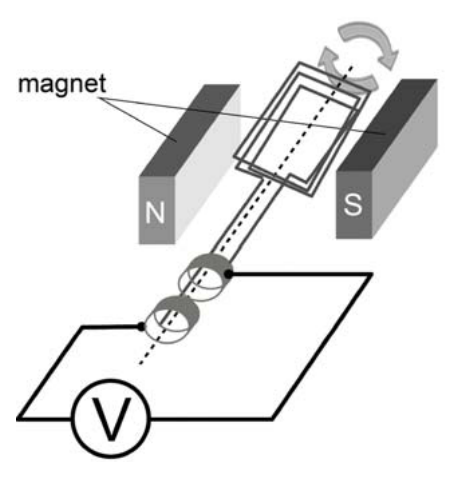
✍️ voltmeter ပြတဲ့ voltage က ε₀ = NBAω — ဒီ လေးလုံးထဲက တစ်ခုခု ပြောင်းမှ ပြောင်းတယ်။
1 — more turns (အကွင်း ပိုများ) ဆိုတော့ N ↑ ✓။
2 — thicker wire (ဝါယာ ပိုထူ) က resistance ကိုပဲ — R only — ပြောင်းတယ်။ N, B, A, ω မပြောင်းလို့ ✗။
3 — rotation speed (လှည့်နှုန်း) ပြောင်းရင် ω changes ✓။
အဖြေ D — 1 and 3 only။
👉 generator က AC ထုတ်တယ်။ AC ရဲ့ ဗို့ကို အစက charger လို ဘယ်လို ချမလဲ?
transformer — ပြောင်းနေတဲ့ flux က ဗို့ ကူးပေးတယ်
transformer (ဗို့ပြောင်းစက်) — primary 100၊ secondary 5။transformer (ဗို့ပြောင်းစက်) မှာ သံ core တစ်ခုပေါ် ကွိုင် နှစ်ခု ပတ်ထားတယ်။
ဝင်တဲ့ဘက်က primary coil (Np = 100)၊
ထွက်တဲ့ဘက်က secondary coil (Ns = 5)။
primary AC — core ထဲ changing flux။primary ထဲ AC ပေးရင် current အမြဲ အတက်အကျ ရှိလို့ core ထဲမှာ changing flux (ပြောင်းနေတဲ့ flux) ဖြစ်ပြီး core တစ်ပတ်လုံး စီးသွားတယ်။
flux က secondary ကို ဖြတ် — emf ပေါ်၊ ပဟေဠိ ဖြေပြီ!အဲဒီ flux က secondary ကို ဖြတ်လို့ Faraday's law အရ emf ပေါ်ပြီး မီးလုံး လင်းတယ်။ ဝါယာ မဆက်ဘဲ energy ကူးတာ — ပဟေဠိ ဖြေပြီ!
🤔 A transformer's primary coil is connected to a steady 12 V battery (d.c.). What is the output of the secondary coil once the current is steady?
DC က flux ကို မပြောင်းလို့ secondary မှာ emf 0။
transformer က ပြောင်းနေတဲ့ flux လိုတယ်။
DC → no change → 0 V — AC နဲ့သာ အလုပ်လုပ်။Direct Current (DC၊ တစ်ဖက်တည်း စီး) ပေးရင် flux မပြောင်းလို့ DC → no change → 0 V။ ဒါကြောင့် transformer က AC နဲ့သာ အလုပ်လုပ်တယ်။
Vs/Vp = Ns/Np။အကွင်း တစ်ကွင်းစီမှာ emf တူတူ ပေါ်လို့ voltage က အကွင်း အရေအတွက်နဲ့ အချိုးကျတယ် — Vs/Vp = Ns/Np။
👉 Vs/Vp = Ns/Np နဲ့ charger ကို တွက်ကြည့်မယ်။
✍️ Vs/Vp = Ns/Np — 230 V ကနေ 11.5 V
✍️ Vp = 230 V၊ Np = 100၊ Ns = 5 ဆို Vs ဘယ်လောက်လဲ?
Vs = Vp × NsNp = 230 × 5100
= 11.5 V။
Ns နည်း step-down transformer (ဗို့ချ စက်)၊ များ step-up။secondary အကွင်း နည်းလို့ ဗို့ ကျတဲ့ ဒီ transformer ကို step-down transformer လို့ ခေါ်တယ်။ Ns များရင် ဗို့ တက်လို့ step-up transformer။
⚠ အချိုးကို ပြောင်းပြန် ယူရင် 4600 V ဆိုတဲ့ အဖြေ မှား ✗ — ratio upside down။ “secondary အကွင်း နည်းရင် ဗို့ နည်း” နဲ့ အမြဲ စစ်ပါ။
👉 ဗို့ ကျရင် current ကော ဘာ ဖြစ်လဲ? energy အလကား ရမလား?
✍️ VpIp = VsIs — ဗို့ ကျရင် current တက်
ideal — VpIp = VsIs၊ ဗို့ တက်ရင် current ကျ။energy မဆုံးတဲ့ (ideal) transformer မှာ power in = power out — VpIp = VsIs။ ဗို့ တက်ရင် current ကျ၊ ဗို့ ကျရင် current တက်။
✍️ အပေါ်က charger ရဲ့ primary ထဲ 0.10 A ဝင်တယ်။ P = 230 × 0.10 = 23 W။
Is = 23 ကို 11.5 နဲ့ စား = 2.0 A။
ပေါင်းချိန်ခွင်လို — V ↓ ရင် I ↑။ energy အလကား မရဘူး။
eddy အပူ လျော့ဖို့ thin iron sheets — less eddy heat။လက်တွေ့မှာ core ထဲ eddy current စီးပြီး အပူ ဆုံးတယ်။ ဒါကြောင့် core ကို insulation ခံထားတဲ့ thin iron sheets (သံပြား ပါးပါး) ထပ်ပြီး လုပ်တယ် — less eddy heat။ 95–99% ကူးပေးနိုင်တယ်။
🤔 An ideal transformer steps 230 V down to 6.0 V. The secondary coil supplies 3.0 A to a lamp. What is the current in the primary coil?
VpIp = VsIs — Ip = 6.0 × 3.0 ကို 230 နဲ့ စား = 18230 ≈ 0.078 A။
115 A က အချိုးကို ပြောင်းပြန် ယူမိတာ။
ဗို့ ကျရင် current တက်တာမို့ primary current က နည်းရမယ်။
👉 လက်တွေ့ transformer မှာ energy ဘယ်လောက် ဆုံးလဲ — ဂဏန်းနဲ့ ကြည့်မယ်။
✍️ efficiency — လက်တွေ့ transformer က 100% မပေးဘူး
✍️ laptop charger ရဲ့ primary ထဲ 230 V နဲ့ 0.20 A ဝင်တယ် — Pin = 230 × 0.20 = 46 W။
secondary က 12 V နဲ့ 3.5 A ထုတ်တယ် — Pout = 12 × 3.5 = 42 W။
46 − 42 = 4 W က အပူ ဖြစ်သွားတယ်။ကျန်တဲ့ 46 − 42 = 4 W က အပူ ဖြစ်သွားတယ်။ ကွိုင် ဝါယာ ထဲမှာ I²R အပူ၊ core ထဲ eddy current အပူ နဲ့ core အပြင် ယိုထွက်ပြီး secondary ကို မဖြတ်တဲ့ flux တို့ကြောင့်ပဲ။
efficiency (ထိရောက်မှု၊ η) = PoutPin × 100% = 4246 × 100% ≈ 91%။
⚠ efficiency ပေးရင် Pout = η × Pin အရင်၊ ပြီးမှ Is။⚠ ideal ပုံသေနည်း VpIp = VsIs နဲ့ တွက်ရင် Is = 4612 ≈ 3.8 A ရမယ် — တကယ် ရတာ 3.5 A ပဲ။ efficiency ပေးထားရင် Pout = η × Pin ကို အရင် တွက်ပြီးမှ Is = PoutVs ရှာပါ။
🤔 A transformer is 80% efficient. Its primary takes 2.0 A from a 230 V supply, and its secondary supplies 23 V. What is the current in the secondary?
Pin = 230 × 2.0 = 460 W → Pout = 0.80 × 460 = 368 W → Is = 36823 = 16 A။
20 A က efficiency မေ့ပြီး ideal လို တွက်မိတာ၊ 25 A က 0.80 နဲ့ မြှောက်ရမှာ စားမိတာ။
👉 ဓာတ်အားလိုင်းကြီးတွေမှာ ဗို့ကို 230 kV အထိ ဘာလို့ မြှင့်ပို့လဲ?
ဓာတ်အားလိုင်း — ဗို့ မြင့်ရင် current နည်း
ဓာတ်အားပေး စက်ရုံက generator တွေက 11 kV (11 000 V) လောက် ထုတ်တယ်။
step-up နဲ့ 230 kV အထိ မြှင့် (up)။မြို့ကို မပို့ခင် step-up transformer (up) နဲ့ 230 kV အထိ မြှင့်လိုက်တယ်။
small I — little I²R heat။လိုင်း ရှည်ကြီးတွေမှာ small I (current နည်းနည်း) ပဲ စီးလို့ little I²R heat — လိုင်းမှာ ပူပြီး ဆုံးတာ နည်းတယ်။
step-down နဲ့ 230 V ပြန်ချ — AC သုံးရတဲ့ အကြောင်း။အိမ်နား ရောက်မှ step-down transformer (down) တွေနဲ့ အဆင့်ဆင့် ချပြီး 230 V ပြန်ရတယ်။ transformer နဲ့ ဗို့ အတက်အကျ လုပ်လို့ ရတာက AC သုံးရတဲ့ အဓိက အကြောင်းပဲ။
ဘာလို့ မြှင့်လဲ? V ↑ → I ↓၊
I²R အများကြီး နည်း။ဘာလို့ မြှင့်လဲ? power P = VI တူတူ ပို့ရင် V ↑ → I ↓။
လိုင်း အပူက I²R ဆိုတော့ I နည်းလေ အဆပေါင်းများစွာ နည်းလေ။
👉 ဂဏန်းနဲ့ နှိုင်းယှဉ်ကြည့်မယ်။
✍️ 800 W နဲ့ 0.08 W — ဗို့ မြင့်ရင် ဆုံးရှုံးမှု နည်း
✍️ power 10 kW ကို resistance 0.50 Ω ရှိတဲ့ လိုင်းနဲ့ ပို့မယ်။
250 V နဲ့ ပို့ရင် I = 10 000 ကို 250 နဲ့ စား = 40 A။
လိုင်း အပူ I²R = 40² × 0.50 = 800 W — ပို့တဲ့ power ရဲ့ 8% အလကား ပူသွားတယ်။
25 000 V နဲ့ ပို့ရင် I = 0.40 A ပဲ။
I²R = 0.40² × 0.50 = 0.08 W — မရှိသလောက်ပဲ။
ဗို့ 100 ဆ — current 1100၊ ဆုံးရှုံးမှု 110 000။ဗို့ 100 ဆ မြှင့်တော့ current 100 ပုံ 1၊ ဆုံးရှုံးမှု 10 000 ပုံ 1 ကျသွားတယ်။
⚠ V²R မသုံးနဲ့ — လိုင်းထဲ I နဲ့ I²R ကိုပဲ သုံး။⚠ “ဗို့ မြင့်ရင် V²R နဲ့ ဆုံးရှုံးမှု များမယ်” လို့ မထင်ပါနဲ့ — ပို့တဲ့ V က လိုင်းပေါ် ကျတဲ့ ဗို့ မဟုတ်ဘူး။ လိုင်းထဲ စီးတဲ့ I နဲ့ I²R ကိုပဲ သုံးပါ။
🤔 The same power is sent along the same transmission line, but the transmission voltage is doubled. By what factor does the power lost as heat in the line change?
P = VI တူတော့ V နှစ်ဆ → I တစ်ဝက်။
I²R မှာ (12)² = 14 — လေးပုံ တစ်ပုံ။
four times larger က V²R ကို ပို့တဲ့ V နဲ့ တွက်မိတာ။
👉 သင်ခန်းစာ တစ်ခုလုံး ပြီးပြီ — ဘယ်စည်းကမ်း ဘယ်အခါ သုံးလဲ ပြန်စစ်မယ်။
🔁 ပြန်ကြည့်မယ် — PART 4
🤔 As a d.c. motor speeds up from rest, the current in its coil…
လည်လေ back emf ε ကြီးလေ — I = V − εR ဆိုတော့ current နည်းလာတယ်။
ε က V ထက် နည်းနေလို့ 0 အထိ မကျဘူး။
🤔 For a transformer, Vs/Vp equals…
Vs/Vp = Ns/Np။
current ကတော့ ပြောင်းပြန် — Is/Ip = Np/Ns။
🤔 The efficiency of a transformer is…
η = PoutPin × 100% — ဆုံးရှုံးမှု ရှိလို့ 100% ထက် အမြဲ နည်းတယ်။
🤔 Which rule gives the direction of the induced current in a wire moved through a field?
ရွေ့ → current (generator) — ညာလက်။
🤔 Which rule gives the direction of the field around a straight current-carrying wire?
လက်မ current၊ ကွေးထားတဲ့ လက်ချောင်း field — right-hand grip rule။
🤔 Which rule gives the direction of the force on a current in a motor?
current → ရွေ့ (motor) — ဘယ်လက် F-B-I။
👤 လူပုဂ္ဂိုလ်များ
1820 Ørsted — current က compass အပ်ကို လှည့်တာ တွေ့ပြီး current က magnetic field ဖြစ်စေကြောင်း ပြခဲ့တယ်။
1820s Ampère — current နှစ်ခုကြား force ကို တိုင်းခဲ့တယ်၊ current ယူနစ် ampere က သူ့ နာမည်။
1831 Faraday — magnet ရွေ့ရင် battery မပါဘဲ current စီးတာ (induction) ကို တွေ့ခဲ့တယ်။
1834 Lenz — induced current က သူ့ကို ဖြစ်စေတဲ့ ပြောင်းလဲမှုကို ဆန့်ကျင်တယ်။
1879 Hall — field ထဲက ကြေးပြား ဘေး နှစ်ဖက်ကြား voltage (Hall voltage) ကို တွေ့ခဲ့တယ်။