Geometry
ပီဇာ ကြီး တစ်ချပ်နဲ့ အသေး နှစ်ချပ် — ဘယ်ဟာ ပိုစားရလဲ? ထောင့်၊ polygon၊ area၊ circle၊ Pythagoras၊ ပုံ ရွှေ့/ချဲ့ခြင်း၊ volume၊ circle သီအိုရီ နဲ့ locus ကို ပုံဆွဲပြီး တစ်ဆင့်ချင်း သွားမယ်။
Angles and polygons
ထောင့်နဲ့ polygon
ပီဇာ ကြီး တစ်ချပ်လား၊ အသေး နှစ်ချပ်လား?
စျေးတူ ရွေးခွင့် နှစ်ခု — ပထမ: အချင်း 30 cm တစ်ချပ်။ပီဇာဆိုင်မှာ စျေး တူတူ နဲ့ ရွေးခွင့် နှစ်ခု ရှိတယ်။ ပထမ — အချင်း 30 cm ပီဇာ တစ်ချပ်။
ဒုတိယ — အချင်း 20 cm ပီဇာ နှစ်ချပ်။ စျေးက အတူတူပဲ။
20 + 20 = 40 က 30 ထက် များတယ်။ ဒါကြောင့် နှစ်ချပ်က ပိုရမယ် ထင်လား?
ပီဇာက area (ဧရိယာ) ကို စားတာ — PART 2 မှာ ဖြေမယ်။ပီဇာ စားရတာ အချင်းကို စားတာ မဟုတ်ဘူး၊ မျက်နှာပြင် — area (ဧရိယာ) ကို စားတာ။ အဖြေက သင် ထင်တာနဲ့ ကွာနိုင်တယ်။ PART 2 မှာ ဖြေမယ်။
ဒီနေ့: ထောင့်၊ area၊ Pythagoras၊ volume တွက်မယ်။ဒီ သင်ခန်းစာ ဆုံးရင် ထောင့် (angles)၊ area၊ Pythagoras နဲ့ volume (ထုထည်) ကို calculator မပါဘဲ တွက်တတ်မယ်။ IMAT ပုစ္ဆာ 20 ကျော်ကို ဖြေနိုင်မယ်။
👉 ပုံတိုင်းရဲ့ အခြေခံ — ထောင့် ကနေ စမယ်။
ဖြောင့်မျဉ်း 180°၊ တစ်ပတ် 360°၊ ကတ်ကြေး ထောင့်
တစ်ပတ် 360°၊ ဖြောင့်မျဉ်း 180°။တစ်ပတ် အပြည့် လှည့်ရင် 360°။ ဖြောင့်မျဉ်း တစ်ကြောင်းက တစ်ပတ်ရဲ့ တစ်ဝက် — 180°။
50° + 130° = 180° — angles on a straight line။ဖြောင့်မျဉ်းပေါ်က အမှတ် တစ်ခုကနေ မျဉ်း တစ်ကြောင်း ထွက်သွားရင် ထောင့် နှစ်ခု ကွဲတယ်။ 50° နဲ့ 130° — ပေါင်းရင် 180° ပဲ။ ဒါကို angles on a straight line လို့ ခေါ်တယ်။
အမှတ်ပတ်လည် = 360° — angles around a point။အမှတ် တစ်ခုကို ပတ်ပတ်လည် ဝိုင်းထားတဲ့ ထောင့်တွေကတော့ တစ်ပတ် အပြည့် — 90 + 80 + 100 + 90 = 360°။ angles around a point လို့ ခေါ်တယ်။
ကတ်ကြေးလို ဖြတ်: vertically opposite angles တူ။မျဉ်း နှစ်ကြောင်း ကတ်ကြေးလို ဖြတ်ဆုံရင် မျက်နှာချင်းဆိုင် ထောင့် နှစ်ခု (50° နဲ့ 50°) တူတယ်။ vertically opposite angles (မျက်နှာချင်းဆိုင် ထောင့်များ) လို့ ခေါ်တယ်။
ဘာလို့လဲ? နှစ်ခုလုံး 130° နဲ့ ပေါင်း 180° — 50°။ဘာလို့ တူလဲ? ဘယ်ဘက် 50° နဲ့ အပေါ် 130° က ဖြောင့်မျဉ်းပေါ် ပေါင်း 180°။ ညာဘက် ထောင့်လည်း အပေါ် 130° နဲ့ ပေါင်း 180° ဖြစ်ရလို့ 50° ပဲ ဖြစ်ရမယ်။
🤔 Two straight lines cross. One of the four angles is 70°. What are the other three angles?
70° ရဲ့ မျက်နှာချင်း ထောင့်က 70° (vertically opposite)။
ဘေးက ထောင့် နှစ်ခုက ဖြောင့်မျဉ်းပေါ်မှာ 70° နဲ့ ပေါင်း 180° ဖြစ်ရလို့ 110° စီ။
20° က 90° ထဲက နုတ်မိတာ။
👉 မျဉ်းပြိုင်ကို ဖြတ်ရင် ထောင့် ၈ ခု။👉 မျဉ်းပြိုင် နှစ်ကြောင်းကို မျဉ်း တစ်ကြောင်း ဖြတ်သွားရင်ကော? ထောင့် ၈ ခု ပေါ်လာတယ်။
မျဉ်းပြိုင် — F ထောင့်၊ Z ထောင့်
သံလမ်းလို မဆုံ = parallel (မျဉ်းပြိုင်)၊ > နဲ့ ပြ။မီးရထား သံလမ်း နှစ်ကြောင်းလို ဘယ်လောက် ဆွဲဆွဲ မဆုံတဲ့ မျဉ်းတွေကို parallel (မျဉ်းပြိုင်) လို့ ခေါ်တယ်။ ပုံမှာ မြှားလေး (>) နဲ့ အမှတ်အသား ပြတယ်။
လမ်းစောင်း ဖြတ် — ဆုံမှတ်တိုင်း ထောင့် ၄ ခု။သံလမ်း နှစ်ကြောင်းကို လမ်း တစ်ကြောင်း စောင်းပြီး ဖြတ်သွားတယ်။ ဆုံမှတ် နှစ်ခုမှာ ထောင့် ၄ ခုစီ ပေါ်လာတယ်။
F ပုံ: corresponding angles (နေရာတူ ထောင့်) တူ။အောက် ဆုံမှတ်က 60° ကို ဖြတ်မျဉ်း အတိုင်း အပေါ်ကို လျှောတင်ကြည့်ပါ — အပေါ် ဆုံမှတ်မှာ ကွက်တိ ထပ်တယ်။ F ပုံ ထဲက ဒီ ထောင့် နှစ်ခု တူတယ်။ corresponding angles (နေရာတူ ထောင့်များ)။
Z ပုံ: alternate angles (တစ်ဖက်တစ်ချက် ထောင့်) တူ။Z ပုံ ထဲက ထောင့် နှစ်ခုလည်း တူတယ် — အပေါ်က ဘယ်ဘက်အောက်ထောင့် နဲ့ အောက်က ညာဘက်အပေါ်ထောင့်။ alternate angles (တစ်ဖက်တစ်ချက် ထောင့်များ) လို့ ခေါ်တယ်။
vertically opposite ကြောင့် 60° — မျဉ်းပြိုင် ရှိမှ။ဘာလို့လဲ? အပေါ် Z ထောင့်က F ထောင့် 60° နဲ့ vertically opposite ဖြစ်လို့ 60° ပဲ။ ဒီ စည်းမျဉ်း နှစ်ခုက မျဉ်းပြိုင် ရှိမှ မှန်တယ်။
🤔 Two parallel lines are cut by a third line. One of the two alternate angles is 65°. What is the other?
Z ပုံ alternate angles တူလို့ 65°။
115° က ဖြောင့်မျဉ်းပေါ် ဘေးထောင့် (180° − 65°)၊ 25° က 90° ထဲက နုတ်မိတာ။
👉 Z ထောင့်နဲ့ triangle ထောင့် ၃ ခု သက်သေပြမယ်။👉 ဒီ Z ထောင့်နဲ့ triangle (တြိဂံ) ထောင့် ၃ ခုရဲ့ လျှို့ဝှက်ချက်ကို သက်သေပြမယ်။
triangle ထောင့် ၃ ခု = 180°
စက္ကူ triangle ထောင့် a, b, c — လျှို့ဝှက်ချက် ရှိ။စက္ကူ triangle (တြိဂံ) တစ်ချပ်ရဲ့ ထောင့် ၃ ခု a, b, c ကို လိမ္မော်၊ အပြာ၊ ခရမ်း ခြယ်ထားတယ်။ triangle ဘယ်လိုပုံပဲ ဖြစ်ဖြစ် ဒီ ထောင့် ၃ ခုမှာ လျှို့ဝှက်ချက် ရှိတယ်။
ဆုတ်ပြီး ကပ်: ဖြောင့်မျဉ်း — 180°။ထောင့် ၃ ခုကို ဆုတ်ပြီး ထိပ်ချင်း ဆုံအောင် ဖြောင့်မျဉ်းပေါ် ဘေးချင်း ကပ်ကြည့်ပါ။ ကွက်တိ ဖြောင့်မျဉ်း တစ်ကြောင်း — 180° ပြည့်သွားတယ်။
ထိပ်မှာ parallel ဆွဲ — Z ကြောင့် a, b ပြန်ပေါ်။ဘာလို့လဲ? ထိပ်ကနေ အောက်ခြေနဲ့ parallel မျဉ်း ဆွဲပါ။ Z ပုံ alternate angles အရ a နဲ့ b က ထိပ်မှာ c ရဲ့ ဘေး နှစ်ဖက်မှာ ပြန်ပေါ်လာတယ်။
a + c + b = ဖြောင့်မျဉ်း = 180°။ထိပ်မှာ a, c, b သုံးခု ဖြောင့်မျဉ်း တစ်ကြောင်းပေါ် စီနေတယ်။ ဖြောင့်မျဉ်းက 180° မို့ a + b + c လည်း 180° ပဲ။
interior angles (အတွင်းထောင့်များ) ပေါင်း အမြဲ 180°။triangle အတွင်းဘက် ထောင့် ၃ ခု — interior angles (အတွင်းထောင့်များ) — ပေါင်းရင် အမြဲ 180°။ ထောင့် နှစ်ခု သိရင် တတိယကို 180° ထဲက နုတ်ရုံပဲ။
🤔 Two angles of a triangle are 50° and 70°. What is the third angle?
180° − 50° − 70° = 60°။
120° က 50° + 70° ကို အဖြေ ယူမိတာ၊ 240° က 360° ထဲက နုတ်မိတာ (triangle က 180°)။
👉 အနား ဆက်ဆွဲရင် အပြင်ထောင့် ပေါ်တယ်။👉 triangle ရဲ့ အနား တစ်ဖက်ကို ဆက်ဆွဲလိုက်ရင် အပြင်ဘက်မှာ ထောင့် တစ်ခု ထပ်ပေါ်တယ်။
✍️ triangle ရဲ့ exterior angle
triangle ရဲ့ အောက်ခြေ အနားကို B ကနေ ဆက်ဆွဲလိုက်ရင် အပြင်ဘက်မှာ ထောင့် ပေါ်တယ် — exterior angle (အပြင်ထောင့်)။ A မှာ 50°၊ C မှာ 60° သိတယ်။
① B ရဲ့ အတွင်းထောင့် = 180° − 50° − 60° = 70° (triangle စည်းမျဉ်း)
② exterior angle = 180° − 70° = 110° (ဖြောင့်မျဉ်းပေါ် ပေါင်း 180°)
110° = 50° + 60° — exterior = မကပ်တဲ့ interior ပေါင်း။110° = 50° + 60° — ကျန်တဲ့ အတွင်းထောင့် နှစ်ခု ပေါင်းနဲ့ ညီနေတယ်။ အမြဲ မှန်တယ်: exterior angle = မကပ်တဲ့ interior angle နှစ်ခု ပေါင်း။
ဘာလို့လဲ? နှစ်ဖက်လုံးက 70° ဖယ် — 50° + 60°။ဘာလို့လဲ? exterior + 70° = 180°၊ 50° + 60° + 70° လည်း 180°။ နှစ်ခုလုံးထဲက 70° ကို ဖယ်ရင် exterior = 50° + 60°။
🤔 Two angles of a triangle are 35° and 75°. What is the exterior angle at the third vertex?
exterior angle = မကပ်တဲ့ အတွင်းထောင့် နှစ်ခု ပေါင်း = 35° + 75° = 110°။
70° က တတိယ အတွင်းထောင့်၊ 145° က 180° − 35°၊ 105° က 180° − 75°။
👉 အနား နှစ်ခု တူတဲ့ triangle မှာ ထောင့်တွေ ဘာဖြစ်မလဲ?
isosceles triangle — ခေါက်ကြည့်ရင် အောက်ထောင့် နှစ်ခု တူ
အနား နှစ်ခု တူ = isosceles triangle (နှစ်နားညီ တြိဂံ)အနား နှစ်ခု အရှည် တူတဲ့ triangle ကို isosceles triangle (နှစ်နားညီ တြိဂံ) လို့ ခေါ်တယ်။ ပုံထဲက အမှတ်အသား ‘|’ တူတဲ့ အနားတွေက အရှည် တူတယ်လို့ ဆိုလိုတယ်။
အလယ်မှာ ခေါက် — ကွက်တိ ထပ်တယ်။ထိပ်ကနေ အောက်ခြေ အလယ်မှတ် M အထိ မျဉ်း ဆွဲပြီး စက္ကူကို အဲဒီ မျဉ်းမှာ ခေါက်ကြည့်မယ်။ ညာ တစ်ခြမ်းက ဘယ် တစ်ခြမ်းပေါ် ကွက်တိ ထပ်တယ် — အနား တူ၊ အောက်ခြေ တစ်ဝက်စီ တူလို့ပဲ။
အောက်ခြေ ထောင့် နှစ်ခု တူ (base angles equal)။ကွက်တိ ထပ်တော့ အောက်ခြေ ထောင့် နှစ်ခုလည်း ထပ်တယ်။ ဒါကြောင့် isosceles triangle ရဲ့ အောက်ခြေ ထောင့် နှစ်ခု တူတယ် (base angles equal)။
ပြောင်းပြန်: ထောင့်တူ → မျက်နှာချင်း အနား တူ။ပြောင်းပြန်လည်း မှန် — ထောင့် နှစ်ခု တူရင် သူတို့ရဲ့ မျက်နှာချင်း အနား နှစ်ခု တူတယ်။
✍️ ထိပ်ထောင့် 40° ဆို အောက်ခြေ ထောင့် တစ်ခုစီ = 180° − 40°2 = 70°
🤔 In an isosceles triangle one of the two equal base angles is 50°. What is the angle at the top?
အောက်ခြေ ထောင့် နှစ်ခု တူလို့ 50° + 50° = 100°၊
ထိပ်ထောင့် = 180° − 100° = 80°။
65° က 50° ကို ထိပ်ထောင့် ထင်ပြီး 180 − 502 တွက်မိတာ၊ 130° က 50° တစ်ခုပဲ နုတ်မိတာ။
👉 ခေါက်ရိုးမှာ အထူး မျဉ်း သုံးမျိုး။👉 ခေါက်ရိုး မျဉ်းမှာ အလုပ် သုံးခု တစ်ပြိုင်နက် ရှိတယ် — triangle ရဲ့ အထူး မျဉ်း သုံးမျိုး။
median၊ angle bisector၊ altitude — triangle ရဲ့ အထူး မျဉ်း သုံးမျိုး
အလယ်မှတ်ဆီ ဆွဲ = median (အလယ်မျဉ်း)triangle တိုင်းမှာ ထောင့် တစ်ခုကနေ ဆွဲလို့ရတဲ့ အထူး မျဉ်း သုံးမျိုး ရှိတယ်။ ထောင့်ကနေ မျက်နှာချင်း အနားရဲ့ အလယ်မှတ်အထိ ဆွဲတဲ့ မျဉ်းကို median (အလယ်မျဉ်း) လို့ ခေါ်တယ်။
ထောင့်ကို ခွဲ = angle bisector (ထောင့် ထက်ဝက်ပိုင်း မျဉ်း)ထောင့်ကို တစ်ဝက်စီ ညီညီ ခွဲတဲ့ မျဉ်း (အပြာ ထောင့်ကွေး နှစ်ခု တူ) ကို angle bisector (ထောင့် ထက်ဝက်ပိုင်း မျဉ်း) လို့ ခေါ်တယ်။
ထောင့်မှန် ချ = altitude (အမြင့်)၊ ရိုးရိုးမှာ ကွဲ။ထောင့်ကနေ မျက်နှာချင်း အနားကို ထောင့်မှန် ကျအောင် ချတဲ့ မျဉ်းကို altitude (အမြင့်) လို့ ခေါ်တယ်။ ရိုးရိုး triangle မှာ ဒီ သုံးကြောင်း ကွဲနေတယ်။
🤔 Which of these lines always cuts a triangle into two parts with the same area?
median က အောက်ခြေကို တစ်ဝက်စီ ညီညီ ပိုင်းတယ်။
အပိုင်း နှစ်ခုမှာ base တူ၊ အမြင့် (ထိပ်ကနေ ချတဲ့ altitude) လည်း တူလို့ area တူတယ်။
altitude နဲ့ angle bisector က အောက်ခြေကို မညီ ပိုင်းတယ်။
median က area တူ နှစ်ပိုင်း ခွဲတယ်။median က triangle ကို area တူ နှစ်ပိုင်း ခွဲတယ် — အောက်ခြေ တစ်ဝက်စီ တူ၊ altitude (အမြင့်) တူလို့ပဲ။
isosceles မှာ သုံးခုလုံး ခေါက်ရိုး တစ်ကြောင်းတည်း။isosceles triangle မှာ ထိပ်ကနေ ဆွဲရင် သုံးခုလုံး မျဉ်း တစ်ကြောင်းတည်း ဖြစ်တယ် — ခုနက ခေါက်ရိုး မျဉ်းပဲ။
equilateral triangle (အနားညီ တြိဂံ): ထောင့်တိုင်း 60°။equilateral triangle (အနားညီ တြိဂံ) က အနား သုံးခုလုံး တူတဲ့ isosceles ပဲ — ထောင့် သုံးခုလုံးလည်း တူလို့ တစ်ခုစီ 60°။
👉 ငါးထောင့်၊ ခြောက်ထောင့် ပေါင်း ဘယ်လောက်လဲ?👉 triangle ထက် ထောင့် များတဲ့ ပုံ — ငါးထောင့်၊ ခြောက်ထောင့် — ဆိုရင် ထောင့် ပေါင်း ဘယ်လောက်လဲ?
polygon — ထောင့် ပေါင်း (n − 2) × 180°
ပျားအုံ hexagon — ထောင့်တိုင်း 120°၊ တွက်လို့ ရ။ပျားအုံ အကွက်တွေက ထောင့် ခြောက်ခု ပုံ — hexagon (ဆဋ္ဌဂံ)။ ထောင့် တစ်ခုစီ 120°။ ပျားတွေ ပေတံ မသုံးဘဲ ဘယ်လို ဖြစ်လဲ? ကျွန်တော်တို့ တွက်ထုတ်လို့ ရတယ်။
အနားဖြောင့် ပိတ်ပုံ = polygon (ဗဟုဂံ)၊ 5 ခု pentagon။အနား ဖြောင့်တွေနဲ့ ပိတ်ထားတဲ့ ပုံကို polygon (ဗဟုဂံ) လို့ ခေါ်တယ်။ ဒီမှာ အနား 5 ခု — pentagon (ပဉ္စဂံ)။
ထောင့်တစ်ခုက ဆွဲ — triangle 3 ခု၊ 180° စီ။ထောင့် တစ်ခုကနေ မကပ်တဲ့ ထောင့်တွေဆီ မျဉ်း နှစ်ကြောင်း ဆွဲလိုက်ရင် pentagon က triangle 3 ခု ကွဲသွားတယ်။ တစ်ခုစီမှာ 180°။
ဒါကြောင့် pentagon ရဲ့ interior angles ပေါင်း = 3 × 180° = 540°။
n ခု → triangle (n − 2) — ပေါင်း (n − 2) × 180°။အနား n ခု ဆိုရင် triangle (n − 2) ခု ကွဲတယ် — စတဲ့ ထောင့်နဲ့ သူ့ ဘေး နှစ်ဖက်က triangle တစ်ခုစီ မျှပဲ ယူလို့။ interior angles ပေါင်း = (n − 2) × 180°။
ပျားအုံ hexagon မှာ n = 6 — (6 − 2) × 180° = 720°။
ထောင့် ၆ ခုလုံး တူရင် တစ်ခုစီ = 720°6 = 120°။ ပျားအုံ ပဟေဠိ ဖြေပြီ။
⚠ ထောင့်အားလုံး တူမှ n နဲ့ စားရ။⚠ (n − 2) × 180° က ထောင့် အားလုံး ပေါင်း။ ထောင့် တစ်ခုကို လိုချင်ရင် ထောင့်တွေ အားလုံး တူမှသာ n နဲ့ စားလို့ ရတယ်။
🤔 What is the sum of the interior angles of an octagon (8 sides)?
(8 − 2) × 180° = 6 × 180° = 1080°။
1440° က 8 × 180° (2 ကို မနုတ်မိ)၊ 900° က heptagon (7 ခု)၊ 360° က quadrilateral။
👉 အပြင်က ပတ်လျှောက်ရင် ပိုလွယ်တဲ့ စည်းမျဉ်း။👉 ပုံရဲ့ အပြင်ဘက်ကနေ လမ်းလျှောက် ပတ်ကြည့်ရင် ပိုလွယ်တဲ့ စည်းမျဉ်း တစ်ခု ထွက်လာတယ်။
လိပ် လမ်းလျှောက် — exterior angles ပေါင်း 360°
လိပ်လေး pentagon ပတ်လျှောက် — ထောင့်တိုင်း လှည့်။လိပ်လေး တစ်ကောင် pentagon ရဲ့ အနား တစ်လျှောက် လမ်းလျှောက်တယ်။ ထောင့် တစ်ခု ရောက်တိုင်း လှည့်ရတယ်။
လှည့်ရတဲ့ ထောင့် = exterior angle (အပြင်ထောင့်)ဖြောင့်ဖြောင့် ဆက်သွားရမယ့် မျဉ်း (အစက်) နဲ့ နောက် အနားကြား ထောင့် — လှည့်ရတဲ့ ထောင့် — ကို exterior angle (အပြင်ထောင့်) လို့ ခေါ်တယ်။
၅ ခါ လှည့်ပြီး မူလ ဦးတည်ရာ ပြန်ရောက်။ထောင့် ၅ ခုမှာ ၅ ခါ လှည့်ပြီး စထွက်တဲ့ နေရာ ပြန်ရောက်တော့ မူလ ဦးတည်ရာကို ပြန်မျက်နှာမူတယ်။
exterior angles ပေါင်း အမြဲ 360°။လှည့်ခဲ့တာ အားလုံး ပေါင်းရင် တစ်ပတ် အပြည့် — 360°။ polygon ဘယ်နှထောင့်ပဲ ဖြစ်ဖြစ် exterior angles ပေါင်း အမြဲ 360°။
regular polygon (ညီညာ ဗဟုဂံ): pentagon 360°5 = 72°။အနားတွေ အားလုံး တူ၊ ထောင့်တွေ အားလုံး တူတဲ့ ပုံကို regular polygon (ညီညာ ဗဟုဂံ) လို့ ခေါ်တယ်။ regular pentagon ရဲ့ exterior angle တစ်ခု = 360°5 = 72°။
interior = 180° − 72° = 108° ✓။ထောင့် တစ်ခုချင်းမှာ interior + exterior = 180° (ဖြောင့်မျဉ်း)။ ဒါကြောင့် interior = 180° − 72° = 108°။ (5 − 2) × 180°5 = 108° နဲ့ ကိုက်တယ်။
🤔 What is the sum of the exterior angles of a regular 12-sided polygon?
polygon တိုင်းရဲ့ exterior angles ပေါင်း 360° (တစ်ပတ်)။
1800° က interior ပေါင်း (10 × 180°)၊ 30° က exterior တစ်ခု၊ 150° က interior တစ်ခု။
👉 ပြောင်းပြန် — exterior angle ကနေ အနား အရေအတွက်ကို ရှာကြည့်မယ်။
✍️ exterior angle ကနေ အနား အရေအတွက်
✍️ regular polygon တစ်ခုရဲ့ exterior angle တစ်ခု 24° ဆိုရင် အနား ဘယ်နှခု ရှိလဲ?
① exterior ပေါင်း 360° မို့ n = 360°24° = 15 ခု
② interior angle တစ်ခု = 180° − 24° = 156°
စစ်: (15 − 2) × 180°15 = 2340°15 = 156° ✓
⚠ 360° ကို interior နဲ့ မစားရ — exterior ပဲ။⚠ 360° ကို interior angle (156°) နဲ့ စားတာ မှားတယ်။ 360° စည်းမျဉ်းက exterior angles အတွက်ပဲ။
🤔 Each interior angle of a regular polygon is 140°. How many sides does it have?
exterior = 180° − 140° = 40°၊
n = 360°40° = 9။
စစ်: 7 × 180°9 = 140° ✓။
👉 diagonal ဘယ်နှကြောင်း — IMAT 2026။👉 polygon ထဲ ထောင့်ဖြတ်မျဉ်း ဘယ်နှကြောင်း ဆွဲလို့ ရလဲ — IMAT 2026 က မေးခဲ့တယ်။
diagonal ဘယ်နှကြောင်း?
📝 IMAT 2026 · Question 6
Which of the following is a true logical proposition?
မကပ်တဲ့ ထောင့် ဆက် = diagonal (ထောင့်ဖြတ်မျဉ်း)hexagon တစ်ခုမှာ ထောင့် 6 ခု ရှိတယ်။ မကပ်တဲ့ ထောင့် နှစ်ခုကို ဆက်တဲ့ မျဉ်းကို diagonal (ထောင့်ဖြတ်မျဉ်း) လို့ ခေါ်တယ်။
ထောင့်တစ်ခုက 6 − 3 = 3 ကြောင်း။ထောင့် တစ်ခုကနေ ကိုယ့်ကိုယ်ကို မဆွဲရ၊ ဘေးချင်းကပ် ထောင့် နှစ်ခုဆီ ဆွဲရင် အနား ဖြစ်သွားလို့ မရ။ ကျန်တာ 6 − 3 = 3 ကြောင်း။
6 × 3 = 18၊
နှစ်ခါ ရေမိလို့ ÷ 2 = 9။ထောင့် 6 ခုလုံးကနေ 3 ကြောင်းစီ ဆိုရင် 18။
ဒါပေမဲ့ diagonal တစ်ကြောင်းကို ထိပ် နှစ်ဖက်ကနေ နှစ်ခါ ရေမိလို့ 2 နဲ့ စား — 9 ကြောင်း။
ယေဘုယျ: diagonal အရေအတွက် = n(n − 3) ÷ 2။
n(n − 3) ÷ 2: hexagon 9 ✓ — အဖြေ D။ပုံ တစ်ခုချင်း ထည့်ကြည့်:
triangle 3 × 02 = 0၊
square 4 × 12 = 2၊
pentagon 5 × 22 = 5၊
hexagon 6 × 32 = 9 ✓၊
octagon 8 × 52 = 20။
အဖြေ D — hexagon has nine diagonals။
🤔 How many diagonals does a decagon (10 sides) have?
10 × (10 − 3)2 = 702 = 35။
70 က 2 နဲ့ မစားမိတာ၊ 45 က 10 × 92 (ဘေးထောင့်တွေကို မဖယ်မိ)။
👉 ထောင့် လေးခု ပုံ (quadrilateral) တွေမှာ မိသားစု တစ်ခု ရှိတယ်။
quadrilateral မိသားစု
quadrilateral မိသားစု: trapezium — ပြိုင်အနား တစ်စုံ။ထောင့် လေးခု ပုံ (quadrilateral) မှာ မိသားစု တစ်ခု ရှိတယ်။ အပြင်ဆုံးက trapezium — ပြိုင်အနား အနည်းဆုံး တစ်စုံ ရှိတယ်။
နှစ်စုံ = parallelogram (အနားပြိုင် စတုဂံ)။ပြိုင်အနား နှစ်စုံ ရှိရင် parallelogram (အနားပြိုင် စတုဂံ)။ ဒါကြောင့် parallelogram တိုင်းဟာ trapezium ထဲမှာ ပါတယ်။ မျက်နှာချင်း အနားတွေ အရှည် တူတယ်။
ထောင့် ၄ ခု 90° = rectangle။parallelogram ရဲ့ ထောင့် ၄ ခုလုံး 90° ဖြစ်ရင် rectangle (ထောင့်မှန် စတုဂံ)။
အနား ၄ ခု တူ = rhombus — 90° မလို။parallelogram ရဲ့ အနား ၄ ခုလုံး တူရင် rhombus (အနားညီ စတုဂံ)။ ထောင့်တွေ 90° ဖြစ်စရာ မလိုဘူး။
နှစ်ခုလုံး = square — rectangle တိုင်း square မဟုတ်။ထောင့်လည်း 90°၊ အနားလည်း တူ ဆိုရင် square (စတုရန်း)။ ဒါကြောင့် square တိုင်း rectangle ဖြစ်ပြီး rhombus လည်း ဖြစ်တယ်။ rectangle တိုင်း square တော့ မဟုတ်ဘူး။
🤔 Which statement is always true?
square မှာ အနား ၄ ခု တူလို့ rhombus ရဲ့ စည်းကမ်း ပြည့်တယ် — every square is a rhombus။
rhombus ထောင့်တွေ 90° ဖြစ်စရာ မလိုလို့ rhombus တိုင်း square မဟုတ်ဘူး၊ rectangle အနား မတူနိုင်။
👉 မိသားစု ဝင်တွေရဲ့ ထောင့်ဖြတ် မျဉ်း (diagonal) တွေမှာ ဘာ ကွာလဲ?
quadrilateral မိသားစုရဲ့ diagonal
parallelogram: diagonal တွေ တစ်ဝက်စီ ပိုင်း။parallelogram မှာ diagonal (ထောင့်ဖြတ် မျဉ်း) နှစ်ကြောင်းက တစ်ခုကို တစ်ခု တစ်ဝက်စီ ပိုင်းတယ် — အမှတ်အသား တူတဲ့ အပိုင်းတွေ အရှည် တူတယ်။
rectangle မှာ diagonal နှစ်ကြောင်း အရှည် တူတယ်။
square: diagonal အရှည်တူ၊ 90° ကျ။square မှာ diagonal အရှည်လည်း တူ၊ ဆုံတဲ့ နေရာမှာ ထောင့်မှန် (90°) လည်း ကျတယ်။
rhombus: diagonal 90° ကျ — ပုံသေနည်းရဲ့ သော့။rhombus မှာ diagonal တွေ ထောင့်မှန် 90° ကျပြီး တစ်ဝက်စီ ပိုင်းတယ်။ ဒီ ထောင့်မှန်က နောက် ပုံရဲ့ ပုံသေနည်းရဲ့ သော့ပဲ။
👉 rhombus ကို rectangle ထဲ ထည့်ကြည့်မယ်။
quadrilateral ရဲ့ diagonal — rhombus area = d₁d₂ ÷ 2
rhombus (အနားညီ စတုဂံ) တစ်ခု — အနား လေးခုလုံး တူတယ် (‘|’ အမှတ်အသား)။
d₁, d₂: 90° ကျပြီး တစ်ဝက်စီ ပိုင်း။ထောင့်ဖြတ် မျဉ်း (diagonal) နှစ်ကြောင်း d₁ နဲ့ d₂ ဆွဲလိုက်ရင် rhombus မှာ ထောင့်မှန် (90°) ကျပြီး တစ်ခုနဲ့ တစ်ခု တစ်ဝက်စီ ပိုင်းတယ်။
d₁ × d₂ rectangle ထဲ — triangle အဝါ 4 = အတွင်း 4။rhombus ကို d₁ × d₂ rectangle ထဲ ထည့်ကြည့်မယ်။ ထောင့် လေးခုမှာ ကျန်တဲ့ triangle အဝါ လေးခုက rhombus အတွင်းက triangle လေးခုနဲ့ တစ်ခုချင်း တူတယ်။
ဒါကြောင့် rhombus က rectangle ရဲ့ တစ်ဝက် — area = d₁ × d₂2။
kite (စွန်ပုံ စတုဂံ) လည်း ဒီ ပုံသေနည်းပဲ။kite (စွန်ပုံ စတုဂံ — ဘေးချင်းကပ် အနား နှစ်စုံ တူ) ကလည်း diagonal ထောင့်မှန် ကျလို့ ဒီ ပုံသေနည်းပဲ သုံးတယ်။
👉 ✍️ diagonal နှစ်ကြောင်း ပေးထားတဲ့ rhombus တစ်ခုကို တွက်ကြည့်မယ်။
✍️ rhombus — diagonal 6 နဲ့ 8
✍️ rhombus — diagonal 6 cm နဲ့ 8 cm
① area = 6 × 82 = 24 cm²
② တစ်ဝက်စီ 3 နဲ့ 4 က ထောင့်မှန် ကျလို့ အနား = √(3² + 4²) = 5 cm (Pythagoras၊ PART 3)
🤔 A kite has diagonals of 10 cm and 7 cm. What is its area?
kite area = d₁ × d₂2 = 10 × 72 = 35 cm²။
70 က 2 နဲ့ မစားမိတာ၊ 17 က ပေါင်းမိတာ။
👉 PART 1 ကို စစ်ကြည့်မယ်။
🔁 ပြန်ကြည့်မယ် — PART 1
🤔 Angles on a straight line are 40° and x. What is x?
ဖြောင့်မျဉ်းပေါ် ပေါင်း 180° → x = 180° − 40° = 140°။
320° က 360° ထဲက နုတ်မိတာ။
🤔 Two parallel lines are cut by a third line. One alternate (Z) angle is 72°. What is the other one?
Z ပုံ alternate angles တူတယ် — 72°။
108° က ဖြောင့်မျဉ်းပေါ် ဘေးထောင့်။
🤔 What is the sum of the interior angles of a nonagon (9 sides)?
(9 − 2) × 180° = 7 × 180° = 1260°။
1620° က 9 × 180° (2 ကို မနုတ်မိ)၊ 1080° က octagon၊ 140° က regular nonagon ရဲ့ ထောင့် တစ်ခု (1260°9)။
🤔 A regular polygon has exterior angles of 30°. How many sides does it have?
360°30° = 12။
150° က interior angle တစ်ခု။
👉 PART 2 — ပီဇာ ပဟေဠိ ဖြေဖို့ area ကို စမယ်။
Areas and circles
area နဲ့ circle
area နဲ့ perimeter — ကြွေပြား ရေတွက်ခြင်း
1 cm ကြွေပြား ဘယ်နှချပ် ဝင်လဲ?ကြမ်းခင်းကို 1 cm × 1 cm ကြွေပြား လေးတွေနဲ့ ခင်းမယ်။ ကြွေပြား ဘယ်နှချပ် ဝင်လဲ — ဒါက ကြမ်းပြင် ဖုံးထားတဲ့ နေရာ ပမာဏ။
4 × 3 = 12 — area (ဧရိယာ) 12 cm²အလျား 4 ချပ်၊ အနံ 3 တန်း — 4 × 3 = 12 ချပ်။ ဒါကို area (ဧရိယာ) လို့ ခေါ်ပြီး 12 cm² (စတုရန်း စင်တီမီတာ) လို့ ရေးတယ်။
ပတ်လျှောက် 14 cm = perimeter (ပတ်လည် အနား)ပုရွက်ဆိတ်က ကြမ်းခင်း အနား တစ်လျှောက် တစ်ပတ် လျှောက်တယ်: 4 + 3 + 4 + 3 = 14 cm။ ဒီ အပတ် အရှည်ကို perimeter (ပတ်လည် အနား) လို့ ခေါ်တယ်။
⚠ area cm²၊ perimeter cm — unit မရော။⚠ area က မျက်နှာပြင် — cm²၊ perimeter က အရှည် — cm။ unit (ယူနစ်) မရောပါနဲ့။
rectangle ရဲ့ area = အလျား × အနံ၊
perimeter = 2 × (အလျား + အနံ)။
🤔 A rectangle is 5 cm long and 2 cm wide. What are its area and its perimeter?
area = 5 × 2 = 10 cm²၊
perimeter = 2 × (5 + 2) = 14 cm။
7 cm က အနား နှစ်ဖက်ပဲ ပေါင်းမိတာ (တစ်ပတ် မပြည့်)။
👉 ကြမ်းပြင်ကို m² နဲ့၊ ကြွေပြားကို cm² နဲ့ ပေးရင် ဘယ်လို ပြောင်းမလဲ?
m² နဲ့ cm² — 100 မဟုတ်ဘဲ 10 000
အနား 1 m square — 1 m²။အနား 1 m စီ ရှိတဲ့ ကြမ်းပြင် square တစ်ကွက် — area 1 m² (စတုရန်း မီတာ)။
1 m = 100 cm — အလျား 100၊ အနံ 100။1 m = 100 cm (သင်ခန်းစာ 13 မှာ တွေ့ခဲ့တယ်)။ ပုံမှာ ကွက် တစ်ကွက်ကို 10 cm အဖြစ် ဆွဲထားပေမဲ့ အမှန်က အလျား 100 ကွက်၊ အနံ 100 တန်း ရှိတယ်။
တစ်တန်းမှာ 100 ကွက်၊ 100 တန်း။အပေါ်ဆုံး တစ်တန်းမှာတင် 1 cm² ကွက် 100 ကွက်။ အဲဒီလို တန်း 100 တန်း ရှိတယ်။
1 m² = 10 000 cm² — ⚠ 100 cm² မဟုတ်။ဒါကြောင့် 1 m² = 100 × 100 = 10 000 cm² (10⁴ cm²)။ ⚠ 100 cm² မဟုတ်ဘူး — အလျား ရော အနံ ရော 100 ဆ ဖြစ်လို့ 100² ဆ။
🤔 A tile measures 20 cm × 30 cm. How many tiles are needed to cover 6 m² exactly?
ကြွေပြား တစ်ချပ် = 600 cm²။
6 m² = 6 × 10 000 = 60 000 cm² → 60 000600 = 100 ချပ်။
10 က 1 m² = 1000 cm² လို့ ထင်မိရင် ရတာ။
👉 cm² နဲ့ mm²၊ km² နဲ့ m² လည်း ဒီ နည်းပဲ။
cm² ↔ mm²၊ km² ↔ m² — unit ကို နှစ်ထပ်
1 cm² = 10 × 10 = 100 mm²။အလားတူ 1 cm = 10 mm မို့ 1 cm² = 10 × 10 = 100 mm²။ ကွက် အဝါ တစ်ကွက်က 1 mm²။
1 km = 1000 m မို့ 1 km² = 1000 × 1000 = 10⁶ m²။
area ပြောင်းရင် k² ဆ။ပြောင်းရင် အရှည် unit ရဲ့ ဆ k ကို နှစ်ထပ် (k²) တင်ရတယ် — area မှာ အလျား ရော အနံ ရော k ဆ ဖြစ်လို့ပဲ။
✍️ အခန်း 2.5 m² ကို cm² နဲ့ → 2.5 × 10 000 = 25 000 cm²
👉 IMAT 2025: perimeter နဲ့ ratio ကနေ အလျား ရှာ။👉 IMAT 2025 က perimeter နဲ့ အချိုး (ratio) ပေးပြီး အလျားနဲ့ အနံကို ပြန်ရှာခိုင်းတယ်။
✍️ IMAT 2025 — perimeter နဲ့ အချိုး
📝 IMAT 2025 · Question 52
In a rectangle ABCD the base AB is 54 of the height BC and the perimeter is 72 cm. What are the dimensions of the rectangle?
✍️ rectangle ABCD — AB က BC ရဲ့ 54 ဆ၊ perimeter 72 cm။ AB နဲ့ BC ကို ရှာမယ်။
① 54 ဆိုတာ BC ကို အပိုင်း 4 ပိုင်း ပိုင်းရင် AB က အဲဒီ အပိုင်း 5 ပိုင်း။ အပိုင်း တစ်ပိုင်းကို k ထားရင် BC = 4k၊ AB = 5k။
② perimeter = 2 × (AB + BC) = 2(5k + 4k) = 72
③ 18k = 72 → k = 4
④ AB = 5 × 4 = 20၊ BC = 4 × 4 = 16 → အဖြေ E (စစ်: 2 × 36 = 72 ✓)
ကျန်တဲ့ အဖြေတွေ perimeter သို့ 5 : 4 မကိုက်။အခြား အဖြေတွေ စစ်ကြည့်: 10 နဲ့ 8 က perimeter 36 ပဲ၊ 12 နဲ့ 10၊ 18 နဲ့ 16၊ 20 နဲ့ 18 က 5 : 4 မဟုတ်ဘူး။
| AB | BC | AB : BC = 5 : 4? | perimeter |
|---|---|---|---|
| 10 | 8 | ✓ | 36 ✗ |
| 12 | 10 | ✗ | 44 |
| 18 | 16 | ✗ | 68 |
| 20 | 18 | ✗ | 76 |
| 20 | 16 | ✓ | 72 ✓ |
အဖြေ တစ်ခုချင်း စစ်ကြည့်ရင် အချိုး ရော perimeter ရော ကိုက်တာ 20 နဲ့ 16 တစ်ခုပဲ။
🤔 A rectangle has perimeter 50 cm and its length is 32 of its width. What are its sides?
width = 2k, length = 3k → 2(3k + 2k) = 50 → k = 5 → 15 နဲ့ 10။
30 နဲ့ 20 က 2 × ကို မေ့ပြီး 5k = 50 လို့ ယူမိတာ။
👉 rectangle area ကနေ triangle area ကို ထုတ်ယူမယ်။
triangle area — rectangle ရဲ့ တစ်ဝက်
4 × 3 rectangle — ကွက် 12။triangle (တြိဂံ) area ကို rectangle ကနေ ထုတ်ယူမယ်။ 4 × 3 rectangle မှာ ကွက် 12 ကွက်။
diagonal နဲ့ ဖြတ် — 12 × 4 × 3 = 6။diagonal (ထောင့်ဖြတ်မျဉ်း) နဲ့ ဖြတ်ရင် တူညီတဲ့ triangle နှစ်ခု — တစ်ခုက 12 ရဲ့ တစ်ဝက် = 12 × 4 × 3 = 6။
ထိပ် အလယ်ဆိုလည်း rectangle တစ်ဝက်ပဲ။ထိပ်က အလယ်ရောက်နေရင်ကော? ထိပ်ကနေ ဒေါင်လိုက် မျဉ်း ချရင် rectangle နှစ်ခု ကွဲတယ်။ triangle က တစ်ခုစီရဲ့ တစ်ဝက်စီ ယူထားလို့ စုစုပေါင်း rectangle တစ်ဝက်ပဲ — base × height ရဲ့ 12။
height (အမြင့်) base နဲ့ ထောင့်မှန် — ⚠ 5 မသုံးရ။ဒီ ဒေါင်လိုက် မျဉ်းကို height (အမြင့်) လို့ ခေါ်တယ် — base နဲ့ ထောင့်မှန် ကျရမယ်။ ⚠ စောင်းနေတဲ့ အနား (5) ကို height အဖြစ် မသုံးရ။ triangle area = 12 × base × height။
🤔 A triangle has base 10 cm and height 6 cm. What is its area?
12 × 10 × 6 = 30 cm²။
60 က 12 ကို မေ့တာ၊ 16 က ပေါင်းမိတာ။
ထောင့်ကျယ်: height က အပြင် ကျ — 12 × base × height ပဲ။ထောင့်ကျယ် triangle မှာ ထိပ်က အောက်ခြေရဲ့ အပြင်ဘက် ကျနိုင်တယ်။ အဲဒီအခါ အောက်ခြေ မျဉ်းကို ဆက်ဆွဲပြီး ထောင့်မှန် ချ — height က ပုံ အပြင်မှာ ကျပေမဲ့ area = 12 × base × height ပဲ။
🤔 A triangle has a base of 5 cm. Its top vertex lies beyond the end of the base, and its height, measured to the extended base line, is 4 cm. What is its area?
height က အောက်ခြေ မျဉ်းကို ဆက်ဆွဲထားတဲ့ နေရာမှာ ကျပေမဲ့ 12 × 5 × 4 = 10 cm²။
20 က 12 မေ့တာ။
base နဲ့ height သိရင် ထိပ် ဘယ်နေရာ ရှိရှိ area တွက်လို့ ရတယ်။
📝 IMAT 2022 Q53 → သင်ခန်းစာ 63။📝 IMAT 2022 Q53 (မျဉ်း သုံးကြောင်းကြားက triangle ဧရိယာ) က မျဉ်းရဲ့ ညီမျှခြင်း လိုလို့ သင်ခန်းစာ 63 မှာ ဖြေမယ်။
👉 parallelogram နဲ့ trapezium ကိုလည်း rectangle ကနေ ဖြတ်ကပ်ပြီး ရမယ်။
parallelogram နဲ့ trapezium — ဖြတ်ပြီး ပြန်ကပ်
parallelogram: အောက်ခြေ b၊ အမြင့် h။parallelogram (အနားပြိုင် စတုဂံ) တစ်ခု — အောက်ခြေ b နဲ့ ထောင့်မှန် အမြင့် h။
triangle လေး ရွှေ့ကပ် — rectangle: b × h။ဘယ်ဘက်စွန်းက triangle လေးကို ဖြတ်ပြီး ညာဘက် ရွှေ့ကပ်လိုက်ရင် rectangle ဖြစ်သွားတယ်။ ဒါကြောင့် parallelogram area = b × h။
ပုံမတူ area တူ = equivalent (ဧရိယာညီ ပုံ)ပုံသဏ္ဌာန် မတူပေမဲ့ area တူတဲ့ ပုံ နှစ်ခုကို equivalent (ဧရိယာညီ ပုံ) လို့ ခေါ်တယ်။ ဒီ parallelogram နဲ့ rectangle က equivalent။
trapezium မှာ ပြိုင်အနား နှစ်ခု a နဲ့ b အရှည် မတူဘူး။ အမြင့်က h။
trapezium နှစ်ခု ဇောက်ထိုးကပ် — base a + b parallelogram။trapezium အတူတူ နောက်တစ်ခုကို ဇောက်ထိုး လှည့်ပြီး ဘေးမှာ ကပ်ရင် parallelogram တစ်ခု ဖြစ်တယ်။ သူ့ base က a + b၊ area က (a + b) × h။
trapezium = တစ်ဝက်: 12(a + b)h။trapezium က အဲဒီ parallelogram ရဲ့ တစ်ဝက် — area = 12(a + b)h။ ပြိုင်အနား နှစ်ခုရဲ့ ပျမ်းမျှ × အမြင့် လို့လည်း မှတ်လို့ရတယ်။
🤔 A trapezium has parallel sides 4 cm and 10 cm and height 6 cm. What is its area?
12 × (4 + 10) × 6 = 12 × 14 × 6 = 42 cm²။
84 က 12 ကို မေ့တာ၊ 60 က အရှည်ဆုံး 10 ကိုပဲ သုံးမိတာ။
👉 ရှုပ်တဲ့ပုံ ခွဲပြီး ပေါင်း — IMAT 2018 pentagon။👉 ပုံ ရှုပ်ရင် သိတဲ့ ပုံတွေ ခွဲပြီး ပေါင်းမယ် — IMAT 2018 ရဲ့ pentagon။
✍️ IMAT 2018 — pentagon ကို ခွဲတွက်
📝 IMAT 2018 · Question 55
A pentagon has one line of symmetry. All five sides are 6 cm, and the interior angles, in anticlockwise order, are 60°, 150°, 90°, 90° and 150°.
What is the area of this pentagon?
✍️ အနား 5 ခုလုံး 6 cm၊ ထောင့်တွေ 60°, 150°, 90°, 90°, 150° — area ကို ရှာမယ်။
① ထောင့် ပေါင်း စစ်: 540° = (5 − 2) × 180° ✓ — ပုံ မှန်တယ်။
② 150° ကို 90° + 60° ခွဲကြည့်ရင် ပုံက အောက်မှာ square (စတုရန်း)၊ အပေါ်မှာ အနား 6 ညီ triangle (equilateral) ကပ်ထားတာ
③ square = 6 × 6 = 36 cm²
🤔 From a 6 cm square, an equilateral triangle of side 6 cm is cut out along one side, pointing into the square. What area is left?
square 36 ထဲက triangle (√34) × 36 = 9√3 ကို နုတ် → 36 − 9√3 cm² (≈ 20.4)။
36 + 9√3 က အိမ်ပုံ (ပေါင်း)၊ 18√3 က triangle ရဲ့ 12 မေ့တာ။
👉 အပေါ်က equilateral triangle ရဲ့ area ကို တွက်ပြီး ပေါင်းမယ်။
✍️ IMAT 2018 (ဆက်) — အပေါ်က triangle
④ အပေါ်က equilateral triangle (အနား 6) ကို ထက်ဝက် ဖြတ်ရင် အမြင့် h = 6 × sin 60° = 3√3
⑤ သင်ခန်းစာ 61 ရဲ့ ပုံသေနည်း area = (√34)s² မှာ s = 6 ထည့် — (√34) × 6² = 9√3 cm²
စစ်: 12 × base × height = 12 × 6 × 3√3 = 9√3 — အတူတူ ✓
⑥ စုစုပေါင်း = 36 + 9√3 = 9(4 + √3) cm² — 9 ကို ဘုံ ထုတ်ထားတာ → အဖြေ D
👉 ပျားအုံ hexagon ကိုလည်း triangle တွေ ခွဲပြီး တွက်လို့ ရတယ်။
regular hexagon — equilateral triangle 6 ခု
regular hexagon အနား s — triangle တွေ ခွဲတွက်မယ်။ပျားအုံ အကွက်လို regular hexagon (အနား၊ ထောင့် ညီတဲ့ ဆဋ္ဌဂံ) — အနား s။ ဒီ ပုံရဲ့ area ကို triangle တွေနဲ့ ခွဲတွက်မယ်။
ဗဟိုကနေ ထောင့် ခြောက်ခုဆီ မျဉ်း ဆွဲလိုက်ရင် triangle 6 ခု ကွဲတယ်။
ဗဟိုထောင့် 60°၊ အောက်ခြေထောင့် 60° — equilateral။ဗဟိုမှာ ထောင့်တွေ 360°6 = 60° စီ။ ဗဟိုကနေ ထောင့်တွေဆီ အကွာ တူလို့ triangle တိုင်း isosceles — အောက်ခြေ ထောင့်တွေလည်း 180° − 60°2 = 60°။ ထောင့် သုံးခုလုံး 60° မို့ equilateral၊ အနား s။
6 × (√34)s² = (3√32)s²။equilateral triangle တစ်ခုရဲ့ area (√34)s² (သင်ခန်းစာ 61) ကို 6 နဲ့ မြှောက် — regular hexagon area = (3√32)s²။
✍️ s = 4 cm: 6 × (√34) × 16 = 6 × 4√3 = 24√3 cm²
ဗဟိုကနေ ထောင့်အထိ = s — circle radius = s။ဘေး မှတ်စရာ — hexagon ရဲ့ ဗဟိုကနေ ထောင့်အထိ အကွာက အနား s နဲ့ တူတယ်။ circle ထဲ ထည့်ဆွဲရင် radius = s ပဲ။
🤔 A regular hexagon has sides of 6 cm. What is its area?
triangle တစ်ခု (√34) × 36 = 9√3၊ 6 ခု → 54√3 cm²။
9√3 က triangle တစ်ခုပဲ၊ 27√3 က 3 ခုပဲ ယူမိတာ (တစ်ဝက်)။
👉 အနားဖြောင့် ပုံတွေ ပြီးပြီ။ ပီဇာလို အဝိုင်း ဆိုရင်ကော?
circle — ပတ်လည် 2πr၊ area πr²
radius r၊ diameter d = 2r။circle (စက်ဝိုင်း) ရဲ့ ဗဟိုကနေ အနားထိ အကွာက radius (အချင်းဝက်) r။ ဗဟိုကို ဖြတ်ပြီး တစ်ဖက်ကနေ တစ်ဖက် အထိက diameter (အချင်း) d = 2r။
ဘီး တစ်ပတ် = အချင်းရဲ့ 3.14 ဆ = π (pi)။စက်ဘီး ဘီးကို တစ်ပတ် လှိမ့်ကြည့်ပါ။ ရောက်တဲ့ အကွာက အချင်းရဲ့ 3 ဆ ကျော်ကျော် — 3.14 ဆ။ ဒီ ကိန်းကို π (pi) လို့ ခေါ်တယ်။
circumference (စက်ဝိုင်း ပတ်လည်) = πd = 2πrဒါကြောင့် circle တစ်ပတ် အရှည် — circumference (စက်ဝိုင်း ပတ်လည်) = π × d = 2πr။
ပီဇာ 8 စိတ် စီ — rectangle နီးပါး: r နဲ့ πr။area ကော? ပီဇာကို 8 စိတ် ခွဲပြီး တစ်စိတ် ဦးတည်၊ တစ်စိတ် ဇောက်ထိုး စီလိုက်ရင် rectangle နီးပါး ဖြစ်တယ်။ အမြင့် r၊ အလျားက ပတ်လည်ရဲ့ တစ်ဝက် πr။
area = πr × r = πr²။rectangle area = πr × r — circle area = πr²။ စိတ် များလေ rectangle နဲ့ ပိုတူလေ။
⚠ 2πr အရှည် (cm)၊ πr² area (cm²)။⚠ 2πr က အရှည် (cm)၊ πr² က area (cm²)။ r နောက်က ² ပါတာက area ရဲ့ လက္ခဏာ။
🤔 A circle has radius 3 cm. What are its circumference and its area?
circumference = 2π × 3 = 6π cm၊
area = π × 3² = 9π cm²။
ပထမ မှားအဖြေက နှစ်ခု လဲမိတာ၊ 3π က diameter အစား radius နဲ့ π မြှောက်မိတာ။
👉 အခု ပီဇာ ပဟေဠိကို ဖြေလို့ ရပြီ။
✍️ ပီဇာ ပဟေဠိ — အဖြေ
✍️ ပီဇာ ကြီး: အချင်း 30 cm မို့ r = 15 — area = π × 15² = 225π cm²
ပီဇာ သေး: r = 10 — တစ်ချပ် π × 10² = 100π၊ နှစ်ချပ် = 200π cm²
225π က 200π ထက် များတယ် — စျေး တူရင် ပီဇာ ကြီး တစ်ချပ်က ပို စားရတယ်။ အချင်းတွေ ပေါင်းတာက အရှည် ပိုင်းပဲ၊ area မဟုတ်ဘူး။
radius 2 ဆ → area 4 ဆ — ⚠ IMAT ထောင်ချောက်။ဘာလို့လဲ? area က r² နဲ့ ကြီးတယ်။ radius 2 ဆ ဆိုရင် area က 2 ဆ မဟုတ်ဘဲ 2² = 4 ဆ။ ⚠ IMAT ရဲ့ အကြိုက် ထောင်ချောက်။
🤔 The radius of a circle is tripled. By what factor is its area multiplied?
area က r² နဲ့ လိုက်လို့ 3² = 9 ဆ။
3 က circumference (r နဲ့ တန်းတူ)၊ 27 က volume (r³)။
👉 ပီဇာ တစ်ချပ်လုံး မဟုတ်ဘဲ တစ်စိတ်ပဲ ဆိုရင်ကော?
sector နဲ့ arc — ပီဇာ တစ်စိတ်
radius နှစ်ကြောင်းကြား ထောင့် = θ။circle ကို ဗဟိုကနေ radius နှစ်ကြောင်းနဲ့ ဖြတ်မယ်။ radius နှစ်ကြောင်းကြား ထောင့်ကို θ (theta) လို့ ခေါ်တယ်။
ပီဇာ တစ်စိတ် = sector (စက်ဝိုင်းစိတ်)ဖြတ်ယူထားတဲ့ ပီဇာ တစ်စိတ်လို အပိုင်းကို sector (စက်ဝိုင်းစိတ်) လို့ ခေါ်တယ်။
sector ရဲ့ ကွေးနေတဲ့ အစွန်းကို arc (စက်ဝိုင်း အကွေး) လို့ ခေါ်တယ်။
θ = 90° ဆိုရင် တစ်ပတ် 360° ရဲ့ 90360 = 14 — ပီဇာ လေးပုံ တစ်ပုံ။
sector area = (θ360) × πr²။ဒါကြောင့် sector area = (θ360) × πr² — circle area တစ်ခုလုံးကို အပိုင်း θ360 နဲ့ မြှောက်ရုံပဲ။
arc လည်း အတူတူ — arc = (θ360) × 2πr (ပတ်လည် တစ်ခုလုံးရဲ့ θ360)။
👆 Change θ. At what θ is the sector exactly half of the circle?
θ = 180° ဆို 180360 = 12 — semicircle (စက်ဝိုင်း တစ်ဝက်)။
radian ဆို arc = rθ၊
sector = 12r²θ။θ ကို radian နဲ့ ပေးရင် သင်ခန်းစာ 61 မှာ ထုတ်ခဲ့တဲ့ arc = rθ နဲ့ sector = 12r²θ ကို တိုက်ရိုက် သုံးပါ (ဘာလို့လဲ အဲဒီမှာ ကြည့်ပါ)။
🤔 A sector of a circle of radius 6 cm has an angle of 60°. What is its area?
(60360) × π × 6² = 16 × 36π = 6π cm²။
2π က arc အရှည် (16 × 12π)၊ 36π က circle တစ်ခုလုံး။
👉 IMAT 2022 က circle နှစ်ခုနဲ့ sector ကို ပေါင်းမေးတယ်။
✍️ IMAT 2022 — circle နှစ်ခုနဲ့ sector
📝 IMAT 2022 · Question 59
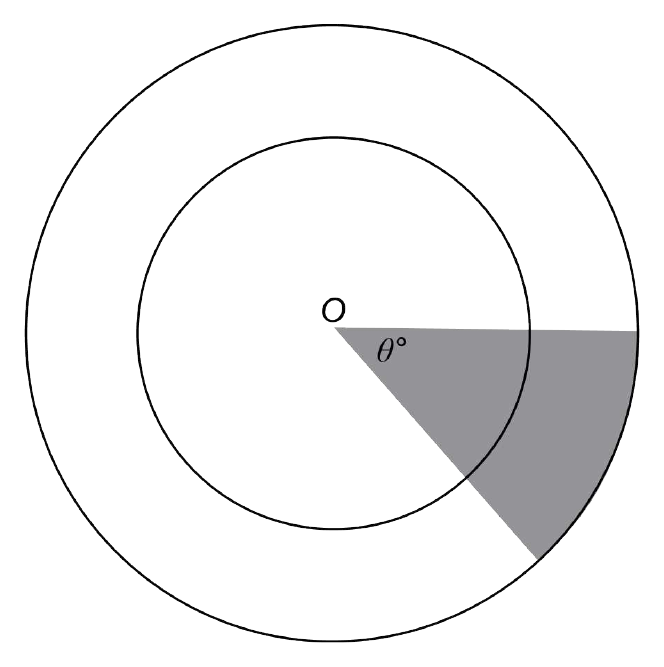
[diagram not to scale]
The diagram shows two concentric circles both with centre O. The angle of the shaded sector is θ°.
The radius of the larger circle is 50% greater than the radius of the smaller circle.
The total area of the smaller circle is 36π cm2.
The area of the shaded sector is 27π8 cm2.
What is the value of θ?
✍️ ① circle ငယ်: πr² = 36π → r² = 36 → r = 6
② radius က 50% ပိုကြီး — 6 ရဲ့ တစ်ဝက် 3 ကို ပေါင်း → R = 9
③ အရိပ်ပါတဲ့ sector က circle ကြီးထဲမှာ — circle ကြီး area = π × 9² = 81π
④ (θ360) × 81π = 27π8
⑤ θ = 27 × 3608 × 81 = 9720648 = 15° → အဖြေ A
⚠ 2212: area ကို 50% တိုးမိ၊ 30: တစ်ဝက် သုံးမိ။⚠ 2212 က radius အစား area ကို 50% တိုးမိတာ (36π × 1.5 = 54π)။ 30 က circle ကြီး area ရဲ့ တစ်ဝက် (40.5π) သုံးမိတာ။
1678: area နှစ်ဆ၊ 8 716: radius နှစ်ဆ — မှား။1678 က area ကို နှစ်ဆ (72π) လုပ်မိတာ၊ 8 716 က radius ကို 50% တိုးအစား နှစ်ဆ (R = 12၊ area 144π) လုပ်မိတာ။
| wrong answer | the mistake |
|---|---|
| 2212 | area +50% instead of radius +50%: 36π × 1.5 = 54π |
| 30 | used half of the big circle: 40.5π |
| 1678 | doubled the area: 72π |
| 8 716 | doubled the radius: R = 12, area 144π |
မှားတဲ့ အဖြေ တစ်ခုချင်းက ဘယ် အဆင့်မှာ မှားလို့ ထွက်လာလဲ။
🤔 In a circle of radius 10 cm a sector has area 25π cm². What is its angle?
(θ360) × 100π = 25π → θ360 = 14 → 90°။
👉 sector ထဲက triangle ကို နုတ်လိုက်ရင် နောက်ထပ် အပိုင်း တစ်ခု ရတယ်။
✍️ segment — sector ထဲက triangle ကို နုတ်
✍️ radius 6 cm၊ ဗဟို ထောင့် 2π3 radian (= 120°) — arc၊ sector နဲ့ segment ကို ရှာမယ်။
① arc = rθ = 6 × 2π3 = 4π cm
② sector = 12r²θ = 12 × 36 × 2π3 = 12π cm² (စစ်: 120360 × 36π = 12π ✓)
③ triangle OAB = 12 × 6 × 6 × sin 120° = 18 × √32 = 9√3 cm² (သင်ခန်းစာ 61 ရဲ့ 12ab sin C)
④ chord (ကြိုးမျဉ်း) နဲ့ arc ကြား အပိုင်း — segment = sector − triangle = 12π − 9√3 ≈ 22.1 cm²
👉 circle ထဲ square နဲ့ triangle ထည့်ရင် အရွယ်?👉 circle ထဲမှာ square နဲ့ triangle ကို ထိအောင် ထည့်ဆွဲရင် အရွယ် ဘယ်လောက်လဲ?
circle ထဲက square — diagonal = diameter
ထောင့် 4 ခု circle ပေါ် — inscribed square။ထောင့် လေးခုလုံး circle ပေါ် ကျအောင် square တစ်ခု ဆွဲမယ်။ circle ထဲ inscribed (ထဲမှာ ထိအောင် ထည့်ဆွဲ) ထားတယ်လို့ ခေါ်တယ်။
diagonal = 2r → square area = 2r²။square ရဲ့ diagonal က ဗဟိုကို ဖြတ်တယ် — circle ရဲ့ diameter 2r ပဲ။ diagonal ထောင့်မှန် ကျတာ rhombus လိုပဲ (PART 1) မို့ square area = d₁d₂ ÷ 2 = (2r)² ÷ 2 = 2r²။
✍️ radius 5 cm circle ထဲက square: diagonal 10 → area 10 × 102 = 50 cm²၊ အနား = √50 = 5√2 cm
👉 square အစား equilateral triangle ကို circle နဲ့ တွဲကြည့်မယ်။
equilateral triangle — circumcircle နဲ့ incircle
equilateral အနား s — median ဆုံရာ O။အနား s ရှိတဲ့ equilateral triangle။ median (PART 1) သုံးကြောင်း ဆုံတဲ့ ဗဟို O ကို ဆွဲမယ်။
circumcircle (အပြင် ပတ် circle): radius R = O ကနေ ထောင့်။ထောင့် သုံးခုလုံးကို ဖြတ်တဲ့ circle (circumcircle — အပြင်ဘက် ပတ် circle) ရဲ့ radius R က O ကနေ ထောင့်အထိ။
incircle (အတွင်း circle): radius r = O ကနေ အနား။အနား သုံးခုလုံးကို ထိရုံ ထိတဲ့ circle (incircle — အတွင်း circle) ရဲ့ radius r က O ကနေ အနားအထိ ထောင့်မှန် အကွာ။
O က 2 : 1 ပိုင်း —
R = s√3၊
R = 2r။median ရဲ့ အရှည် = အမြင့် (√32)s။
O က median ကို 2 : 1 ပိုင်းတယ် — ထောင့်ဘက်က 2 ပိုင်း။ ဒါကြောင့် R = 23 × (√32)s = s√3၊ r = 13 × (√32)s = s2√3 — R က r ရဲ့ 2 ဆ။
✍️ s = 6: R = 6√3 = 2√3 ≈ 3.46၊ r = 62√3 = √3 ≈ 1.73
🤔 An equilateral triangle has sides of 12 cm. What is the radius of the circle inscribed in it?
r = s2√3 = 122√3 = 6√3 = 2√3 cm။
4√3 က R (circumcircle)၊ 6√3 က triangle ရဲ့ အမြင့်။
👉 ပုံ တစ်ခုထဲက ပုံ တစ်ခုကို နုတ်တဲ့ နည်းနဲ့ IMAT 2013 ကို ဖြေမယ်။
✍️ IMAT 2013 — triangle ထဲက quarter circle
📝 IMAT 2013 · Question 60
The diagram shows a quarter of a circle surrounded by an isosceles triangle. The radius of the circle is r.
Which one of the following expressions represents the unshaded area?
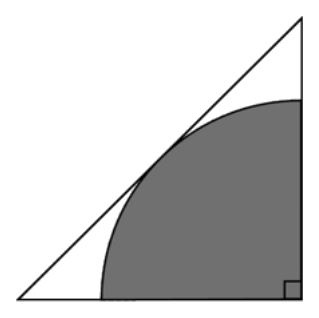
✍️ ထောင့်မှန်မှာ ဗဟို ထားတဲ့ quarter circle (စက်ဝိုင်း လေးပုံတစ်ပုံ)၊ radius r။ triangle က isosceles (အနား နှစ်ခု တူ) right triangle။
① hypotenuse က arc ကို တစ်နေရာတည်းမှာ ထိရုံ ထိတယ် — ဒီလို မျဉ်းကို tangent (ထိမျဉ်း) လို့ ခေါ်တယ်။ ထိတဲ့ အမှတ်က ထောင့်ကနေ r အကွာ၊ radius က tangent နဲ့ ထောင့်မှန် ကျတယ် — ဘာလို့လဲ အောက်က ပုံ။
tangent ပေါ်မှာ A ကလွဲပြီး ကျန် အမှတ်တိုင်း (ဥပမာ Q) က circle အပြင်မှာ — O နဲ့ radius r ထက် ဝေးတယ်။ ဒါကြောင့် A က tangent ပေါ်မှာ O နဲ့ အနီးဆုံး အမှတ်။
အမှတ် တစ်ခုကနေ မျဉ်း တစ်ကြောင်းအထိ အတိုဆုံး လမ်းက ထောင့်မှန် ကျတဲ့ လမ်း (တခြား လမ်းတိုင်းက ထောင့်မှန် triangle ရဲ့ hypotenuse ဖြစ်လို့ ပိုရှည်)။ ဒါကြောင့် radius OA ⟂ tangent။
② အဲဒီ မျဉ်းက triangle ကို 45° triangle အသေး နှစ်ခု ခွဲတယ် — တစ်ခုစီ အနား r, r။ hypotenuse = r + r = 2r
③ triangle = 12 × base × height = 12 × 2r × r = r²
④ quarter circle = πr²4
⑤ unshaded = r² − πr²4 = (1 − π4)r² → အဖြေ D။ π4 ≈ 0.79 မို့ ≈ 0.21r² — ပုံထဲ အဖြူ အပိုင်း သေးတာနဲ့ ကိုက်တယ်။
⚠ (4 − π)r² circle အပြည့် နုတ်၊ r² − πr2 unit မညီ။⚠ (4 − π)r² က အနား 2r square ထဲက circle အပြည့်ကို နုတ်တာ — ဒီပုံ မဟုတ်ဘူး။ r² − πr2 မှာ unit မညီ (r² နဲ့ r) လို့ area ဖြစ်လို့ မရဘူး။
| wrong answer | the mistake |
|---|---|
| (4 − π)r² | a square of side 2r minus a full circle: not this picture |
| r² − πr2 | r² is an area (cm²) but πr is a length (cm): the unit does not match, so it is not an area |
area ထဲက area ကိုပဲ နုတ်လို့ ရတယ်။
👉 နောက်ထပ် နုတ်ပုံ — square ထဲက semicircle ကို ဖြတ်ထုတ်တဲ့ IMAT 2011။
✍️ IMAT 2011 — square ထဲက semicircle
📝 IMAT 2011 · Question 80
A square piece of metal has a semicircular piece cut out of it as shown. The area of the remaining metal is 100 cm2.
Which of the following is a correct expression of the length of the side of the square in cm?
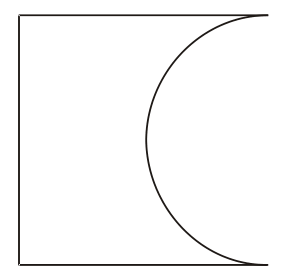
✍️ အနား s ရှိတဲ့ square သတ္တုပြားထဲက semicircle (စက်ဝိုင်း တစ်ဝက်) ကို ဖြတ်ထုတ်တယ်။ ကျန်တာ 100 cm²။ s = ?
① semicircle ရဲ့ diameter က square ရဲ့ အနား s — radius = s2
② semicircle = 12 × π × (s2)² = πs²8
③ ကျန်တာ = s² − πs²8 = s² × (8 − π)8 = 100
④ s² = 8008 − π
⑤ s = √(8008 − π) = √400 × √(28 − π) = 20√(28 − π) → အဖြေ B
⚠ circle အပြည့် နုတ်မိ၊ (8 + π) ပေါင်းမိ — မှား။⚠ 20√(14 − π) က semicircle အစား circle အပြည့် နုတ်မိတာ (s² = 4004 − π)၊ (8 + π) က နုတ်ရမှာကို ပေါင်းမိတာ။
| wrong answer | the mistake |
|---|---|
| 20√(14 − π) | took away a full circle, not a semicircle: s² = 4004 − π |
| (8 + π) | added the semicircle instead of taking it away |
semicircle ကို နုတ်ရမှာ — circle အပြည့် မဟုတ်၊ ပေါင်းတာ မဟုတ်။
👉 PART 2 ကို စစ်ကြည့်မယ်။
🔁 ပြန်ကြည့်မယ် — PART 2
🤔 A triangle has base 8 cm and height 5 cm. What is its area?
12 × 8 × 5 = 20 cm²။
40 က 12 မေ့တာ။
🤔 A trapezium has parallel sides 3 cm and 7 cm and height 4 cm. What is its area?
12 × (3 + 7) × 4 = 20 cm²။
🤔 What is the area of a circle of radius 5 cm?
πr² = 25π။
10π က circumference 2πr။
🤔 A sector has radius 4 cm and angle 90°. What is its area?
14 × π × 4² = 4π cm²။
2π က arc အရှည်။
👉 PART 3 — ထောင့်မှန် triangle ရဲ့ အနား သုံးခုကြား လျှို့ဝှက်ချက်။
Pythagoras
ထောင့်မှန် တြိဂံ — a² + b² = c²
ကား ခရီး — စထွက်တဲ့ နေရာက ဘယ်လောက် ဝေးလဲ?
ကား တစ်စီး X ကနေ ထွက်တယ်။ ပထမ အရှေ့ဘက် 5 km မောင်းတယ်။
တောင်ဘက် ချိုးပြီး 2 km။
အနောက်ဘက် 11 km ပြန်မောင်းတယ်။
နောက်ဆုံး မြောက်ဘက် 10 km။ လမ်း စုစုပေါင်း 5 + 2 + 11 + 10 = 28 km။
အနောက် 6 km၊ မြောက် 8 km ရောက်နေ။အရှေ့-အနောက်ကို နှိုင်းရင် 11 − 5 = အနောက် 6 km၊ မြောက်-တောင်ကို နှိုင်းရင် 10 − 2 = မြောက် 8 km ရောက်နေတယ်။
X နဲ့ ဖြောင့်ဖြောင့် ဘယ်လောက် ဝေးလဲ? ထောင့်မှန်ကျ။X နဲ့ ဖြောင့်ဖြောင့် ဘယ်လောက် ဝေးလဲ? အနောက် 6 နဲ့ မြောက် 8 က ထောင့်မှန် ကျနေတယ်။ right-angled triangle ရဲ့ တတိယ အနားကို ရှာရမယ်။
👉 Pythagoras (ရှေးဂရိ ပညာရှင်) သီအိုရီနဲ့ ရှာမယ်။👉 ဒီ အနားကို Pythagoras (ပိုက်သဂိုရပ်၊ ဘီစီ 570–495 ဝန်းကျင်၊ ရှေးဂရိ သင်္ချာ ပညာရှင်) ရဲ့ နာမည်ပါတဲ့ သီအိုရီနဲ့ ရှာမယ်။
Pythagoras — square သုံးခု
အရှည်ဆုံး c = hypotenuse (ထောင့်မှန်ခံ အနား)၊
a = 3၊
b = 4။right-angled triangle မှာ ထောင့်မှန်နဲ့ မျက်နှာချင်းဆိုင်တဲ့ အရှည်ဆုံး အနားကို hypotenuse (ထောင့်မှန်ခံ အနား) c လို့ ခေါ်တယ်။
ကျန် နှစ်ခုက a = 3 နဲ့ b = 4။
အနား a ပေါ်မှာ square (စတုရန်း) ဆွဲရင် ကွက် 3 × 3 = 9 ကွက်။
အနား b ပေါ်က square မှာ 4 × 4 = 16 ကွက်။
hypotenuse square = 25 ကွက် = 9 + 16။hypotenuse ပေါ်က square ကို ရေကြည့်ရင် 25 ကွက် — 9 + 16 နဲ့ ကွက်တိ ညီတယ်။
a² + b² = c² — Pythagoras' theorem (ပိုက်သဂိုရပ် သီအိုရီ)ဘယ် right-angled triangle မှာမဆို ဒီလိုပဲ — a² + b² = c²။ ဒါကို Pythagoras' theorem (ပိုက်သဂိုရပ် သီအိုရီ) လို့ ခေါ်တယ်။ သင်ခန်းစာ 61 မှာ 1-1-√2 triangle နဲ့ ကွက် ရေတွက်ပြီး တွေ့ခဲ့ပြီ။
6² + 8² = 100 → 10 km — 28 က ထောင်ချောက်။ကား ပဟေဠိ: 6-8 က 3-4 ရဲ့ နှစ်ဆ — c² = 6² + 8² = 36 + 64 = 100 → c = 10 km။ ကား မောင်းခဲ့တာ 28 km ရှိပေမဲ့ X နဲ့ ဖြောင့်ဖြောင့် အကွာ 10 km ပဲ — 28 က ထောင်ချောက်။
📝 IMAT 2017 Q57 ကားခရီး → သင်ခန်းစာ 65။📝 IMAT 2017 Q57 က ဒီလို ကားခရီး ပုစ္ဆာ မေးခဲ့တယ် — သင်ခန်းစာ 65 မှာ အပြည့် ဖြေမယ်။
🤔 The two shorter sides of a right-angled triangle are 8 cm and 15 cm. How long is the hypotenuse?
c² = 64 + 225 = 289 → c = 17 cm (8-15-17)။
23 က အနားတွေ ပေါင်းမိတာ၊ 289 က √ မယူရသေးတာ။
👉 √ ကို မြန်မြန် ယူနိုင်ဖို့ ကိန်းပြည့် အတွဲ လေးတွေ မှတ်ထားမယ်။
✍️ 3-4-5၊ 5-12-13 — ပေါင်းမယ်၊ နုတ်မယ်
✍️ အနား 5 နဲ့ 12 ဆိုရင် c² = 25 + 144 = 169 → c = 13
⚠ 5 + 12 = 17 မှား — နှစ်ထပ် ပေါင်းမှ √။⚠ အနား အရှည်တွေကို တိုက်ရိုက် ပေါင်းတာ (5 + 12 = 17) မှားတယ်။ နှစ်ထပ်တွေကို ပေါင်းပြီးမှ √ ယူရတယ်။
မှတ်ထား: 3-4-5၊ 5-12-13၊ 6-8-10။ခဏခဏ ထွက်တဲ့ ကိန်းပြည့် အတွဲ — 3-4-5၊ 5-12-13၊ 6-8-10 (3-4-5 ရဲ့ နှစ်ဆ)။ မှတ်ထားရင် အမြန် ဖြေနိုင်တယ်။
တိုတဲ့ အနား တစ်ခုကို ရှာရင် နုတ်ရတယ်: hypotenuse 10၊ အနား 6 ဆို b² = 100 − 36 = 64 → b = 8။
ပြောင်းပြန်လည်း မှန်တယ် — a² + b² = c² ဖြစ်ရင် ထောင့်မှန် triangle ပဲ။ 7, 24, 25: 49 + 576 = 625 = 25² ✓
🤔 A 13 m ladder leans against a wall with its foot 5 m from the wall. How high up the wall does it reach?
13² − 5² = 169 − 25 = 144 → 12 m (5-12-13)။
8 က 13 − 5၊ √194 က နုတ်ရမှာကို ပေါင်းမိတာ။
👉 IMAT 2016 က area ကနေ စပြီး hypotenuse ကို မေးတယ်။
✍️ IMAT 2016 — area ကနေ hypotenuse
📝 IMAT 2016 · Question 53
A right-angled triangle has an area of 18 cm². One of the two shorter sides is twice the length of the other one.
What is the length of the hypotenuse of the triangle?
✍️ ထောင့်မှန် triangle area 18 cm²၊ ထောင့်မှန်ဘေး အနား တစ်ခုက နောက်တစ်ခုရဲ့ 2 ဆ။ အနား နှစ်ခုကို x နဲ့ 2x ထားမယ်။
① area = 12 × x × 2x = x² = 18 (ထောင့်မှန် triangle မှာ ဘေးအနား နှစ်ခုက base နဲ့ height)
② c² = x² + (2x)² = x² + 4x² = 5x²
③ x² = 18 ကို တိုက်ရိုက် ထည့် — c² = 5 × 18 = 90 (x ကို ရှာစရာ မလိုဘူး)
④ c = √90 = √(9 × 10) = 3√10 cm → အဖြေ C
⚠ 12 မေ့ရင် 3√5 (E) — triangle area မှာ 12 ပါ။⚠ 12 ကို မေ့ရင် x × 2x = 18 → x² = 9 → c² = 45 → 3√5 (အဖြေ E) ရတယ်။ triangle area မှာ 12 အမြဲ ပါတယ်။
🤔 A right-angled triangle has area 24 cm² and one short side is 6 cm. How long is the hypotenuse?
12 × 6 × b = 24 → b = 8၊
c² = 36 + 64 = 100 → 10 cm။
8 က ကျန် ဘေးအနား၊ √52 က 12 မေ့ပြီး b = 4 ယူမိတာ။
👉 နှစ်ခါ သုံးရင် သေတ္တာထဲက အရှည်ဆုံး မျဉ်း။👉 Pythagoras ကို နှစ်ခါ သုံးရင် သေတ္တာ ထဲက အရှည်ဆုံး မျဉ်းကိုတောင် ရှာနိုင်တယ်။
သေတ္တာ ထဲက အရှည်ဆုံး မျဉ်း
4 × 3 × 12 သေတ္တာ — အဝေးဆုံး ထောင့်အထိ ဘယ်လောက်လဲ?အလျား 4၊ အနံ 3၊ အမြင့် 12 ရှိတဲ့ သေတ္တာ (cuboid)။ ထောင့် တစ်ခုကနေ မျက်နှာချင်း အဝေးဆုံး ထောင့်အထိ အရှည်ဆုံး မျဉ်းက ဘယ်လောက်လဲ?
① ကြမ်းပြင်ပေါ်မှာ ထောင့်ဖြတ် မျဉ်း — 3 နဲ့ 4 ရဲ့ hypotenuse = √(9 + 16) = 5။
② ဒီ 5 က ဒေါင်လိုက် အနား 12 နဲ့ ထောင့်မှန် ကျတယ် — triangle အသစ် တစ်ခု ထပ်ရတယ်။
③ အရှည်ဆုံး မျဉ်း = √(5² + 12²) = √169 = 13။
d = √(a² + b² + c²) = √169 = 13။အဆင့် နှစ်ဆင့်ကို ပေါင်းရင် d = √(a² + b² + c²) = √(9 + 16 + 144) = 13 — တိုက်ရိုက် သုံးလို့ ရတယ်။
🤔 What is the length of the longest diagonal of a cube with edges of 2 cm?
√(4 + 4 + 4) = √12 = 2√3 cm။
2√2 က မျက်နှာပြင် တစ်ခုရဲ့ diagonal ပဲ၊ 6 က အနား သုံးခု ပေါင်းမိတာ။
👉 PART 3 ကို စစ်ကြည့်မယ်။
🔁 ပြန်ကြည့်မယ် — PART 3
🤔 The two shorter sides of a right-angled triangle are 9 and 12. What is the hypotenuse?
81 + 144 = 225 → 15 (3-4-5 ရဲ့ 3 ဆ)။
🤔 The hypotenuse is 17 and one short side is 8. What is the other short side?
289 − 64 = 225 → 15။
√353 က ပေါင်းမိတာ။
🤔 Is a triangle with sides 6, 8 and 11 right-angled?
6² + 8² = 100 ≠ 11² = 121 → မဟုတ်ဘူး။
6-8-10 ဆိုမှ ထောင့်မှန်။
🤔 You walk 2 km east and then 3 km north. How far are you from the start?
√(4 + 9) = √13 km။
5 က လမ်း အရှည်။
👉 PART 4 — ပုံကို ရွှေ့၊ လှန်၊ လှည့်၊ ချဲ့မယ်။
Moving and enlarging shapes
ပုံ ရွှေ့ခြင်း၊ ချဲ့ခြင်း နဲ့ Euclid
isometry — ရွှေ့၊ လှန်၊ လှည့်
အလံပုံ — အရွယ် မပြောင်း ရွှေ့နည်း သုံးမျိုး။ဝါရောင် အလံ ပုံလေး တစ်ခု ရှိတယ်။ ပုံကို အရွယ်နဲ့ ထောင့် မပြောင်းဘဲ နေရာ ရွှေ့နည်း သုံးမျိုး ရှိတယ်။
လျှောရွှေ့ = translation (ရွှေ့ခြင်း)ပထမ — မလှည့်ဘဲ လျှောရွှေ့တာ: translation (ရွှေ့ခြင်း)။ အမှတ်တိုင်း ဦးတည်ရာ တူ၊ အကွာ တူ ရွှေ့တယ် — မျဉ်းစက်တွေ အားလုံး ပြိုင်နေတယ်။
မှန်လို လှန် = reflection (မှန်ပုံရိပ်)ဒုတိယ — မှန်ထဲ မြင်ရသလို လှန်တာ: reflection (မှန်ပုံရိပ်)။ အမှတ်တိုင်း မှန်မျဉ်းနဲ့ အကွာ တူတူ တစ်ဖက်ကို ရောက်တယ်။ အလံ ညာဘက် လှည့်ရာက ဘယ်ဘက် ဖြစ်သွားတယ်။
ဗဟိုပတ် လှည့် = rotation (လှည့်ခြင်း)တတိယ — အမှတ် တစ်ခုကို ဗဟို ထားပြီး လှည့်တာ: rotation (လှည့်ခြင်း)။ နာရီလက်တံလို ဗဟိုနဲ့ အကွာ မပြောင်းဘဲ 90° လှည့်သွားတယ်။
isometry (အရှည် တူ ရွှေ့ခြင်း) — congruent (≅)။ဒီ သုံးမျိုးမှာ အရှည်နဲ့ ထောင့် မပြောင်းလို့ isometry (အရှည် တူ ရွှေ့ခြင်း) လို့ ခေါ်တယ်။ ရလာတဲ့ ပုံက မူလပုံနဲ့ ကွက်တိ ထပ်တယ် — congruent (ထပ်တူ ≅)။
congruent စစ်ဖို့ အပိုင်း သုံးခုနဲ့ ရတယ်။triangle နှစ်ခု congruent ဖြစ်မဖြစ်ကို အပိုင်း ခြောက်ခု (အနား 3၊ ထောင့် 3) လုံး မတိုင်းဘဲ အပိုင်း သုံးခုနဲ့ စစ်လို့ ရတယ် — နောက် ပုံမှာ ကြည့်မယ်။
🤔 Which transformation does NOT always produce a figure congruent to the original?
enlargement က အရှည်တွေကို 2 ဆ လုပ်လို့ ပုံသဏ္ဌာန်ပဲ တူပြီး အရွယ် မတူဘူး — isometry မဟုတ်ဘူး။
ကျန်တာ အားလုံး isometry။
👉 ဘယ် အပိုင်း သုံးခု ဆို လုံလောက်လဲ?
congruence test ငါးမျိုး — ဘာလို့ SSA မရလဲ
congruent (ထပ်တူ) စစ်နည်း ငါးမျိုး။triangle နှစ်ခုကို အပိုင်းတိုင်း မတိုင်းဘဲ congruent (ထပ်တူ) ဖြစ်မဖြစ် စစ်နည်း ငါးမျိုး ရှိတယ်။ ပုံမှာ ‘|’ က အနား တူ၊ ထောင့်ကွေး က ထောင့် တူ ဆိုတဲ့ အမှတ်အသား။
SSS — အနား သုံးခု တူ။Side-Side-Side (SSS) — အနား သုံးခုလုံး တူရင် triangle က ပုံ တစ်မျိုးပဲ ဆောက်လို့ ရတယ်၊ ဒါကြောင့် congruent။
SAS — အနား နှစ်ခု + ကြားထောင့် တူ။Side-Angle-Side (SAS) — အနား နှစ်ခုနဲ့ သူတို့ ကြားက ထောင့် တူရင် တတိယ အနားလည်း တူရမယ်။
ASA — ထောင့် နှစ်ခု + ကြားအနား တူ။Angle-Side-Angle (ASA) — ထောင့် နှစ်ခုနဲ့ သူတို့ ကြားက အနား တူရင် congruent။
AAS — ထောင့် နှစ်ခု + အနား တစ်ခု (ASA ဖြစ်သွား)။Angle-Angle-Side (AAS) — ထောင့် နှစ်ခု တူရင် တတိယ ထောင့်လည်း တူတယ် (180° ထဲက နုတ်) — ဒါကြောင့် ကြားမှာ မရှိတဲ့ အနား တစ်ခု တူလည်း ASA ပဲ ဖြစ်သွားတယ်။
RHS — ထောင့်မှန်၊ hypotenuse၊ အနား တစ်ခု တူ။Right angle-Hypotenuse-Side (RHS) — ထောင့်မှန် triangle မှာ hypotenuse နဲ့ အနား တစ်ခု တူရင် ကျန် အနားက Pythagoras နဲ့ တူတူ ထွက်လို့ congruent။
⚠ SSA မလုံလောက် — triangle နှစ်မျိုး ရနိုင်။⚠ Side-Side-Angle (SSA — ထောင့်က အနား နှစ်ခု ကြားမှာ မဟုတ်) က မလုံလောက်ဘူး။ ဒုတိယ အနား (အနီ) က နေရာ နှစ်ခုကို လှည့်ကျနိုင်လို့ ပုံ မတူတဲ့ triangle နှစ်ခု ရတယ် (သင်ခန်းစာ 61 ရဲ့ ambiguous case)။
AAA လည်း မဟုတ် — အရွယ် ကွာနိုင် (similar)။ထောင့် သုံးခုပဲ တူရင် (Angle-Angle-Angle) လည်း congruent မဟုတ်ဘူး — ပုံသဏ္ဌာန် တူပြီး အရွယ် ကွာနိုင်တယ် (similar — PART 4 နောက်ပိုင်း)။
| short | test for a congruent triangle | why it is enough |
|---|---|---|
| SSS | Side-Side-Side | 3 sides fix one triangle only |
| SAS | Side-Angle-Side | 2 sides and the angle between them |
| ASA | Angle-Side-Angle | 2 angles and the side between them |
| AAS | Angle-Angle-Side | third angle = 180° − the other two, so it is ASA |
| RHS | Right angle-Hypotenuse-Side | right triangle: third side from Pythagoras |
| SSA ✗ | Side-Side-Angle | ambiguous case: 2 different triangles |
| AAA ✗ | Angle-Angle-Angle | similar only: same shape, size can differ |
ငါးမျိုး မှန်၊ SSA နဲ့ AAA မလုံလောက်။
🤔 Two triangles have two pairs of equal sides and one pair of equal angles, but the angle is NOT between the two sides. Must the triangles be congruent?
ထောင့်က အနား နှစ်ခု ကြားမှာ မဟုတ်လို့ SAS မဟုတ်ဘဲ SSA — ဒုတိယ အနား လှည့်ကျနိုင်တဲ့ နေရာ နှစ်ခု ရှိလို့ မသေချာဘူး။
အပိုင်း ခြောက်ခုလုံး စစ်စရာ မလို — စည်းမျဉ်း ငါးမျိုးထဲ တစ်ခု ပြည့်ရင် လုံလောက်တယ်။
👉 ဂရပ်စက္ကူပေါ်မှာ (x, y) နဲ့ ရေးရင် ရွှေ့ချက်တွေ ဘယ်လို ဖြစ်မလဲ?
✍️ (x, y) နဲ့ ရွှေ့ခြင်း
✍️ ဂရပ်စက္ကူပေါ်မှာ အမှတ် A(2, 5) — y ဝင်ရိုးမှာ reflect လုပ်ပြီး (3, −1) translation လုပ်ရင် ဘယ်ရောက်မလဲ?
(x, y): x ညာဘက် ကွက်၊ y အပေါ် ကွက်။(x, y) ဆိုတာ ဂရပ်စက္ကူပေါ်က နေရာ — x က origin (0, 0) ကနေ ညာဘက် ဘယ်နှကွက် (အနုတ်ဆို ဘယ်)၊ y က အပေါ် ဘယ်နှကွက် (အနုတ်ဆို အောက်)။ သင်ခန်းစာ 63 မှာ အပြည့် လေ့လာမယ်။
① y-axis (y ဝင်ရိုး) က မှန်ဆိုရင် အမြင့် y မပြောင်း၊ ဘယ်ညာ x ပဲ လက္ခဏာ ပြောင်းတယ်: (2, 5) → (−2, 5)
② translation (3, −1) ဆိုတာ ညာ 3၊ အောက် 1: (−2 + 3, 5 − 1) = (1, 4)
x-axis reflect (x, −y)၊ 180° (−x, −y)၊ ရွှေ့ (x + a, y + b)။တခြား စည်းမျဉ်း: x-axis မှာ reflect ရင် (x, −y)၊ origin ပတ် 180° rotation ဆိုရင် (−x, −y)၊ translation (a, b) ဆိုရင် (x + a, y + b)။
🤔 The point (4, −3) is reflected in the x-axis. Where does it go?
x-axis က မှန် — x မပြောင်း၊ y လက္ခဏာ ပြောင်း → (4, 3)။
(−4, −3) က y-axis မှာ reflect တာ၊ (−4, 3) က 180° လှည့်တာ။
👉 90° လှည့်ရင်ကော? y = x မျဉ်းကို မှန် ထားရင်ကော?
(x, y) နဲ့ 90° လှည့်ခြင်း နဲ့ y = x မှန်
A(3, 1) ကို origin ပတ် anticlockwise 90° လှည့်မယ်။အမှတ် A(3, 1) — origin ကနေ ညာ 3၊ အပေါ် 1။ ဒီ အမှတ်ကို origin ဗဟိုထားပြီး နာရီလက်တံ ပြောင်းပြန် (anticlockwise) 90° လှည့်မယ်။
ညာ 3 အပေါ် 1 → အပေါ် 3 ဘယ် 1: (−1, 3)။origin နဲ့ A ကို ဆက်တဲ့ မျဉ်းက 90° လှည့်သွားတယ်။ ‘ညာ 3၊ အပေါ် 1’ က ‘အပေါ် 3၊ ဘယ် 1’ ဖြစ်သွားလို့ အမှတ်သစ်က (−1, 3)။
anticlockwise (−y, x)၊ clockwise (y, −x)။စည်းမျဉ်း: anticlockwise 90° ဆို (x, y) → (−y, x) — နေရာ လဲပြီး ရှေ့က ကိန်းကို လက္ခဏာ ပြောင်း။ clockwise 90° ဆို (x, y) → (y, −x)။ 180° ဆို (−x, −y)။
y = x မျဉ်းမှာ reflect: (1, 3)။y = x မျဉ်း (x နဲ့ y တူတဲ့ အမှတ်တွေ — ထောင့်ဖြတ် မျဉ်းစောင်း) ကို မှန် ထားပြီး A ကို reflect လုပ်ရင် (1, 3)။
y = x: (y, x) — ⚠ 90° လှည့်တာနဲ့ မရော။စည်းမျဉ်း: y = x မှာ reflect ဆို (x, y) → (y, x) — ကိန်း နှစ်ခု နေရာ လဲရုံပဲ။ ⚠ 90° လှည့်တာနဲ့ မရောနဲ့ — လှည့်တာမှာ လက္ခဏာ တစ်ခု ပြောင်းတယ်။
🤔 The point (2, −5) is rotated 90° anticlockwise about the origin. Where does it go?
(x, y) → (−y, x): −y = −(−5) = 5၊
x = 2 → (5, 2)။
(−5, 2) က y = x မှာ reflect ပြီး လက္ခဏာ မှားမိတာ၊ (−2, 5) က 180° လှည့်တာ၊ (5, −2) က clockwise ကို ပြောင်းပြန် လုပ်မိတာ။
👉 လှည့်ပြီး မူလအတိုင်း ပြန်ဖြစ်ရင် — symmetry။👉 ပုံ တစ်ခုက မှန်ထင်တာ၊ လှည့်တာ ခံပြီးတောင် မူလပုံအတိုင်း ပြန်ဖြစ်ရင်ကော? symmetry ကို ကြည့်မယ်။
symmetry — မှန်မျဉ်း ဘယ်နှကြောင်း၊ ဘယ်နှခါ လှည့်ရင် ပြန်တူလဲ
ပြန်တူတာ = symmetry (အချိုးကျမှု)equilateral triangle နဲ့ square နှစ်ခု ရှိတယ်။ ပုံ တစ်ခုကို မှန်ထင်ရင် (သို့) လှည့်ရင် မူလပုံအတိုင်း ကွက်တိ ပြန်ဖြစ်တာကို symmetry (အချိုးကျမှု) လို့ ခေါ်တယ်။
line of symmetry (မှန်မျဉ်း) — equilateral မှာ 3။ပုံကို ခေါက်လိုက်ရင် တစ်ခြမ်းနဲ့ တစ်ခြမ်း ကွက်တိ ထပ်တဲ့ မျဉ်းကို line of symmetry (မှန်မျဉ်း) လို့ ခေါ်တယ်။ equilateral triangle မှာ ထောင့် တစ်ခုစီကနေ မျက်နှာချင်း အနား အလယ် — 3 ကြောင်း။
120° တိုင်း တူ — rotational symmetry of order 3 (အဆင့် 3)ဗဟိုမှာ လှည့်ရင် 120° ရောက်တာနဲ့ ပုံက ပြန်တူတယ် — တစ်ပတ် (360°) မှာ 3 ခါ တူတယ်။ ဒါကို rotational symmetry of order 3 (လှည့် symmetry အဆင့် 3) လို့ ခေါ်တယ်။
square: မှန်မျဉ်း 4၊ order 4 — regular n ဆို n။square မှာ မှန်မျဉ်း 4 ကြောင်း (ဒေါင်၊ အလျား၊ diagonal နှစ်ကြောင်း)၊ 90° တိုင်း ပြန်တူလို့ order 4။ regular polygon အနား n ခု ဆို မှန်မျဉ်း n ကြောင်း၊ order n။
rectangle 22၊ parallelogram 0/2၊ အိမ်ပုံ 1။rectangle (square မဟုတ်) မှာ မှန်မျဉ်း 2 ကြောင်း၊ order 2။ parallelogram မှာ မှန်မျဉ်း မရှိဘူး၊ order 2။ IMAT 2018 ရဲ့ ‘အိမ်ပုံ’ pentagon မှာ မှန်မျဉ်း 1 ကြောင်းပဲ ရှိတယ်။
| shape | lines of symmetry | rotational order |
|---|---|---|
| equilateral triangle | 3 | 3 |
| square | 4 (2 diagonal) | 4 |
| regular polygon, n sides | n | n |
| rectangle (not a square) | 2 | 2 |
| parallelogram | 0 | 2 |
| “house” pentagon (IMAT 2018) | 1 | 1 |
မှန်မျဉ်း အရေအတွက် နဲ့ လှည့် order ကို ပုံ တစ်ခုချင်း မှတ်ပါ။
🤔 How many lines of symmetry does a regular hexagon have, and what is its order of rotational symmetry?
regular polygon အနား n ခု → မှန်မျဉ်း n ကြောင်း (ထောင့်ချင်း 3 ကြောင်း + အနား အလယ်ချင်း 3 ကြောင်း) — 6 lines၊ 60° တိုင်း ပြန်တူလို့ order 6။
👉 ရွှေ့ချက် ဆက်လုပ် — IMAT 2012 ထောင့်စွန်း ခြေရာ။👉 ရွှေ့ချက် တစ်ခုပြီး တစ်ခု ဆက်လုပ်ရင် ထောင့်စွန်း တစ်ခု ဘယ်ရောက်လဲ ခြေရာခံရတဲ့ IMAT 2012 ပုစ္ဆာ။
✍️ IMAT 2012 — pentagon ထောင့်စွန်းကို ခြေရာခံ
📝 IMAT 2012 · Question 71
ABCDE is a regular pentagon. The transformation R is a rotation about the origin and maps A to B, B to C, C to D, etc. The transformation S is a reflection in the y-axis.
Which of the following sequences of transformations (performed in the order that they are listed) would NOT leave vertex D in the same position?
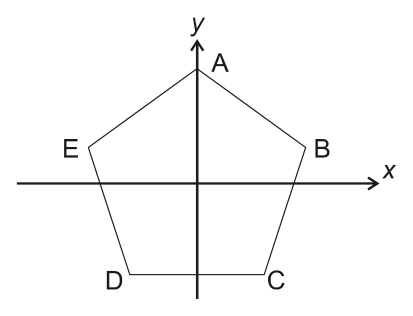
✍️ regular pentagon ABCDE ရဲ့ ဗဟိုက origin၊ A က y ဝင်ရိုးပေါ်မှာ။ ထောင့်စွန်း D ဘယ်ရောက်သွားလဲ ခြေရာခံမယ်။
① R က ထောင့်စွန်းတိုင်းကို နေရာ တစ်နေရာ ရှေ့တိုး (A→B→C…)။ S က y ဝင်ရိုး မှန်: A မပြောင်း၊ B နဲ့ E လဲ၊ C နဲ့ D လဲ။
② option E — R R S R S R ကို D ကနေ စလိုက်မယ်။
R, R: D → E → A
S: A က ဝင်ရိုးပေါ်မို့ A မှာပဲ နေတယ်
R: A → B
S: B → E၊ နောက်ဆုံး R: E → A
③ D က A နေရာ ရောက်သွားလို့ မူလ နေရာမှာ မကျန်ဘူး → အဖြေ E
ကျန်တဲ့ option တွေ D ပြန်ရောက်တယ် ✓။ကျန်တဲ့ option တွေ စစ်ရင် D ပြန်ရောက်တယ် — ဥပမာ S R: D → C → D ✓၊ R S R S: D → E → B → C → D ✓။
👉 ရွှေ့တာ မဟုတ်ဘဲ ချဲ့ရင်ကော? အရှည်၊ area၊ volume ဘယ်လို ပြောင်းလဲ?
similar — ဓာတ်ပုံ ချဲ့ခြင်း
3 × 2 cm ဓာတ်ပုံ အသေးလေး တစ်ပုံ ရှိတယ်။ ဓာတ်ပုံဆိုင်မှာ ချဲ့ခိုင်းမယ်။
6 × 4: အရှည် 2 ဆ၊ ထောင့် မပြောင်း — similar (ပုံသဏ္ဌာန်တူ)6 × 4 cm ဖြစ်လာတယ် — အရှည်တိုင်း 2 ဆ၊ ထောင့်တွေ မပြောင်း၊ တောင်က တောင်ပုံ အတိုင်းပဲ။ ဒီလို ပုံ နှစ်ခုကို similar (ပုံသဏ္ဌာန်တူ) လို့ ခေါ်တယ်။
scale factor k (ချဲ့ကိန်း) = 63 = 2။အရှည် ဘယ်နှဆ ဖြစ်လဲကို scale factor k (ချဲ့ကိန်း) လို့ ခေါ်တယ်။ ဒီမှာ k = 63 = 2။
ပုံသေး 4 ပုံ ဝင် — area k² ဆ။area ကော? ပုံကြီးထဲ ပုံသေး 4 ပုံ ကွက်တိ ဝင်တယ်။ အလျား 2 ဆ၊ အနံလည်း 2 ဆ မို့ area = 2 × 2 = k² ဆ။
အုတ်ခဲ 8 လုံး ဝင် — volume k³ ဆ။volume (ထုထည်) မှာ အလျား၊ အနံ၊ အမြင့် သုံးခုလုံး 2 ဆ — အုတ်ခဲ အသေး 8 လုံး ဝင်တယ်။ volume = k³ ဆ။ volume ရဲ့ unit cm³ ဆိုတာ အနား 1 cm အုတ်ခဲ လေး တစ်လုံးစာ (သင်ခန်းစာ 13၊ PART 5 မှာ ထပ်ကြည့်မယ်)။
⚠ 2 ဆ ဆို area 4 ဆ၊ congruent = k = 1။⚠ အရှည် 2 ဆ ဆိုရင် area 2 ဆ မဟုတ်ဘူး — 4 ဆ။ ပီဇာ ပဟေဠိလိုပဲ။ congruent ဆိုတာ k = 1 ဖြစ်တဲ့ similar ပုံပဲ။
🤔 Two similar cones have heights 3 cm and 6 cm. The smaller has volume 10 cm³. What is the volume of the larger?
k = 63 = 2၊
volume k³ = 8 ဆ → 80 cm³။
20 က k၊ 40 က k² (area) နဲ့ မှားမြှောက်တာ။
🤔 On a map with scale 1 : 50 000 a field has area 4 cm². What is its real area?
မြေပုံ 1 cm = 50 000 cm = 0.5 km။
1 cm² ကတော့ 0.5 × 0.5 = 0.25 km² (k² သုံး) → 4 × 0.25 = 1 km²။
2 km² က 4 ကို 0.5 (k) နဲ့ပဲ မြှောက်မိတာ၊ 20 m² က 4 × 50 000 cm² ပဲ ယူမိတာ (k)၊ 0.25 km² က 1 cm² စာပဲ — × 4 မေ့တာ။
👉 ပြိုင်မျဉ်း ဆွဲရင် similar triangle ပေါ်တယ်။👉 triangle ထဲမှာ ပြိုင်မျဉ်း တစ်ကြောင်း ဆွဲလိုက်ရင် similar triangle တစ်ခု ပေါ်လာတယ်။
ပြိုင်မျဉ်းက similar triangle ပေးတယ်
triangle RPQ တစ်ခု ဆွဲထားတယ်။
ထဲမှာ PQ နဲ့ parallel (ပြိုင်) ဖြစ်တဲ့ မျဉ်း ST ကို ဆွဲလိုက်မယ်။
S, P နဲ့ T, Q — corresponding angles တူ။S နဲ့ P မှာ ထောင့်တွေ F ပုံ corresponding angles မို့ တူတယ်။ T နဲ့ Q လည်း တူတယ်။ R ကတော့ နှစ်ခုလုံး ဝေမျှထားတယ်။
ထောင့် တူ — RST နဲ့ RPQ similar။ထောင့် သုံးခုလုံး တူလို့ triangle RST က triangle RPQ ကို ချုံ့ထားတာ — similar ပဲ။ triangle မှာ ထောင့် နှစ်ခု တူရင်ကို similar ဖြစ်ဖို့ လုံလောက်တယ်။
RS/RP = RT/RQ = ST/PQ = 1k။similar မို့ ကိုက်ညီတဲ့ အနားတွေရဲ့ ratio (အချိုး) အားလုံး တူတယ်: RS/RP = RT/RQ = ST/PQ — အားလုံးက 1k။
🤔 In triangle RPQ, ST is parallel to PQ with S on RP and T on RQ. RS = 3, RP = 9 and ST = 4. How long is PQ?
k = RP/RS = 93 = 3 → PQ = 3 × 4 = 12။
10 က 6 ကို ပေါင်းမိတာ (9 − 3 = 6, 4 + 6)၊ 36 က k² နဲ့ မြှောက်မိတာ (အရှည်က k ပဲ)။
👉 ထောင့် နှစ်ခု တူရင် similar — တခြား စစ်နည်းတွေကော?
similar ဖြစ်မဖြစ် စစ်နည်း — AA, SSS ratio, SAS ratio
similar စစ်နည်း 3 မျိုး — ① AA: ထောင့် နှစ်စုံ။triangle နှစ်ခု similar ဖြစ်မဖြစ် စစ်နည်း သုံးမျိုး ရှိတယ်။ ပထမ Angle-Angle (AA) — ထောင့် နှစ်စုံ တူရင် တတိယ ထောင့်လည်း တူလို့ similar (ခုနက ပြိုင်မျဉ်း ပုံ)။
② 63 = 84 = 105 = 2။ဒုတိယ — အနား သုံးစုံလုံးရဲ့ အချိုး တူရင်: 3-4-5 နဲ့ 6-8-10 မှာ 63 = 84 = 105 = 2။
SSS ratio — အချိုး တူရုံ၊ k = 2။ဒါကို SSS ratio (Side-Side-Side အချိုး) လို့ ခေါ်တယ် — similar၊ scale factor k = 2။ congruence ရဲ့ SSS မှာ အနား တူရတယ်၊ ဒီမှာ အချိုး တူရုံပဲ။
③ SAS ratio — အချိုး နှစ်စုံ + ကြားထောင့်။တတိယ SAS ratio (Side-Angle-Side အချိုး) — အနား နှစ်စုံရဲ့ အချိုး တူပြီး သူတို့ ကြားက ထောင့် တူရင် similar။
🤔 Triangle 1 has sides 2, 3 and 4. Triangle 2 has sides 4, 6 and 7. Are they similar?
SSS ratio မှာ အချိုး သုံးခုလုံး တူရမယ်: 42 = 2၊
63 = 2၊
74 = 1.75 ≠ 2 → similar မဟုတ်ဘူး။
အနား သုံးခုလုံး သိရင် ထောင့် မလိုဘူး။
👉 ✍️ SAS ratio ကို ကိန်းနဲ့ စမ်းကြည့်မယ်။
✍️ SAS ratio — 4, 6 နဲ့ 6, 9
✍️ triangle တစ်ခု — အနား 4, 6 ကြားထောင့် 50°။ နောက်တစ်ခု — အနား 6, 9 ကြားထောင့် 50°။
① 64 = 1.5၊ 96 = 1.5 — အချိုး တူ
② ကြားထောင့် နှစ်ခုလုံး 50° → SAS ratio → similar၊ k = 1.5
👉 IMAT 2021 ရဲ့ trapezium ပုစ္ဆာ ပြိုင်မျဉ်း ပုံ အတိုင်းပဲ။
✍️ IMAT 2021 — trapezium ရဲ့ perimeter
📝 IMAT 2021 · Question 55
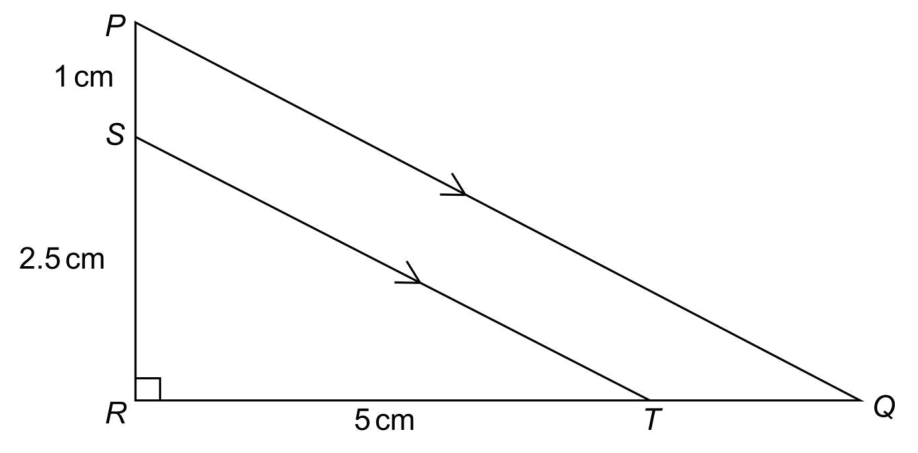
[diagram not to scale]
PQR is a right-angled triangle with angle PRQ equal to 90°.
Point S is on the side PR.
Point T is on the side RQ.
The line ST is parallel to the line PQ.
RS = 2.5 cm
PS = 1 cm
RT = 5 cm
What is the perimeter of the trapezium PQTS in cm?
✍️ ∠R = 90°၊ S က RP ပေါ်၊ T က RQ ပေါ်၊ ST ∥ PQ။ RS = 2.5၊ PS = 1၊ RT = 5 cm။ trapezium PQTS ရဲ့ perimeter?
① RP = 2.5 + 1 = 3.5၊ triangle အကြီးက အသေးရဲ့ k = 3.52.5 = 1.4 ဆ
② RQ = 1.4 × 5 = 7 → TQ = 7 − 5 = 2
③ ST ကို Pythagoras နဲ့: √(2.5² + 5²) = √31.25 = 2.5√5
④ PQ = 1.4 × 2.5√5 = 3.5√5 (similar မို့ k နဲ့ မြှောက်)
⑤ perimeter = PS + TQ + ST + PQ = 1 + 2 + 2.5√5 + 3.5√5 = 3 + 6√5
⑥ 3 ကို ဘုံထုတ် → 3(1 + 2√5) → အဖြေ B။ ⚠ trapezium perimeter မှာ RS နဲ့ RT မပါဘူး။
👉 ချဲ့ရင် perimeter နဲ့ area ကွဲကြီး — ငွေတွက် ပုစ္ဆာ။👉 similar ပုံ ချဲ့ရင် perimeter နဲ့ area ကွဲပြီး ကြီးတာကို ငွေ တွက်တဲ့ ပုစ္ဆာမှာ သုံးမယ်။
✍️ IMAT 2018 — မြက်ခင်း ကြီးရင် ဈေး ဘယ်လောက်?
📝 IMAT 2018 · Question 12
Mr and Mrs Massa’s rectangular lawn measures 10 metres by 6 metres. They pay Giovanni to cut the grass and trim the edges. Giovanni charges a fixed rate per square metre of grass to be cut and another fixed rate per metre of edge to be trimmed. For Mr and Mrs Massa’s lawn, this results in a charge of $12 to cut the grass and $8 to trim the edges. Now, Mr and Mrs Costa next door want Giovanni to do the same for them. Their lawn is also rectangular and measures 15 metres by 9 metres.
If he charges them at the same rate as the Massas, how much will Giovanni charge Mr and Mrs Costa, in total, for cutting their grass and trimming their edges?
✍️ 10 m × 6 m မြက်ခင်း — ရိတ်ခ $12 (area အလိုက်)၊ အနား ညှပ်ခ $8 (perimeter အလိုက်)
① 15 × 9 မြက်ခင်းက 10 × 6 ကို k = 1.5 နဲ့ ချဲ့ထားတဲ့ similar rectangle
② ရိတ်ခက area နဲ့ လိုက်လို့ k² = 2.25 ဆ: 12 × 2.25 = $27
③ ညှပ်ခက အနား အရှည် (perimeter) နဲ့ လိုက်လို့ k = 1.5 ဆ: 8 × 1.5 = $12
④ စုစုပေါင်း = 27 + 12 = $39 → အဖြေ C
⚠ $30 နဲ့ $45 — area နဲ့ အရှည် ခွဲမသုံးမိတာ။⚠ $30 က စုစုပေါင်း $20 ကို 1.5 နဲ့ပဲ မြှောက်မိတာ၊ $45 က 2.25 နဲ့ပဲ မြှောက်မိတာ — area နဲ့ အရှည် မတူဘူး။
| wrong answer | the mistake |
|---|---|
| $30 | multiplied the total $20 by k = 1.5 only |
| $45 | multiplied the total $20 by 2.25 only: area rule used for the edge too |
ရိတ်ခ (area) က k² ဆ၊ ညှပ်ခ (အရှည်) က k ဆ — ခွဲတွက်ရမယ်။
👉 right triangle ထဲ similar triangle သုံးခု ပုန်းနေ။👉 PART 4 ရဲ့ နောက်ဆုံး — right triangle ထဲမှာ similar triangle သုံးခု ပုန်းနေတယ်။
altitude ဆွဲလိုက်ရင် — h² = p × q
ထောင့်မှန် triangle ABC — ထောင့်မှန်က C မှာ၊ hypotenuse AB = 13။
altitude CH = h —
AB ကို p = 4၊
q = 9 ခွဲ။C ကနေ AB ပေါ်ကို ထောင့်မှန် ကျအောင် altitude (အမြင့်) CH = h ဆွဲလိုက်မယ်။
AB က AH = p = 4 နဲ့ HB = q = 9 နှစ်ပိုင်း ကွဲတယ်။
triangle အသေး နှစ်ခု — နှစ်ခုလုံး ထောင့်မှန်။အခု triangle အသေး နှစ်ခု ရှိတယ် — ဘယ်ဘက် လိမ္မော်နဲ့ ညာဘက် အပြာ။ နှစ်ခုလုံးမှာ ထောင့်မှန် ပါတယ်။
ဘေးချင်း ထား — ဘယ်ထောင့် တူလဲ?ထုတ်ပြီး ဘေးချင်း ထားကြည့်မယ်။ ဘယ် ထောင့်တွေ တူလဲ — အောက်က ပုံမှာ အရောင်နဲ့ ကြည့်ပါ။
ဘယ်ထောင့်တွေ တူလဲ ပုံမှာ အရောင်နဲ့ ကြည့်ပါ: triangle ABC မှာ ∠A + ∠B = 90°။ triangle ACH မှာလည်း ∠A နဲ့ ∠ACH ပေါင်း 90° (H မှာ 90°) — ဒါကြောင့် ∠ACH = 90° − ∠A = ∠B (အပြာ)။
အလားတူ triangle CBH မှာ ∠HCB = 90° − ∠B = ∠A (လိမ္မော်)။ triangle သုံးခုလုံး ထောင့် တူ (A, B, 90°) — AA အရ similar။
ထောင့် တူ — similar၊ မျက်နှာချင်း အနား တွဲကြည့်။ထောင့် သုံးခုစီ တူလို့ similar (ပုံသဏ္ဌာန် တူ)။ လိမ္မော် ACH မှာ ∠B ရဲ့ မျက်နှာချင်း p၊ ∠A ရဲ့ မျက်နှာချင်း h။ အပြာ CBH မှာ ∠B ရဲ့ မျက်နှာချင်း h၊ ∠A ရဲ့ မျက်နှာချင်း q။
similar မို့ ratio တူ: တိုတဲ့ အနားရှည်တဲ့ အနား — ph = hq။
ကြက်ခြေခတ် မြှောက်: h² = p × q။ကြက်ခြေခတ် မြှောက်ရင် (ညီမျှခြင်း နှစ်ဖက်လုံးကို h × q နဲ့ မြှောက်) h² = p × q။
| person | where and when | known for |
|---|---|---|
| Euclid | Alexandria (Egypt), about 300 BC | wrote the Elements, the geometry book used for 2000 years |
h² = p × q ကို Euclid’s second theorem လို့ ခေါ်တယ်။
Euclid's second theorem — Elements ရေးသူ ဂရိ ပညာရှင်။ဒါကို Euclid's second theorem လို့ ခေါ်တယ် — Euclid (ယူကလစ်၊ ဘီစီ 300 ဝန်းကျင် အီဂျစ်က Alexandria မြို့မှာ နေခဲ့တဲ့ ဂရိ သင်္ချာ ပညာရှင်၊ ဂျီဩမေတြီ စာအုပ် ‘Elements’ ကို ရေးသူ) ရဲ့ နာမည်ပါ။
ဒီမှာ h² = 4 × 9 = 36 → h = 6။
🤔 In a right triangle, the altitude to the hypotenuse divides it into parts of 2 cm and 8 cm. How long is the altitude?
h² = 2 × 8 = 16 → h = 4 cm။
16 က √ မယူရသေးတာ၊ 5 က 2 + 82။
👉 ဘေးအနား AC နဲ့ BC ကိုလည်း ဒီ နည်းနဲ့ ရှာနိုင်တယ်။
✍️ Euclid — ဘေးအနားနဲ့ altitude
✍️ ဘေးအနား AC ကို ရှာမယ်။ triangle ACH နဲ့ ကြီးတဲ့ triangle ABC — နှစ်ခုလုံးမှာ ∠A ပါပြီး ထောင့်မှန် တစ်ခုစီ ပါလို့ AA အရ similar။
① ∠A ဘေးက အနား ÷ hypotenuse ချင်း တူ: AH/AC = AC/AB (ACH ရဲ့ hypotenuse က AC၊ ABC ရဲ့ hypotenuse က AB)
② ကြက်ခြေခတ် မြှောက်: AC² = AB × AH = 13 × 4 = 52 — Euclid's first theorem (ဘေးအနား² = hypotenuse × သူနဲ့ ကပ်နေတဲ့ အပိုင်း)
AC = √52 = √(4 × 13) = 2√13
BC ဘက်ကတော့ BC နဲ့ ကပ်နေတဲ့ HB = 9 ကို သုံး: BC² = 13 × 9 = 117
စစ်: 52 + 117 = 169 = 13² — Pythagoras ပြန်ထွက်လာတယ် ✓
area ကို base AB နဲ့ height CH နဲ့: 12 × 13 × 6 = 39
12ab = 12ch → h = abc။area ကို ဘေးအနား နှစ်ခုနဲ့လည်း ရေးလို့ရတယ်: 12ab = 12ch → h = abc။ ဘေးအနား a, b နဲ့ hypotenuse c ကနေ altitude ကို တန်း ရတယ်။
⚠ ကပ်နေတဲ့ အပိုင်း ယူ — 13 × 9 မှား။⚠ ဘေးအနားနဲ့ ကပ်နေတဲ့ အပိုင်းကို ယူရမယ်။ AC² = 13 × 9 က မှား — 9 က B ဘက်မှာ။
🤔 In a right triangle the two shorter sides are 6 cm and 8 cm. How long is the altitude to the hypotenuse?
c = √(36 + 64) = 10၊
h = 6 × 810 = 4.8 cm။
5 က c ရဲ့ တစ်ဝက်၊ 2.4 က 2 နဲ့ ထပ်စားမိတာ။
👉 PART 4 ကို စစ်ကြည့်မယ်။
🔁 ပြန်ကြည့်မယ် — PART 4
🤔 The point (5, 2) is reflected in the y-axis. Where does it go?
y-axis မှန်မှာ x လက္ခဏာပဲ ပြောင်း → (−5, 2)။
🤔 Two similar triangles have areas 4 cm² and 36 cm². A side of the smaller one is 2 cm. How long is the matching side of the larger one?
area ratio 364 = 9 = k² → k = 3 → 2 × 3 = 6 cm။
18 က 9 နဲ့ တိုက်ရိုက် မြှောက်မိတာ (area ratio ကို အရှည်မှာ သုံးမိ)။
🤔 The altitude to the hypotenuse cuts it into 3 cm and 12 cm. How long is the altitude?
h² = 3 × 12 = 36 → 6 cm။
🤔 Which information is NOT enough to be sure that two triangles are congruent?
ထောင့် သုံးခု တူရုံ (AAA) က ပုံသဏ္ဌာန်ပဲ တူတယ် — အရွယ် ကွာနိုင်လို့ similar ပဲ။
ကျန်တာ SSS, SAS, RHS — congruent။
👉 PART 5 — volume၊ circle သီအိုရီ၊ locus။👉 PART 5 — ပြားချပ် ပုံတွေကနေ volume ရှိတဲ့ ပုံတွေ၊ circle သီအိုရီ နဲ့ locus ဆီ။
Solids, circle theorems and locus
အစိုင်အခဲ၊ circle သီအိုရီ နဲ့ locus
အကြွေစေ့ ထပ် — prism နဲ့ cylinder
အကြွေစေ့ မျက်နှာပြင် = base area။အကြွေစေ့ တစ်ပြားရဲ့ မျက်နှာပြင်ကို base area (အောက်ခြေ ဧရိယာ) လို့ ခေါ်မယ်။
အကြွေစေ့တွေ အထပ်ထပ် ထပ်လိုက်ရင် အမြင့် h ရှိတဲ့ တိုင် ဖြစ်လာတယ်။
base area × height — cylinder (ဆလင်ဒါ)အထပ်တိုင်းမှာ base area အတူတူ ပါလို့ volume (ထုထည်) = base area × height။ ဒီ ပုံကို cylinder (ဆလင်ဒါ) လို့ ခေါ်တယ်။
ဖြတ်ပိုင်း တူ = prism၊
V = base area × height။triangle တွေ ထပ်ရင်လည်း အတူတူပဲ။
ဖြတ်ပိုင်း တစ်လျှောက်လုံး တူတဲ့ အစိုင်အခဲကို prism လို့ ခေါ်ပြီး volume = base area × height။
cylinder ရဲ့ base က circle (πr²) မို့ V = πr²h။
👉 အရိုးရှင်းဆုံး prism — သေတ္တာ (cuboid) ကနေ စမယ်။
cuboid နဲ့ cube — volume နဲ့ မျက်နှာပြင်
cuboid (ထောင့်မှန် အစိုင်အခဲ): 4 × 3 × 2 cm။သေတ္တာ ပုံ cuboid (ထောင့်မှန် အစိုင်အခဲ) —
အလျား l = 4 cm၊
အနံ w = 3 cm၊
အမြင့် h = 2 cm။
prism တစ်မျိုးပဲ — ဖြတ်ပိုင်းက rectangle။
အုတ်ခဲ 12 × 2 = 24 — V = 24 cm³။1 cm အနား ရှိတဲ့ အုတ်ခဲ လေးတွေ (1 cm³ စီ) နဲ့ ဖြည့်ကြည့်မယ်။ အောက်ဆုံး အထပ်မှာ 4 × 3 = 12 လုံး၊ အထပ် 2 ထပ် မို့ 24 လုံး — V = l × w × h = 24 cm³ (base area × height ပဲ)။
ဖြန့်ပုံ (net) — rectangle 6 ခု၊ အတွဲ 3 တွဲ။မျက်နှာပြင် ဘယ်လောက်လဲ? သေတ္တာကို ဖြန့်ချလိုက်ရင် (net — ဖြန့်ပုံ) rectangle 6 ခု — တူတဲ့ အတွဲ သုံးတွဲ: အပေါ်/အောက် 4 × 3၊ ရှေ့/နောက် 4 × 2၊ ဘေး နှစ်ဖက် 3 × 2။
surface = 52 cm² — ⚠ volume cm³၊ surface cm²။surface area = 2(lw + lh + wh) = 2(12 + 8 + 6) = 52 cm²။ ⚠ volume က cm³ (အုတ်ခဲ အရေအတွက်)၊ surface က cm² (စက္ကူ ဖုံးရတဲ့ ပမာဏ)။
cube: V = a³၊ S = 6a²။အနား a အားလုံး တူတဲ့ cuboid က cube (အန်စာတုံး ပုံ) —
V = a³၊
မျက်နှာ 6 ခုလုံး a × a မို့ S = 6a²။
ထောင့်ဖြတ် အရှည်ဆုံး မျဉ်းကို PART 3 မှာ တွက်ခဲ့ပြီ။
🤔 A cube has a total surface area of 54 cm². What is its volume?
6a² = 54 → a² = 9 → a = 3 cm → V = 3³ = 27 cm³။
9 က a² (မျက်နှာ တစ်ခု)၊ 729 က 9³ — a အစား a² ကို သုံးမိတာ။
👉 cm³ ကို litre နဲ့ ဘယ်လို ပြောင်းမလဲ?
cm³၊ litre နဲ့ m³
1 cm အုတ်ခဲ = 1 cm³၊ အနား 10 cm cube ယူမယ်။volume ရဲ့ unit — 1 cm အနား အုတ်ခဲ လေး တစ်လုံးက 1 cm³။ အနား 10 cm ရှိတဲ့ cube တစ်လုံး ယူမယ်။
1000 cm³ = 1 L = 1 dm³ = 1000 mL။အထဲမှာ 10 × 10 × 10 = 1000 cm³ ဝင်တယ်။ ဒါက 1 L (litre) ပဲ — 1 L = 1 dm³ = 1000 cm³ = 1000 mL (သင်ခန်းစာ 13)။
1 m cube ထဲ 1 L cube 1000 လုံး။အနား 1 m (= 10 dm) ရှိတဲ့ cube ကို 1 L cube တွေနဲ့ ဖြည့်ရင် 10 × 10 × 10 = 1000 လုံး ဝင်တယ်။
1 m³ = 1000 L = 10⁶ cm³။ဒါကြောင့် 1 m³ = 1000 L = 100 × 100 × 100 = 10⁶ cm³။ ⚠ အရှည် 100 ဆ ဆို volume 100³ = 10⁶ ဆ — area (100² ဆ) ထက် ပိုကြီးတယ်။
✍️ ရေကန် 2 m × 1.5 m × 1 m → V = 3 m³ = 3 × 1000 = 3000 L
🤔 A fish tank is 50 cm long, 40 cm wide and 30 cm high. How many litres of water does it hold when full?
50 × 40 × 30 = 60 000 cm³ → ÷ 1000 → 60 L။
60 000 က cm³ ကို litre လို့ ထင်မိတာ၊ 600 က 100 နဲ့ပဲ စားမိတာ။
👉 cylinder မှာ r နဲ့ h ကို ပြောင်းကြည့်ရင် volume ဘယ်လို ပြောင်းလဲ?
👆 cylinder — r နဲ့ h ကို ပြောင်းကြည့်
ရေဘူး (cylinder) တစ်ဘူး —
radius r = 2၊
အမြင့် h = 5။
V = π × 2² × 5 = 20π။
👆 Change r and h. If r is doubled, how many times bigger is the volume? And if h is doubled?
r ကို နှစ်ဆ (4) လုပ်ရင် V = π × 16 × 5 = 80π — 4 ဆ။ r² ပါလို့ပဲ။
h ကို နှစ်ဆ (10) လုပ်ရင် V = π × 4 × 10 = 40π — 2 ဆ ပဲ။
| radius r | height h | V = π × r² × h |
|---|---|---|
| 2 | 5 | π × 2² × 5 = 20π |
| 4 (× 2) | 5 | π × 16 × 5 = 80π (× 4) |
| 2 | 10 (× 2) | π × 4 × 10 = 40π (× 2) |
r ကို 2 ဆ လုပ်ရင် volume 4 ဆ၊ h ကို 2 ဆ လုပ်ရင် volume 2 ဆ ပဲ။
အခု r = 3၊ h = 2 ဆိုတဲ့ ပုလင်း ပြား တစ်ဘူး — volume ကို သင် တွက်ကြည့်ပါ။
🤔 A cylinder has radius 3 cm and height 2 cm. What is its volume?
V = πr²h = π × 9 × 2 = 18π cm³။
6π က r ကို နှစ်ထပ် မတင်မိတာ (π × 3 × 2)၊ 12π က ဘေး မျက်နှာပြင် 2πrh၊ 36π က (r × h)² နဲ့ မြှောက်မိတာ။
👉 IMAT 2024 က ဒီ ပုံသေနည်းကို တိုက်ရိုက် မေးတယ်။
✍️ IMAT 2024 — cylinder volume
📝 IMAT 2024 · Question 53
Given a cylinder with a base radius of 5 cm and a height of 7 cm, what is its volume?
✍️ cylinder — radius 5 cm၊ height 7 cm
① V = πr²h
② = π × 5² × 7 = π × 25 × 7
③ = 175π cm³ → အဖြေ A။ r နဲ့ h ပေးထားလို့ တွက်လို့ ရတယ် (“cannot be calculated” မှား)။
⚠ 245π က r နဲ့ h လဲသုံးမိတာ — နှစ်ထပ်တင်ရတာ radius ပဲ။
⚠ 70π = 2πrh — ဘေး မျက်နှာပြင်၊ volume မဟုတ်။⚠ 70π က 2πrh — volume မဟုတ်ဘဲ ဘေး မျက်နှာပြင် ဧရိယာ။ ဘာကြောင့်လဲ နောက် ပုံမှာ ကြည့်မယ်။
👉 ဘူးခွံ တံဆိပ်စက္ကူကို ခွာကြည့်မယ်။
ဗူးခွံ တံဆိပ် — cylinder ရဲ့ မျက်နှာပြင်
ဗူးခွံ: radius r၊ အမြင့် h — တံဆိပ်ကို ကြည့်။ဗူးခွံ တစ်လုံး — radius r၊ အမြင့် h။ အပြင်က စက္ကူ တံဆိပ် (အနီ) ကို ကြည့်ပါ။
တံဆိပ် ဖြန့် = 2πr × h — curved surface = 2πrh။တံဆိပ်ကို ခွာပြီး ဖြန့်ချလိုက်ရင် rectangle ဖြစ်တယ်။ အလျားက ဗူးကို တစ်ပတ် ပတ်ထားတဲ့ အရှည် 2πr၊ အနံက h — curved surface (ကွေးတဲ့ ဘေး မျက်နှာပြင်) = 2πrh။
အဖုံး နှစ်ခုက circle နှစ်ခု — 2 × πr²။
total surface area (မျက်နှာပြင် ဧရိယာ စုစုပေါင်း) = 2πrh + 2πr²။
r = 5၊ h = 7 ဆိုရင် 2π × 5 × 7 = 70π နဲ့ 2π × 25 = 50π — စုစုပေါင်း 120π cm²။
🤔 A closed cylinder has radius 3 cm and height 10 cm. What is its total surface area?
2π × 3 × 10 = 60π (ဘေး) + 2π × 9 = 18π (အဖုံး ၂ ခု) = 78π cm²။
60π က အဖုံး မပါ၊ 69π က အဖုံး တစ်ခုပဲ ထည့်မိတာ၊ 90π က volume။
👉 ဆေးသုတ်ဖို့ ဆေးဘူး ဘယ်နှဘူး လိုလဲ?👉 မျက်နှာပြင် ဧရိယာကို အိမ်ထဲမှာ သုံးတာ — ဆေးသုတ်ဖို့ ဆေးဘူး ဘယ်နှဘူး လိုလဲ?
✍️ IMAT 2012 — ဂိုဒေါင် ဆေးသုတ်
📝 IMAT 2012 · Question 3
I wish to repaint the walls of my garage. It is 3 metres high, 4 metres wide and 9 metres deep. I shall not need to paint the electronic door which covers one 3 x 4 metre end, nor the window, which is 2 metres wide and 1 metre high, nor the rear door which is 1 metre wide and 2 metres high. 1 litre of paint covers 3 square metres.
How many 1 litre tins will be needed to complete the painting?
✍️ ကားဂိုဒေါင် — အမြင့် 3 m၊ အကျယ် 4 m၊ အနက် 9 m။ နံရံတွေပဲ ဆေးသုတ်မယ် — မျက်နှာကျက်၊ ကြမ်းပြင်၊ ရှေ့က electric door မပါဘူး။
① ဘေး နံရံ ရှည် နှစ်ခု: 2 × (3 × 9) = 54 m²
② နောက် နံရံ တစ်ခု: 3 × 4 = 12 m² (ရှေ့ဘက်က door မို့ မသုတ်)
③ 54 + 12 = 66 ထဲက ပြတင်းပေါက် 2 × 1 = 2 နဲ့ နောက်တံခါး 1 × 2 = 2 ကို နုတ် → 62 m²
④ ဆေး 1 litre က 3 m² သုတ်နိုင်လို့ 623 = 20.7 litre
⑤ ဘူး တစ်ဝက် ဝယ်လို့ မရလို့ အပေါ်ကို ပြည့်အောင် — 21 ဘူး → အဖြေ D။ 22 က ပြတင်းနဲ့ တံခါး မနုတ်မိတာ၊ 18 က နောက် နံရံ မေ့ပြီး ပြတင်းနဲ့ တံခါးကိုလည်း မနုတ်မိတာ (543)။
| wrong answer | the mistake |
|---|---|
| 22 tins | did not take away the windows and the back door: 663 = 22 |
| 18 tins | painted only the two long walls: 543 = 18 |
နုတ်ရမယ့် အပိုင်း နဲ့ ထည့်ရမယ့် နံရံ စစ်ပါ။
👉 ထိပ်ချွန်တဲ့ ပုံတွေ — ကတော့ (cone) နဲ့ ပိရမစ် ဆီ သွားမယ်။
ကတော့ သုံးခါ — cone နဲ့ pyramid
base နဲ့ height တူတဲ့ cylinder နဲ့ cone (ကတော့ပုံ) နှစ်ခု ယှဉ်ထားတယ်။
ကတော့ ရေ သုံးခါ လောင်းမှ cylinder ပြည့်။ကတော့ထဲ ရေ အပြည့် ခပ်ပြီး cylinder ထဲ လောင်းမယ် — တစ်ခါ၊ နှစ်ခါ၊ သုံးခါမှ ပြည့်တယ်။
ဒါကြောင့် cone ရဲ့ volume က cylinder ရဲ့ သုံးပုံ တစ်ပုံ — V = 13πr²h။
ထိပ်ချွန်တဲ့ pyramid (ပိရမစ်) လည်း အတူတူ — V = 13 × base area × height။
စောင်းအရှည် slant height l: l² = r² + h²။cone ရဲ့ ထိပ်ကနေ အောက်ခြေ အနားအထိ စောင်းအရှည်ကို slant height l လို့ ခေါ်တယ်။ r, h, l က ထောင့်မှန် triangle မို့ l² = r² + h²။
cone ရဲ့ ကွေးတဲ့ ဘေး မျက်နှာပြင် = πrl (l ကို သုံး၊ h မဟုတ်)။
👉 ဂဏန်းနဲ့ တွက်ကြည့်မယ်။
✍️ cone — l, V, ဘေး မျက်နှာပြင်
✍️ cone — radius 3 cm၊ height 4 cm
① slant height l = √(3² + 4²) = 5 cm (3-4-5)
② V = 13 × π × 9 × 4 = 12π cm³
③ curved surface = πrl = π × 3 × 5 = 15π cm²
⚠ πrh = 12π က မှား — ဘေး မျက်နှာပြင်က စောင်းနေလို့ l ကို သုံးရတယ်။
🤔 A cone has radius 6 cm and height 8 cm. What is its curved surface area?
l = √(36 + 64) = 10 → πrl = π × 6 × 10 = 60π cm²။
48π က h သုံးမိတာ၊ 96π က volume (13 × 36 × 8 π)။
👉 cone လိုပဲ ထိပ်ချွန်တဲ့ pyramid ရဲ့ မျက်နှာပြင်ကိုလည်း တွက်ကြည့်မယ်။
✍️ pyramid ရဲ့ မျက်နှာပြင် — square နဲ့ triangle 4 ခု
ပိရမစ်: 6 cm၊ h = 4 → V = 48 cm³။square အောက်ခြေ ပိရမစ် — အောက်ခြေ အနား 6 cm၊ ထိပ်ကနေ အောက်ခြေ ဗဟိုအထိ ထောင်လိုက် အမြင့် h = 4 cm။ volume = 13 × 36 × 4 = 48 cm³။
ဗဟိုကနေ အနား အလယ် 3၊ h = 4 နဲ့ ထောင့်မှန်။မျက်နှာပြင်အတွက် triangle မျက်နှာ တစ်ခုရဲ့ အမြင့် လိုတယ်။
အောက်ခြေ ဗဟိုကနေ အနား အလယ်အထိ 62 = 3၊
အဲဒါနဲ့ h = 4 က ထောင့်မှန် ကျတယ်။
l = √(3² + 4²) = 5 cm — ⚠ h = 4 မသုံးရ။triangle မျက်နှာရဲ့ အမြင့် (slant height) l = √(3² + 4²) = 5 cm။ ⚠ h = 4 ကို မသုံးရ — မျက်နှာက စောင်းနေတယ်။
ဖြန့်ပုံ (net) — အလယ်မှာ square တစ်ခု၊ ဘေး လေးဖက်မှာ triangle လေးခု။
✍️ surface = 6² + 4 × (12 × 6 × 5) = 36 + 60 = 96 cm²
🤔 A square-based pyramid has base edge 10 cm and perpendicular height 12 cm. What is its total surface area?
ဗဟိုကနေ အနား အလယ် 5၊ slant height = √(5² + 12²) = 13။
surface = 100 + 4 × 12 × 10 × 13 = 100 + 260 = 360 cm²။
340 က h = 12 ကို slant အဖြစ် သုံးမိတာ (100 + 240)၊
400 က volume (13 × 100 × 12)။
👉 လုံးဝ ဝိုင်းတဲ့ ပုံ — ဘောလုံး၊ လိမ္မော်သီး ဆိုရင်ကော?
လိမ္မော်ခွံ — sphere ရဲ့ 4πr²
လိမ္မော်သီး = sphere (စက်လုံး)၊ radius r။လိမ္မော်သီး တစ်လုံး — ဘယ်ဘက်ကြည့်ကြည့် လုံးဝိုင်းနေတဲ့ sphere (စက်လုံး)၊ radius r။
အခွံက circle 4 ခု ပြည့် — S = 4πr²။လိမ္မော်ခွံကို ခွာပြီး radius r circle လေးတွေ ထဲ ဖြည့်ကြည့်ရင် circle 4 ခု အတိအကျ ပြည့်တယ်။
ဒါကြောင့် sphere ရဲ့ surface area = 4πr²။
V = (43)πr³ — radius 2 ဆ ဆို 8 ဆ။volume ကတော့ V = (43)πr³ — r³ ပါလို့ cm³။ radius 2 ဆ ဆို volume 8 ဆ။ (43) ဘယ်ကလာလဲ အောက်က ပုံမှာ ကြည့်မယ်။
Archimedes (အာခီမီးဒီး၊ ဘီစီ 287–212၊ စစ္စလီ ကျွန်းက ဂရိ သင်္ချာ ပညာရှင်) က sphere ကို ကွက်တိ ဝင်တဲ့ cylinder (radius r၊ အမြင့် 2r) ထဲ ထည့်ပြီး နှိုင်းယှဉ်ခဲ့တယ်။
cylinder ရဲ့ volume = πr² × 2r = 2πr³။ sphere က အဲဒီရဲ့ 23 ဆိုတာ သူ တွေ့ခဲ့တယ် — 23 × 2πr³ = (43)πr³။ သူ့ အုတ်ဂူပေါ်မှာ ဒီ ပုံကို ထွင်းထားခဲ့တယ်လို့ ဆိုတယ်။
r = 3 ဆိုရင် V = (43)π × 27 = 36π၊ surface = 4π × 9 = 36π — ကိန်း တူနေတာ r = 3 မှာ မတော်တဆ ပဲ (unit ကွာတယ်)။
🤔 What is the volume of a sphere of radius 6 cm?
(43) × π × 216 = 288π cm³။
144π က surface (4π × 36)၊ 864π က 43 အစား 4 နဲ့ မြှောက်မိတာ။
👉 IMAT 2014 က sphere လေးလုံးရဲ့ surface ပေါင်းကို မေးတယ်။
✍️ IMAT 2014 — sphere လေးလုံး
📝 IMAT 2014 · Question 54
Four individual spheres have radii: r2, r, 2r and 3r.
What is the sum of their surface areas?
✍️ sphere လေးလုံး — radius r2, r, 2r, 3r။ surface area တွေ ပေါင်းမယ်။
① တစ်လုံးချင်း 4π × radius²: 4π × r²4 = πr²၊ 4πr²၊ 4π × 4r² = 16πr²၊ 4π × 9r² = 36πr²
② 4π ကို ဘုံ ထုတ်: 4π(14 + 1 + 4 + 9)r² = 4π × 1414 r²
③ = 57πr² → အဖြေ C
⚠ radius အရင်ပေါင်းပြီး ² တင်ရင် မှား။⚠ radius တွေကို အရင် ပေါင်း (6.5r) ပြီးမှ နှစ်ထပ် တင်ရင် 169πr² — မှား။ (a + b)² ≠ a² + b²၊ တစ်လုံးချင်း နှစ်ထပ် တင်ပြီးမှ ပေါင်းရတယ်။
| wrong way | why it is wrong |
|---|---|
| add the radius values first: 6.5 × r, then 4π(6.5r)² = 169πr² | (a + b)² ≠ a² + b²: square each radius first, then add |
တစ်လုံးချင်း surface ကို အရင် တွက်ပြီးမှ ပေါင်းပါ။
👉 ပုံစံ တူတဲ့ အိုး နှစ်လုံးမှာ k³ စည်းမျဉ်းကို လက်တွေ့ သုံးကြည့်မယ်။
📒 လက်တွေ့ ဥပမာ — ထမင်းအိုး အကြီး အသေး
🏪 ထမင်းအိုး 20 cm 4 L၊ 30 cm က 6 L — မှန်လား?🏪 အခြေအနေ — ဈေးထဲမှာ ပုံစံ တူတဲ့ ထမင်းအိုး နှစ်လုံး ရှိတယ်။ အသေးက အမြင့် 20 cm၊ ရေ 4 L ဝင်တယ်။ ဆိုင်ရှင်က “အကြီးက 30 cm — 1.5 ဆ ပဲ ကြီးတာမို့ 6 L ဝင်မယ်” လို့ ပြောတယ်။ မှန်လား?
1️⃣ similar — k = 3020 = 1.5။1️⃣ ပုံစံ တူလို့ similar solid — scale factor k = 3020 = 1.5။ အရှည်တိုင်း (အမြင့်၊ အချင်း၊ ပါးစပ်) 1.5 ဆ။
2️⃣ volume k³ = 3.375 ဆ → 13.5 L။2️⃣ volume က အလျား၊ အနံ၊ အမြင့် သုံးဖက်လုံး ကြီးလို့ k³ = 1.5 × 1.5 × 1.5 = 3.375 ဆ (PART 4)။ 4 × 3.375 = 13.5 L။
3️⃣ သံပြား k² = 2.25 ဆ → 1.35 m²။3️⃣ အိုး လုပ်ရတဲ့ သံပြား (မျက်နှာပြင်) က k² = 2.25 ဆ — အသေး လုပ်ဖို့ သံ 0.6 m² လိုရင် အကြီးက 0.6 × 2.25 = 1.35 m²။
✅ 6 L မဟုတ် 13.5 L — ⚠ အရှည် ဆ တိုက်ရိုက် မသုံးနဲ့။✅ ရလဒ် — အကြီးမှာ 6 L မဟုတ်ဘဲ 13.5 L ဝင်တယ်၊ သုံးဆ ကျော်။ သံက နှစ်ဆ ကျော်ပဲ ကုန်လို့ ဈေး ‘1.5 ဆ’ ထက် ပိုတောင်းရင်တောင် အကြီးက ပိုတန်တာ ဖြစ်နိုင်တယ်။ ⚠ အရှည် ဆ ကို volume မှာ တိုက်ရိုက် မသုံးနဲ့။
🤔 Two similar bottles have volumes 250 mL and 2 L. The small bottle is 12 cm tall. How tall is the large one?
volume ratio = 2000250 = 8 = k³ → k = ∛8 = 2 → 12 × 2 = 24 cm။
96 က 8 နဲ့ တိုက်ရိုက် မြှောက်မိတာ၊ 48 က k² = 4 လို့ ထင်မိတာ။
👉 circle ထောင့်တွေရဲ့ လျှို့ဝှက်ချက် ကြည့်မယ်။👉 solids ပြီးပြီ။ circle ဆီ ပြန်သွားပြီး ထောင့်တွေရဲ့ လျှို့ဝှက်ချက် ကြည့်မယ်။
circle ထဲက ထောင့် — ဗဟို 2x၊ အနား x
circle ပေါ်က arc AB တစ်ပိုင်းကို ယူမယ်။
ဗဟို O မှာ ထောင့် 2x။A နဲ့ B ကို ဗဟို O နဲ့ ဆက်ရင် ဗဟိုမှာ ထောင့် တစ်ခု ဖြစ်တယ် — 2x လို့ ခေါ်မယ်။
circle ပေါ် P မှာ x — ဗဟို ထောင့်ရဲ့ တစ်ဝက်။A နဲ့ B ကို circle ပေါ်က အမှတ် P နဲ့ ဆက်ရင် ရတဲ့ ထောင့်က x — ဗဟို ထောင့်ရဲ့ တစ်ဝက်ပဲ။ ဘာလို့လဲ အောက်က ပုံမှာ ကြည့်မယ်။
ဘာလို့ တစ်ဝက်လဲ: P ကနေ O ကို ဖြတ်ပြီး မျဉ်း ဆွဲမယ်။ OA = OP = OB (radius) မို့ triangle OPA နဲ့ OPB က isosceles — အောက်ခြေ ထောင့် တူ (PART 1): a, a နဲ့ b, b။
triangle OPA ရဲ့ O မှာ exterior angle = a + a = 2a (PART 1 ရဲ့ exterior angle စည်းမျဉ်း)၊ OPB မှာ 2b။ ဗဟို ထောင့် = 2a + 2b၊ P မှာ ထောင့် = a + b — တစ်ဝက်။
P ရွှေ့လည်း x ပဲ — same arc, same angle။P ကို circle ပေါ်မှာ (arc ရဲ့ တစ်ဖက်တည်း) ဘယ်ရွှေ့ရွှေ့ ထောင့်က x ပဲ — same arc, same angle။ ဘောလုံးကွင်း ဂိုးတိုင် နှစ်တိုင်ကို ဒီ circle ပေါ်ကနေ ကြည့်ရင် ထောင့် တူတူ မြင်ရတယ်။
diameter ဆို semicircle ထဲ ထောင့် 90°။AB က diameter (အချင်း) ဆိုရင် ဗဟို ထောင့်က ဖြောင့်မျဉ်း 180° — circle ပေါ်က ထောင့်က တစ်ဝက် 90°။ semicircle (စက်ဝိုင်း တစ်ဝက်) ထဲက ထောင့် အမြဲ 90°။
cyclic quadrilateral (စက်ဝိုင်းတွင်း စတုဂံ): ပေါင်း 180°ထိပ် လေးခုလုံး circle ပေါ် ရှိတဲ့ cyclic quadrilateral (စက်ဝိုင်းတွင်း စတုဂံ) မှာ မျက်နှာချင်းဆိုင် ထောင့် နှစ်ခု ပေါင်း 180° — ဗဟို ထောင့် 2x + 2y က တစ်ပတ် 360° ဖြစ်လို့ပဲ — အောက်က ပုံ။
cyclic quadrilateral ABCD — ထောင့် လေးခုလုံး circle ပေါ်မှာ။ C မှာ ထောင့် y က arc BAD ပေါ် ရပ်ထားလို့ ဗဟိုမှာ 2y (လိမ္မော်)။
A မှာ ထောင့် x က ကျန်တဲ့ arc BCD ပေါ်မှာ — ဗဟိုမှာ 2x (အပြာ)။ 2x နဲ့ 2y က ဗဟိုကို တစ်ပတ် ပတ်ထားလို့ 2x + 2y = 360° → x + y = 180°။
🤔 An arc makes an angle of 100° at the centre. What angle does it make at a point on the circle (on the same side as the centre)?
circle ပေါ်က ထောင့် = ဗဟို ထောင့် တစ်ဝက် = 50°။
200° က ပြောင်းပြန် နှစ်ဆ လုပ်မိတာ၊ 80° က 180° ထဲက နုတ်မိတာ။
🤔 In a cyclic quadrilateral one angle is 70°. What is the angle opposite to it?
မျက်နှာချင်းဆိုင် ထောင့် ပေါင်း 180° → 110°။
👉 circle ကို ထိရုံ ထိတဲ့ မျဉ်း — tangent — ဆိုရင်ကော?
tangent — radius နဲ့ 90°၊ θ = ϕ
📝 IMAT 2024 · Question 52
Let θ be the acute angle formed between the tangent at point A to a circle and one of its chords, AB. Considering any point D on the larger of the arcs AB, denoted by ϕ as the angle AD̂B, what relationship exists between the angles ϕ and θ ?
တစ်နေရာ ထိရုံ = tangent (ထိမျဉ်း)circle ကို တစ်နေရာတည်း A မှာ ထိရုံ ထိတဲ့ မျဉ်းကို tangent (ထိမျဉ်း) လို့ ခေါ်တယ်။ ဘီး တစ်ခုနဲ့ လမ်းမလိုပဲ။
radius OA နဲ့ tangent အမြဲ 90°။ထိတဲ့ နေရာ A က radius OA နဲ့ tangent ဟာ အမြဲ ထောင့်မှန် (90°) ကျတယ်။ (ဘာလို့လဲ PART 2 ရဲ့ IMAT 2013 မှာ ပုံနဲ့ ကြည့်ခဲ့ပြီ — A က tangent ပေါ်မှာ O နဲ့ အနီးဆုံး အမှတ်။)
A နဲ့ B ဆက် chord၊ tangent နဲ့ ကြား = θ။A ကနေ circle ပေါ်က B ကို ဆက်တဲ့ မျဉ်းက chord (ကြိုးမျဉ်း)။ tangent နဲ့ chord ကြား ထောင့်ကို θ လို့ ခေါ်မယ်။
အကြီးဘက် arc ပေါ် D ကနေ ထောင့် = ϕ။အကြီးဘက် arc ပေါ်က အမှတ် D ကနေ A နဲ့ B ကို ကြည့်တဲ့ ထောင့်ကို ϕ (phi) လို့ ခေါ်မယ်။
θ = ϕ — alternate segment theorem။θ = ϕ — နှစ်ခုလုံး ဗဟို ထောင့် AOB (2θ) ရဲ့ တစ်ဝက်မို့ပဲ။ ဒါကို alternate segment theorem လို့ ခေါ်တယ်။ ∠AOB ဘာလို့ 2θ လဲ အောက်က ပုံမှာ ကြည့်မယ်။
θ = ϕ ဘာလို့လဲ: OA က tangent နဲ့ 90° (PART 2) မို့ ∠OAB = 90° − θ။ OA = OB (radius) — triangle OAB က isosceles မို့ ∠OBA လည်း 90° − θ။
triangle OAB ရဲ့ ထောင့်ပေါင်း 180° → ∠AOB = 180° − 2(90° − θ) = 2θ။ circle ပေါ်က D မှာ ထောင့်က ဗဟို ထောင့် 2θ ရဲ့ တစ်ဝက် = θ — ဒါကြောင့် ϕ = θ။
IMAT 2024: equal → D။ အငယ်ဘက်ဆို 180° − θ။IMAT 2024: θ က tangent နဲ့ chord AB ကြား ထောင့်၊ ϕ က အကြီးဘက် arc ပေါ်က ∠ADB — they are equal → အဖြေ D။ D က အငယ်ဘက် arc ပေါ် ရောက်မှ ϕ = 180° − θ (supplementary) ဖြစ်တယ်။
🤔 A tangent at A and the radius OA meet. What is the angle between them?
tangent က radius နဲ့ အမြဲ 90° ကျတယ်။
👉 circle အပြင်က အမှတ် တစ်ခုကနေ tangent နှစ်ကြောင်း ဆွဲရင်ကော?
အပြင်က အမှတ် တစ်ခုကနေ tangent နှစ်ကြောင်း — အရှည် တူ
အပြင်အမှတ် P က tangent နှစ်ကြောင်း — A, B။circle အပြင်က အမှတ် P ကနေ circle ကို ထိရုံ ထိတဲ့ tangent နှစ်ကြောင်း ဆွဲလို့ ရတယ် — A နဲ့ B မှာ ထိတယ်။
OA ⊥၊ OB ⊥၊ OA = OB။radius OA နဲ့ OB က tangent တွေနဲ့ 90° စီ ကျတယ် (PART 2 မှာ ဘာလို့လဲ ကြည့်ခဲ့ပြီ)။ နှစ်ခုလုံး radius မို့ OA = OB။
RHS အရ OAP နဲ့ OBP congruent။OP ကို ဆက်ရင် ထောင့်မှန် triangle OAP နဲ့ OBP — hypotenuse OP မျှသုံး၊ OA = OB။ RHS (ထောင့်မှန်၊ hypotenuse၊ အနား) အရ congruent။
PA = PB — tangent အရှည် အမြဲ တူ။ဒါကြောင့် PA = PB — အပြင် အမှတ် တစ်ခုကနေ tangent အရှည် နှစ်ခု အမြဲ တူတယ်။ OP က ထောင့် APB ကိုလည်း တစ်ဝက်စီ ပိုင်းတယ်။
✍️ OP = 10 cm၊ radius 6 cm → PA² = 10² − 6² = 64 → PA = PB = 8 cm
🤔 Two tangents are drawn from a point P to a circle with centre O. Angle APB between the tangents is 50°. What is angle AOB?
quadrilateral OAPB မှာ A နဲ့ B က 90° စီ — ထောင့် လေးခု ပေါင်း 360° မို့ ∠AOB = 360° − 90° − 90° − 50° = 130°။
👉 tangent မဟုတ်ဘဲ circle ကို ဖြတ်သွားတဲ့ ကြိုးမျဉ်း (chord) တွေကော?
chord — ဗဟိုက ထောင့်မှန်က တစ်ဝက်ပိုင်း
chord AB — OA = OB မို့ OAB isosceles။circle ပေါ်က အမှတ် နှစ်ခု A, B ကို ဆက်တဲ့ chord (ကြိုးမျဉ်း) AB။ OA နဲ့ OB က radius နှစ်ခု — အရှည် တူလို့ triangle OAB က isosceles (PART 1)။
O ကနေ ထောင့်မှန် ချ — chord ကို တစ်ဝက်စီ ပိုင်း။ဗဟို O ကနေ chord ပေါ် ထောင့်မှန် ချလိုက်ရင် isosceles ရဲ့ altitude ဖြစ်လို့ median လည်း ဖြစ်တယ် — chord ကို အလယ်မှတ် M မှာ တစ်ဝက်စီ ပိုင်းတယ်။
✍️ radius 10 cm၊ ဗဟိုကနေ chord အထိ အကွာ 6 cm → AM = √(10² − 6²) = 8 → chord AB = 16 cm
🤔 A chord 24 cm long is 5 cm from the centre of a circle. What is the radius of the circle?
ဗဟိုက ထောင့်မှန်က chord ကို 12 + 12 ပိုင်းတယ် → r² = 12² + 5² = 169 → r = 13 cm။
12 က chord တစ်ဝက်ပဲ၊ √119 က 144 − 25 နုတ်မိတာ။
👉 chord နှစ်ကြောင်း circle ထဲမှာ ဖြတ်ဆုံရင်ကော?
ဖြတ်ဆုံ chord — မြှောက်လဒ် တူ
chord AB နဲ့ CD — E မှာ ဆုံ။chord နှစ်ကြောင်း AB (လိမ္မော်) နဲ့ CD (ခရမ်း) က circle ထဲက E မှာ ဖြတ်ဆုံတယ်။
AE·EB = CE·ED: intersecting chords theorem (ဖြတ်ဆုံ chord)AE × EB = CE × ED — intersecting chords theorem (ဖြတ်ဆုံ chord သီအိုရီ)။
AA မို့ similar — AE/DE = CE/BE။ဘာလို့လဲ: △AEC နဲ့ △DEB မှာ E က vertically opposite ထောင့် တူ၊ ∠CAB = ∠CDB (arc CB တစ်ခုတည်းပေါ်က ထောင့်) — AA မို့ similar၊ AE/DE = CE/BE။
✍️ AE = 3၊ EB = 8၊ CE = 4 → 3 × 8 = 4 × ED → ED = 6
👉 စည်းကမ်းနဲ့ ပုံ ဖော် — ကြိုးချည်ထားတဲ့ ဆိတ်။👉 နောက်ဆုံး — ပုံကို မဆွဲဘဲ စည်းကမ်း တစ်ခုနဲ့ ပုံ ဖော်တာ။ ကြိုးနဲ့ ချည်ထားတဲ့ ဆိတ်။
locus — ဆိတ်နဲ့ ရေတွင်း နှစ်လုံး
ကြိုး r ဆိတ် — အကွာ r အမှတ်အားလုံး = circle။ဆိတ်ကို ငုတ်မှာ ကြိုး r နဲ့ ချည်ထားတယ်။ ကြိုး တင်းတင်းနဲ့ လျှောက်ရင် ရောက်နိုင်တဲ့ အစွန်းဆုံး နေရာတွေက ငုတ်ကနေ အကွာ r တူတဲ့ အမှတ် အားလုံး — circle။
စည်းကမ်း လိုက်နာ အမှတ်အားလုံး = locus (လိုကပ်စ်)စည်းကမ်း တစ်ခုကို လိုက်နာတဲ့ အမှတ် အားလုံး စုလိုက်ရင် ပုံ တစ်ခု ထွက်လာတယ်။ အဲဒီ ပုံကို locus (လိုကပ်စ်၊ အများကိန်း loci) လို့ ခေါ်တယ်။
ရေတွင်း A နဲ့ B နှစ်လုံးကနေ အကွာ တူတူ နေရာမှာ အိမ် ဆောက်ချင်တယ်။
A, B အကွာတူ: perpendicular bisector (ထောင့်မှန် ခွဲမျဉ်း)ဖြစ်နိုင်တဲ့ နေရာ အားလုံးက AB ရဲ့ အလယ်ကို ထောင့်မှန် ဖြတ်တဲ့ မျဉ်းပေါ်မှာ — perpendicular bisector (ထောင့်မှန် ထက်ဝက်ပိုင်း မျဉ်း)။ မျဉ်းပေါ်က အမှတ်တိုင်းက A နဲ့ B ကို အကွာ တူတယ်။
✍️ A(1, 2) နဲ့ B(5, 2) ဆိုရင် အလယ်မှတ် (3, 2)၊ AB က ရေပြင်ညီ မို့ bisector က ဒေါင်လိုက် — x = 3။
စစ်: (3, 7) ကနေ A(1, 2) ဆီ ဘယ် 2၊ အောက် 5 — Pythagoras နဲ့ √(2² + 5²) = √29။ B(5, 2) ဆီ ညာ 2၊ အောက် 5 → √29 ✓ (ဒီ အကွာ ပုံသေနည်းကို သင်ခန်းစာ 63 က အပြည့် ပြမယ်)
🤔 What is the locus of points in a plane that are equidistant from two fixed points A and B?
A နဲ့ B က အကွာ တူတဲ့ အမှတ်တိုင်း AB ရဲ့ perpendicular bisector ပေါ်မှာ။
midpoint က အဲဒီ မျဉ်းပေါ်က အမှတ် တစ်ခုပဲ။
👉 အမှတ် မဟုတ်ဘဲ မျဉ်း (လမ်းမ) ကနေ အကွာ ဆိုရင်ကော?
locus — လမ်းမကနေ အကွာ
လမ်းမ တစ်ခု ရှိတယ်။ လမ်းကနေ အကွာ d အတိအကျ ဖြစ်တဲ့ နေရာတွေ ဘယ်မှာလဲ?
လမ်းနှစ်ဖက် ပြိုင်မျဉ်း — parallel lines နှစ်ကြောင်း။လမ်းရဲ့ နှစ်ဖက်စလုံးမှာ လမ်းနဲ့ ပြိုင်တဲ့ မျဉ်း တစ်ကြောင်းစီ — parallel lines နှစ်ကြောင်း ဖြစ်တယ်။ ⚠ တစ်ကြောင်းတည်း မဟုတ်ဘူး။
လမ်း နှစ်ခု ဖြတ်ဆုံ — အကွာတူ နေရာ ဘယ်မှာလဲ?လမ်း နှစ်ခု ကန့်လန့် ဖြတ်ဆုံနေတယ်။ လမ်း နှစ်ခုလုံးကနေ အကွာ တူတဲ့ နေရာတွေကော?
ဆုံထောင့် ခွဲ: angle bisector (ထောင့် ထက်ဝက်ပိုင်း မျဉ်း)ဖြတ်ဆုံ ထောင့်တွေကို ထက်ဝက် ပိုင်းတဲ့ မျဉ်းတွေပေါ်မှာ — angle bisector (ထောင့် ထက်ဝက်ပိုင်း မျဉ်း)။
⚠ အမှတ်က 2 = circle၊ မျဉ်းက 2 = ပြိုင်မျဉ်း နှစ်ကြောင်း။⚠ “အမှတ် တစ်ခုကနေ အကွာ 2” က circle၊ “မျဉ်း တစ်ကြောင်းကနေ အကွာ 2” က parallel lines နှစ်ကြောင်း — မရောပါနဲ့။ စည်းကမ်း နှစ်ခု ပေါင်းရင် locus နှစ်ခု ဆုံတဲ့ အမှတ်တွေပဲ ကျန်တယ်။
🤔 What is the locus of points that are exactly 3 cm from a straight line?
မျဉ်းရဲ့ ဘေး နှစ်ဖက်စလုံးမှာ 3 cm ကွာတဲ့ ပြိုင်မျဉ်း တစ်ကြောင်းစီ။
circle က အမှတ် တစ်ခုကနေ အကွာ၊ ထောင့်မတ် မျဉ်းပေါ်က အမှတ်တွေက မျဉ်းနဲ့ အကွာ အမျိုးမျိုး ဖြစ်တယ်။
🎉 ပီဇာ ပဟေဠိကနေ locus အထိ ပြည့်ပြီ — ပီဇာကြီး ယူ!🎉 ပီဇာ ပဟေဠိကနေ စခဲ့တာ — ထောင့်၊ area၊ Pythagoras၊ ပုံ ရွှေ့/ချဲ့၊ volume၊ circle သီအိုရီ နဲ့ locus ပြည့်ပြီ။ ပီဇာ ကြီး တစ်ချပ်ကို ယူတော့နော်!
👤 လူပုဂ္ဂိုလ်များ
ဘီစီ 570–495 ဝန်းကျင် Pythagoras — ထောင့်မှန် triangle မှာ a² + b² = c²။
ဘီစီ 300 ဝန်းကျင် Euclid — ‘Elements’၊ altitude ရဲ့ h² = p × q။
ဘီစီ 287–212 Archimedes — sphere က သူ့ကို ဝန်းတဲ့ cylinder ရဲ့ 23။
🔁 ပြန်ကြည့်မယ် — PART 5
🤔 What is the volume of a cylinder with radius 3 cm and height 4 cm?
π × 9 × 4 = 36π။
12π က cone (13)။
🤔 What is the volume of a cone with radius 3 cm and height 8 cm?
13 × π × 3² × 8 = 13 × 72π = 24π။
72π က 13 မေ့တာ (cylinder)၊
8π က r ကို နှစ်ထပ် မတင်မိတာ (13 × π × 3 × 8)။
🤔 What is the surface area of a sphere of radius 2 cm?
4π × 4 = 16π။
32π3 က volume။
🤔 P and Q are points on a circle, on the same side of the chord AB. Angle APB is 40°. What is angle AQB?
same arc, same angle — arc AB တစ်ခုတည်း ပေါ် ရပ်ထားလို့ 40°။
80° က ဗဟို ထောင့် (2 × 40°)၊ 140° က cyclic quadrilateral ရဲ့ မျက်နှာချင်း ထောင့်လို 180° ထဲက နုတ်မိတာ။
အားလုံး ပြီးပြီ — အောက်က စမ်းဖြေ ပုစ္ဆာတွေနဲ့ စစ်ကြည့်ပါ။