Waves and sound
ကမ်းခြေမှာ ရေလှိုင်းတွေ ကမ်းကို လာရိုက်တယ်၊ ဒါပေမဲ့ ရေပေါ်က ဖော့က ကမ်းကို မရောက်ဘူး။ ခေါင်းလောင်းသံ နားထဲ ရောက်လာတယ်။ ဇွန်း အခွက်ထဲမှာ ကိုယ့်မျက်နှာ ဇောက်ထိုး ပေါ်တယ်။
လှိုင်းက ဘာ သယ်လဲ၊ v = fλ၊ အသံ၊ ပဲ့တင်သံ နဲ့ ultrasound၊ လှိုင်း နှစ်ခု ဆုံရင်၊ radio ကနေ gamma အထိ အလင်း မိသားစု၊ မှန်နဲ့ အလင်းတန်း၊ နောက်ဆုံး lens နဲ့ မျက်လုံး — အစကနေ ကြည့်မယ်။
What a wave is and how we measure it
လှိုင်း ဆိုတာ ဘာလဲ၊ ဘယ်လို တိုင်းလဲ
လှိုင်း ကမ်းကို ရောက်တယ်၊ ဖော့ ဘာလို့ မရောက်လဲ?
လှိုင်းတွေ ကမ်းဆီ ပြေးလာ၊ ရေပေါ်မှာ ဖော့ (cork) လေး။ကမ်းခြေမှာ လှိုင်းတွေ ကမ်း (shore) ဆီ တန်းစီ ပြေးလာတယ်။ ရေပေါ်မှာ ငါးမျှားဖော့ (cork) လေး တစ်ခု ပေါ်နေတယ်။
ဖော့က ကမ်း မလိုက်ဘူး — stays here၊ ကမ်းကို ဘာ ရောက်လာလဲ?ဒါပေမဲ့ ဖော့က ကမ်းကို မလိုက်လာဘူး — နေရာမှာပဲ (stays here) အပေါ်အောက် ကခုန်နေတယ်။ ဒါဆို ကမ်းကို ဘာ ရောက်လာတာလဲ?
ခေါင်းလောင်း ထိုးတော့ အသံ နားထဲ ရောက် — လေ မတိုက်လာဘဲ။ဘုရားပွဲက ခေါင်းလောင်း (bell) ထိုးလိုက်တော့ အသံ (sound) က နားထဲ ရောက်လာတယ်။ လေက ကိုယ့်ဆီ တိုက်မလာပါဘဲနဲ့။
ဖုန်းထဲ video ဝင်လာ — ကြိုး၊ လေ မလို။ သုံးခုလုံး လှိုင်း။ဖုန်း (phone) ထဲကိုလည်း ဗီဒီယို (video) ဝင်လာတယ် — ကြိုး မရှိ၊ လေတောင် မလိုဘူး။ ဒီ သုံးခုလုံး လှိုင်းတွေပဲ။
① လှိုင်း အမြန်ကို v = fλ နဲ့ တွက်တတ်မယ်။ဒီသင်ခန်းစာ ဆုံးရင် ① လှိုင်း ဘယ်လောက် မြန်လဲ ဆိုတာကို v = fλ နဲ့ တွက်တတ်မယ်။
② ပဲ့တင်သံ (echo) နဲ့ ကိုယ်ဝန် scan က အကွာအဝေး ဘယ်လို တွက်လဲ သိမယ်။
③ ဇွန်းထဲ မျက်နှာ ဘာလို့ ဇောက်ထိုး ပေါ်လဲ — mirror ပုံရိပ်။③ ဇွန်း အခွက်ထဲမှာ ကိုယ့်မျက်နှာ ဘာလို့ ဇောက်ထိုး ပေါ်လဲ — မှန်ခွက် (mirror) ရဲ့ ပုံရိပ်ကို ရှင်းပြနိုင်မယ်။
👉 အရင်ဆုံး ဖော့ ပဟေဠိ — ကြိုး တစ်ချောင်းနဲ့ စမ်းကြည့်ရအောင်။
လှိုင်းက ဘာ သယ်သွားလဲ — ကြိုး နဲ့ ဖဲကြိုး
ကြိုးကို အပေါ်အောက် လှုပ် — အဖုတွေ ညာဘက် ပြေးတယ်။ကြိုး (rope) တစ်ချောင်းရဲ့ တစ်ဖက်ကို လက်နဲ့ အပေါ်အောက် လှုပ်ကြည့်မယ်။ ကြိုးပေါ်မှာ အဖုတွေ ညာဘက်ကို ပြေးသွားတယ်။
ribbon က ညာ မသွား — နေရာမှာပဲ up–down လှုပ်တယ်။ကြိုးအလယ်မှာ ဖဲကြိုး (ribbon) လေး ချည်ထားတယ်။ ဖဲကြိုးက ညာဘက် မလိုက်သွားဘူး — နေရာမှာပဲ အပေါ်အောက် (up–down) လှုပ်နေတယ်။
ညာဘက် လက် ဆောင့်ဆွဲ ခံရ — ရောက်သွားတာ energy (စွမ်းအင်)။ဒါဆို ညာဘက် အစွန်ကို ဘာ ရောက်သွားလဲ? ကိုင်ထားတဲ့ သူငယ်ချင်း (friend) ရဲ့ လက်က ဆောင့်ဆွဲ ခံရတယ်။ ရောက်သွားတာ energy (စွမ်းအင်) ပဲ။
wave (လှိုင်း) = energy သယ်တဲ့ လှုပ်ခတ်မှု၊ matter မပါ။ဒါကြောင့် wave (လှိုင်း) ဆိုတာ energy ကို တစ်နေရာကနေ တစ်နေရာ သယ်သွားတဲ့ လှုပ်ခတ်မှုပဲ။ ပစ္စည်း (matter) ကတော့ နေရာမှာပဲ ကျန်ခဲ့တယ်။
energy ရှေ့ဆက် သယ်တာ = progressive wave (ရှေ့ဆက် လှိုင်း)ဒီလို energy ကို ရှေ့ဆက် သယ်သွားတဲ့ လှိုင်းကို progressive wave (ရှေ့ဆက် သွားတဲ့ လှိုင်း၊ travelling wave) လို့ ခေါ်တယ်။
လှိုင်း ဖြတ်တဲ့ ပစ္စည်း = medium (ကြားခံ ပစ္စည်း)။ရေလှိုင်းမှာ ရေ (water)၊ ကြိုးလှိုင်းမှာ ကြိုး (rope)၊ အသံမှာ လေ (air) — လှိုင်း ဖြတ်သွားတဲ့ ပစ္စည်းကို medium (ကြားခံ ပစ္စည်း) လို့ ခေါ်တယ်။
medium လိုတာ mechanical wave၊ အလင်းက medium မလို။medium လိုတဲ့ လှိုင်းတွေကို mechanical wave (စက်မှု လှိုင်း) လို့ ခေါ်တယ် — ရေလှိုင်း၊ ကြိုးလှိုင်း၊ အသံ။ အလင်းကတော့ medium မလိုဘူး (PART 4)။
⚠ ရေလှိုင်းက ရေကို ကမ်းဆီ မသယ်ဘူး — ဖော့ မလိုက်လာ။⚠ “ရေလှိုင်းက ရေကို ကမ်းဆီ သယ်သွားတယ်” (water carried to the shore) ဆိုတဲ့ အဖြေက မှားတယ်။ ဖော့ ကမ်း မလိုက်လာတာ ရေ မပါလာလို့ပဲ။
🤔 A cork floats on a pond. A water wave passes from left to right. What does the cork mainly do?
ဖော့က ဖဲကြိုးလိုပဲ — လှိုင်း ဖြတ်သွားတုန်း အပေါ်အောက် လှုပ်ပြီး နေရာမှာပဲ ကျန်တယ်။
လှိုင်းက energy ကိုပဲ သယ်တယ်၊ ရေကို မသယ်ဘူး။
လုံးဝ မလှုပ်ရင် energy ဖြတ်မသွားနိုင်ဘူး။
👉 လှိုင်းတိုင်း ထောင့်မှန် (အပေါ်အောက်) လှုပ်သလား?👉 ဖဲကြိုးက လှိုင်း သွားတဲ့ ဘက်နဲ့ ထောင့်မှန် (အပေါ်အောက်) လှုပ်တယ်။ လှိုင်းတိုင်း ဒီလိုပဲ လှုပ်သလား?
Transverse wave — အပေါ်အောက် လှုပ်ပြီး ညာဘက် သွား
ကြိုးပေါ် bead တွေ — wave က ညာဘက် သွားတယ်။ကြိုးပေါ်က အစက်လေး (bead) တွေကို ကြည့်ပါ။ လှိုင်း (wave) ကတော့ ညာဘက်ကို သွားတယ်။
အလိမ္မော် အစက်က up–down ပဲ၊ ညာ မသွား။အလိမ္မော်ရောင် အစက်ကတော့ ညာ မသွားဘူး — အပေါ်အောက် (up–down) ပဲ လှုပ်တယ်။ ကျန်တဲ့ အစက်တွေလည်း အတူတူပဲ။
vibrate ⊥ travel (90°) — transverse wave (ဖြတ်လှိုင်း)။လှုပ်တဲ့ ဘက် (vibrate) နဲ့ သွားတဲ့ ဘက် (travel) က 90° ထောင့်မှန် ကျတယ်။ ဒီလို လှိုင်းကို transverse wave (ဖြတ်လှိုင်း) လို့ ခေါ်တယ်။
အမြင့်ဆုံး crest (လှိုင်းထိပ်)၊ အနိမ့်ဆုံး trough (ချိုင့်)။transverse wave ရဲ့ အမြင့်ဆုံး အဖုကို crest (လှိုင်းထိပ်)၊ အနိမ့်ဆုံး ချိုင့်ကို trough (လှိုင်းချိုင့်) လို့ ခေါ်တယ်။ crest တွေ ညာဘက် ပြေးနေတာ မြင်လား?
rope၊ guitar၊ light — အားလုံး transverse wave။ကြိုး (rope)၊ ဂီတာကြိုး (guitar)၊ အလင်း (light) — ဒါတွေ အားလုံး transverse wave တွေ။
👉 လှုပ်ဘက်နဲ့ သွားဘက် တူရင်ကော? slinky နဲ့ ကြည့်မယ်။👉 လှုပ်တဲ့ ဘက်နဲ့ သွားတဲ့ ဘက် တူနေရင်ကော? ကလေး ကစားတဲ့ စပရိန် ရှည် (slinky) နဲ့ ကြည့်မယ်။
Longitudinal wave — ရှေ့နောက် လှုပ်ပြီး ရှေ့ သွား
slinky ကို push–pull — ကွင်း စုလိုက် ကျဲလိုက် ညာ ပြေး။စပရိန် ရှည် (slinky) ကို စားပွဲပေါ် ချပြီး တစ်ဖက်ကို ရှေ့တွန်း နောက်ဆွဲ (push–pull) လုပ်မယ်။ ကွင်းတွေ စုလိုက် ကျဲလိုက် ဖြစ်ပြီး ညာဘက် ပြေးတယ်။
အလိမ္မော် ကွင်း back–forth လှုပ်၊ နေရာမှာပဲ ကျန်။အလိမ္မော်ရောင် ကွင်းကို ကြည့်ပါ — လှိုင်း သွားတဲ့ လမ်းအတိုင်းပဲ ရှေ့တိုး နောက်ဆုတ် (back–forth) လှုပ်ပြီး နေရာမှာပဲ ကျန်တယ်။
vibrate ∥ travel — longitudinal wave (အလျားလိုက် လှိုင်း)။လှုပ်တဲ့ ဘက် (vibrate) နဲ့ သွားတဲ့ ဘက် (travel) ပြိုင်နေတယ်။ ဒီလို လှိုင်းကို longitudinal wave (အလျားလိုက် လှိုင်း) လို့ ခေါ်တယ်။
စုရာ compression (ဖိသိပ်ရာ)၊ ကျဲရာ rarefaction (ကျဲရာ)။ကွင်းတွေ ကျပ်ကျပ် စုနေတဲ့ နေရာကို compression (ဖိသိပ်ရာ)၊ ကျဲနေတဲ့ နေရာကို rarefaction (ကျဲရာ) လို့ ခေါ်တယ်။ နှစ်ခုလုံး ညာဘက် ပြေးနေတယ်။
sound = longitudinal wave — လေ အမှုန် ရှေ့နောက် လှုပ်။အသံ (sound) က longitudinal wave ပဲ။ စပီကာ ရှေ့က လေ အမှုန်တွေ ရှေ့နောက် လှုပ်ပြီး compression နဲ့ rarefaction တွေကို နားဆီ ပို့တယ်။
🤔 Which statement about a sound wave travelling through air is correct?
အသံက longitudinal — လေ အမှုန်တွေ လှိုင်း သွားတဲ့ ဘက်အတိုင်း ရှေ့နောက် လှုပ်ပြီး နေရာမှာပဲ ကျန်တယ်။
ထောင့်မှန် လှုပ်တာနဲ့ crest/trough က transverse ရဲ့ အရာ။
👉 လှိုင်း ရှည်တာ၊ မြင့်တာ ဘယ်လို တိုင်းမလဲ?👉 လှိုင်း နှစ်မျိုး ခွဲတတ်ပြီ။ လှိုင်း တစ်ခု ဘယ်လောက် ရှည်လဲ၊ ဘယ်လောက် မြင့်လဲ — ဘယ်လို တိုင်းမလဲ?
Wavelength နဲ့ amplitude — လှိုင်းကို ပေတံနဲ့ တိုင်း
ကြိုးလှိုင်း photo — အစက်ချ မျဉ်း = rest line။ကြိုးလှိုင်းကို ဓာတ်ပုံ (photo) တစ်ပုံ ရိုက်ထားတယ်လို့ စဉ်းစားပါ။ အစက်ချ မျဉ်းက ကြိုး ငြိမ်နေရင် ရှိမယ့် နေရာ (rest line) ပဲ။
rest line ကနေ ဝေးတာ = displacement (ရွေ့ပြောင်းမှု)။အမှုန် တစ်ခုက rest line ကနေ ဘယ်လောက် ဝေးသွားလဲ ဆိုတာကို displacement (ရွေ့ပြောင်းမှု) လို့ ခေါ်တယ်။
crest မှ crest = wavelength (လှိုင်းအလျား) λ၊ m။crest တစ်ခုကနေ နောက် crest အထိ အကွာ — လှိုင်း တစ်ခု ပြည့်တဲ့ အရှည် — ကို wavelength (လှိုင်းအလျား) လို့ ခေါ်တယ်။ သင်္ကေတ λ (လမ်ဒါ)၊ ယူနစ် m။
rest line မှ crest = amplitude (လှုပ်ခါ အကျယ်) A။rest line ကနေ crest ထိပ်အထိ အမြင့်ကို amplitude (လှုပ်ခါ အကျယ်) A လို့ ခေါ်တယ်။ A ကြီးလေ လှိုင်းက energy များများ သယ်လေ။
⚠ ① crest မှ trough အမြင့် = 2A။⚠ ထောင်ချောက် ① — crest ကနေ trough အထိ အမြင့်က 2A (A နှစ်ဆ) ပါ။ အဲဒါကို A လို့ ယူရင် မှားမယ်။
⚠ ② crest မှ ကပ်လျက် trough အကွာ = λ2။⚠ ထောင်ချောက် ② — crest ကနေ ကပ်လျက် trough အထိ အကွာက λ တစ်ဝက် (λ2) ပဲ။ λ တစ်ခုလုံး မဟုတ်ဘူး။
🤔 On a displacement–distance graph of a wave, the height from a crest to a trough is 10 cm and the distance from one crest to the next is 60 cm. What are the amplitude and the wavelength?
crest မှ trough = 2A → A = 102 = 5 cm။
crest မှ crest = λ = 60 cm။
10 cm က 2A ကို A ထင်တာ၊ 30 cm က λ2 ကို λ ထင်တာ။
👉 အချိန် အလိုက်ကော — ဘယ်လောက် မြန်မြန် လှုပ်လဲ?👉 ဒါက နေရာ အလိုက် တိုင်းတာ။ အချိန် အလိုက်ကော — အမှုန် တစ်ခု ဘယ်လောက် မြန်မြန် လှုပ်လဲ?
Period နဲ့ frequency — ဘယ်လောက် မြန်မြန် လှုပ်လဲ
float တက်၊ ဆင်း၊ ပြန်ရောက် = 1 cycle။အခု အမှုန် တစ်ခုတည်းကို အချိန်နဲ့ စောင့်ကြည့်မယ်။ ဖော့ (float) က အပေါ်တက်၊ အောက်ဆင်း၊ ပြန်ရောက် — ဒါ လှုပ်ခြင်း တစ်ကြိမ် (1 cycle)။
တစ်ကြိမ် ကြာချိန် = period (ကာလ) T၊ ဒီမှာ T = 2 s။တစ်ကြိမ် ပြည့်ဖို့ ကြာချိန်ကို period (ကာလ) T လို့ ခေါ်တယ်၊ ယူနစ် s (စက္ကန့်)။ ဒီ ဖော့မှာ T = 2 s။
တစ်စက္ကန့် ကြိမ်ရေ = frequency (ကြိမ်နှုန်း) f၊ Hz။တစ်စက္ကန့်မှာ ဘယ်နှကြိမ် လှုပ်လဲ ဆိုတာကို frequency (ကြိမ်နှုန်း) f လို့ ခေါ်တယ်။ ယူနစ်က hertz (Hz) — 1 Hz = တစ်စက္ကန့်ကို 1 ကြိမ်။
f = 1T။T ကြာမှ တစ်ကြိမ် ပြည့်ရင် တစ်စက္ကန့်မှာ 1T ကြိမ် ပြည့်မယ်။ ဒါကြောင့် f = 1T — သင်ခန်းစာ 74 မှာလည်း ဒီ ပုံသေနည်း တွေ့ခဲ့တယ်။
1 kHz = 10³ Hz၊ 1 MHz = 10⁶ Hz —
Hz အရင် ပြောင်း။ကြီးတဲ့ frequency တွေအတွက် 1 kHz = 10³ Hz၊
1 MHz = 10⁶ Hz။
တွက်တဲ့အခါ Hz ကို အရင် ပြောင်းရမယ်။
👉 ဒီ အပေါ်အောက် လှုပ်ခြင်း က စက္ကူပေါ်မှာ ဘယ်လို ပုံ ကျန်ခဲ့မလဲ?
spring နဲ့ ချိန်သီး — လှိုင်းကို မွေးတဲ့ SHM
spring အောက်က mass ခုန်၊ ဘောပင် တပ်ထား။spring (စပရိန်) အောက်မှာ အလေး (mass) တစ်ခု ချိတ်ပြီး အောက်ဆွဲ လွှတ်လိုက်ရင် အပေါ်အောက် ခုန်နေတယ်။ အလေးမှာ ဘောပင် တစ်ချောင်း တပ်ထားတယ်။
စက္ကူ ဆွဲရင် sine curve ကျန် — လှိုင်း လှုပ်ခြင်းက မွေး။ဘောပင်ရှေ့က စက္ကူကို ဘယ်ဘက် ညီညီ ဆွဲနေရင် စက္ကူပေါ်မှာ လှိုင်း ပုံ (sine curve) ကျန်ခဲ့တယ်။ လှိုင်းတွေ ဒီလို လှုပ်ခြင်း ကနေ မွေးလာတာ — ရေလှိုင်းမှာ ဖော့၊ ကြိုးမှာ လက်၊ အသံမှာ စပီကာ ပြား။
force ∝ displacement၊ ဗဟိုဘက် = SHM။ဗဟို (centre) ကို ပြန်ဆွဲတဲ့ အား (force) က displacement နဲ့ အချိုးကျပြီး ဗဟိုဘက် ညွှန်ရင် ဒီ လှုပ်ပုံကို Simple Harmonic Motion (SHM) လို့ ခေါ်တယ် (သင်ခန်းစာ 66)။
crest မှ crest = one cycle = T၊
အမြင့် = A။စက္ကူပေါ်က crest တစ်ခုကနေ နောက်တစ်ခုအထိ = လှုပ်ခြင်း တစ်ကြိမ် (one cycle) = period T။
အလယ်မျဉ်းကနေ crest အမြင့် = amplitude A။
👉 pendulum ရဲ့ period ကို တွက်ကြည့်မယ်။👉 ချိန်သီး (pendulum) လွှဲတာလည်း ဒီလို လှုပ်ခြင်းပဲ။ သူ့ period ကို တွက်ကြည့်မယ်။
⏱ ချိန်သီး (pendulum) ရဲ့ period
pendulum:
T = 2π√(Lg)၊
L = ကြိုး အရှည်။ချိန်သီး (pendulum) ကလည်း လွှဲတာ သေးရင် SHM ပဲ။
သူ့ period က T = 2π√(Lg) —
L = ကြိုး အရှည်၊
g = 9.8 m/s² (ကမ္ဘာ့ ဆွဲအား)။
mass နဲ့ amplitude မပါ — L ပဲ အရေးကြီး။ပုံသေနည်းထဲမှာ အလေး (mass) နဲ့ amplitude မပါဘူး — ဒါကြောင့် T က သူတို့ပေါ် မမူတည်ဘူး။ ကြိုး အရှည် L တစ်ခုပဲ အရေးကြီးတယ်။
✍️ L = 1.0 m ချိန်သီး — T = 2 × 3.14 × √(1.09.8)
= 6.28 × 0.32 ≈ 2.0 s
f = 1T = 12.0 = 0.50 Hz — တစ်စက္ကန့်ကို တစ်ဝက် လွှဲတယ်။
🤔 A simple pendulum is 0.25 m long and swings through small angles (g = 9.8 m/s²). What is its frequency?
T = 2π√(0.259.8) = 6.28 × 0.16 ≈ 1.0 s → f = 1T ≈ 1.0 Hz။
0.50 Hz က L = 1.0 m ရဲ့ အဖြေ၊
0.16 Hz က √(Lg) ကို f လို့ ယူမိတာ။
👉 လှုပ်တာ ဘယ်လောက် မြန်လဲ (f) သိပြီ။ ဂဏန်းနဲ့ တစ်ပုဒ် တွက်ကြည့်မယ်။
✍️ T နဲ့ f တွက်မယ်
✍️ ဖော့က 8 s အတွင်း အပေါ်အောက် 4 ကြိမ် (4 cycles) လှုပ်တယ်။ T နဲ့ f ဘယ်လောက်လဲ?
တစ်ကြိမ် ကြာချိန် T = 8 s4 = 2 s
f = 1T = 12 s = 0.5 Hz
စစ်ကြည့် (check): တစ်စက္ကန့်မှာ 48 s = 0.5 ကြိမ် ✓ — f က တစ်စက္ကန့်ကို ကြိမ်ရေ ပဲ။
🤔 A float bobs up and down with a period of 0.25 s. What is its frequency?
f = 1T = 10.25 = 4 Hz — တစ်စက္ကန့်ကို 4 ကြိမ်။
0.25 Hz က T ကို f ထင်တာ။
👉 λ နဲ့ f သိရင် လှိုင်း ဘယ်လောက် မြန်မြန် ပြေးလဲ တွက်လို့ ရမလား?
v = fλ — လှိုင်း ဘယ်လောက် မြန်လဲ
တိုင်နား ရပ်ပြီး လှိုင်း ဘယ်လောက် မြန်လဲ ကြည့်မယ်။ဆိပ်ကမ်း တိုင် (post) တစ်တိုင်နားမှာ ရပ်ပြီး လှိုင်းတွေ ဖြတ်သွားတာကို ကြည့်နေတယ်။ လှိုင်း ဘယ်လောက် မြန်လဲ သိချင်တယ်။
တစ်စက္ကန့် crest 3 ခု — f = 3 Hz၊ λ = 2 m။တစ်စက္ကန့်မှာ crest 3 ခု တိုင်ကို ဖြတ်သွားတယ် — f = 3 Hz။ crest တစ်ခုနဲ့ တစ်ခုကြား 2 m — λ = 2 m။
3 × 2 = 6 m တစ်စက္ကန့်မှာ ရောက်တယ်။တစ်စက္ကန့်မှာ လှိုင်း ဘယ်လောက် ရှေ့ရောက်လဲ? 2 m ရှည်တဲ့ လှိုင်း 3 ခု ဆက်တိုက် ဖြတ်သွားလို့ 3 × 2 = 6 m ရောက်တယ်။
wave speed (လှိုင်း အမြန်နှုန်း) v = f λ။တစ်စက္ကန့်မှာ ရောက်တဲ့ အကွာကို wave speed (လှိုင်း အမြန်နှုန်း) v လို့ ခေါ်တယ်: v = f λ။ လှိုင်း အမျိုးအစား အားလုံးမှာ သုံးတယ်။
တစ်နည်း — v = λT၊ အဖြေ အတူတူ။တစ်နည်း — period T တစ်ခုအတွင်း လှိုင်းက λ တစ်ခုစာ ရွေ့တယ်: v = λT။ 1T = f ဖြစ်လို့ အဖြေ အတူတူပဲ။
🤔 A wave has a frequency of 5 Hz and a wavelength of 3 m. What is its speed?
v = f λ = 5 × 3 = 15 m/s။
0.6 က λf၊
1.7 က fλ — စားလိုက်မိတာ၊ 8 က ပေါင်းလိုက်မိတာ။
👉 f ပြောင်းရင် wavelength ဘာဖြစ်မလဲ? slider နဲ့ စမ်း။👉 အသံ တစ်ခုတည်းကို frequency ပြောင်းရင် wavelength ဘာဖြစ်မလဲ? slider နဲ့ စမ်းကြည့်မယ်။
f နှစ်ဆ → λ တစ်ဝက် (slider)
လေထဲ အသံ speed 340 m/s — medium မပြောင်းရင် ပုံသေ။ဒီ စပီကာက လေ (air) ထဲကို အသံ ထုတ်တယ်။ လေထဲမှာ အသံ speed က 340 m/s — medium မပြောင်းသရွေ့ ပုံသေ။
👆 Change the frequency. What happens to the wavelength when f doubles?
f = 340 Hz ဆိုရင် λ = 340340 = 1 m — အစိမ်း ကွင်းက λ တစ်ခုစာ။
f ကို နှစ်ဆ (680 Hz) တင်လိုက်ရင် λ = 340680 = 0.5 m — wavelength တစ်ဝက် ဖြစ်သွားတယ်။
f ကို တစ်ဝက် (170 Hz) ချရင် λ = 2 m — နှစ်ဆ ရှည်သွားတယ်။
| f (frequency) | λ (wavelength) in air |
|---|---|
| 170 Hz | 2 m |
| 340 Hz | 1 m |
| 680 Hz | 0.5 m |
medium တူရင် speed ပုံသေ — f နှစ်ဆ ဆို wavelength တစ်ဝက်။
v ပုံသေ — f နှစ်ဆ ဆို λ တစ်ဝက်။စည်းကမ်း: medium တူရင် v ပုံသေ — f နှစ်ဆ ဆို λ တစ်ဝက်။ အသံ စူးလေ (f မြင့်လေ) wavelength တိုလေ။
🤔 A wave travels in the same medium, and its frequency is doubled. What happens to its wavelength?
medium မပြောင်းလို့ v ပုံသေ။
λ = vf — f × 2 ဆို λ တစ်ဝက်။
‘stays the same’ က speed နဲ့ ရောမိတာ။
👉 ကဲ — ဂီတ သံ “La” နဲ့ ကြိုးလှိုင်း ပုစ္ဆာ နှစ်ပုဒ် တွက်မယ်။
✍️ v = fλ နဲ့ တွက်မယ်
✍️ ဂီတ သံ “La” (440 Hz) က လေထဲမှာ 340 m/s နဲ့ သွားတယ်။ wavelength ဘယ်လောက်လဲ?
v = f λ ကို λ အတွက် ပြောင်းရေး: λ = vf
λ = 340440 = 0.77 m (77 cm လောက်)
✍️ ကြိုးလှိုင်း (rope) λ = 40 cm၊ f = 25 Hz — v ဘယ်လောက်လဲ?
ယူနစ် အရင် ပြောင်း: 40 cm = 0.40 m
v = f λ = 25 × 0.40 = 10 m/s
⚠ cm၊ kHz၊ MHz ကို အရင် ပြောင်း — မဟုတ်ရင် 100 ဆ မှား။⚠ cm ကို မပြောင်းဘဲ 25 × 40 = 1000 လို့ တွက်ရင် 100 ဆ မှားမယ်။ kHz (× 10³)၊ MHz (× 10⁶) ကိုလည်း Hz အရင် ပြောင်းပါ။
🤔 A sound of frequency 2.0 kHz travels through air at 340 m/s. What is its wavelength?
2.0 kHz = 2000 Hz။
λ = 3402000 = 0.17 m။
170 m က kHz ကို မပြောင်းဘဲ 3402 လုပ်မိတာ၊ 5.9 m က ပြောင်းပြန် စားမိတာ။
👉 PART 1 ပြီးပြီ။ မေးခွန်း လေးခုနဲ့ ပြန်စစ်မယ်။
🔁 ပြန်စစ်မယ် — PART 1
🤔 What does a progressive wave transfer from one place to another?
ဖဲကြိုးနဲ့ ဖော့လိုပဲ — လှိုင်းက energy ကိုပဲ သယ်တယ်၊ medium ရဲ့ အမှုန်တွေ နေရာမှာပဲ ကျန်တယ်။
🤔 In a longitudinal wave, a compression is a region where the particles are:
compression = အမှုန်တွေ ကျပ်ကျပ် စုနေတဲ့ နေရာ၊
rarefaction = ကျဲနေတဲ့ နေရာ။
crest က transverse wave ရဲ့ အရာ။
🤔 The distance between the centres of two neighbouring compressions of a sound wave is:
compression တစ်ခုကနေ နောက်တစ်ခု — crest ကနေ crest လိုပဲ — λ တစ်ခု။
🤔 A wave has a period of 0.020 s. Its frequency is:
f = 1T = 10.020 = 50 Hz။
Sound, echoes and ultrasound
အသံ၊ ပဲ့တင်သံ နဲ့ ultrasound
အသံက medium လိုတယ် — ဖန်ခေါင်းထဲက ခေါင်းလောင်း
jar ထဲ bell မြည် — လေ ပြည့်လို့ loud ကြားရ။ဖန်ခေါင်း (jar) ထဲမှာ လျှပ်စစ် ခေါင်းလောင်း (bell) တစ်လုံး မြည်နေတယ်။ ဖန်ခေါင်းထဲ လေ (air) ပြည့်နေတော့ အပြင်က အသံ ကျယ်ကျယ် (loud) ကြားရတယ်။
လေ စုပ်ထုတ် — less air၊ quiet။pump နဲ့ လေကို တဖြည်းဖြည်း စုပ်ထုတ်မယ်။ လေ နည်းလာ (less air) တော့ အသံက တိုးလာ (quiet) တယ်။
vacuum (လေဟာနယ်) ထဲ — no sound။လေ လုံးဝ မရှိတော့တဲ့ နေရာကို vacuum (လေဟာနယ်) လို့ ခေါ်တယ်။ vacuum ထဲမှာ ခေါင်းလောင်း တူ ရိုက်နေပေမဲ့ အသံ လုံးဝ မကြားရ (no sound) ဘူး။
bell ကို မြင်ရသေး — light က medium မလို။ခေါင်းလောင်းကို မြင်ရနေသေးတယ် — အလင်း (light) က vacuum ကို ဖြတ်လာနိုင်လို့ပဲ။ အလင်းက medium မလိုဘူး (PART 4)။
sound needs a medium — mechanical wave။ဒါကြောင့် အသံက mechanical wave — တွန်းဆင့်ကမ်းဖို့ အမှုန်တွေ လိုတယ်။ sound needs a medium။
🤔 Why can two astronauts standing on the Moon not hear each other speak without electronic equipment?
လမှာ လေ မရှိ (vacuum)၊ အသံက mechanical wave မို့ medium လိုတယ်။
‘transverse’ ဆိုတဲ့ အဖြေက မှား — အသံက longitudinal။
👉 medium ရှိရင်ကော — လေ၊ ရေ၊ သံ — ဘယ်ထဲမှာ အသံ အမြန်ဆုံး သွားမလဲ?
အသံ speed — လေ၊ ရေ၊ သံမဏိ
speed of sound (အသံ အမြန်နှုန်း) — air ≈ 340 m/s။medium ရှိရင် အသံ သွားတဲ့ speed ကို speed of sound (အသံ အမြန်နှုန်း) လို့ ခေါ်တယ်။ လေ (air) ထဲမှာ ≈ 340 m/s။
ရေ (water) ထဲမှာ ≈ 1500 m/s — လေထဲထက် လေးဆကျော် မြန်တယ်။
steel ≈ 5000 m/s — သံလမ်း နားကပ်ရင် စောကြား။သံမဏိ (steel) ထဲမှာ ≈ 5000 m/s။ ရထားသံလမ်းကို နားကပ်ရင် ရထားသံကို လေထဲ ကြားရတာထက် စောပြီး ကြားရတာ ဒါကြောင့်ပဲ။
ဘာလို့လဲ? အစိုင်အခဲ အမှုန် close, bonded — stiff။ဘာလို့လဲ? လေမှာ အမှုန်တွေ ဝေးဝေး (far apart) ရှိတယ်။ အစိုင်အခဲမှာ နီးနီးကပ်ကပ် ခိုင်ခိုင် ချိတ်ထား (close, bonded) လို့ အရမ်း မာတယ် (stiff)။ ဒါကြောင့် တွန်းအားကို မြန်မြန် ဆင့်ကမ်းတယ်။
⚠ denser → slower မဟုတ် — steel ပိုမာလို့ ပိုမြန်။⚠ “သိပ်သည်းလေ အသံ နှေးလေ” (denser → slower) ကို စည်းမျဉ်းလို့ မယူနဲ့။ steel က လေထက် သိပ်သည်းပေမဲ့ အများကြီး ပိုမာ (stiff) လို့ ပိုမြန်တယ်။
light: fastest in vacuum — အသံနဲ့ ပြောင်းပြန်။မာတာ ချင်း တူမှသာ သိပ်သည်းတဲ့ဘက်က နှေးတယ်။ အလင်းကတော့ ပြောင်းပြန် — vacuum ထဲမှာ အမြန်ဆုံး (light: fastest in vacuum)။
🤔 In which of these media does sound travel fastest?
အသံ speed: လေ (≈ 340) < ရေ (≈ 1500) < steel (≈ 5000 m/s)။
vacuum ထဲမှာ အသံ လုံးဝ မသွားဘူး။
👉 လေထဲ 340 m/s ဆိုတာ သိရင် မိုးကြိုး ဘယ်လောက် ဝေးလဲ တွက်လို့ ရတယ်။
✍️ မိုးကြိုး ဘယ်လောက် ဝေးလဲ
✍️ မိုးတိမ်ထဲမှာ လျှပ်စီး လက်တယ်။ အလင်း (light) က 3 × 10⁸ m/s နဲ့ ချက်ချင်းလိုလို ရောက်လာတယ်။
မိုးချုန်းသံ (sound) ကတော့ 3.0 s ကြာမှ ကြားရတယ်။ မိုးကြိုး ဘယ်လောက် ဝေးလဲ?
အလင်း ရောက်ချိန်ကို 0 လို့ ယူလို့ 3.0 s လုံးက အသံ ခရီး — d = v × t
d = 340 m/s × 3.0 s
d = 1020 m ≈ 1 km — 3 စက္ကန့် ≈ 1 ကီလိုမီတာ လို့ မှတ်ထားရင် လွယ်တယ်။
🤔 You hear thunder 6.0 s after you see the lightning. The speed of sound is 340 m/s. How far away is the storm?
d = v × t = 340 × 6.0 = 2040 m ≈ 2 km။
57 m က 3406 စားမိတာ။
👉 ဗုံသံ၊ ပလွေသံ၊ တိုး/ကျယ် — ဘာကွာလဲ?👉 ဗုံသံနဲ့ ပလွေသံ၊ တိုးတိုးနဲ့ ကျယ်ကျယ် — အသံတွေ ဘာကွာလဲ? စခရင်ပေါ် တင်ကြည့်မယ်။
Pitch နဲ့ loudness — အသံ မြင့်/နိမ့်၊ ကျယ်/တိုး
drum — လှိုင်း နည်း၊ low f။မိုက်ခရိုဖုန်းကို စခရင် (oscilloscope) နဲ့ ဆက်ရင် အသံလှိုင်းကို မြင်ရတယ်။ ဗုံကြီး (drum) “ဒုံ” သံမှာ လှိုင်း နည်းနည်းပဲ — frequency နိမ့် (low f) တယ်။
flute — လှိုင်း ကျပ်ကျပ်၊ high f။ပလွေ (flute) သံ စူးစူးမှာတော့ စခရင် အကွက်တူထဲ လှိုင်း အများကြီး ကျပ်ကျပ် ပေါ်တယ် — frequency မြင့် (high f) တယ်။
pitch (အသံ အနိမ့်အမြင့်) ကို f က ဆုံးဖြတ်တယ်။အသံ မြင့်/နိမ့်ကို pitch (အသံ အနိမ့်အမြင့်) လို့ ခေါ်တယ်။ pitch ကို frequency က ဆုံးဖြတ်တယ် — f မြင့်လေ pitch မြင့်လေ။
quiet ဖွင့်ရင် လှိုင်း နိမ့် — amplitude သေး။အခု သီချင်း တစ်ပုဒ်ကို pitch မပြောင်းဘဲ တိုးတိုး (quiet) ဖွင့်ထားတယ်။ လှိုင်း အမြင့် နိမ့်တယ် — amplitude သေးတယ်။
loud ဆို f မပြောင်းဘဲ A ပဲ ကြီးလာတယ်။volume တင်လိုက် (loud) ရင် လှိုင်း အကွာ (f) မပြောင်းဘဲ အမြင့် (A) ပဲ ကြီးလာတယ်။
loudness (အသံ ကျယ်မှု) ကို amplitude က ဆုံးဖြတ်တယ်။အသံ ကျယ်/တိုးကို loudness (အသံ ကျယ်မှု) လို့ ခေါ်တယ်။ loudness ကို amplitude က ဆုံးဖြတ်တယ် — A ကြီးလေ ကျယ်လေ။
🤔 A note is played again, louder, but with the same pitch. Which property of the sound wave has increased?
pitch မပြောင်း → f နဲ့ λ မပြောင်း။
ကျယ်လာတာ amplitude ကြီးလို့။
speed က medium (လေ) ပေါ်ပဲ မူတည်တယ်။
👉 loudness ကို ဂဏန်းနဲ့ ဘယ်လို ပြောမလဲ? decibel ဆိုတာ ကြားဖူးလား?
decibel (dB) — အသံ ကျယ်မှုကို ဘယ်လို တိုင်းလဲ
intensity = W/m²၊ အတိုးဆုံး I₀ = 10⁻¹² W/m²။အသံ ကျယ်တာကို intensity နဲ့ တိုင်းတယ် — 1 m² ပေါ် တစ်စက္ကန့်မှာ ကျတဲ့ energy (W/m²၊ PART 4 မှာ အသေးစိတ်)။ လူ ကြားရုံ အတိုးဆုံး အသံက I₀ = 10⁻¹² W/m² ပဲ။
1 W/m² က I₀ ရဲ့ 10¹² ဆ — ‘10 ဆ ဘယ်နှခါ’ scale သုံး။နား နာလောက်အောင် ကျယ်တဲ့ အသံက 1 W/m² — အတိုးဆုံးထက် 10¹² (သန်းပေါင်း တစ်သန်း) ဆ။ ဂဏန်း ကွာလွန်းလို့ ‘10 ဆ ဘယ်နှခါ’ ကို ရေတွက်တဲ့ scale သုံးတယ်။
decibel (dB၊ ဒက်စီဘယ်) — 10 ဆ တိုင်း 10 dB တိုး။အဲဒီ scale ကို sound intensity level လို့ ခေါ်ပြီး ယူနစ်က decibel (dB၊ ဒက်စီဘယ်)။ intensity 10 ဆ တက်တိုင်း 10 dB တိုးတယ် — 0 dB ကနေ 30 dB က 10 × 10 × 10 = 10³ ဆ။
စကား 60 dB၊ 120 dB နား နာ၊ 85 dB ကျော် ကြာရင် ပျက်စီး။တိုးတိုး စကား ≈ 30 dB၊ ရိုးရိုး စကား ≈ 60 dB၊ ဆိုင်ကယ် ≈ 90 dB၊ 120 dB ဆိုရင် နား နာတယ်။ 85 dB ကျော်တဲ့ အသံကို အကြာကြီး နားထောင်ရင် နား ပျက်စီးနိုင်တယ်။
dB 10 တက်တိုင်း intensity 10 ဆ။ဒီ dB scale ကို တစ်ကြောင်းတည်းနဲ့ မှတ်ပါ — dB 10 တက်တိုင်း intensity 10 ဆ။
👉 dB ကို ဂဏန်းနဲ့ တွက်တဲ့ ပုံသေနည်း ရှိတယ်။
✍️ decibel ပုံသေနည်း
L = 10 log₁₀(II₀) dB။ပုံသေနည်း — L = 10 log₁₀(II₀) dB။ log₁₀ က ‘10 ကို ဘယ်နှထပ် တင်ရလဲ’ (သင်ခန်းစာ 60)။ I₀ = 10⁻¹² W/m² က အတိုးဆုံး အသံ။
✍️ I = 10⁻⁶ W/m² ဆိုရင် level L ဘယ်လောက်လဲ?
II₀ = 10⁻⁶10⁻¹² = 10⁶ — အတိုးဆုံးထက် သန်း တစ်ဆ။
log₁₀ 10⁶ = 6 → L = 10 × 6 = 60 dB — ရိုးရိုး စကား အသံပဲ။
⚠ dB မပေါင်းရ — 80 dB နှစ်လုံး ≈ 83 dB။⚠ dB ကို ရိုးရိုး မပေါင်းရဘူး — 80 dB စက် နှစ်လုံး (intensity × 2) က 160 dB မဟုတ်ဘဲ 80 + 10 log₁₀ 2 ≈ 83 dB ပဲ။
🤔 The intensity of a sound increases by a factor of 100. By how much does its intensity level increase?
100 = 10 × 10 — 10 ဆ နှစ်ခါ ဆိုတော့ 10 dB + 10 dB = 20 dB (10 log₁₀ 100 = 10 × 2)။
100 dB က ဆ ကို dB လို့ ယူမိတာ။
👉 frequency ဘယ်လောက် နိမ့်ရင်၊ ဘယ်လောက် မြင့်ရင် လူ့နား ကြားနိုင်လဲ?
လူ့နား ကြားတဲ့ အပိုင်း — infrasound နဲ့ ultrasound
1 Hz မှ 1 MHz — ကွက် တစ်ကွက် 10 ဆ။frequency (Hz) တွေကို မျဉ်း တစ်ကြောင်းပေါ် 1 Hz ကနေ 1 MHz အထိ စီကြည့်မယ်။ ကွက် တစ်ကွက် ရွှေ့တိုင်း 10 ဆ။
လူ့နား 20 Hz–20 kHz = audible range (ကြားနိုင်တဲ့ အပိုင်း)။လူ့နားက 20 Hz ကနေ 20 kHz အထိပဲ ကြားတယ် — ဒါကို audible range (ကြားနိုင်တဲ့ အပိုင်း) လို့ ခေါ်တယ်။ အသက်ကြီးလာရင် အပေါ်ဘက် အစွန် ကျလာတယ်။
20 Hz အောက် infrasound — ဆင်တွေ သုံးတယ်။20 Hz အောက်ကို infrasound (အောက်ဘက် အသံ) လို့ ခေါ်တယ်။ ဆင်တွေက အဝေးက အချင်းချင်း infrasound နဲ့ ခေါ်ကြတယ်။
20 kHz အထက် ultrasound — လင်းနို့၊ scan စက် သုံး။20 kHz အထက်ကို ultrasound (အထက်ဘက် အသံ) လို့ ခေါ်တယ်။ လင်းနို့တွေ သုံးတယ်၊ ဆေးရုံက scan စက်လည်း သုံးတယ်။
⚠ ultrasound = very loud မဟုတ် — f 20 kHz ကျော်တာ။⚠ ultrasound ဆိုတာ အရမ်း ကျယ်တဲ့ အသံ (very loud) မဟုတ်ဘူး — f 20 kHz ကျော်တဲ့ အသံပဲ။
🤔 Ultrasound is sound that:
ultrasound ကို frequency နဲ့ ခွဲတာ (> 20 kHz)၊ ကျယ်တာ (dB၊ decibel ခေါင်းစဉ်) နဲ့ မဆိုင်ဘူး။
ရေ ဒါမှမဟုတ် လေ ထဲမှာ speed တူတူ၊ vacuum ထဲ မသွားနိုင်ဘူး။
👉 လင်းနို့ ultrasound ကို ဘာ သုံးလဲ? ကမ်းပါး ရှေ့ အော်ကြည့်။👉 လင်းနို့က ultrasound ကို ဘာ အတွက် သုံးလဲ? တောင်ကမ်းပါး ရှေ့မှာ အော်ကြည့်ရင် အဖြေ ရမယ်။
Echo — ပဲ့တင်သံက သွားပြီး ပြန်လာတယ်
“Hey!” — အသံ 340 m/s နဲ့ ကမ်းပါးဆီ ပြေး။တောင်ကမ်းပါး ရှေ့မှာ ကောင်လေး တစ်ယောက် “Hey!” လို့ အော်တယ်။ အသံလှိုင်းက လေထဲ 340 m/s နဲ့ ကမ်းပါးဆီ ပြေးသွားတယ်။
reflection (ပြန်ကန်ခြင်း) — echo (ပဲ့တင်သံ) ကြားရ။ကမ်းပါးကို ဝင်တိုက်ပြီး လှိုင်းက ပြန်ကန်လာတယ် — reflection (ပြန်ကန်ခြင်း)။ ပြန်ကန်လာလို့ နောက်ကျမှ ကြားရတဲ့ အသံကို echo (ပဲ့တင်သံ) လို့ ခေါ်တယ်။
အော်ပြီးကနေ echo ကြားတဲ့အထိ stopwatch နဲ့ တိုင်းတော့ 2.0 s ကြာတယ်။
2.0 s အတွင်း go + back — ခရီး နှစ်ခါ။ဒီ 2.0 s အတွင်း အသံက ကမ်းပါးဆီ သွား (go) ပြီး ပြန်လာ (back) တယ် — ခရီး နှစ်ခါ။
d = vt2။ဒါကြောင့် ကမ်းပါးအထိ အကွာ d ကို ရှာရင် v × t ကို 2 နဲ့ စားရတယ်: d = vt2။
👉 ဂဏန်း ထည့်တွက်ကြည့်မယ်။
✍️ echo နဲ့ အကွာ — d = vt2
✍️ echo ကို 2.0 s ကြာမှ ကြားတယ်၊ v = 340 m/s။ ကမ်းပါး ဘယ်လောက် ဝေးလဲ?
သွား + ပြန် (go + back) ခရီး = v × t = 340 × 2.0 = 680 m
တစ်ကြောင်းတည်း d = 6802 = 340 m
⚠ 2 နဲ့ မစားတာ အမှား အများဆုံး — 680 m ထောင်ချောက်။⚠ 2 နဲ့ စားဖို့ မေ့တာက echo ပုစ္ဆာရဲ့ အဖြစ်အများဆုံး အမှားပါ။ IMAT က 680 m လို နှစ်ဆ အဖြေကို ရွေးစရာထဲ အမြဲ ထည့်ထားတယ်။
sea bed echo နဲ့ အနက် တိုင်း — sonar (ဆိုနာ)။ငါးဖမ်း သင်္ဘောတွေလည်း ရေထဲကို အသံ ပို့ပြီး ပင်လယ်ကြမ်းပြင် (sea bed) က echo နဲ့ အနက်ကို တိုင်းတယ် — ဒါကို sonar (ဆိုနာ) လို့ ခေါ်တယ်။
🤔 A ship's sonar pulse returns from the sea bed 2.0 s after it is sent. Sound travels at 1500 m/s in sea water. How deep is the sea?
d = v t2 = 1500 × 2.02 = 1500 m။
3000 m က 2 နဲ့ စားဖို့ မေ့တာ၊ 750 m က 2 ကို နှစ်ခါ စားမိတာ။
👉 ဆေးရုံမှာ ကိုယ်ဝန်ထဲက ကလေးကိုလည်း ဒီ echo နည်းနဲ့ပဲ ကြည့်တယ်။
Ultrasound scan — ကိုယ်ထဲက echo
ဗိုက်ပေါ် probe — 1–15 MHz ultrasound ထုတ်။ဆေးရုံမှာ ကိုယ်ဝန် scan လုပ်တဲ့အခါ ဗိုက်ပေါ်မှာ probe (အသံ ထုတ်/ဖမ်း ကိရိယာ) လေး တင်တယ်။ probe က 1–15 MHz ultrasound ထုတ်တယ်။
probe က အသံ pulse (တိုတိုလေး) တွေကို ကိုယ်ထဲ ပို့တယ်။
တစ်ရှူး နယ်စပ်တိုင်းမှာ echo ပြန်ကန်လာ။တစ်ရှူး တစ်မျိုးနဲ့ တစ်မျိုး ကြား နယ်စပ်တိုင်းမှာ pulse ရဲ့ အစိတ်အပိုင်း တစ်ချို့ echo အဖြစ် ပြန်ကန်လာတယ်။
echo time ကနေ depth တွက်ပြီး ပုံ ဆွဲ။echo ပြန်ရောက်ချိန် (time) ကနေ နယ်စပ် ဘယ်လောက် နက်လဲ (depth) တွက်ပြီး စက်က စခရင်ပေါ် ပုံ ဆွဲတယ်။
ဘာလို့ ultrasound လဲ? short λ — detail မြင်ရ။ဘာလို့ ultrasound လဲ? f မြင့်လို့ λ တို (short λ) တယ်။ λ တိုလေ အသေးစိတ် (detail) မြင်ရလေ — λ ထက် သေးတဲ့ အရာကို လှိုင်းက မခွဲခြားနိုင်လို့ပဲ။
ionising မဟုတ်လို့ ကိုယ်ဝန်ဆောင်နဲ့ ကလေး ဘေးကင်း။X-ray လို ion ဖြစ်စေတဲ့ (ionising) ဓာတ်ရောင်ခြည် မဟုတ်လို့ ကိုယ်ဝန်ဆောင်နဲ့ ကလေးကို ဘေးကင်းတယ် (PART 4)။
👉 λ ဘယ်လောက် တိုလဲ — ဂဏန်းနဲ့ တွက်ကြည့်မယ်။
✍️ ultrasound ရဲ့ λ
✍️ tissue ထဲ v = 1500 m/s၊ probe f = 3.0 MHz = 3.0 × 10⁶ Hz — λ ဘယ်လောက်လဲ?
λ = vf = 15003.0 × 10⁶
λ = 5.0 × 10⁻⁴ m = 0.5 mm — 1 mm ရဲ့ တစ်ဝက်လောက် သေးတဲ့ အသေးစိတ် (detail) ကို ခွဲမြင်ရတယ်။
👉 echo ရောက်ချိန်ကနေ အနက်ကို ဂဏန်းနဲ့ တွက်ကြည့်မယ်။
✍️ scan နဲ့ အနက် တွက်မယ်
✍️ ပျော့တဲ့ တစ်ရှူး (tissue) ထဲ v = 1500 m/s။ pulse ပို့ပြီး 0.10 ms ကြာမှ echo ပြန်ရောက်တယ်။ နယ်စပ် ဘယ်လောက် နက်လဲ?
ယူနစ် ပြောင်း: 1 ms = 10⁻³ s (m = milli၊ ထောင် ပုံ 1) ဖြစ်လို့ 0.10 ms = 1.0 × 10⁻⁴ s
တခြား တွေ့ရမယ့် ယူနစ် — 1 μs = 10⁻⁶ s (μ = micro၊ “မိုက်ခရို”၊ သန်း ပုံ 1)။ ဥပမာ 80 μs = 80 × 10⁻⁶ s = 8.0 × 10⁻⁵ s။
သွား + ပြန် (go + back) = 1500 × 1.0 × 10⁻⁴ = 0.15 m
အနက် d = 0.152 = 0.075 m = 7.5 cm
🤔 An ultrasound echo returns from a boundary 0.20 ms after the pulse is sent. Sound travels at 1500 m/s in soft tissue. How deep is the boundary?
0.20 ms = 2.0 × 10⁻⁴ s။
သွား-ပြန် = 1500 × 2.0 × 10⁻⁴ = 0.30 m။
d = 0.302 = 0.15 m = 15 cm။
30 cm က 2 နဲ့ စားဖို့ မေ့တာ။
👉 လေကနေ ရေထဲ ဝင်ရင် လှိုင်းရဲ့ ဘာ ပြောင်းလဲ?👉 အသံက လေကနေ ရေထဲ (ဒါမှမဟုတ် ကိုယ်ခန္ဓာထဲ) ဝင်တဲ့အခါ လှိုင်းရဲ့ ဘာ ပြောင်းသွားလဲ?
Medium အသစ်ထဲ ဝင်ရင် — f မပြောင်း၊ v နဲ့ λ ပြောင်း
air ထဲ compression တွေ နီးနီး — λ တို။စပီကာ အသံက လေ (air) ထဲမှာ compression တွေ (အဝါ မျဉ်း) နီးနီးကပ်ကပ် တန်းစီ လာတယ် — λ တိုတယ်။
water ထဲ 1500 m/s — λ ရှည်လာ။ရေ (water) ထဲ ရောက်တော့ အသံ မြန်လာတယ် (1500 m/s)။ compression တွေ ပိုမြန်မြန် ရှေ့ပြေးလို့ တစ်ခုနဲ့ တစ်ခု ပိုဝေးသွားတယ် — λ ရှည်လာတယ်။
in = out ဖြစ်ရလို့ f မပြောင်းဘူး။ဒါပေမဲ့ နယ်စပ်ကို တစ်စက္ကန့်မှာ ဝင်တဲ့ compression အရေအတွက်နဲ့ ထွက်တဲ့ အရေအတွက် တူရမယ် (in = out) — လမ်းမှာ စုမနေ၊ ပျောက်မသွားလို့။ ဒါကြောင့် f မပြောင်းဘူး။
① f ကို source က ဆုံးဖြတ်၊ မပြောင်း။ဒါကြောင့် နယ်စပ် ပုစ္ဆာ အဆင့် ① — f ကို source (အသံထွက်ရာ) က ဆုံးဖြတ်လို့ မပြောင်းဘူး။
② v ကို medium က ဆုံးဖြတ်တယ် — ရေထဲ 1500 m/s။
③ λ = vf — v ကြီးရင် λ ရှည်။③ λ ကို နောက်ဆုံးမှ λ = vf နဲ့ ရှာတယ် — v ကြီးလာရင် λ လည်း ရှည်လာတယ်။
👉 ဒီ အဆင့် သုံးဆင့်နဲ့ ပုစ္ဆာ တစ်ပုဒ် တွက်ကြည့်မယ်။
✍️ လေကနေ ရေထဲ — λ အသစ်
✍️ 680 Hz အသံ လေ (air) ထဲကနေ ရေ (water) ထဲ ဝင်တယ်။ λ နှစ်ခု ဘယ်လောက်လဲ?
လေထဲ: λ = vf = 340680 = 0.50 m
① ရေထဲ f = 680 Hz — မပြောင်းဘူး (same)။
② v = 1500 m/s။
③ λ = 1500680 ≈ 2.2 m — ရေထဲမှာ λ ရှည်လာတယ်။
light လေ → glass — နှေး၊ f မပြောင်း၊ λ တို။အလင်း (light) ကတော့ လေကနေ ဖန် (glass) ထဲ ဝင်ရင် နှေးသွားတယ်။ f မပြောင်းဘဲ λ တိုသွားတယ်။
⚠ colour changes မှား — f မပြောင်းလို့ အရောင် မပြောင်း။⚠ “ဖန်ထဲမှာ အရောင် ပြောင်းသွားမယ်” (colour changes) ဆိုတဲ့ အဖြေ မှားတယ်။ အရောင်ကို f က ဆုံးဖြတ်တယ် — f မပြောင်းလို့ အရောင် မပြောင်းဘူး။
🤔 Light passes from air into glass, where it travels more slowly. What happens to its frequency and its wavelength?
① f ကို source က ဆုံးဖြတ်လို့ မပြောင်း။
② v ကျ။
③ λ = vf လည်း တိုတယ်။
👉 ambulance ဖြတ်မောင်းသွားရင် siren အသံ ဘာလို့ နိမ့်သွားလဲ?
🚑 ambulance siren — Doppler effect
ambulance ရပ်ရင် wavefront အကွာ တူ — pitch တူ။ambulance ရပ်နေတုန်း siren က wavefront (လှိုင်းထိပ် စက်ဝိုင်း) တွေကို ဘက်တိုင်း အကွာ တူတူ ထုတ်တယ်။ ရှေ့ရော နောက်ရော λ တူလို့ pitch တူတူ ကြားရတယ်။
မောင်းလာရင် ရှေ့မှာ wavefront စုကပ်၊ နောက်မှာ ကျဲ။ambulance ညာဘက် မောင်းလာရင် wavefront တစ်ခု ထုတ်ပြီး နောက်တစ်ခု မထုတ်ခင် ရှေ့ ရွေ့သွားတယ်။ ဒါကြောင့် ရှေ့မှာ wavefront တွေ စုကပ်ပြီး နောက်မှာ ကျဲသွားတယ်။
ရှေ့လူဆီ λ တို — f များ၊ pitch မြင့်။ရှေ့က လူဆီ λ တိုတဲ့ လှိုင်း ရောက်တယ်။ လေထဲ အသံ speed v မပြောင်းလို့ f = vλ များလာပြီး pitch မြင့်တယ်။
ချဉ်းကပ် f မြင့်၊ ဝေး f နိမ့် = Doppler effect (ဒေါ့ပလာ)ဖြတ်သွားပြီး နောက်က လူဆီတော့ λ ရှည်လို့ f နည်း၊ pitch နိမ့်တယ်။ source နဲ့ နားထောင်သူ ချဉ်းကပ်ရင် f မြင့်၊ ဝေးသွားရင် f နိမ့်တာကို Doppler effect (ဒေါ့ပလာ အကျိုးသက်ရောက်မှု) လို့ ခေါ်တယ်။
👉 f ဘယ်လောက် ပြောင်းလဲ — ပုံသေနည်းနဲ့ တွက်ကြည့်မယ်။
🧮 Doppler ပုံသေနည်း
1842 မှာ Christian Doppler (ဩစတြီးယား) က တင်ပြခဲ့တယ်။1842 မှာ Christian Doppler (ခရစ်ယာန် ဒေါ့ပလာ၊ 1803–1853 — ဩစတြီးယား ရူပဗေဒ ပညာရှင်) က ကြယ်တွေရဲ့ အရောင် ပြောင်းတာကို ရှင်းဖို့ ဒီ အချက်ကို တင်ပြခဲ့တယ်။
ချဉ်းကပ်ရင် f′ = f × vv − vs။source အမြန် vs နဲ့ ချဉ်းကပ်ရင် ကြားရတဲ့ f′ = f × vv − vs — အောက်ခြေ ငယ်လို့ f′ ကြီးတယ်။
ဝေးသွားရင် f′ = f × vv + vs — အောက်ခြေ ကြီးလို့ f′ ငယ်တယ်။
✍️ siren f = 700 Hz၊ vs = 20 m/s နဲ့ ကိုယ့်ဆီ လာတယ်၊ v = 340 m/s — f′ = 700 × 340320 ≈ 744 Hz။
Doppler ultrasound — probe ဘက် လာတဲ့ သွေး echo f မြင့်။ဆေးရုံက Doppler ultrasound က သွေးကြော ထဲ ultrasound ပို့တယ်။ probe ဘက် စီးလာတဲ့ သွေးဥ က echo ကို f မြင့်စေတယ်။
ဝေးရာ စီးရင် f နိမ့် — သွေး စီးနှုန်း တိုင်း။ဝေးရာ စီးတာက echo f ကို နိမ့်စေတယ်။ f ပြောင်းတာ ကနေ သွေး စီးနှုန်းနဲ့ ဘက်ကို တိုင်းတယ်။
🤔 An ambulance siren has a frequency of 700 Hz. The ambulance moves away from you at 20 m/s and sound travels at 340 m/s. What frequency do you hear?
ဝေးသွားလို့ f′ = 700 × 340340 + 20 = 700 × 340360 ≈ 661 Hz — နိမ့်သွားတယ်။
744 Hz က ချဉ်းကပ်တဲ့ အဖြေ၊ 680 Hz က 700 − 20 လို့ ရိုးရိုး နုတ်မိတာ။
👉 PART 2 ပြီးပြီ။ ပြန်စစ်မယ်။
🔁 ပြန်စစ်မယ် — PART 2
🤔 Sound cannot travel through:
အသံက mechanical wave — vacuum ထဲ တွန်းစရာ အမှုန် မရှိလို့ မသွားနိုင်ဘူး။
🤔 The pitch of a note depends mainly on its:
f မြင့်လေ pitch မြင့်လေ။
amplitude က loudness ကို ဆုံးဖြတ်တယ်။
🤔 An echo is heard t seconds after a shout. With sound speed v, the distance to the wall is:
အသံက သွားပြီး ပြန်လာလို့ ခရီး နှစ်ခါ — d = vt2။
🤔 When a sound wave passes from air into water, which quantity stays the same?
f ကို source က ဆုံးဖြတ်လို့ မပြောင်း။
v နဲ့ λ ပြောင်းတယ်။
Superposition and interference
လှိုင်း နှစ်ခု ဆုံရင်
Superposition — လှိုင်း နှစ်ခု ဆုံရင် ပေါင်းတယ်
ကြိုး နှစ်ဖက်က +3 cm pulse တစ်ခုစီ — before။ကြိုး တစ်ချောင်းရဲ့ နှစ်ဖက်ကနေ +3 cm အဖု (pulse) တစ်ခုစီ လွှတ်လိုက်တယ်။ နှစ်ခုက အလယ်ကို ဦးတည် ပြေးလာတယ် (before)။
meet — 3 + 3 = 6 cm။ဆုံတဲ့ အခိုက် (meet) မှာ ကြိုးရဲ့ displacement က နှစ်ခု ပေါင်းလဒ် ဖြစ်တယ် — 3 + 3 = 6 cm။
after — unchanged ဆက်ပြေး၊ ပြန်မကန်။ပြီးရင် နှစ်ခုလုံး မူလ ပုံစံအတိုင်း (unchanged) ဖြတ်ကျော်ပြီး ဆက်ပြေးတယ် (after)။ တိုက်မိပြီး ပြန်မကန်ဘူး။
superposition (ထပ်ပေါင်း)၊ ကြီးရင် constructive။ဆုံရာမှာ displacement တွေ ပေါင်းတာကို superposition (ထပ်ပေါင်းခြင်း) လို့ ခေါ်တယ်။ ပေါင်းလို့ ကြီးလာတာကို constructive interference (အားဖြည့် interference) လို့ ခေါ်တယ်။
အခု တစ်ဖက်က +3 cm crest၊ နောက်တစ်ဖက်က −3 cm trough လွှတ်မယ်။
ဆုံတဲ့ အခိုက်မှာ 3 + (−3) = 0 — ကြိုး ခဏတာ ပြားသွားတယ်။
ချေသွားတာ destructive interference — energy မပျောက်။ပြီးရင် နှစ်ခုလုံး ပြန်ပေါ်လာပြီး ဆက်ပြေးတယ် — energy မပျောက်ဘူး။ ဒီလို ချေသွားတာကို destructive interference (ဖျက် interference) လို့ ခေါ်တယ်။
🤔 Two pulses on a rope, one with a displacement of +3 cm and the other with −3 cm, meet exactly. What is the displacement at the meeting point at that instant, and what happens afterwards?
3 + (−3) = 0 — ဆုံတဲ့ အခိုက်ပဲ ပြားတယ်။
ပြီးရင် pulse နှစ်ခုလုံး မူလ ပုံစံအတိုင်း ဆက်ပြေးတယ်၊ energy မပျောက်ဘူး။
👉 amplitude မတူရင်ကော — လုံးဝ ချေနိုင်လား? ဂဏန်းနဲ့ ကြည့်မယ်။
✍️ amplitude မတူရင်
✍️ +4 cm pulse နဲ့ −1 cm pulse ဆုံရင် displacement ဘယ်လောက်လဲ?
+4 + (−1) = +3 cm — destructive ပေမဲ့ amplitude မတူလို့ 0 အထိ မချေနိုင်ဘူး (not 0)။
✍️ +4 cm နဲ့ +1 cm ဆုံရင်ကော?
+4 + 1 = +5 cm — constructive။
🤔 A pulse of +5 cm meets a pulse of −2 cm on a rope. What is the displacement where they overlap?
superposition: +5 + (−2) = +3 cm။
0 ဖြစ်ဖို့ amplitude တူရမယ်။
👉 စပီကာ နှစ်လုံး — ဘယ်နေရာ ကျယ်၊ ဘယ်နေရာ တိုးမလဲ?👉 စပီကာ နှစ်လုံး တစ်ပြိုင်နက် ဖွင့်ထားရင် ကွင်းထဲ ဘယ်နေရာ ကျယ်ပြီး ဘယ်နေရာ တိုးမလဲ?
Path difference — ဘယ်နေရာ ကျယ်၊ ဘယ်နေရာ တိုး
amp တစ်လုံး၊ စပီကာ နှစ်လုံး၊ 680 Hz — λ = 0.50 m။ပွဲခင်းမှာ စပီကာ နှစ်လုံးကို amplifier (amp) တစ်လုံးတည်းက ဖွင့်ထားလို့ crest တွေ တပြိုင်နက် ထွက်တယ်။ အသံ 680 Hz ဆိုရင် λ = 0.50 m။
P ကို 4.00 m နဲ့ 4.25 m ကနေ ရောက်လာ။P နေရာကို လှိုင်း နှစ်ခု ရောက်လာတယ်။ အပေါ် စပီကာက 4.00 m၊ အောက် စပီကာက 4.25 m ဝေးတယ်။
path difference (လမ်း အကွာ) Δ = 0.25 m = λ2။ခရီး ကွာခြားချက်ကို path difference (လမ်း အကွာ) Δ လို့ ခေါ်တယ်: Δ = 4.25 − 4.00 = 0.25 m — λ ရဲ့ တစ်ဝက် (λ2)။
crest နဲ့ trough ဆုံ — destructive၊ P မှာ quiet။အောက်က လှိုင်းက λ တစ်ဝက် နောက်ကျလို့ P မှာ crest နဲ့ trough ဆုံတယ် — destructive၊ P မှာ အသံ တိုး (quiet) တယ်။
Q မှာ Δ = 0 — constructive၊ loud။အလယ်မျဉ်းပေါ်က Q မှာတော့ စပီကာ နှစ်လုံးနဲ့ အကွာ တူတယ် — Δ = 0။ crest နဲ့ crest တပြိုင်နက် ရောက်လို့ constructive၊ အသံ ကျယ် (loud) တယ်။
👉 ဒါဆို Δ ဘယ်လောက်ဆို ကျယ်ပြီး ဘယ်လောက်ဆို တိုးလဲ — စည်းကမ်း ရှိလား?
ကျယ်လား တိုးလား — အဆင့် ၃ ဆင့်
① Δ = n λ — loud။စည်းကမ်း ① — Δ က λ အပြည့် (n λ: 0, λ, 2λ …) ဆိုရင် crest နဲ့ crest ဆုံလို့ ကျယ် (loud) တယ်။ n က 0, 1, 2 … ဂဏန်း အပြည့်။
② Δ = (n + 12) λ — quiet။စည်းကမ်း ② — Δ က λ အပြည့် နဲ့ တစ်ဝက် အပို ((n + 12) λ: λ2, 3λ2 …) ဆိုရင် crest နဲ့ trough ဆုံလို့ တိုး (quiet) တယ်။
⚠ in phase source ဖြစ်မှ မှန်တယ်။⚠ ဒီ စည်းကမ်း နှစ်ခုက source နှစ်ခု in phase (crest တွေ တပြိုင်နက် ထွက်၊ amplifier တစ်ခုတည်း) ဖြစ်မှ မှန်တယ်။
antiphase ဆို ပြောင်းပြန် — nλ မှာ တိုး၊ (n + 12)λ မှာ ကျယ်။source နှစ်ခု antiphase (တစ်ခုက crest ထုတ်ချိန် နောက်တစ်ခုက trough ထုတ် — ဝါယာ ပြောင်းပြန် ဆက်ထားတဲ့ စပီကာ) ဆိုရင် ပြောင်းပြန် —
Δ = nλ မှာ တိုး၊
Δ = (n + 12)λ မှာ ကျယ်တယ်။
✍️ R နေရာက စပီကာ နှစ်လုံးနဲ့ 5.0 m နဲ့ 6.0 m ဝေးတယ်၊ λ = 0.50 m။ ကျယ်လား တိုးလား?
① Δ ရှာ: 6.0 − 5.0 = 1.0 m
② Δ ကို λ နဲ့ စား: 1.00.50 = 2 — λ ဘယ်နှခုစာ ကွာလဲ
③ 2 က ဂဏန်း အပြည့် (whole number) → constructive၊ ကျယ်။ .5 နဲ့ ဆုံးရင် တိုး။
🤔 Two loudspeakers driven by the same amplifier emit sound of wavelength 1.0 m. At point X the path difference is 1.5 m. What is heard at X?
① Δ = 1.5 m
② 1.51.0 = 1.5 = 1 + 12
③ တစ်ဝက် အပို — crest နဲ့ trough ဆုံလို့ destructive၊ တိုး။
👉 crest တွေ ဘယ်လောက် ရှေ့နောက် ကွာလဲ — ဒါကို တိုင်းတဲ့ နာမည် ရှိတယ်။
🌊 phase difference
crest ရှေ့နောက် ကွာတာ = phase difference (phase ကွာခြားချက်)လှိုင်း နှစ်ခုရဲ့ crest တွေ ဘယ်လောက် ရှေ့နောက် ကွာလဲ ဆိုတာကို phase difference (phase ကွာခြားချက်) လို့ ခေါ်တယ်။
phase difference ကို လှိုင်း တစ်ပတ် (one cycle) = 360° နဲ့ တိုင်းတယ်။
0° ဆို crest နဲ့ crest တပြိုင်နက် ရောက်တယ် — in phase (တစ်ပြိုင်တည်း)။
180° = antiphase (ပြောင်းပြန်) — crest နဲ့ trough ဆုံ။တစ်ဝက်ပတ် 180° ဆို crest နဲ့ trough ဆုံတယ် — antiphase (ပြောင်းပြန်)။ IMAT ရွေးစရာတွေမှာ ဒီ စကားလုံးတွေ သုံးတယ်။
👉 မီးသီး နှစ်လုံး ဖွင့်ရင် တန်းတွေ ဘာလို့ မမြင်ရလဲ?👉 ဒါဆို အခန်းထဲ မီးသီး နှစ်လုံး ဖွင့်ရင် နံရံပေါ်မှာ အလင်း-အမှောင် တန်းတွေ ဘာလို့ မမြင်ရလဲ?
Coherence — ပုံစံ ငြိမ်ဖို့ ဘာ လိုလဲ
two bulbs — no pattern၊ ဘာလို့လဲ?အခန်းထဲ မီးသီး နှစ်လုံး (two bulbs) ဖွင့်ထားရင် နံရံ တစ်ခုလုံး ညီညီ လင်းတယ်။ အလင်း-အမှောင် ပုံစံ (pattern) မပေါ်ဘူး (no pattern)။ ဘာလို့လဲ?
phase difference jumps randomly — ပုံစံ မငြိမ်။မီးသီးက အလင်းကို အပိုင်းအစ ကျပန်း ထုတ်လို့ phase difference က တစ်စက္ကန့်ကို သန်းချီ ကျပန်း ပြောင်းနေ (jumps randomly) တယ်။ ကျယ်-တိုး နေရာ မငြိမ်လို့ ပုံစံ မမြင်ရဘူး။
phase difference constant — coherent (ညီညွတ်တဲ့) source။ပုံစံ ငြိမ်ဖို့ source နှစ်ခုရဲ့ phase difference က အချိန်နဲ့ မပြောင်းရ (constant) ဘူး။ ဒီလို source တွေကို coherent (ညီညွတ်တဲ့) source လို့ ခေါ်တယ် — f လည်း တူရမယ်။
laser + double slit — coherent၊ bands ပေါ်လာ။laser တစ်လုံးရဲ့ အလင်းကို အပေါက် ကျဉ်း နှစ်ပေါက် (double slit) ကနေ ဖြတ်ရင် အပေါက် နှစ်ခုက coherent ဖြစ်တယ်။ screen ပေါ်မှာ အလင်းတန်း-အမှောင်တန်း (bands) ပေါ်လာတယ်။
Thomas Young 1801 — အလင်း လှိုင်း ဖြစ်ကြောင်း ပြ။ဒါက Thomas Young (တောမတ်စ် ယန်း၊ 1773–1829 — အင်္ဂလိပ် ဆရာဝန် နဲ့ ရူပဗေဒ ပညာရှင်) က 1801 လောက်က လုပ်ခဲ့တဲ့ double-slit စမ်းသပ်ချက်ပဲ — အလင်းက လှိုင်း ဖြစ်ကြောင်း ပြခဲ့တယ်။
⚠ coherent ဖို့ amplitude၊ intensity တူ၊ visible only မလို။⚠ coherent ဖြစ်ဖို့ amplitude တူ၊ intensity (ပြင်းအား၊ PART 4) တူ၊ မြင်ရတဲ့ အလင်း (visible only) ဖြစ်ဖို့ မလိုဘူး။ အသံ လှိုင်းလည်း coherent ဖြစ်နိုင်တယ်။
👉 IMAT 2026 က ဒီ စည်းကမ်းကို တိုက်ရိုက် မေးခဲ့တယ်။
IMAT 2026 — coherent ဆိုတာ
📝 IMAT 2026 · Question 54
Two waves are said to be coherent if:
E — phase difference constant ✓E — phase difference အချိန်နဲ့ မပြောင်း (constant)။ ဒါက coherent ရဲ့ အဓိပ္ပာယ် အတိအကျပဲ ✓
A — random ပြောင်း၊ မီးသီး နှစ်လုံးပဲ ✗A — phase difference ကျပန်း ပြောင်း (random) — ဒါက မီးသီး နှစ်လုံးပဲ၊ coherent ရဲ့ ပြောင်းပြန် ✗
B — visible ဖြစ်ရ မလို၊ အသံလည်း coherent ✗B — wavelength က visible (မြင်ရတဲ့) အပိုင်းထဲ ဖြစ်ရ — မလိုဘူး၊ အသံ လှိုင်းလည်း coherent ဖြစ်နိုင်တယ် ✗
C — intensity တူရ (same intensity) — မလိုဘူး ✗
D — amplitude တူရ (same amplitude) — မလိုဘူး ✗။ ဒါကြောင့် အဖြေ E။
👉 အပေါက် ကျဉ်းကို ဖြတ်ပြီး အလင်း ဘာလို့ ပြန့်လဲ?👉 double slit ရဲ့ အပေါက် ကျဉ်းလေးတွေကို ဖြတ်ပြီး အလင်းက ဘာလို့ ပြန့်သွားလဲ?
Diffraction — အပေါက် ကျဉ်းရင် လှိုင်း ပြန့်ကွေး
အပေါက် ကျယ်ရင် တည့်တည့် ဖြတ်၊ အစွန်းမှာ နည်းနည်း ကွေး။ရေကန်ထဲ ဖြောင့်တဲ့ wavefront တွေ အပေါက် ရှိတဲ့ နံရံကို လာရိုက်တယ်။ အပေါက် ကျယ် (λ ထက် အများကြီး ကြီး) ရင် လှိုင်းက တည့်တည့် ဖြတ်ပြီး အစွန်းမှာ နည်းနည်းပဲ ကွေးတယ်။
အပေါက် ≈ λ — ပြန့်ကွေး = diffraction (ဖြတ်ကွေးခြင်း)အပေါက်ကို λ လောက်ထိ ကျဉ်းလိုက်ရင် လှိုင်းက စက်ဝိုင်း ပုံ ဘက်ပေါင်းစုံ ပြန့်ထွက်သွားတယ်။ အပေါက် ဒါမှမဟုတ် အစွန်းကို ဖြတ်ပြီး လှိုင်း ပြန့်ကွေးတာကို diffraction (ဖြတ်ကွေးခြင်း) လို့ ခေါ်တယ်။
အပေါက် ≈ λ မှာ အများဆုံး၊ λ၊ f၊ v မပြောင်း။အပေါက် အရွယ် ≈ λ ဆိုရင် diffraction အများဆုံး။ ကွေးတာပဲ — λ၊ f၊ v မပြောင်းဘူး။
အသံ λ ≈ 1 m — တံခါးမှာ ကွေး၊ အလင်း 500 nm မကွေး။အသံ λ က ≈ 1 m (တံခါး အရွယ်) ဆိုတော့ တံခါးပေါက်မှာ ကွေးပြီး ထောင့်ချိုး တစ်ဖက်က စကားသံ ကြားရတယ်။ အလင်း λ ≈ 500 nm က အရမ်း တိုလို့ မကွေး — လူကိုတော့ မမြင်ရဘူး။
🤔 Why can you hear a person talking round the corner of an open doorway, but not see them?
diffraction က အပေါက် ≈ λ မှာ အများဆုံး — အသံ λ ≈ 1 m က တံခါးနဲ့ အရွယ်တူလို့ ကွေးတယ်၊ အလင်း λ ≈ 5 × 10⁻⁷ m က ကွေးတာ မသိသာဘူး။
အလင်းက အသံထက် အဆပေါင်း သန်းချီ မြန်တယ်။
👉 ကြိုး နှစ်ဖက် ချည်ရင် ပြန်ကန် လှိုင်း ပေါင်း — ဘာ ဖြစ်မလဲ?👉 ကြိုး နှစ်ဖက် ချည်ထားရင် လှိုင်းက အဆုံးမှာ ပြန်ကန်ပြီး ကိုယ့်ဘာသာ ထပ်ပေါင်းတယ် — ဘာ ဖြစ်မလဲ?
Standing wave — ဂီတာကြိုး ပေါ်က မသွားတဲ့ လှိုင်း
ဂီတာကြိုး — ညာသွား နဲ့ ဘယ်သွား လှိုင်း superposition။ဂီတာကြိုးကို ဆွဲလိုက်ရင် လှိုင်းက ကြိုး အဆုံး နှစ်ဖက်မှာ ပြန်ကန်တယ်။ ညာသွား လှိုင်းနဲ့ ဘယ်သွား လှိုင်း ထပ်ပေါင်းနေတယ် (superposition၊ PART 3 အစ)။
နေရာမှာ ခုန်နေ = standing wave (ရပ်နေတဲ့ လှိုင်း)ပေါင်းလိုက်တော့ ရှေ့ မသွားဘဲ နေရာမှာ ခုန်နေတဲ့ လှိုင်း ပုံ ဖြစ်လာတယ် — standing wave (ရပ်နေတဲ့ လှိုင်း)။ energy ကို ရှေ့ မသယ်ဘူး။
မလှုပ် node၊ အများဆုံး antinode၊ တစ်ကွင်း L = λ2။လုံးဝ မလှုပ်တဲ့ အမှတ်ကို node (N)၊ အများဆုံး လှုပ်တဲ့ အမှတ်ကို antinode (A) လို့ ခေါ်တယ်။ ချည်ထားတဲ့ အဆုံး နှစ်ဖက်က အမြဲ node။ အကွင်း တစ်ကွင်းဆို L = λ2 (first harmonic၊ fundamental)။
နှစ်ကွင်း L = λ — node ကြား λ2။အကွင်း နှစ်ကွင်း ဆို L = λ (second harmonic)။ node နဲ့ node ကြား အကွာက အမြဲ λ2။
သုံးကွင်း L = 3λ2 — L = nλ2။အကွင်း သုံးကွင်း ဆို L = 3λ2 (third harmonic)။ ယေဘုယျ — L = nλ2 (n = 1, 2, 3 …)။
👉 ဒီ L = nλ2 ကနေ ကြိုးက ဘယ် frequency တွေ ထွက်လဲ တွက်မယ်။
🎸 ကြိုးရဲ့ frequency နဲ့ resonance
f = nv2L — fundamental ရဲ့ 1၊ 2၊ 3 ဆ ပဲ။L = nλ2 ကို v = fλ နဲ့ ပေါင်းရင် f = nv2L — fundamental ရဲ့ 1 ဆ၊ 2 ဆ၊ 3 ဆ frequency တွေပဲ ထွက်နိုင်တယ်။
f ကိုက်ရင် လှုပ်ခါ ကြီး = resonance (ပဲ့တင် လှုပ်ခါခြင်း)source ရဲ့ frequency က ဒီ frequency တွေ ထဲက တစ်ခုနဲ့ ကိုက်ရင် လှုပ်ခါမှု အရမ်း ကြီးလာတယ် — resonance (ပဲ့တင် လှုပ်ခါခြင်း)။ ဂီတာ ကိုယ်ထည် အသံ ကျယ်တာ၊ အဆိုတော် အသံနဲ့ ဖန်ခွက် ကွဲတာ ဒါပဲ။
✍️ ကြိုး L = 0.60 m၊ ကြိုးပေါ်က လှိုင်း v = 240 m/s — fundamental: λ = 2L = 1.2 m။
f = vλ = 2401.2 = 200 Hz။
ဂီတာ fret ကို ဖိလို့ ကြိုး L တိုရင် f မြင့်တယ် — အသံ စူးလာတယ်။
🤔 A string 0.80 m long, fixed at both ends, vibrates in its third harmonic (three loops). What is the wavelength of the waves on it?
L = 3λ2 → λ = 2L3 = 1.63 ≈ 0.53 m။
0.27 m က အကွင်း တစ်ကွင်း (λ2) ကို λ လို့ ယူမိတာ၊ 1.6 m က fundamental ရဲ့ λ။
👉 ကြိုး လှုပ်တဲ့ ဘက်ကို ‘ဇကာ’ နဲ့ ရွေးလို့ ရမလား?
Polarisation — transverse လှိုင်းကိုပဲ ‘ဇကာ’ နဲ့ စစ်နိုင်
ကြိုးကို slit ဖြတ်ချည် — အပေါ်အောက် လှုပ်ရင် ဖြတ်သွား။ကြိုးကို ခြံစည်းရိုးရဲ့ ဒေါင်လိုက် အကြား ကျဉ်း (slit) တစ်ခု ဖြတ်ပြီး ချည်ထားတယ်။ အပေါ်အောက် လှုပ်ရင် လှိုင်းက slit ကို ဖြတ်သွားတယ်။
ဘယ်ညာ လှုပ်ရင်တော့ slit က ကြိုးကို ချုပ်ထားလို့ လှိုင်း မဖြတ်နိုင်ဘူး။
နေ အလင်း E ဘက်စုံ လှုပ် — unpolarised။နေ၊ မီးသီး အလင်းမှာ electric field (PART 4) က ဘက်ပေါင်းစုံ လှုပ်တယ် — unpolarised။
filter ဖြတ်ရင် တစ်ဘက်တည်း — polarised (တစ်ဘက်တည်း လှုပ်)polarising filter က တစ်ဘက်တည်း လှုပ်တာကိုပဲ ဖြတ်ခွင့်ပေးလို့ ဒေါင်လိုက်ပဲ ကျန်တယ် — polarised (တစ်ဘက်တည်း လှုပ်) အလင်း။
ဒုတိယ filter 90° (crossed) — မှောင်သွား။ဒုတိယ filter ကို 90° လှည့် (crossed) ထားရင် ကျန်တဲ့ ဒေါင်လိုက် လှုပ်မှုလည်း မဖြတ်နိုင်လို့ မှောင်သွားတယ်။
polarise ဖြစ်တာ transverse ပဲ၊ အသံ မဖြစ်။polarise ဖြစ်နိုင်တာ transverse wave မှာပဲ — လှုပ်တဲ့ ဘက်က သွားတဲ့ ဘက်နဲ့ ထောင့်မှန် ဖြစ်လို့ ဘက် ရွေးလို့ ရတယ်။ အသံ (longitudinal) က သွားတဲ့ ဘက်အတိုင်း လှုပ်လို့ polarise မဖြစ်နိုင်ဘူး။
ဒါကြောင့် အလင်း polarise ဖြစ်တာက အလင်း transverse ဖြစ်ကြောင်း သက်သေ။
polarising နေကာ — ရေပြင် အလင်း ဖြတ်၊ ဖုန်း စခရင်လည်း သုံး။polarising နေကာမျက်မှန်က ရေပြင်က ပြန်ကန်တဲ့ မျက်စိကျိန်း အလင်းကို ဖြတ်ပစ်တယ်၊ ဖုန်း စခရင်တွေလည်း polarising filter သုံးတယ်။
🤔 Which of these waves cannot be polarised?
polarisation က transverse wave မှာပဲ ဖြစ်တယ်။
အသံက longitudinal ဖြစ်လို့ မဖြစ်နိုင်ဘူး။
အလင်း၊ radio၊ microwave က electromagnetic (transverse)၊ ကြိုးလှိုင်းလည်း transverse။
👉 PART 3 ပြီးပြီ။ ပြန်စစ်မယ်။
🔁 ပြန်စစ်မယ် — PART 3
🤔 Two pulses of +2 cm and −2 cm meet on a rope. At the instant they overlap, the displacement there is:
superposition: 2 + (−2) = 0။
ပြီးရင် နှစ်ခုလုံး ဆက်ပြေးတယ်။
🤔 Two coherent sources are in phase. At a point the path difference from them is 2λ. The point is:
Δ = 2λ — λ အပြည့် → crest နဲ့ crest ဆုံ → constructive။
🤔 Two coherent sources are in phase. At a point the path difference from them is 2.5λ. The point is:
2.5 = 2 + 12 → crest နဲ့ trough ဆုံ → destructive။
🤔 Waves passing through a gap spread out most when the width of the gap is:
diffraction က အပေါက် ≈ λ မှာ အများဆုံး။
အပေါက် ကျယ်လေ ပြန့်တာ နည်းလေ။
Light and the electromagnetic spectrum
အလင်း မိသားစု — radio မှ gamma
အလင်းက medium မလိုတဲ့ လှိုင်း
နေနဲ့ ကမ္ဘာကြား vacuum — medium မရှိဘဲ ဘယ်လို သွားလဲ?နေက ကမ္ဘာကို အလင်း ပို့တယ်။ ကြားထဲ 1.5 × 10¹¹ m မှာ လေ မရှိဘူး — vacuum ပဲ။ medium မရှိဘဲ လှိုင်း ဘယ်လို သွားလဲ?
အလင်းမှာ electric field E (အပြာ) လှုပ်နေတယ်။သင်ခန်းစာ 75 မှာ သံလိုက်စက်ကွင်း ပြောင်းရင် လျှပ်စစ် ပေါ်လာတာ တွေ့ခဲ့တယ်။ အလင်းမှာ လှုပ်နေတဲ့ electric field (လျှပ်စစ်စက်ကွင်း) E (အပြာ) ရှိတယ်။
E က B ကို မွေး၊ B က E ကို ပြန်မွေး — medium မလို။E ပြောင်းတာက magnetic field (သံလိုက်စက်ကွင်း) B (အလိမ္မော်) ကို မွေးတယ်၊ B ပြောင်းတာက E ကို ပြန်မွေးတယ်။ တစ်ခုက တစ်ခုကို ဆွဲခေါ်ပြီး ရှေ့ဆက်လို့ medium မလိုဘူး။
electromagnetic wave — E၊ B၊ travel ထောင့်မှန်၊ transverse။ဒီလို လှိုင်းကို electromagnetic wave (လျှပ်စစ်သံလိုက် လှိုင်း) လို့ ခေါ်တယ်။ E၊ B နဲ့ သွားတဲ့ ဘက် (travel) သုံးခုလုံး ထောင့်မှန် — transverse wave ပဲ။
vacuum ထဲ အကုန် c = 3.0 × 10⁸ m/s — c = fλ။vacuum ထဲမှာ electromagnetic wave အားလုံး speed တူတူ သွားတယ်: c = 3.0 × 10⁸ m/s (speed of light)။ v = fλ က c = fλ ဖြစ်လာတယ်။
👉 နေရောင် ကမ္ဘာကို ရောက်ဖို့ ဘယ်လောက် ကြာလဲ တွက်ကြည့်မယ်။
✍️ နေရောင် ဘယ်လောက် ကြာမှ ရောက်လဲ
✍️ နေနဲ့ ကမ္ဘာ 1.5 × 10¹¹ m ဝေးတယ်၊ c = 3.0 × 10⁸ m/s။ နေရောင် ရောက်ဖို့ ဘယ်လောက် ကြာလဲ?
t = dc = 1.5 × 10¹¹3.0 × 10⁸
1.53.0 = 0.5၊ 10¹¹10⁸ = 10³ — t = 0.5 × 10³ = 500 s
500 s ≈ 8 min 20 s။ ကျွန်တော်တို့ မြင်နေတဲ့ နေက ၈ မိနစ် အရင်က (8 min ago) နေ ပဲ!
🤔 Which statement is true of all electromagnetic waves in a vacuum?
vacuum ထဲ electromagnetic wave အားလုံး c = 3 × 10⁸ m/s တူတူ။
f နဲ့ λ ပဲ ကွာတယ်။
transverse ဖြစ်ပြီး medium မလိုဘူး။
👉 radio၊ အလင်း၊ X-ray — အကုန် c နဲ့ပဲ သွားတယ်။ ဒါဆို သူတို့ ဘာကွာလဲ?
Spectrum — radio ကနေ visible light အထိ
λ အလိုက် စီ = electromagnetic spectrum (ရောင်စဉ်)။electromagnetic wave တွေရဲ့ λ က ကီလိုမီတာ ချီကနေ atom ထက် တိုတဲ့အထိ ကွာတယ်။ λ အလိုက် စီထားတာကို electromagnetic spectrum (လျှပ်စစ်သံလိုက် ရောင်စဉ်) လို့ ခေါ်တယ်။
radio wave — λ m မှ km၊ radio၊ TV၊ MRI။အရှည်ဆုံးက radio wave — λ m ကနေ km အထိ။ radio၊ TV နဲ့ ဆေးရုံက MRI (Magnetic Resonance Imaging၊ သင်ခန်းစာ 75) သုံးတယ်။
microwave — mm မှ cm၊ phone၊ WiFi၊ oven။နောက်က microwave — mm ကနေ cm အထိ။ phone၊ WiFi နဲ့ မိုက်ခရိုဝေ့ မီးဖို (oven) သုံးတယ်။
infrared (IR) — remote၊ နဖူး thermometer။နောက်က infrared — IR = Infra-Red၊ “အနီရဲ့ အောက်” — အနီထက် λ ရှည်လို့။ TV remote နဲ့ နဖူး thermometer က အပူ (infrared) ကို သုံးတယ်။
visible light — 700 nm မှ 400 nm၊ အပိုင်း သေးလေး။နောက်က visible light (မြင်ရတဲ့ အလင်း) — အနီ 700 nm ကနေ ခရမ်း 400 nm အထိ (1 nm = 10⁻⁹ m)။ spectrum ရဲ့ အပိုင်း သေးသေးလေးပဲ။
| wave | λ | used for |
|---|---|---|
| radio wave | m to km | radio, TV, MRI = Magnetic Resonance Imaging |
| microwave | mm to cm | phone, WiFi, oven |
| infrared (IR = Infra-Red) | ≈ μm | TV remote, thermometer |
| visible light | 400–700 nm | eyes |
အပေါ်ကနေ အောက် ဆင်းလေ λ တိုလေ။
အောက်ဆင်းလေ λ shorter။ladder အောက်ကို ဆင်းလေ λ တိုလေ (λ shorter) — wave တွေ ကျပ်လာတာ မြင်လား?
👉 visible အောက်က လှိုင်းတွေ ဘာလို့ အန္တရာယ် ရှိလဲ?👉 visible အောက်မှာ ဘာတွေ ဆက်ရှိလဲ — ဒီ လှိုင်းတွေက ဘာလို့ အန္တရာယ် ရှိလဲ?
Spectrum — UV၊ X-ray၊ gamma နဲ့ ionising
UV — sunburn၊ sterilise။visible ပြီးရင် ultraviolet — UV = Ultra-Violet၊ “ခရမ်းရဲ့ အလွန်”။ နေလောင် (sunburn) စေတယ်၊ ဆေးရုံ ကိရိယာ ပိုးသတ် (sterilise) ရာမှာ သုံးတယ်။
X-ray — bones စုပ်လို့ အရိပ် ကျန်၊ CT scan။X-ray — အသားကို ဖြတ်သွားပေမဲ့ အရိုး (bones) က စုပ်ယူလို့ ဓာတ်မှန်ပေါ် အရိုး အရိပ် ကျန်တယ်။ CT (Computed Tomography) scan လည်း X-ray ပဲ။
gamma ray — nucleus က ထွက်၊ cancer therapy။gamma ray (γ) — atom ရဲ့ nucleus ကနေ ထွက်တယ်။ ကင်ဆာ ကုသ (cancer therapy) နဲ့ ပိုးသတ်မှာ သုံးတယ်။
| wave | where from, used for |
|---|---|
| UV = Ultra-Violet | sunburn, sterilise |
| X-ray | bones, CT = Computed Tomography scan |
| gamma ray (γ) | from the nucleus; cancer therapy |
visible အောက်က လှိုင်း သုံးမျိုး — ဘယ်က လာလဲ၊ ဘာမှာ သုံးလဲ။ အောက် ဆင်းလေ λ တိုလေ၊ f မြင့်လေ။
အပေါ်ကနေ အောက် λ တိုလာတယ်။ c = fλ မှာ c ပုံသေမို့ f များလာတယ်။
⚠ X-ray faster than gamma မှား — vacuum မှာ အကုန် c။⚠ “X-ray က gamma ထက် မြန်တယ်” (X-ray faster than gamma) — မှားတယ်။ vacuum မှာ အကုန် c ပဲ။ ကွာတာ λ၊ f နဲ့ energy ပဲ။
🤔 Which list of electromagnetic waves is in order of increasing frequency?
f တက်တဲ့ အစဉ် = ladder အောက် ဆင်းတဲ့ အစဉ်: radio → microwave → IR → visible → UV → X → γ။
🤔 Which type of electromagnetic radiation is used to produce images of broken bones?
အရိုးက X-ray ကို စုပ်ယူပြီး အသားက ဖြတ်ခွင့် ပေးလို့ အရိုး အရိပ် ရတယ်။
MRI က radio wave၊ ကိုယ်ဝန် scan က ultrasound (အသံ)။
👉 f မြင့်လေ ဘာလို့ အန္တရာယ် များလေလဲ — photon နဲ့ ကြည့်မယ်။
💥 photon energy နဲ့ ionising radiation
photon (energy အထုပ်လေး) — E = hf၊ f နှစ်ဆ E နှစ်ဆ။အလင်းက photon (energy အထုပ် သေးသေးလေး) တွေနဲ့ လာတယ် (သင်ခန်းစာ 6)။ photon တစ်ခုရဲ့ energy E = hf — h = 6.63 × 10⁻³⁴ J s (Planck constant)။ f နှစ်ဆ ဆို E နှစ်ဆ။
✍️ UV f = 1.5 × 10¹⁵ Hz — E = 6.63 × 10⁻³⁴ × 1.5 × 10¹⁵ ≈ 1.0 × 10⁻¹⁸ J။
radio 100 MHz ဆို E = 6.6 × 10⁻²⁶ J ပဲ — UV photon ထက် သန်းပေါင်း ဆယ်ချီ ဆ ငယ်တယ်။
UV၊ X-ray၊ gamma — ionising radiation (ion ဖြစ်စေ)။UV (f မြင့်တဲ့ ဘက်)၊ X-ray၊ gamma photon မှာ electron ကို atom ထဲက ခုန်ထုတ်ပြီး ion ဖြစ်စေနိုင်လောက်တဲ့ energy ရှိတယ် — ionising radiation (ion ဖြစ်စေတဲ့ ဓာတ်ရောင်ခြည်)။
photon တစ်ခု electron တစ်ခုကို တစ်ခါပဲ ပေးနိုင်။electron တစ်ခုကို ထုတ်ဖို့ energy တစ်ခု အနည်းဆုံး လိုပြီး photon တစ်ခုက electron တစ်ခုကို တစ်ခါပဲ ပေးနိုင်တယ်။
radio ဘယ်လောက် ပြင်းပြင်း ion မဖြစ် — f မြင့်မှ ဖြစ်။ဒါကြောင့် f နိမ့်တဲ့ radio ကို ဘယ်လောက် ပြင်းပြင်း ထုတ်ထုတ် ion မဖြစ်ဘူး — E = hf ကြီးတဲ့ f မြင့် photon မှသာ ion ဖြစ်စေတယ်။
ionising က DNA ပျက်၊ cancer ဖြစ်နိုင်။ionising radiation က DNA ကို ပျက်စေပြီး ကင်ဆာ (cancer) ဖြစ်စေနိုင်တယ်။ နေလောင်စေတဲ့ UV အများစု (f နိမ့်တဲ့ ဘက်) ကတော့ ion မဖြစ်စေဘဲ DNA ကို ဓာတုပြောင်းလဲမှုနဲ့ ပျက်စေတာပါ။
🤔 Why can a very bright radio transmitter not ionise atoms, while weak X-rays can?
ion ဖြစ်ဖို့ photon တစ်ခုချင်းရဲ့ E = hf လုံလောက်ရမယ်။
radio f နိမ့်လို့ photon တစ်ခုစီ energy နည်း — photon များများ ရှိလည်း မရဘူး။
vacuum မှာ အကုန် c ပဲ၊ X-ray λ က တိုတယ်။
👉 radio station ရဲ့ wavelength ကို ဂဏန်းနဲ့ တွက်ကြည့်မယ်။
✍️ c = fλ နဲ့ တွက်မယ်
✍️ FM radio station က 100 MHz နဲ့ ထုတ်လွှင့်တယ်။ wavelength ဘယ်လောက်လဲ?
ယူနစ် ပြောင်း: 100 MHz = 100 × 10⁶ Hz = 1.0 × 10⁸ Hz
λ = cf = 3.0 × 10⁸1.0 × 10⁸ = 3.0 m
✍️ အစိမ်းရောင် အလင်း (green light) λ = 500 nm — frequency ဘယ်လောက်လဲ?
500 nm = 500 × 10⁻⁹ m = 5.0 × 10⁻⁷ m
f = cλ = 3.0 × 10⁸5.0 × 10⁻⁷ = 6.0 × 10¹⁴ Hz (35 = 0.6၊ 10⁸10⁻⁷ = 10¹⁵)
M = 10⁶၊ k = 10³၊ m = 10⁻³၊ μ = 10⁻⁶၊ n = 10⁻⁹။ဒီ သင်ခန်းစာမှာ သုံးတဲ့ ရှေ့ဆက် (prefix) တွေ —
M (mega) = 10⁶၊
k (kilo) = 10³၊
m (milli) = 10⁻³၊
μ (micro) = 10⁻⁶၊
n (nano) = 10⁻⁹။
အောက်မှာ တွဲကြည့်ပါ။
| prefix | means |
|---|---|
| M (mega) | × 10⁶ |
| k (kilo) | × 10³ |
| m (milli) | × 10⁻³ |
| μ (micro) | × 10⁻⁶ |
| n (nano) | × 10⁻⁹ |
ယူနစ် ရှေ့က စာလုံး တစ်လုံးက 10 ရဲ့ ထပ်ကိန်း တစ်ခု ဆိုလိုတယ် — တွက်ခင် အရင် ပြောင်းပါ။
🎯 Match each unit with its value
🤔 Infrared radiation has a wavelength of 1.0 × 10⁻⁵ m. What is its frequency? (c = 3.0 × 10⁸ m/s)
f = cλ = 3.0 × 10⁸1.0 × 10⁻⁵ = 3.0 × 10¹³ Hz (10⁸10⁻⁵ = 10¹³)။
3.0 × 10³ က power ကို နုတ်ရမှာ ပေါင်းမိတာ။
👉 မီးအိမ် ဝေးရင် ဘယ်လောက် မှိန်လဲ ဂဏန်းနဲ့ ပြောလို့ ရလား?👉 မီးအိမ်က ဝေးသွားရင် မှိန်သွားတယ်။ ဘယ်လောက် မှိန်လဲ ဂဏန်းနဲ့ ပြောလို့ ရလား?
Intensity — ဝေးလေ မှိန်လေ (inverse-square)
intensity (ပြင်းအား) I = PA၊ W/m²။အလင်း လင်းတာ၊ အသံ ကျယ်တာကို intensity (ပြင်းအား) I နဲ့ တိုင်းတယ် — 1 m² ပေါ် ကျတဲ့ power: I = PA (P = power၊ A = area)၊ ယူနစ် W/m²။
1 m မှာ အလင်းစုက 1 square ဖုံး။မီးအိမ် သေးသေးလေးက အလင်းကို ဘက်ပေါင်းစုံ ဖြန့်တယ်။ 1 m အကွာမှာ ဒီ အလင်းစုက အကွက် 1 ကွက် (1 square) ကို ဖုံးတယ်။
2 m မှာ 4 squares — တစ်ကွက် 14 ပဲ။2 m မှာ အလင်း အတူတူက အမြင့် နှစ်ဆ၊ အနံ နှစ်ဆ ပျံ့လို့ 2 × 2 = 4 ကွက် (4 squares) ဖုံးတယ်။ တစ်ကွက်ကို ရတာ 14 ပဲ။
3 m မှာ 3 × 3 = 9 ကွက် (9 squares) — တစ်ကွက်ကို 19 ပဲ ရတယ်။
I ∝ 1r² — inverse-square law (ပြောင်းပြန် နှစ်ထပ် ဥပဒေ)။ဒါကြောင့် I က 1r² နဲ့ အချိုးကျတယ် — I ∝ 1r² လို့ ရေးတယ် (∝ = proportional to၊ “အချိုးကျတယ်”)။ ဒါကို inverse-square law (ပြောင်းပြန် နှစ်ထပ် ဥပဒေ) လို့ ခေါ်တယ်။
I = P4πr²။အလင်းက r အချင်းဝက် စက်လုံး မျက်နှာပြင် (area 4πr²) တစ်ခုလုံးပေါ် ဖြန့်သွားလို့ I = P4πr²။
I ∝ A² — amplitude နှစ်ဆ intensity လေးဆ။လှိုင်း တစ်ခုတည်းမှာ intensity က amplitude ရဲ့ နှစ်ထပ်နဲ့ အချိုးကျတယ် — I ∝ A²။ amplitude နှစ်ဆ ဆို intensity လေးဆ။
👉 inverse-square law နဲ့ ပုစ္ဆာ တစ်ပုဒ် တွက်မယ်။
✍️ inverse-square နဲ့ တွက်မယ်
✍️ မီးအိမ်က 2.0 m အကွာမှာ 8.0 W/m²။ 4.0 m အကွာမှာ ဘယ်လောက်လဲ?
① အကွာ ဘယ်နှဆ: 2.0 → 4.0 m — r × 2
② I ∝ 1r² ဖြစ်လို့ I × 12² = I × 14
③ I = 8.04 = 2.0 W/m²
⚠ r နှစ်ဆ ဆို I တစ်ဝက် မဟုတ် — 14။⚠ r နှစ်ဆ ဆို I တစ်ဝက် (4.0 W/m²) မဟုတ်ဘူး — လေးပုံ တစ်ပုံ။ X-ray ဓာတ်မှန်ဆရာ အခန်းအပြင် ထွက်နေတာ အကွာ နည်းနည်း တိုးရုံနဲ့ ဓာတ်ရောင်ခြည် အများကြီး လျော့လို့ပဲ။
🤔 You move from 1.0 m to 3.0 m away from a small lamp. The light intensity you receive becomes:
I ∝ 1r² — r × 3 → I × 13² = 19။
13 က r နဲ့ ရိုးရိုး ပြောင်းပြန် ထင်တာ။
👉 PART 4 ပြီးပြီ။ ပြန်စစ်မယ်။
🔁 ပြန်စစ်မယ် — PART 4
🤔 The speed of all electromagnetic waves in a vacuum is about:
vacuum ထဲ အားလုံး c = 3 × 10⁸ m/s။
340 က လေထဲ အသံ၊ 1500 က ရေထဲ အသံ။
🤔 Going from radio waves to gamma rays, the frequency:
λ တိုလာလို့ c = fλ မှာ f များလာတယ်၊ energy လည်း များလာတယ်။
🤔 Which group lists the ionising radiations (UV at its high-frequency end)?
electron ကို ခုန်ထုတ်နိုင်လောက်တဲ့ energy ရှိတာ UV (frequency မြင့်တဲ့ ဘက်)၊ X၊ γ။
microwave မပါဘူး။
🤔 The frequency of a photon is doubled. Its energy:
E = hf — h ပုံသေ ဆိုတော့ f × 2 → E × 2။
Light rays: reflection, refraction and mirrors
အလင်းတန်း — ပြန်ကန်ခြင်း၊ ယိုင်ခြင်း၊ မှန်ခွက်
ဇွန်းထဲမှာ ဇောက်ထိုး၊ မိတ်ကပ်မှန်ထဲမှာ ကြီးကြီး
spoon ထဲ မျက်နှာ — upside down၊ small။ဇွန်း (spoon) အခွက်ထဲကို ကြည့်ဖူးလား? ကိုယ့်မျက်နှာက ဇောက်ထိုး (upside down)၊ သေးသေး (small) လေး ပေါ်တယ်။
make-up mirror နီးနီး — upright၊ big။မိတ်ကပ် မှန် (make-up mirror) ကို နီးနီး ကြည့်ရင်တော့ မျက်နှာက တည့်တည့် (upright)၊ ကြီးကြီး (big) ပေါ်တယ်။
နှစ်ခုလုံး concave mirror — ပုံ ဘာလို့ မတူလဲ?ထူးဆန်းတာက နှစ်ခုလုံး concave mirror (မှန်ခွက်) တွေပဲ! ပုံရိပ် ဘာလို့ မတူလဲ — ဒီ PART ဆုံးရင် သိမယ်။
👉 အလင်းတန်း မှန်ကို ထိရင် ဘယ်လို ပြန်ကန်လဲ?👉 အရင်ဆုံး အလင်းတန်း တစ်ကြောင်း မှန်ကို ထိရင် ဘယ်လို ပြန်ကန်လဲ ကြည့်မယ်။
Reflection — ဝင်ထောင့် = ကန်ထောင့်
မှန်ပေါ် ကျတဲ့ ray = incident ray (ဝင်တဲ့ အလင်းတန်း)။torch ကနေ အလင်းတန်း တစ်ကြောင်း မှန် (mirror) ပေါ် ကျတယ် — ဒါကို incident ray (ဝင်တဲ့ အလင်းတန်း) လို့ ခေါ်တယ်။
မှန်နဲ့ ထောင့်မှန် မျဉ်း = normal — ထောင့်ကို ဒီက တိုင်း။ထိတဲ့ နေရာမှာ မှန်နဲ့ ထောင့်မှန် ကျတဲ့ အစက်ချ မျဉ်းကို normal (ထောင့်မတ် မျဉ်း) လို့ ခေါ်တယ်။ ထောင့်တွေကို မှန်ကနေ မဟုတ်ဘဲ normal ကနေ တိုင်းတယ်။
ပြန်ထွက် = reflected ray (ပြန်ကန် အလင်းတန်း)။အလင်းက normal ရဲ့ တစ်ဖက်ကို ပြန်ကန်ထွက်သွားတယ် — reflected ray (ပြန်ကန် အလင်းတန်း)။
i = r — law of reflection (ပြန်ကန်ခြင်း ဥပဒေ)။ဝင်တဲ့ ထောင့် i နဲ့ ပြန်ကန် ထောင့် r က အမြဲ တူတယ်: i = r။ ဒါကို law of reflection (ပြန်ကန်ခြင်း ဥပဒေ) လို့ ခေါ်တယ်။
🤔 A ray of light strikes a plane mirror at 30° to the normal. What is the angle between the incident ray and the reflected ray?
i = r = 30° ဖြစ်လို့ ray နှစ်ကြောင်းကြား = 30 + 30 = 60°။
120° က မှန် မျက်နှာပြင်ကနေ တိုင်းမိတာ။
👉 အလင်းက မှန်ကို မထိဘဲ ဖန်ထဲ ဝင်သွားရင်ကော?
Refraction — ဖန်ထဲမှာ အလင်း ကွေးတယ်
အလင်းတန်းက လေ (air) ထဲကနေ ဖန်တုံး (glass) ထဲကို ထောင့်စောင်း ဝင်မယ်။
ဖန်ထဲ slower — towards normal ကွေး။ဖန်ထဲမှာ အလင်း နှေးသွား (slower) လို့ ဦးတည်ရာ ကွေးသွားတယ် — normal ဘက် ကပ်လာ (towards normal) တယ်။
refraction (အလင်း ယိုင်ခြင်း) — ပြန်ထွက်ရင် မူလနဲ့ ပြိုင်။speed ပြောင်းလို့ ကွေးသွားတာကို refraction (အလင်း ယိုင်ခြင်း) လို့ ခေါ်တယ်။ ဖန်က ပြန်ထွက်တော့ မူလ ဦးတည်ရာနဲ့ ပြိုင် ပြန်သွားတယ်။
refractive index (အလင်းယိုင်ကိန်း) n = cv။ပစ္စည်း တစ်ခုထဲ အလင်း ဘယ်လောက် နှေးလဲ ဆိုတာကို refractive index (အလင်းယိုင်ကိန်း) n နဲ့ ပြတယ်: n = cv။ n ကြီးလေ နှေးလေ၊ ကွေးလေ။
glass n ≈ 1.5 —
v = 2.0 × 10⁸ m/s၊
ရေ 1.33။ဖန် (glass) ရဲ့ n ≈ 1.5 ဆို v = 3.0 × 10⁸1.5 = 2.0 × 10⁸ m/s။
ရေရဲ့ n ≈ 1.33၊ vacuum ရဲ့ n = 1။
🤔 Light travels at 2.25 × 10⁸ m/s in water. What is the refractive index of water? (c = 3.0 × 10⁸ m/s)
n = cv = 3.0 × 10⁸2.25 × 10⁸ = 1.33။
0.75 က vc လို့ ပြောင်းပြန် စားမိတာ — n က 1 ထက် အမြဲ ကြီးတယ်။
👉 ဘယ်လောက် ကွေးမလဲ ဆိုတာ ဂဏန်းနဲ့ တွက်လို့ ရလား?
Snell's law — n₁ sin θ₁ = n₂ sin θ₂
ဝင် ray ထောင့် θ₁ (လေ)၊ ယိုင် ray ထောင့် θ₂ (ဖန်)။ဘယ်လောက် ကွေးလဲ တွက်လို့ ရတယ်။ normal နဲ့ ဝင်တဲ့ ray ကြား ထောင့်ကို θ₁ (medium 1၊ လေထဲ)၊ normal နဲ့ ယိုင်သွားတဲ့ ray ကြား ထောင့်ကို θ₂ (medium 2၊ ဖန်ထဲ) လို့ ခေါ်မယ်။
Snell's law (Snell ဥပဒေ): n₁ sin θ₁ = n₂ sin θ₂။Snell's law: n₁ sin θ₁ = n₂ sin θ₂။ n ကြီးတဲ့ ဘက်မှာ sin θ ငယ်ရမယ် — ray က normal ဘက် ကပ်တယ်။
1621 မှာ Snellius (ဒတ်ချ် သင်္ချာ ပညာရှင်) တွေ့ခဲ့တယ်။1621 မှာ Willebrord Snellius (ဝီလီဘရော့ စနဲလ်၊ 1580–1626 — ဒတ်ချ် သင်္ချာ ပညာရှင်) က ဒီ စည်းကမ်းကို တိုင်းတာပြီး တွေ့ခဲ့လို့ သူ့ နာမည် ပေးထားတယ်။
✍️ လေ (n₁ = 1.00) ကနေ ဖန် (n₂ = 1.50) ထဲ θ₁ = 30° နဲ့ ဝင်တယ်။ sin 30° = 0.50 (သင်ခန်းစာ 61)။
sin θ₂ = n₁ sin θ₁n₂ = 1.00 × 0.501.50 = 0.33
θ₂ = sin⁻¹ 0.33 ≈ 19° — 30° ကနေ 19°၊ normal ဘက် ကပ်သွားတယ် ✓။
ဖန် → လေ ဆို θ₂ > θ₁ — normal ကနေ ခွာ ကွေး။ပြောင်းပြန် — ဖန် ကနေ လေ (n ငယ်ဘက်) ထွက်ရင် θ₂ က θ₁ ထက် ကြီးလို့ normal ကနေ ခွာ ကွေးတယ်။
🤔 Light passes from water (n = 1.33) into air (n = 1.00). The angle of incidence in the water is 30°. What is the angle of refraction in the air?
1.33 × sin 30° = 1.00 × sin θ₂ → sin θ₂ = 0.665 → θ₂ ≈ 42° — n ငယ်ဘက် ထွက်လို့ normal ကနေ ခွာ ကွေးတယ်။
22° က n နှစ်ခုကို နေရာ လဲ ထည့်မိတာ။
👉 ဝင်ထောင့် ကြီးလာရင် θ₂ က 90° ကျော်မလား?👉 ဖန်ထဲကနေ ထွက်မယ့် ray ရဲ့ ထောင့်ကို ကြီးကြီး လုပ်သွားရင် θ₂ က 90° ကျော်မလား?
critical angle နဲ့ total internal reflection — optical fibre
ဖန် → လေ — normal ကနေ ခွာ၊ θ₂ > θ₁။အခု ဖန်ထဲကနေ လေထဲ ထွက်မယ့် ray ကို ကြည့်မယ်။ n ငယ်ဘက် ထွက်တာ ဆိုတော့ normal ကနေ ခွာ ကွေးတယ် — θ₂ > θ₁။ အလင်း နည်းနည်း ပြန်ကန်တာလည်း (အမှိန်) ရှိတယ်။
θ₂ = 90° ဖြစ်တဲ့ critical angle (အရေးပါ ထောင့်) c။ဝင်ထောင့်ကို တဖြည်းဖြည်း ကြီးလာရင် ထွက်တဲ့ ray က မျက်နှာပြင် အတိုင်း (θ₂ = 90°) ဖြစ်သွားတယ်။ အဲဒီ ဝင်ထောင့်ကို critical angle (အရေးပါ ထောင့်) c လို့ ခေါ်တယ်။
> c ဆို total internal reflection (အတွင်း ပြန်ကန် အပြည့်)c ထက် ကြီးတဲ့ ထောင့်နဲ့ ထိရင် ray တစ်ခုမှ မထွက်ဘဲ အကုန် ပြန်ကန်တယ် — total internal reflection (အတွင်းဘက် ပြန်ကန် အပြည့်)။ မှန် မလိုဘဲ 100% ပြန်ကန်တယ်။
① n ကြီး → n ငယ်
② ဝင်ထောင့် > c။ဖြစ်ဖို့ အချက် နှစ်ခု — ① ray က n ကြီးဘက် ကနေ n ငယ်ဘက် ထွက်မယ့် ray
② ဝင်ထောင့် > c။ လေကနေ ဖန်ထဲ ဝင်တဲ့ ray မှာ ဘယ်တော့မှ မဖြစ်ဘူး။
👉 critical angle တွက်ပြီး ဘယ်မှာ သုံးလဲ ကြည့်မယ်။👉 critical angle ကို ဂဏန်းနဲ့ တွက်ပြီး ဒီ ပြန်ကန်ခြင်းကို ဘယ်မှာ သုံးလဲ ကြည့်မယ်။
🧮 critical angle နဲ့ optical fibre
θ₂ = 90° ထည့် — sin c = 1n။Snell's law ထဲ θ₂ = 90° (sin 90° = 1) ထည့်ရင် n sin c = 1 — sin c = 1n။
ဖန် n = 1.50 ဆို sin c = 11.50 = 0.67 — c ≈ 42°။
optical fibre — ထပ်ခါ ပြန်ကန်ပြီး ကြိုးအတိုင်း သွား။optical fibre (အလင်း ကြိုး) က ဖန် ကြိုး ပါးပါး။ အလင်းက နံရံမှာ c ထက် ကြီးတဲ့ ထောင့်နဲ့ ထပ်ခါ ထပ်ခါ ပြန်ကန်ပြီး ကွေးနေတဲ့ ကြိုး တစ်လျှောက် မပျောက်ဘဲ သွားတယ် — internet ကြိုးတွေ ဒါပဲ။
endoscope — fibre နဲ့ အစာအိမ်ထဲ ကြည့်၊ ခွဲစိတ် မလို။ဆေးရုံက endoscope (ကိုယ်တွင်း ကြည့် ကိရိယာ) က fibre အစည်း တစ်စည်းနဲ့ အစာအိမ်ထဲကို အလင်း ပို့ပြီး ပုံကို ပြန် ယူလာတယ် — ခွဲစိတ်စရာ မလိုဘူး။
🤔 A transparent material has a critical angle of 30° for light going from it into air. What is its refractive index?
sin c = 1n → n = 1sin 30° = 10.50 = 2.0။
0.50 က sin c ကို n လို့ ယူမိတာ (n က 1 ထက် အမြဲ ကြီး)၊ 1.15 က cos 30° နဲ့ စားမိတာ။
👉 ခွက်နေတဲ့ မှန်ပေါ် ကျရင် ray တွေ ဘယ်ကို သွားလဲ?👉 အခု ပြားတဲ့ မှန် မဟုတ်ဘဲ ခွက်နေတဲ့ မှန်ပေါ် ကျရင် အလင်းတန်းတွေ ဘယ်ကို သွားလဲ?
Concave mirror — ပြိုင်ဝင်ရင် F ကို ဖြတ်တယ်
concave mirror (မှန်ခွက်)၊ အလယ် မျဉ်း = principal axis။အတွင်းဘက် ခွက်နေတဲ့ မှန်ကို concave mirror (မှန်ခွက်) လို့ ခေါ်တယ်။ မှန်အလယ်ကို ထောင့်မှန် ဖြတ်တဲ့ မျဉ်းကို principal axis (ပင်မ ဝင်ရိုး) လို့ ခေါ်တယ်။
parallel ray တွေ ကန်ပြီး အမှတ် တစ်ခုတည်း ဖြတ်။principal axis နဲ့ ပြိုင်တဲ့ (parallel) အလင်းတန်းတွေ မှန်ကို ထိပြီး ပြန်ကန်တော့ အကုန် အမှတ် တစ်ခုတည်းကို ဖြတ်သွားတယ်။
focus (ဆုံမှတ်) F၊ focal length (ဆုံမှတ် အကွာ) f။အဲဒီ အမှတ်ကို focus (ဆုံမှတ်) F လို့ ခေါ်တယ်။ F ကနေ မှန်အထိ အကွာကို focal length (ဆုံမှတ် အကွာ) f လို့ ခေါ်တယ်။
C = 2f (centre of curvature)။F ထက် နှစ်ဆ ဝေးတဲ့ အမှတ် C က မှန်ခွက်ရဲ့ စက်ဝိုင်း ဗဟို (centre of curvature) — C = 2f။
from F ဝင် → parallel ထွက် — torch မီးသီး F မှာ။လမ်းကြောင်း ပြောင်းပြန် — F ကနေ ထွက်တဲ့ အလင်း (from F) က မှန်မှာ ကန်ပြီး axis နဲ့ ပြိုင် (parallel) ထွက်တယ်။ torch မီးသီးကို F မှာ ထားတာ ဒါကြောင့်ပဲ။
parabolic မှန်ခွက်မှာ exact — satellite dish။ဒီ စည်းကမ်း နှစ်ခုက parabolic (ပါရာဗိုလာ ပုံ) မှန်ခွက်မှာ အတိအကျ (exact) မှန်တယ် — satellite dish လည်း ဒီ ပုံပဲ။
👉 ဒီ ray နှစ်ကြောင်းနဲ့ ပုံရိပ် ဘယ်မှာ ပေါ်လဲ ရှာလို့ ရပြီ။
Concave mirror ရဲ့ ပုံရိပ် — object ဘယ်မှာလဲ
beyond C object — ray ① နဲ့
② ဆုံရာ image။object (အစိမ်း မြား) ကို C ထက် ဝေးဝေး (beyond C) ထားမယ်။
ray ① ပြိုင်ဝင် → F ဖြတ်ထွက်၊
ray
② F ဖြတ်ဝင် → ပြိုင်ထွက်။
ray နှစ်ကြောင်း ဆုံတဲ့ နေရာမှာ image (ပုံရိပ်) ပေါ်တယ်။
inverted၊ smaller၊ real image — ဇွန်းထဲ မျက်နှာ!image က ဇောက်ထိုး (inverted)၊ သေး (smaller) တယ်။ ray တွေ တကယ် ဆုံလို့ real image (တကယ့် ပုံရိပ်) — screen ပေါ် ဖမ်းလို့ ရတယ်။ ဇွန်းထဲက မျက်နှာ ဒါပဲ!
between C and F — image ဝေး၊ ကြီးလာ။object ကို C နဲ့ F ကြား (between C and F) ရွှေ့လိုက်ရင် image က ဝေးသွားပြီး ကြီးလာတယ်။
image က real၊ inverted ပဲ — ဒါပေမဲ့ ကြီး (larger) တယ်။
inside F — ray ပြန့်ထွက်၊ မဆုံ၊ မှန်နောက်က လာသလို။object ကို F ထက် နီးနီး (inside F) ထားရင် ကန်ထွက်တဲ့ ray တွေ ပြန့်ထွက်ပြီး ဘယ်တော့မှ မဆုံဘူး။ မှန်နောက်ကနေ လာသလို ထင်ရတယ် (အစက်ချ မျဉ်း)။
upright၊ larger၊ virtual image — မိတ်ကပ်မှန်!ဒီ image က တည့် (upright)၊ ကြီး (larger) ပြီး virtual image (အယောင် ပုံရိပ်) — screen ပေါ် မဖမ်းနိုင်ဘူး။ မိတ်ကပ်မှန်ထဲက မျက်နှာကြီး ဒါပဲ!
ကျန်တဲ့ နေရာ နှစ်ခု — object ကို C မှာ တိတိ ထားရင် ray တွေ C မှာပဲ ပြန်ဆုံလို့ အရွယ် တူ၊ inverted၊ real ပုံရိပ်။
object ကို F မှာ တိတိ ထားရင် ကန်ထွက် ray တွေ ပြိုင် ထွက်သွားပြီး ဘယ်တော့မှ မဆုံလို့ ပုံရိပ် မပေါ်ဘူး (အဝေးဆုံးမှာ — at infinity)။
| object | image is | real? (on a screen) | way up | size |
|---|---|---|---|---|
| beyond C | between C and F | real | inverted | smaller |
| at C | at C | real | inverted | same |
| between C and F | beyond C | real | inverted | larger |
| at F | no image (rays leave parallel) | |||
| inside F | behind the mirror | virtual | upright | larger |
object နေရာ ငါးမျိုး အလိုက် concave mirror ပုံရိပ် — object က မှန်ဆီ နီးလာလေ ပုံရိပ် ကြီးလာလေ၊ F ကို ဖြတ်တာနဲ့ virtual ဖြစ်သွားတယ်။
🤔 An object is placed between the focus and a concave mirror. The image formed is:
F အတွင်း → ray တွေ ပြန့်ထွက်လို့ မှန်နောက်မှာ virtual၊ upright၊ larger image။
real/inverted က F အပြင်ဘက် object တွေမှာပဲ။
👉 ဒီ အချက်တွေကို IMAT 2020 က တစ်ပုဒ်တည်းမှာ မေးခဲ့တယ်။
IMAT 2020 — မှန်ခွက် statement ၅ ခု
📝 IMAT 2020 · Question 57
The diagram represents a concave mirror, where F is the principal focus and f is the focal length.
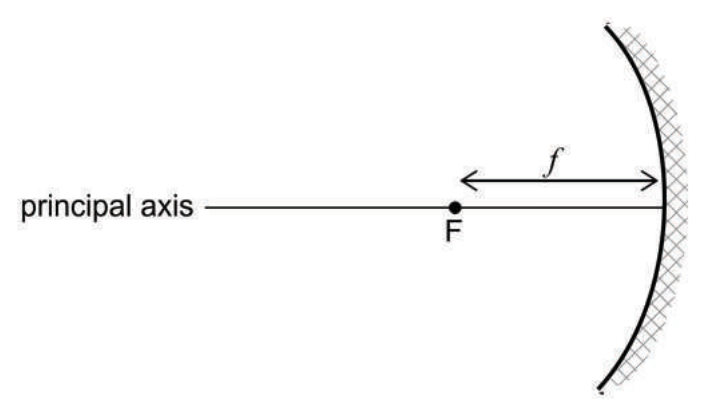
The mirror is used to produce an image of an object.
Which of the following statements are correct?
[Assume the mirror is parabolic.]
1 Incident rays travelling parallel to the principal axis always pass through F after reflection.
2 Incident rays passing through F always travel parallel to the principal axis after reflection.
3 The image formed is always inverted.
4 The image formed is always real.
5 The image formed is always larger than the object.
1 — parallel ဝင် → F ဖြတ် ✓1 — ပြိုင်ဝင်တဲ့ အလင်း (parallel) က ကန်ပြီး F ကို ဖြတ်တယ်။ အမြဲ မှန်တယ် ✓
2 — through F ဝင် → parallel ထွက် ✓2 — F ကို ဖြတ်ဝင်တဲ့ (through F) အလင်းက ပြိုင် (parallel) ထွက်တယ် — 1 ရဲ့ ပြောင်းပြန်ပဲ ✓
3 — always inverted? F အတွင်း upright ✗3 — image အမြဲ ဇောက်ထိုး (always inverted)? F အတွင်း ထားရင် image တည့် (upright) — မိတ်ကပ်မှန် ✗
4 — always real? F အတွင်း virtual ✗4 — image အမြဲ real (always real)? F အတွင်း ဆိုရင် မှန်နောက်က အယောင် ပုံရိပ်ပဲ ✗
5 — always larger? C ထက် ဝေး smaller ✗5 — image အမြဲ ကြီး (always larger)? C ထက် ဝေးရင် သေး (smaller) — ဇွန်း ✗
ဒါကြောင့် အဖြေ (answer) က E — “1 and 2 only”။
👉 ဇွန်းကို လှန်ပြီး နောက်ကျော ဘက် (မှန်ဖောင်း) ကို ကြည့်ရင်ကော?
Convex mirror — ကားဘေးမှန်ထဲ အရာတွေ ဘာလို့ သေးလဲ
convex mirror (မှန်ဖောင်း) — F နဲ့ C မှန်နောက်မှာ။အပြင်ဘက် ဖောင်းထွက်နေတဲ့ မှန်ကို convex mirror (မှန်ဖောင်း) လို့ ခေါ်တယ် — ဇွန်းရဲ့ နောက်ကျော ဘက်ပဲ။ F နဲ့ C က မှန်ရဲ့ နောက်ဘက်မှာ ရှိတယ်။
ray ① ကန်ပြီး မှန်နောက် F က လာသလို ပြန့်။ray ① axis နဲ့ ပြိုင်ဝင်ပြီး ကန်ထွက်တော့ မှန်နောက်က F ကနေ ထွက်လာသလို ပြန့်ထွက်တယ် (အစက်ချ မျဉ်း)။
ray ② မှန်နောက်က F ဆီ ဦးတည် လာတဲ့ ray က axis နဲ့ ပြိုင် ကန်ထွက်တယ်။
အမြဲ virtual၊ upright၊ smaller။ကန်ထွက် ray တွေ ဘယ်တော့မှ မဆုံလို့ မှန်နောက်မှာ ဆုံသလို ထင်ရတဲ့ နေရာမှာ ပုံရိပ် — virtual၊ upright၊ smaller။ object ဘယ်နေရာ ထားထား အမြဲ ဒီလိုပဲ။
မြင်ကွင်း ကျယ် — ကားဘေးမှန်၊ ⚠ ကား ဝေးသလို ထင်ရ။ပုံရိပ် သေးပေမဲ့ မြင်ကွင်း ကျယ်လို့ ကားဘေးမှန်၊ လမ်းကွေ့ ထောင့်မှန်၊ ဆိုင် လုံခြုံရေး မှန်တွေက convex။ ⚠ ကားမှန်ထဲက ကား တကယ်ထက် ဝေးသလို ထင်ရလို့ ‘objects are closer than they appear’ လို့ ရေးထားတယ်။
🤔 A shop uses a convex mirror to watch its aisles. Which statement about the image is true wherever a customer stands?
convex mirror မှာ ကန်ထွက် ray တွေ အမြဲ ပြန့်ထွက်လို့ ပုံရိပ်က virtual၊ upright၊ smaller အမြဲ။
virtual ဖြစ်လို့ screen ပေါ် မဖမ်းနိုင်ဘူး။
larger က concave မှန်ကို F အတွင်း ကြည့်တာ။
👉 PART 5 စစ်ပြီး lens တွေဆီ သွားမယ်။👉 PART 5 ပြန်စစ်မယ် — ပြီးရင် မှန် မဟုတ်ဘဲ ဖန် ကွေးလေး (lens) တွေဆီ သွားမယ်။
🔁 ပြန်စစ်မယ် — PART 5
🤔 For a ray reflected by a plane mirror, the angle of reflection is:
law of reflection: i = r၊ နှစ်ခုလုံး normal ကနေ တိုင်းတယ်။
🤔 The refractive index of a material is:
n = cv — ဖန် 1.5၊ ရေ 1.33၊ အမြဲ 1 ထက် ကြီးတယ်။
vc ဆိုရင် 1 ထက် ငယ်သွားလို့ ပြောင်းပြန်ပါ။
angle နဲ့ wavelength က ray တစ်ခုချင်းပေါ် မူတည်လို့ ပစ္စည်းရဲ့ တန်ဖိုး မဟုတ်ဘူး။
🤔 A ray parallel to the principal axis strikes a concave mirror. After reflection it:
ပြိုင်ဝင် → F ကို ဖြတ်ထွက်။
F ကနေ ဝင်ရင်တော့ ပြိုင်ထွက်။
🤔 Inside a spoon your face is upside down and small. Where is your face compared with the spoon's focus and centre of curvature?
real၊ inverted၊ smaller image ရဖို့ object က C ထက် ဝေးရမယ်။
F နဲ့ C ကြားဆိုရင် ဇောက်ထိုးပေမဲ့ ကြီးမယ်။
F အတွင်းဆိုရင် မိတ်ကပ်မှန်လို တည့်ပြီး ကြီးမယ်။
👉 PART 5 ပြီး — lens (ဖန် ကွေး) တွေဆီ သွားမယ်။👉 PART 5 ပြီးပြီ။ မှန်နဲ့ refraction ကို ပေါင်းပြီး lens (ဖန် ကွေး) တွေဆီ သွားမယ်။
Lenses and the eye
lens နဲ့ မျက်လုံး
မှန်ဘီလူး၊ နေရောင်၊ မျက်မှန် — ဖန်ကွေးလေးက ဘာလုပ်လဲ
magnifying glass ကပ်ရင် စာလုံး ကြီးလာ။စာအုပ်ပေါ် မှန်ဘီလူး (magnifying glass) ကပ်ကြည့်ရင် စာလုံးတွေ ကြီးလာတယ်။
နေရောင်ထဲ — ray တွေ တစ်နေရာ ဆုံ၊ ပူလောင် အစက်။အဲဒီ မှန်ဘီလူးကို နေရောင်ထဲ ကိုင်ရင် စက္ကူပေါ်မှာ ပူလောင်တဲ့ အစက် တစ်စက်ပဲ ကျတယ် — ray တွေ တစ်နေရာတည်း ဆုံသွားတယ်။
“−2.0 D” ဘာ ဆိုလိုလဲ? ဒီ PART ဆုံးရင် ဖတ်တတ်မယ်။မျက်မှန် ဆိုင်က လက်မှတ်မှာ “−2.0 D” လို ဂဏန်း ရေးထားတယ်။ ဘာ ဆိုလိုလဲ? ဒီ PART ဆုံးရင် ဖတ်တတ်မယ်။
🤔 A magnifying glass held in sunlight makes one tiny, very bright spot on a sheet of paper. What does this tell you about the lens?
နေရောင် ray တွေ ပြိုင်ဝင်ပြီး တစ်နေရာတည်း (focus) မှာ ဆုံလို့ energy စုပြီး ပူတယ်။
ဒါ converging lens ရဲ့ အလုပ်ပဲ — နောက် scene မှာ ကြည့်မယ်။
👉 ဖန် ကွေးပုံ နှစ်မျိုး — ray တွေကို ဘယ်လို ကွေးစေလဲ?
converging နဲ့ diverging lens — P = 1f
အလယ် ထူ = converging lens (ဆုံစေ မှန်ဘီလူး) — အလယ်ဘက် ကွေး။အလယ် ထူပြီး အစွန်း ပါးတဲ့ ဖန် ကွေးကို converging lens (convex lens၊ ဆုံစေ မှန်ဘီလူး) လို့ ခေါ်တယ်။ ray တစ်ကြောင်းစီက ဖန်ထဲ ဝင်ချိန်၊ ထွက်ချိန် refraction နှစ်ခါ ဖြစ်ပြီး အလယ်ဘက် ကွေးတယ်။
parallel ray တွေ F မှာ ဆုံ — f = lens မှ F။axis နဲ့ ပြိုင်ဝင်တဲ့ ray တွေ အကုန် တစ်ဖက်က focus F မှာ ဆုံတယ်။ lens ကနေ F အထိ အကွာ = focal length f။ နေရောင်ကို F မှာ စုလို့ စက္ကူ မီးလောင်တာ ဒါပဲ။
အလယ် ပါး = diverging lens (ပြန့်စေ မှန်ဘီလူး) — ပြန့်ထွက်။အလယ် ပါးပြီး အစွန်း ထူတဲ့ ဖန်ကို diverging lens (concave lens၊ ပြန့်စေ မှန်ဘီလူး) လို့ ခေါ်တယ်။ ပြိုင်ဝင်တဲ့ ray တွေ အပြင်ဘက် ပြန့်ထွက်သွားတယ်။
virtual focus — diverging lens f က အနုတ် (−)။ပြန့်ထွက် ray တွေကို နောက်ပြန် ဆွဲကြည့်ရင် lens ရှေ့ဘက် F တစ်ခုကနေ လာသလိုပဲ (virtual focus)။ ဒါကြောင့် diverging lens ရဲ့ f ကို အနုတ် (−) နဲ့ ရေးတယ်။
power (lens စွမ်းအား) P = 1f၊ dioptre (D)။lens ရဲ့ power P = 1f — f ကို meter နဲ့ ထည့်ရင် ယူနစ် dioptre (D၊ ဒိုင်အော့ပတာ)။ f တိုလေ (ပိုကွေးလေ) power ကြီးလေ။
✍️ f = 0.25 m converging → P = 10.25 = +4.0 D။ f = −0.50 m diverging → P = 1−0.50 = −2.0 D။ မျက်မှန် လက်မှတ်က “−2.0 D” က diverging lens ပဲ။
🤔 A diverging lens has a focal length of 25 cm. What is its power?
diverging ဆိုတော့ f = −0.25 m → P = 1−0.25 = −4.0 D။
−0.04 D က cm ကို m မပြောင်းဘဲ 125 လုပ်မိတာ၊ +4.0 D က diverging ရဲ့ အနုတ် လက္ခဏာ မေ့တာ။
👉 lens ရှေ့မှာ object ထားရင် ပုံရိပ် ဘယ်မှာ ပေါ်လဲ?
lens ပုံရိပ် — ray နှစ်ကြောင်းနဲ့ ရှာမယ်
ray ① — optical centre ဖြတ်ရင် မကွေး။ray ① — lens အလယ် (optical centre) ကို ဖြတ်တဲ့ ray က မကွေးဘဲ တည့်တည့် ဆက်သွားတယ်။
ray ② — parallel ဝင် → F ဖြတ်ထွက်။ray ② — axis နဲ့ ပြိုင်ဝင်တဲ့ ray က lens မှာ ကွေးပြီး တစ်ဖက်က F ကို ဖြတ်ထွက်တယ်။
2F ထက် ဝေး — real၊ inverted၊ smaller၊ camera၊ မျက်လုံး။object က 2F (f ရဲ့ နှစ်ဆ) ထက် ဝေးရင် ray နှစ်ကြောင်း lens နောက်မှာ တကယ် ဆုံလို့ real၊ inverted၊ smaller ပုံရိပ် — screen ပေါ် ဖမ်းလို့ ရတယ်။ camera နဲ့ မျက်လုံး ဒီလို အလုပ်လုပ်တယ်။
F အတွင်း — ray ပြန့်ထွက်၊ မဆုံ။object ကို F အတွင်း (lens နား) ထားရင် ထွက်လာတဲ့ ray နှစ်ကြောင်း ပြန့်ထွက်ပြီး ဘယ်တော့မှ မဆုံဘူး။
virtual၊ upright၊ larger — မှန်ဘီလူး။နောက်ပြန် ဆွဲကြည့်ရင် object ဘက်မှာပဲ ဆုံသလို ထင်ရတယ် — virtual၊ upright၊ larger ပုံရိပ်။ မှန်ဘီလူးက စာလုံးကို ကြီးစေတာ ဒါပဲ — PART 5 ရဲ့ မှန်ခွက် (object F အတွင်း)နဲ့ ပုံစံ တူတယ်။
🤔 An object is placed 30 cm from a converging lens of focal length 10 cm. What kind of image is formed?
2F = 20 cm ဆိုတော့ 30 cm က 2F ထက် ဝေးတယ် — real၊ inverted၊ smaller။
virtual/upright/larger က F အတွင်း (10 cm အောက်) မှာပဲ။
👉 ပုံရိပ် ဘယ်နှ cm မှာလဲ၊ ဘယ်နှဆ ကြီးလဲ — ဂဏန်းနဲ့ တွက်မယ်။
✍️ 1f = 1u + 1v — ပုံရိပ် ဘယ်မှာလဲ
1f = 1u + 1v (lens formula) — မှန်ခွက်လည်း ဒီအတိုင်း။ray diagram မဆွဲဘဲ တွက်လို့ ရတယ် — 1f = 1u + 1v (lens formula)။ မှန်ခွက် (PART 5) အတွက်လည်း ဒီ ပုံသေနည်း အတိုင်းပဲ (f = C ရဲ့ တစ်ဝက်)။
v — real +၊ virtual −၊ f — converging +၊ diverging −။u = object ကနေ lens အကွာ။ v = ပုံရိပ် အကွာ — lens တစ်ဖက်မှာ real ဆို +၊ object ဘက်မှာ virtual ဆို −။ f က converging ဆို +၊ diverging ဆို −။
✍️ f = 10 cm converging၊ object u = 15 cm — 1v = 1f − 1u = 110 − 115
= 330 − 230 = 130 → v = +30 cm — + ဆိုတော့ lens နောက်မှာ real ပုံရိပ်။
magnification (ချဲ့ဆ) m = ပုံရိပ် အရွယ် ÷ object အရွယ် = vu = 3015 = 2 — နှစ်ဆ ကြီးပြီး inverted။
✍️ object ကို u = 5 cm (F အတွင်း) ရွှေ့ရင် 1v = 110 − 15 = 110 − 210 = −0.10 → v = 1−0.10 = −10 cm။
− ဆိုတော့ object ဘက်မှာ virtual ပုံရိပ်၊ m = 105 = 2 — upright နှစ်ဆ (မှန်ဘီလူး)။
🤔 An object is 20 cm from a converging lens of focal length 15 cm. Where is the image, and what is the magnification?
1v = 115 − 120 = 460 − 360 = 160 → v = +60 cm (real)၊
m = 6020 = 3။
8.6 cm က 115 နဲ့ 120 ကို နုတ်ရမှာ ပေါင်းမိတာ။
👉 ကိုယ့် မျက်လုံး ကိုယ်တိုင်လည်း lens ရှိတဲ့ camera ပဲ။
မျက်လုံး — cornea နဲ့ lens က retina ပေါ် ပုံ ကျစေ
cornea (မျက်ကြည်လွှာ)၊ lens၊ retina (မြင်လွှာ)။မျက်လုံး ရှေ့ဆုံးက ကြည်လင်တဲ့ ခုံးခုံး အလွှာ cornea (မျက်ကြည်လွှာ)၊ နောက်မှာ lens (မျက်စိ မှန်ဘီလူး)၊ နောက်ဆုံး နံရံမှာ အလင်း ခံ cell တွေ ရှိတဲ့ retina (မြင်လွှာ)။
cornea နဲ့ lens က retina ပေါ် real၊ inverted ဆုံစေ။အဝေးက သစ်ပင်ရဲ့ ray တွေ ပြိုင်လုနီးပါး ဝင်လာတယ်။ cornea က အကွေး အများဆုံး လုပ်ပြီး lens က အသေးစိတ် ညှိကာ retina ပေါ်မှာ sharp ဆုံစေတယ် — real၊ inverted ပုံရိပ် (ဦးနှောက်က ပြန်လှန်ကြည့်တယ်)။
အနီး ကြည့် — lens ထူလာ = accommodation (အကွာ ညှိခြင်း)။အနီးက စာအုပ်ကို ကြည့်တော့ ciliary muscle (lens ဘေးက ကြွက်သား) တွေ ပြောင်းလို့ lens ပိုထူ (power ပိုကြီး) လာပြီး ပုံရိပ် retina ပေါ် ကျနေတုန်းပဲ — accommodation (အကွာ ညှိခြင်း)။
far point infinity၊ near point ≈ 25 cm။ကျန်းမာတဲ့ မျက်လုံးက အဝေးဆုံး (far point) infinity ကနေ အနီးဆုံး (near point) ≈ 25 cm အထိ ကြည့်နိုင်တယ်။
🤔 How does a healthy eye change its focus from a distant tree to a nearby book?
ciliary muscle တွေကြောင့် lens ထူလာပြီး power ကြီးလာတယ် — accommodation။
retina က မရွေ့ဘူး၊ pupil (မျက်လုံး အပေါက်) က အလင်း ပမာဏကိုပဲ ညှိတယ်။
👉 မျက်လုံး ပုံ အနည်းငယ် မှားရင် — အဝေး မမြင်တာ၊ အနီး မမြင်တာ ဖြစ်တယ်။
အဝေး မမြင် (myopia) — diverging lens နဲ့ ပြင်
short sight (အဝေး မမြင်) — retina ရှေ့မှာ ဆုံ၊ ဝါး။short sight (myopia၊ အဝေး မမြင်) မှာ မျက်လုံး ရှည်လွန်း (ဒါမှမဟုတ် lens power ကြီးလွန်း) တယ်။ အဝေးက ray တွေ retina မရောက်ခင် ရှေ့မှာ ဆုံသွားလို့ retina ပေါ် ဝါးနေတယ်။ အနီးကတော့ မြင်ရတယ်။
diverging lens (−) — retina ပေါ် ဆုံသွား။မျက်လုံး ရှေ့မှာ diverging lens (−) တပ်လိုက်ရင် ray တွေကို အရင် နည်းနည်း ပြန့်စေလို့ retina ပေါ် တိတိကျကျ ဆုံသွားတယ်။
f = −(far point အကွာ)။ဘယ်လောက် power လိုလဲ? lens က အဝေး (infinity) က ray တွေကို ကိုယ့်ရဲ့ far point ကနေ လာသလို ဖြစ်စေရမယ် — f = −(far point အကွာ)။
✍️ far point = 2.0 m ဆိုရင် f = −2.0 m → P = 1−2.0 = −0.50 D။
🤔 A short-sighted person cannot see clearly beyond 50 cm. Which lens corrects this?
short sight → diverging။
f = −(far point) = −0.50 m → P = 1−0.50 = −2.0 D။
−0.50 D က 12 လို့ ပြောင်းပြန် တွက်မိတာ။
👉 ပြောင်းပြန် — အနီး မမြင်ရင်ကော?
အနီး မမြင် (hypermetropia) — converging lens နဲ့ ပြင်
long sight (အနီး မမြင်) — retina နောက်မှာ ဆုံ၊ ဝါး။long sight (hypermetropia၊ အနီး မမြင်) မှာ မျက်လုံး တိုလွန်း (ဒါမှမဟုတ် lens power နည်းလွန်း) တယ်။ အနီးက စာအုပ်ရဲ့ ray တွေ retina နောက်မှာမှ ဆုံမှာမို့ retina ပေါ် ဝါးနေတယ်။
converging lens (+) — retina ပေါ် ဆုံသွား။converging lens (+) တပ်လိုက်ရင် ray တွေကို အရင် အတွင်းဘက် ကွေးပေးလို့ retina ပေါ် ဆုံသွားတယ်။
45 ကျော် presbyopia — converging reading glasses။အသက် 45 ကျော်ရင် lens မာလာပြီး အနီး ကြည့်ရ ခက်လာတာ (presbyopia) ကိုလည်း converging reading glasses နဲ့ ပြင်တယ်။
short sight → (−)၊ long sight → (+)၊ “−2.0 D” short sight။မှတ်ရန် —
short sight → diverging (−)၊
long sight → converging (+)။
မျက်မှန် လက်မှတ်ရဲ့ “−2.0 D” က short sight အတွက် ပဲ!
🤔 A person's glasses have lenses of power +2.5 D. Which statement is correct?
P + ဆိုတော့ converging (long sight)။
f = 12.5 = 0.40 m = 40 cm။
2.5 m က P ကို f လို့ ယူမိတာ။
👉 PART 6 ပြီးပြီ — သင်ခန်းစာ တစ်ခုလုံးကို ပြန်စစ်မယ်။
🔁 ပြန်စစ်မယ် — PART 6
🤔 The power of a lens is measured in dioptres. A lens of power +5.0 D has a focal length of…
f = 1P = 15.0 = 0.20 m = 20 cm၊ + ဆိုတော့ converging။
🤔 Short sight is corrected with…
အဝေး ray တွေ retina ရှေ့မှာ ဆုံလို့ diverging lens နဲ့ အရင် ပြန့်စေရမယ်။
🤔 The lens formula is…
1f = 1u + 1v — v + ဆို real၊ − ဆို virtual။
🤔 An object is inside the focal length of a converging lens. The image is…
F အတွင်း → ray တွေ ပြန့်ထွက်လို့ virtual၊ upright၊ larger — မှန်ဘီလူး။
🎉 အစက ပဟေဠိ တွေ ဖြေပြီ
🎉 လှိုင်းက energy ပဲ သယ်လို့ ဖော့ ကမ်း မရောက် — v = fλ။🎉 အစက ပဟေဠိ အားလုံး ဖြေပြီးပြီ — ဖော့ ကမ်း မရောက်တာ လှိုင်းက energy ကိုပဲ သယ်လို့။ v = fλ နဲ့ လှိုင်း speed တွက်တတ်ပြီ။
d = vt2 တွက်တတ်ပြီ၊ အလင်း EM wave — vacuum ဖြတ်။echo နဲ့ ultrasound scan ကနေ အကွာ d = vt2 တွက်တတ်ပြီ။ အလင်းက electromagnetic wave မို့ လေဟာနယ် ဖြတ်ပြီး ဖုန်းထဲ ဗီဒီယို ဝင်လာတာလည်း သိပြီ။
ဇွန်း real, inverted၊ မိတ်ကပ်မှန် virtual — မှန်ခွက် တူတူ!ဇွန်းထဲ ဇောက်ထိုး (C ထက် ဝေး → real, inverted, smaller)၊ မိတ်ကပ်မှန်ထဲ ကြီးကြီး (F အတွင်း → virtual, upright, larger) — မှန်ခွက် တစ်မျိုးတည်းပဲ!
မျက်မှန် “−2.0 D” ကလည်း short sight အတွက် diverging lens ပဲ။
👤 လူပုဂ္ဂိုလ်များ
1801 Young — double slit နဲ့ အလင်း တန်းတွေ ပြပြီး အလင်းက လှိုင်း ဖြစ်ကြောင်း ပြခဲ့တယ်။
1621 Snellius — ray ကွေးတဲ့ စည်းကမ်း n₁ sin θ₁ = n₂ sin θ₂ ကို တွေ့ခဲ့တယ်။
1842 Doppler — source ရွေ့ရင် ကြားရတဲ့ frequency ပြောင်းတာကို ရှင်းခဲ့တယ်။