The periodic table and its trends (2)
ဇယားတစ်လျှောက် ဘာတွေ ဘယ်လို ပြောင်းလဲ
Trends: why size and pull change
ဇယားတစ်လျှောက် ဘာတွေ ဘယ်လို ပြောင်းလဲ
trend အားလုံးရဲ့ သော့ — ဆွဲအား နဲ့ ကာရံ
ဘယ် atom အကြီးဆုံးလဲ? မြှား နှစ်ချောင်းနဲ့ ဖြေမယ်။ဘယ် atom က အကြီးဆုံးလဲ? ဘယ် atom က electron ကို အပြင်းဆုံး ဆွဲလဲ? ဇယားပေါ်မှာ မြှား နှစ်ချောင်း ဆွဲရုံနဲ့ ဖြေနိုင်တယ်။ အရင် သော့ နှစ်ချောင်း ယူမယ်။
trend — nucleus + charge က outer electron ကို pull။trend (ပြောင်းလဲပုံ လမ်းကြောင်း) အားလုံးကို သော့ နှစ်ချောင်းနဲ့ ဖွင့်လို့ ရတယ်။ nucleus ရဲ့ + charge က outer electron ရဲ့ − charge ကို ဆွဲ (pull) တယ် — magnet လို ဆွဲပေမဲ့ တကယ်က လျှပ်စစ် ဆွဲအား။
① distance — far လေ weak လေ။သော့ ① — distance (အကွာအဝေး)။ electron ဝေး (far) လေ ဆွဲအား နည်း (weak) လေ။ shell များလေ outer electron ဝေးလေ။
② inner electrons ကာထား — shielding (ကာရံခြင်း)။သော့ ② — ကြားမှာ ခံထားတဲ့ inner electrons (အတွင်း electron) တွေက nucleus ရဲ့ ဆွဲအားကို ကာထားတယ်။ ဒါကို shielding (ကာရံခြင်း) လို့ ခေါ်တယ်။
Na — 11 − 10 = +1 လောက်ပဲ ခံစားရ။Na (2, 8, 1) — proton 11 လုံး ရှိပေမဲ့ inner electron 10 လုံးက ကာထားတယ်။ ကြမ်းကြမ်း တွက်ရင် 11 − 10 = +1 — outer electron က +1 လောက်ပဲ ခံစားရတယ်။
Cl — 17 − 10 = +7 — shell တူ၊ ဆွဲအား ပိုပြင်း!Cl (2, 8, 7) — proton 17၊ inner 10 → ကြမ်းကြမ်း +7 လောက် ခံစားရတယ်။ shell အရေအတွက် Na နဲ့ တူပေမဲ့ proton ပိုများလို့ Cl ရဲ့ nucleus က outer electron ကို ပိုပြင်းပြင်း ဆွဲတယ်။
effective nuclear charge — outer electron တကယ် ခံစားရတဲ့ ဆွဲအား။အတွင်း electron တွေ ကာပြီးနောက် outer electron တကယ် ခံစားရတဲ့ nucleus ရဲ့ ဆွဲအားကို effective nuclear charge (ထိရောက်တဲ့ nucleus charge) လို့ ခေါ်တယ်။
proton − inner electrons = ကြမ်းကြမ်း model ပဲ။proton − inner electrons ဆိုတာ ကြမ်းကြမ်း ခန့်မှန်းတဲ့ model ပဲ — inner electron တစ်လုံးက proton တစ်လုံးစာ အတိအကျ မကာဘူး။ ဒါပေမဲ့ trend တွေ နားလည်ဖို့ လုံလောက်တယ်။
🤔 Roughly what pull (effective nuclear charge) do the outer electrons of magnesium (2, 8, 2) feel?
🔍 မေးခွန်း ဖြည်မယ်
Roughly = ခန့်မှန်းခြေ။ pull = ဆွဲအား။ effective nuclear charge = အတွင်း electron တွေ ကာပြီးနောက် အပြင် electron ခံစားရတဲ့ nucleus ရဲ့ ဆွဲအား။
မေးနေတာ — Mg ရဲ့ အပြင် electron တွေ ခံစားရတဲ့ ဆွဲအား ခန့်မှန်း တန်ဖိုး။
ကြမ်းကြမ်း model နဲ့ proton 12 − inner electron 10 (2 + 8) = +2 လောက်။
+12 က shielding ကို မေ့ပြီး တွက်ထားတာ။
👉 သော့ နှစ်ချောင်းနဲ့ ပထမ trend ကို ဖွင့်မယ် — atom ရဲ့ အရွယ်။
ဘယ်ကနေ ညာ — atom တွေ ကျုံ့လာတယ်
atomic radius — atom ရဲ့ အရွယ်၊ pm နဲ့။ပထမ trend — atomic radius (atom အချင်းဝက်)။ radius (အချင်းဝက်) ဆိုတာ စက်ဝိုင်းရဲ့ အလယ်ကနေ အစွန်းအထိ။ ဒါပေမဲ့ atom ရဲ့ electron တွေက မြူတိမ်လို ဖြန့်နေလို့ atom မှာ ထင်ရှားတဲ့ အစွန်း မရှိဘူး။
atom တူ နှစ်လုံး — nucleus ကြား d ရဲ့ တစ်ဝက် = radius။ဒါကြောင့် atom တူ နှစ်လုံး ကပ်နေတာကို ယူပြီး nucleus နှစ်ခုကြား အကွာအဝေး d ကို တိုင်းတယ်၊ တစ်ဝက် (12 d) က atomic radius။ အရမ်း သေးလို့ pm (picometre — မီတာရဲ့ 10⁻¹² ပုံ တစ်ပုံ) နဲ့ တိုင်းတယ်။
Na ကနေ Cl — electron များလာ၊ atom ကြီးမလား?ခန့်မှန်းကြည့် — period 3 မှာ Na ကနေ Cl ကို ညာဘက် သွားရင် electron တွေ များလာတယ်။ atom ကြီးလာမလား?
အဖြေက ပြောင်းပြန် — Na 186 ကနေ Cl 99 pm အထိ တဖြည်းဖြည်း သေးလာတယ်!
ဘာလို့လဲ? 3 shells each၊ proton 11 → 17။ဘာလို့လဲ? Na ကနေ Cl အထိ shell က 3 ခုစီ (3 shells each)၊ inner electron က 10 လုံးစီ — မပြောင်းဘူး။ proton ကတော့ 11 ကနေ 17 အထိ တိုးလာလို့ ကြမ်းကြမ်း model မှာ ဆွဲအား +1 ကနေ +7 လောက်အထိ တိုးတယ်။
ဆွဲအား ပြင်းလာလို့ ပိုနီးအောင် ဆွဲ — ကျုံ့။shell အရေအတွက် တူပေမဲ့ nucleus ရဲ့ ဆွဲအား ပြင်းလာလို့ outer electron တွေကို nucleus ဘက် ပိုနီးအောင် ဆွဲထားနိုင်တယ်။ ဒါကြောင့် atom ကျုံ့တာ။
period — ဘယ်ကနေ ညာ radius ကျုံ့။ဇယားပေါ် မြှား ဆွဲမယ် — period တစ်လျှောက် radius က ညာကနေ ဘယ်ကို ကြီးလာ (grows) တယ်။ ဘယ်ကနေ ညာ ကျုံ့တယ်။
🤔 Which atom is smaller, Mg or S?
🔍 မေးခွန်း ဖြည်မယ်
Which atom is smaller = ဘယ် atom က ပိုငယ်လဲ။ Mg နဲ့ S = period 3 မှာ ရှိတဲ့ ဒြပ်စင် နှစ်ခု။
မေးနေတာ — Mg နဲ့ S — အရွယ် ပိုငယ်တဲ့ atom (ဒါမှမဟုတ် တူတယ်)။
Mg နဲ့ S က period 3 မှာ shell 3 ခုစီ။
S က ညာဘက်မှာ ရှိပြီး ကြမ်းကြမ်း ဆွဲအား +6 (Mg က +2) ဖြစ်လို့ electron ကို ပိုနီးအောင် ဆွဲတယ် — S က သေးတယ် (104 vs 160 pm)။
👉 IMAT 2011 က ဒီ စည်းကမ်းကို period 4 မှာ စစ်ခဲ့တယ်။
IMAT 2011 Q59 — period 4 တစ်လျှောက်
📝 IMAT 2011 · Question 59
Which of the following shows how the atomic radius of the elements changes on crossing from left to right in the row of the Periodic Table from potassium to bromine (K to Ca, Sc to Zn, Ga to Br)?
K → Ca — decrease၊ 227 → 197 pm။K → Ca: ဘယ်ကနေ ညာ၊ shell တူ၊ proton တိုး → ကျုံ့ (decrease)။ 227 → 197 pm။
Sc → Zn — electron အတွင်း 3d ထဲ ဝင်။Sc → Zn (transition metals): electron အသစ်တွေ အတွင်းက shell 3 ရဲ့ 3d ထဲ ဝင်တယ် (period 4 ကို ဆောက်တုန်းကလို)။
3d က ကာပေးလို့ ဆွဲအား နည်းနည်းပဲ တိုး။ဒီ 3d electron တွေက nucleus နဲ့ shell 4 ကြားမှာ ရှိလို့ shell 4 ရဲ့ electron ကို တစ်စိတ်တစ်ပိုင်း ကာပေးတယ် — အပြည့် မကာဘူး။ ဒါကြောင့် proton တိုးသလောက် ဆွဲအား နည်းနည်းပဲ တိုးတယ်။
ဒါကြောင့် နည်းနည်းချင်းပဲ ကျုံ့ပေမဲ့ အလုံးစုံ ကျုံ့တယ် — 162 → 134 pm။
Ga → Br: ကျုံ့ — 135 → 114 pm။
သုံးခုလုံး decrease — E။သုံးခုလုံး decrease — အဖြေ E။ A, B, C, D တစ်ခုစီမှာ ‘increase’ အနည်းဆုံး တစ်နေရာ ပါတယ် — period တစ်လျှောက် atom ကြီးလာတယ်လို့ ထင်မိတဲ့ ထောင်ချောက်တွေ။
👉 ကော်လံ အတိုင်း အောက် ဆင်းရင်ကော? atom အရွယ် ဘာဖြစ်မလဲ?
အပေါ်ကနေ အောက် — atom တွေ ကြီးလာတယ်
group 1 အောက်ဆင်း — shell တစ်ခုစီ တိုး။group 1 မှာ အောက်ဆင်းကြည့်။ Li → Na → K → Rb → Cs — ဆင်းတိုင်း shell တစ်ခု အသစ် တိုးတယ်၊ ကြက်သွန်နီကို အလွှာ ထပ်အုပ်သလို။
pull ≈ +1 ပဲ — distance အနိုင်ရ — atom ကြီး။proton တိုးသလောက် inner electron လည်း တိုးလို့ ကြမ်းကြမ်း model မှာ ဆွဲအား (pull) က +1 လောက်ပဲ။ shell အသစ်က outer electron ကို ပိုဝေးအောင် ပို့ပြီး ပိုကာထားလို့ အကွာအဝေး (distance) အနိုင်ရ — atom ကြီးလာတယ်။
group — radius အောက်ကို ကြီး (grows)။ဇယားပေါ် မြှား နံပါတ် 2 — group တစ်လျှောက် radius က အောက်ကို ကြီးလာ (grows) တယ်။
largest ဘယ်အောက် (Cs)၊ smallest ညာအပေါ် (He)။မြှား နှစ်ချောင်း ပေါင်းရင် — ယေဘုယျအားဖြင့် အကြီးဆုံး (largest) atom တွေ ဘယ်ဘက်အောက်ထောင့် (Cs, Fr)၊ အသေးဆုံး (smallest) ညာဘက်အပေါ်ထောင့် (He)။
👉 IMAT 2025 က ဒီ မြှား နှစ်ချောင်းကို တိုက်ရိုက် မေးခဲ့တယ်။
IMAT 2025 Q37 — radius ဘယ်ဘက် တိုးလဲ
📝 IMAT 2025 · Question 37
In the periodic table, the atomic radius increases going:
right to left ကြီး၊ top to bottom ကြီး။မြှား နှစ်ချောင်းကို ပြန်ဆွဲ — ညာကနေ ဘယ် (from right to left) သွားရင် ဆွဲအား လျော့လို့ ကြီးတယ်၊ အပေါ်ကနေ အောက် (from top to bottom) ဆင်းရင် shell တိုးလို့ ကြီးတယ်။
A ✗ — ညာ သွားရင် ကျုံ့တာ မေ့။ထောင်ချောက် A (left to right and top to bottom) — အောက်ဆင်းတာ မှန်ပေမဲ့ ညာဘက် သွားရင် ကျုံ့တာကို မေ့သွားတာ ✗။
ဘယ်ဘက်ကို နဲ့ အောက်ကို — အဖြေ E (right to left and top to bottom)။
👉 atom က ion ဖြစ်သွားရင် အရွယ် ဘာဖြစ်မလဲ? ကျုံ့မလား ပွမလား?
ion ဖြစ်ရင် ကျုံ့မလား ပွမလား
cation က smaller — Na 186 → Na⁺ 102 pm။electron ပေးလိုက်လို့ + ion ဖြစ်တဲ့ cation က မူလ atom ထက် သေး (smaller) တယ်။ Na (2, 8, 1) → Na⁺ (2, 8) မှာ outer shell တစ်ခုလုံး ပျောက်သွားလို့ 186 ကနေ 102 pm။
anion က larger — Cl 99 → Cl⁻ 181 pm။electron ယူထားလို့ − ion ဖြစ်တဲ့ anion က ကြီး (larger) တယ်။ proton မတိုးဘဲ electron ပိုလာလို့ electron တွေ အချင်းချင်း ပိုတွန်းပြီး ပွလာတယ် — Cl 99 → Cl⁻ 181 pm။
သတိ — atom နဲ့ ion ကို တိုင်းပုံ မတူ၊ ဂဏန်းက ကြမ်းကြမ်း နှိုင်းဖို့။သတိ — ဒီ ဂဏန်းတွေကို တိုင်းပုံ နည်းနည်း မတူဘူး (Na က metal ထဲ၊ Cl က Cl₂ molecule ထဲ၊ ion က crystal ထဲမှာ)။ ဒါကြောင့် ဂဏန်းက ကြမ်းကြမ်း နှိုင်းဖို့ပဲ၊ သေးလာ ကြီးလာတာကတော့ အမှန်ပဲ။
isoelectronic — O²⁻, F⁻, Na⁺, Mg²⁺ — 10 e⁻ each။electron အရေအတွက် တူတဲ့ ion တွေ (isoelectronic — electron တူ) — O²⁻, F⁻, Na⁺, Mg²⁺ — 10 လုံးစီ (10 e⁻ each)။
electron တူရင် proton များလေ သေးလေ: O²⁻ > F⁻ > Na⁺ > Mg²⁺။ဒီ စည်းကမ်းက electron အရေအတွက် တူတဲ့ ion တွေ အတွက်ပဲ။ proton 8, 9, 11, 12 — proton များလေ electron 10 လုံးကို ပိုဆွဲလို့ သေးလေ: O²⁻ > F⁻ > Na⁺ > Mg²⁺။
🤔 Which is the largest?
🔍 မေးခွန်း ဖြည်မယ်
Which is the largest = ဘယ်ဟာ အကြီးဆုံးလဲ။ O²⁻, Mg²⁺, Na⁺, F⁻ = charge မတူတဲ့ ion ၄ ခု။
မေးနေတာ — ion ၄ ခုထဲက အရွယ် အကြီးဆုံး။
electron 10 လုံးစီ တူတယ်။
O²⁻ မှာ proton 8 လုံးပဲ ရှိလို့ ဆွဲအား အနည်းဆုံး၊ အကြီးဆုံး ဖြစ်တယ်။
Mg²⁺ (proton 12) က အသေးဆုံး။
👉 atom အရွယ် သိပြီ။ electron တစ်လုံး ဆွဲထုတ်ဖို့ ‘ဈေး’ ဘယ်လောက်လဲ?
electron တစ်လုံး ဆွဲထုတ်ဖို့ ဈေး — ionisation energy
first ionisation energy — outer electron ထုတ်ဖို့ energy။ဒုတိယ trend — gas ဖြစ်နေတဲ့ neutral (charge မရှိ) atom ကနေ အပြင်ဆုံး electron တစ်လုံး ဆွဲထုတ်ဖို့ လိုတဲ့ energy (စွမ်းအင်)။ ဒါကို first ionisation energy (IE — Ionisation Energy) လို့ ခေါ်တယ်။
X(g) → X⁺(g) + e⁻ — kJ/mol၊ ကြီးလေ ခက်လေ။ညီမျှခြင်းနဲ့: X(g) → X⁺(g) + e⁻။ ယူနစ် kJ/mol — ဂဏန်း ကြီးလေ ဆွဲထုတ်ရ ခက်လေ။
period 2 ကို ဖတ်ကြည့်: Li 520 ကနေ Ne 2081 အထိ ညာဘက်ကို တက်သွားတယ်။
ဘာလို့လဲ? ဆွဲအား တိုး — increases၊ period 2 မှာ Ne အမြင့်ဆုံး။ဘာလို့လဲ? shell တူ၊ ဆွဲအား တိုး → electron ကို တင်းတင်း ဆုပ်ထားလို့ ဆွဲထုတ်ရ ခက်လာ (increases) တယ်။ shell ပြည့်နေတဲ့ Ne က period 2 ထဲမှာ အမြင့်ဆုံး (ဇယား တစ်ခုလုံးမှာတော့ He)။
Na — 496 drop — shell အသစ် ဝေးလို့။Na ရောက်တော့ 496 ထိ ပြန်ကျ (drop) တယ် — shell အသစ်ထဲက electron က ဝေးလို့ ဆွဲထုတ်ရ လွယ်တယ်။
Li 520၊ Na 496၊ K 419 — K ပေးရ လွယ်!group 1 မှာ အောက်ဆင်းကြည့်: Li 520၊ Na 496၊ K 419 — ကျတယ်။ K ရဲ့ outer electron က Li ထက် nucleus နဲ့ ဝေးလို့ ထုတ်ရ လွယ်တယ်။ K က ရေနဲ့ Li ထက် ပြင်းပြင်း ဓာတ်ပြုတဲ့ အကြောင်း (သင်ခန်းစာ 7A) ထပ်တွေ့ပြီ!
IE ညာ တိုး၊ အပေါ် တိုး — radius နဲ့ ပြောင်းပြန်။ဇယားပေါ် မြှား: IE က ညာဘက်ကို တိုး၊ အပေါ်ကို တိုး — radius နဲ့ ပြောင်းပြန်။
ခလုတ်တိုက် — Be → B ကျ၊ N → O ကျ။သေချာကြည့်ရင် ခလုတ်တိုက် နှစ်ခု —
Be 900 → B 801 ကျတယ်၊
nitrogen (N) 1402 → oxygen (O) 1314 ကျတယ်။
B — new 2p: energy နည်းနည်း မြင့်လို့ ထုတ်ရ လွယ်။B (2, 3) ရဲ့ 5 လုံးမြောက် electron က 2p subshell (သင်ခန်းစာ 6) အသစ် (new 2p) ထဲ ဝင်တယ်။ 2p က 2s ထက် energy နည်းနည်း မြင့်ပြီး 2s electron တွေက နည်းနည်း ကာထားလို့ ထုတ်ရ လွယ်တယ်။
O — 2p pair: အချင်းချင်း တွန်းလို့ ထုတ်ရ လွယ်။O (2, 6) မှာ 2p electron 4 လုံး — 2p ရဲ့ orbital (electron နေရာ) သုံးခုထဲ တစ်ခုမှာ 2 လုံး အတူ နေရတယ် (2p pair)။ အတူနေတဲ့ နှစ်လုံး အချင်းချင်း တွန်းလို့ တစ်လုံး ထုတ်ရ လွယ်တယ်။
🤔 Which has the higher first ionisation energy, nitrogen or oxygen?
🔍 မေးခွန်း ဖြည်မယ်
Which has the higher = ဘယ်ဟာက ပိုမြင့်လဲ။ first ionisation energy = atom ကနေ ပထမ electron တစ်ခု ဖယ်ထုတ်ဖို့ လိုတဲ့ စွမ်းအင်။
မေးနေတာ — nitrogen နဲ့ oxygen — first ionisation energy ပိုမြင့်တာ (ဒါမှမဟုတ် တူတယ်)။
ညာဘက်ကို တိုးတဲ့ စည်းကမ်းရဲ့ ခြွင်းချက်ပါ။
O ရဲ့ 2p မှာ electron နှစ်လုံး အတွဲ ဖြစ်ပြီး အချင်းချင်း တွန်းလို့ တစ်လုံး ထုတ်ရ လွယ်တယ် — N 1402 > O 1314။
👉 IMAT မှာ ဒီ trend ကို နည်း သုံးမျိုးနဲ့ မေးဖူးတယ်။
IMAT 2023 Q43 — IE အမြင့်ဆုံး element
📝 IMAT 2023 · Question 43
Which of these elements has the highest first ionisation energy?
Ne > Ar (2081 vs 1521)၊ group 1 အနိမ့်ဆုံး။noble gas နှစ်ခု Ne နဲ့ Ar ထဲမှာ အပေါ်က Ne က shell နည်းလို့ ပိုမြင့်တယ် (2081 vs 1521)။ Li, Na, K က group 1 — outer electron တစ်လုံးတည်း ဝေးဝေး ရှိလို့ IE အနိမ့်ဆုံးတွေ။
ဒါကြောင့် Neon — အဖြေ E။
👉 element သုံးခုကို IE အလိုက် စီခိုင်းရင်ကော?
IMAT 2022 Q50 — IE ကြီးရာကနေ ငယ်ရာ
📝 IMAT 2022 · Question 50
Which of the following lists the given elements in order of DECREASING first ionisation energies?
[Atomic numbers: Li = 3; Be = 4; Na = 11]
Be higher (900)၊ Na lower (496)။Be က Li ရဲ့ ညာဘက် → IE ပိုမြင့် (higher, 900 > 520)။ Na က Li ရဲ့ အောက် → IE ပိုနိမ့် (lower, 496)။
decreasing (ကြီးရာကနေ ငယ်ရာ): Be, Li, Na — အဖြေ C။decreasing ဆိုတာ ကြီးရာကနေ ငယ်ရာ စီတာ: 900 → 520 → 496 ဆိုတော့ Be, Li, Na — အဖြေ C။
👉 symbol အစစ် မပေးဘဲ letter တွေနဲ့ မေးရင်ကော?
IMAT 2018 Q42 — letter တွေက symbol မဟုတ်
📝 IMAT 2018 · Question 42
Five atoms are shown below. The letters are NOT chemical symbols.
Which one of the following atoms has the highest first ionisation energy?
Z ကိုပဲ ကြည့် — 10 Ne၊ 9 F၊ 11 Na၊ mass မဆိုင်။letter တွေက symbol အစစ် မဟုတ်ဘူး။
အောက်က ဂဏန်း Z ကိုပဲ ကြည့်:
10 = Ne၊
9 = F၊
11 = Na။
အပေါ်က mass number က isotope (သင်ခန်းစာ 5) ကိုပဲ ပြတာ — electron စီပုံ တူလို့ IE က မပြောင်းသလောက်ပဲ။
noble gas Ne (Z 10) ဖြစ်တဲ့ W က အမြင့်ဆုံး — အဖြေ C။
👉 ဆက်ထုတ်ရင် တစ်နေရာမှာ ခုန်တက်တယ်။👉 electron တစ်လုံးပြီး တစ်လုံး ဆက်ထုတ်ရင်ကော? တစ်နေရာမှာ ရုတ်တရက် ခုန်တက်တယ်။
ဆက်တိုက် ထုတ်ရင် — ကြီးမားတဲ့ ခုန်ချက်
successive ionisation energies — Mg 1st 738။electron ကို တစ်လုံးပြီး တစ်လုံး ဆက်ထုတ်လို့ ရတယ် (successive ionisation energies)။ Mg (2, 8, 2) — ပထမ (1st) electron 738 kJ/mol။
2nd 1451 — နောက်တစ်လုံး အမြဲ ပိုခက်။ဒုတိယ (2nd) 1451 — နှစ်ဆလောက်ပဲ။ ပထမ တစ်လုံး ထွက်ပြီး Mg⁺ (+ ion) ဖြစ်နေပြီ — proton 12 လုံးက electron နည်းသွားတဲ့ ion ရဲ့ ကျန်တဲ့ electron တွေကို ပိုပြင်းပြင်း ဆွဲတယ်။ ဒါကြောင့် နောက်တစ်လုံး အမြဲ ပိုခက်တယ်။
3rd 7733 — ခုန်တက်! shell 2 ထဲက ထုတ်ရလို့။တတိယ (3rd) 7733 — ရုတ်တရက် 5 ဆလောက် ခုန်တက်တယ်! Mg (2, 8, 2) က 2 လုံး ပေးပြီးရင် Mg²⁺ (2, 8)။ တတိယ electron က nucleus နဲ့ နီးတဲ့ ပြည့်နေတဲ့ shell 2 ထဲက (from shell 2) ထုတ်ရလို့။
jump မတိုင်ခင် electron = outer electron — Mg 2 → group 2။စည်းကမ်း — ကြီးမားတဲ့ ခုန်ချက် (jump) မတိုင်ခင် electron ဘယ်နှလုံးလဲ ရေပါ။ အဲဒါ outer electron အရေအတွက်။ Mg: 2 လုံး → group 2။
group 1, 2 — အတူတူ၊ group 13–18 — +10။group 1 နဲ့ 2 မှာ outer electron အရေအတွက်က group နံပါတ်နဲ့ တူတယ်။
group 13 ကနေ 18 မှာ 10 ပေါင်းရတယ် —
3 လုံး → group 13၊
6 လုံး → group 16။
transition metal တွေမှာ ဒီ စည်းကမ်း မသုံးရဘူး။
Na — 496 ပြီး 4562 ခုန် — group 1။Na (2, 8, 1): 496 ပြီး 4562 — ပထမ တစ်လုံး ထွက်ပြီး Na⁺ (2, 8) ဖြစ်တာနဲ့ နောက်တစ်လုံးက shell 2 ထဲက ဖြစ်လို့ 9 ဆလောက် ခုန်တယ်။ 1 လုံး → group 1။
🤔 An element has successive ionisation energies of 578, 1817, 2745, 11578 kJ/mol. Which group is it in?
🔍 မေးခွန်း ဖြည်မယ်
successive ionisation energies = electron တစ်ခုပြီး တစ်ခု ဆက်တိုက် ဖယ်ဖို့ လိုတဲ့ စွမ်းအင်တွေ။ kJ/mol = စွမ်းအင် ယူနစ်။
Which group is it in? = ဇယားရဲ့ ဘယ် ကော်လံမှာလဲ။
မေးနေတာ — ဂဏန်း ၄ လုံးထဲ ဘယ်နေရာမှာ ရုတ်တရက် ခုန်တက်လဲ ကြည့်ပြီး group ကို ရှာပါ။
ကြီးမားတဲ့ ခုန်ချက်က 3rd (2745) နဲ့ 4th (11578) ကြားမှာ။
ခုန်ချက် မတိုင်ခင် electron 3 လုံး ဆိုတော့ outer electron 3 လုံး — 3 + 10 = group 13။
ဒီ ဂဏန်းတွေက aluminium ရဲ့ ဂဏန်းတွေပါ။
👉 electron ပေးတာ မဟုတ်ဘဲ ရရင်ကော? energy ထွက်မလား၊ ဝင်မလား?
electron တစ်လုံး ရရင် — electron affinity
Cl electron ရ — energy out။ပြောင်းပြန် — atom က electron တစ်လုံး ရရင်ကော? Cl (2, 8, 7) ရဲ့ အပြင်ဆုံး shell မှာ 7 လုံး ရှိပြီး 8 လုံး ပြည့်ဖို့ 1 လုံးပဲ လိုတယ်။ electron ဝင်လာရင် nucleus က ဆွဲသွင်းပြီး energy ထွက် (energy out) လာတယ်။
gas atom electron 1 လုံး ရ — energy ပြောင်းတာ = first electron affinity။gas atom တစ်လုံးက electron တစ်လုံး ရပြီး − ion ဖြစ်တဲ့အခါ energy ပြောင်းတာကို first electron affinity (EA — electron ရရင် energy ပြောင်းတာ) လို့ ခေါ်တယ်: Cl(g) + e⁻ → Cl⁻(g)။
− = energy out၊ + = energy in —
Cl EA −349။ဒီသင်ခန်းစာမှာ energy ထွက်ရင် ဂဏန်းရှေ့ − (− = energy out)၊
energy ပေးရရင် + (+ = energy in) လို့ ရေးမယ်။
Cl ရဲ့ EA = −349 kJ/mol — Cl atom 1 mol က electron ရရင် energy 349 kJ ထွက်တယ်။
halogen အများဆုံး — Cl (−349) > F (−328)။halogen တွေက energy အများဆုံး ထွက်တယ်။ ထူးဆန်းချက် — အများဆုံးက F မဟုတ်ဘဲ Cl (−349; F −328)။ F atom က အရမ်း သေးလို့ electron တွေ ကျပ်ကျပ် နေရ — ဝင်လာတဲ့ electron ကို ပိုတွန်းလို့ energy လျော့ထွက်တယ်။
noble gas — full shell၊ energy မထွက်ဘူး။noble gas ကတော့ shell ပြည့် (full) နေလို့ electron အသစ်က shell အသစ်မှာ nucleus နဲ့ ဝေးဝေး နေရမယ်။ energy မထွက်ဘူး — အတင်း ထည့်ရင် energy ပေးရတယ် (+)။
👉 IMAT 2021 က EA ရဲ့ ညီမျှခြင်းကို ရွေးခိုင်းခဲ့တယ်။
IMAT 2021 Q45 — EA ရဲ့ ညီမျှခြင်း
📝 IMAT 2021 · Question 45
Which of the following equations is associated with the first electron affinity of chlorine?
① atom
② gas (g)
③ + e⁻ ဘယ်ဘက်မှာ။‘associated with’ = …နဲ့ ဆိုင်တဲ့၊
‘equation’ = ညီမျှခြင်း။
စစ်ရမှာ သုံးချက် — ① Cl atom တစ်လုံး (Cl₂ molecule မဟုတ်)
② gas (g)
③ electron ရတာမို့ e⁻ က မြှားရဲ့ ဘယ်ဘက်မှာ။
Cl(g) + e⁻ → Cl⁻(g) — အဖြေ B။B: Cl(g) + e⁻ → Cl⁻(g) သုံးချက်လုံး ကိုက်တယ် — အဖြေ B။ A က atom မဟုတ်ဘဲ Cl⁻ ion ကနေ စတယ်၊ C မှာ e⁻ က မြှားရဲ့ ညာဘက် — electron ပေးနေတာ၊ D နဲ့ E က Cl₂ molecule ✗။
👉 O ရဲ့ ဒုတိယ electron — ပြောင်းပြန်၊ ဘာလို့လဲ?👉 oxygen က electron တစ်လုံး ရရင် energy ထွက်တယ်။ ဒုတိယ တစ်လုံး ထပ်ထည့်ရင်တော့ ပြောင်းပြန် — energy ပေးရတယ်။ ဘာလို့လဲ ကြည့်ရအောင်။
oxygen ရဲ့ ဒုတိယ electron — IMAT 2012 Q63
📝 IMAT 2012 · Question 63
Which one of the following is correct about the first and second electron affinities of oxygen?
O + e⁻ → O⁻ — −141 kJ/mol ထွက်။O (2, 6) ရဲ့ အပြင်ဆုံး shell ပြည့်ဖို့ 2 လုံး လိုတယ်။ O(g) + e⁻ → O⁻(g) — ပထမ electron ကို nucleus က ဆွဲသွင်းလို့ energy နည်းနည်း ထွက်တယ် (−141 kJ/mol)။
energy ထွက် = exothermic — slightly exothermic။ပတ်ဝန်းကျင်ကို energy ထုတ်ပေးတာ (− လက္ခဏာ) ကို exothermic (energy ထုတ်) လို့ ခေါ်တယ်။ နည်းနည်းပဲ ထွက်လို့ slightly exothermic။
O⁻ + e⁻ — − ရှိပြီးသား၊ pushes away။ဒုတိယ electron: O⁻(g) + e⁻ → O²⁻(g)။ O⁻ ion မှာ electron တစ်လုံး ပိုနေလို့ − charge ရှိပြီးသား။ ဝင်လာတဲ့ electron ကလည်း − ဆိုတော့ − နဲ့ − အချင်းချင်း တွန်း (pushes away) တယ်။
+798 — very endothermic။ဒီ တွန်းအားကို ကျော်ပြီး အတင်း ထည့်ဖို့ အပြင်က energy အများကြီး ပေးရတယ် (+798 kJ/mol)။ ပတ်ဝန်းကျင်က energy စုပ်ယူတာ (+ လက္ခဏာ) ကို endothermic (energy စုပ်) လို့ ခေါ်တယ် — very endothermic။
first = slightly exothermic၊ second = very endothermic — အဖြေ D။first = slightly exothermic (energy နည်းနည်း ထွက်)၊ second = very endothermic (energy အများကြီး လို) — နှစ်ချက်လုံး ကိုက်တာ D။
A၊ B၊ C၊ E — ပြောင်းပြန် ထောင်ချောက်။A နဲ့ B က first ကို endothermic လို့ ထင်တာ၊ C နဲ့ E က second ကို exothermic လို့ ထင်တာ — ပြောင်းပြန် ထောင်ချောက်တွေ။
👉 bond ထဲ ဘယ်သူ ပိုဆွဲမလဲ? ကြိုးဆွဲပွဲ။👉 bond ထဲမှာ atom နှစ်လုံး electron တစ်တွဲကို မျှသုံးရင် ဘယ်သူ ပိုဆွဲမလဲ? ကြိုးဆွဲပွဲ ကြည့်မယ်။
ကြိုးဆွဲပွဲ — electronegativity
shared pair မျှကိုင် = covalent bond — ကြိုးဆွဲပွဲ။atom နှစ်လုံးက electron တစ်တွဲ (shared pair) ကို ကြားမှာ မျှသုံးပြီး ချိတ်ထားရင် covalent bond (သင်ခန်းစာ 9)။ nucleus နှစ်ခုလုံးက ကိုယ့်ဘက် ဆွဲနေတယ် — ကြိုးဆွဲပွဲ။ ဆွဲအား မတူရင် အတွဲက တစ်ဖက် ပိုကပ်မယ်။
electronegativity (electron ဆွဲနိုင်စွမ်း) — bond ထဲက electron ကို ဆွဲနိုင်စွမ်း။bond ထဲ မျှသုံးနေတဲ့ electron အတွဲကို atom တစ်လုံးက ကိုယ့် nucleus ဘက် ဆွဲနိုင်စွမ်းကို electronegativity (electron ဆွဲနိုင်စွမ်း) လို့ ခေါ်တယ်။
Pauling scale — 0.7 ကနေ 4.0၊ ကြီးလေ ပြင်းလေ။Linus Pauling (အမေရိကန် ဓာတုဗေဒ ပညာရှင်၊ ၁၉၀၁–၁၉၉၄) က bond တွေ ဖြတ်ဖို့ လိုတဲ့ energy တွေကနေ တွက်ပြီး ဂဏန်း 0.7 ကနေ 4.0 နဲ့ နှိုင်းပြခဲ့တယ် — ကြီးလေ ပြင်းလေ။
H–F — F δ−၊ H δ+။H (2.1) နဲ့ F (4.0) — F အနိုင်ရပြီး အတွဲ F ဘက် (towards F) ကပ်တယ်။ F က δ− (အနုတ် နည်းနည်း)၊ H က δ+ (အပေါင်း နည်းနည်း)။ δ (delta) = charge အပြည့် မဟုတ်တဲ့ partial charge — ion မဖြစ်သေးဘူး။
H နဲ့ H — အားညီလို့ အတွဲ အလယ်တည့်တည့် (middle) မှာ၊ δ မရှိ။
Na–Cl — 2.1 ကွာ — Na⁺ Cl⁻ ionic bond။Na (0.9) နဲ့ Cl (3.0) — 2.1 ကွာလို့ Na က electron တစ်လုံးကို Cl ဆီ ပေးလိုက်သလောက် ဖြစ်တယ်။ Na⁺ နဲ့ Cl⁻ ion ချင်း ဆွဲထားတာ — ionic bond (+ ion နဲ့ − ion ဆွဲထားလို့ ချိတ်မိတာ၊ သင်ခန်းစာ 8)။
electronegativity ညာ တိုး၊ အပေါ် တိုး။ဇယားပေါ် မြှား — electronegativity က ယေဘုယျအားဖြင့် ညာဘက်ကို တိုး (nucleus ဆွဲအား တိုးလို့)၊ အပေါ်ကို တိုး (bond electron တွေ nucleus နဲ့ နီးလို့)။
F 4.0 ချန်ပီယံ၊ Cs 0.7 အနိမ့်ဆုံး။ချန်ပီယံက ညာဘက်အပေါ်ထောင့်က F 4.0 — နောက်မှာ O 3.5, N 3.0, Cl 3.0။ အနိမ့်ဆုံးက ဘယ်ဘက်အောက်က Cs 0.7။ He, Ne, Ar က bond မဖွဲ့သလောက်လို့ တန်ဖိုး မရှိဘူး (Kr, Xe တော့ ရှိတယ်)။
EA — one atom၊ electronegativity — in a bond။electron affinity နဲ့ မရောနဲ့ — EA က atom တစ်လုံးတည်း (one atom) electron ရရင် energy ပြောင်းတာ၊ kJ/mol နဲ့။ electronegativity က bond ထဲက (in a bond) ဆွဲနိုင်စွမ်း၊ ယူနစ် မရှိ။
electronegativity ကွာခြားချက်ကို ပေတံ တစ်ချောင်းပေါ် တင်ကြည့်မယ်။ 0.4 အောက် (ကြမ်းကြမ်း) — အတွဲကို နှစ်ဖက် ညီညီ မျှ — non-polar covalent။
0.4 ကနေ 1.8 ကြား — covalent ပဲ၊ ဒါပေမဲ့ တစ်ဖက်က ပိုဆွဲလို့ အတွဲက အဲဒီဘက် ယိမ်းတယ် (polar covalent)၊ H–Cl 0.9 လို။
1.8 ကျော်ရင် ionic ဆန်မှု များလို့ ionic bond လို့ ယူဆ — Na–Cl 2.1။ 0.4 နဲ့ 1.8 က ကြမ်းကြမ်း မျဉ်းတွေ (စာအုပ် တချို့ 1.7 ဒါမှမဟုတ် 2.0 သုံးတယ်) — သင်ခန်းစာ 8 မှာ ဆက်ကြည့်မယ်။
🤔 Which element has the highest electronegativity?
🔍 မေးခွန်း ဖြည်မယ်
Which element = ဘယ် ဒြပ်စင်လဲ။ highest electronegativity = bond ထဲက electron အတွဲကို အပြင်းဆုံး ဆွဲနိုင်တာ။
မေးနေတာ — ၄ ခုထဲက electron ဆွဲအား အပြင်းဆုံး ဒြပ်စင်။
F (4.0) က ညာဘက် အပေါ်ဆုံး (noble gas မပါ)။
ကြမ်းကြမ်း ဆွဲအား +7 (proton 9 − inner 2)၊ shell 2 ခုပဲ — bond electron ကို ပြင်းပြင်း ဆွဲတယ်။
O 3.5၊ Cl 3.0၊ Cs က ဘယ်ဘက်အောက် 0.7 — အနိမ့်ဆုံး။
🤔 In the H–Cl bond, which atom is the electron pair closer to, and which atom is δ−?
🔍 မေးခွန်း ဖြည်မယ်
H–Cl bond = H နဲ့ Cl ကြား bond။ electron pair = မျှသုံးတဲ့ electron အတွဲ။ closer to = … နဲ့ ပိုနီး။ δ− = အနုတ် charge နည်းနည်း ရှိတဲ့ဘက်။
မေးနေတာ — electron အတွဲ ဘယ်ဘက် ပိုနီးလဲ နဲ့ ဘယ် atom က δ− လဲ — နှစ်ခုလုံး မှန်တဲ့ option။
Cl ရဲ့ electronegativity (3.0) က H (2.1) ထက် မြင့်လို့ အတွဲက Cl ဘက် ကပ်တယ်။
Cl က δ−၊ H က δ+။
ဒီလို charge နှစ်ဘက် ကွဲတာကို သင်ခန်းစာ 9 မှာ ‘polar bond’ လို့ ဆက်သင်မယ်။
👉 bond အမျိုးအစား ခန့်မှန်းတဲ့ IMAT မေးခွန်း။👉 ကွာခြားချက်နဲ့ bond အမျိုးအစား ခန့်မှန်းခိုင်းတဲ့ IMAT မေးခွန်း ရှိတယ်။
IMAT 2012 Q60 — ဘယ်အတွဲ covalent လဲ
📝 IMAT 2012 · Question 60
The positions of some elements in the Periodic Table are shown below.
Which one of the following pairs of elements is most likely to form a covalent bond?
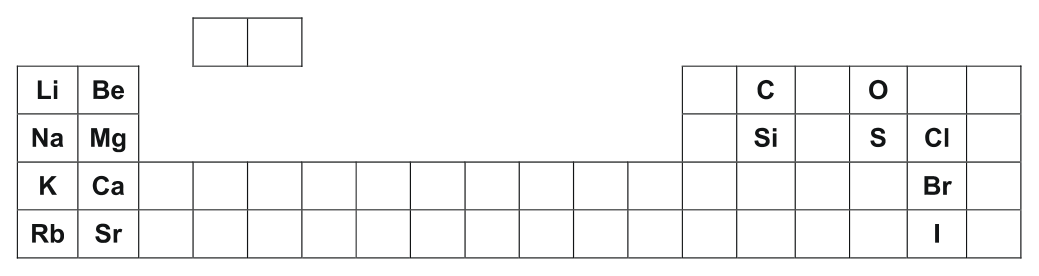
ဂဏန်း မပေး — နေရာကနေ ခန့်မှန်းမယ်။စာရွက်က ဇယား ပုံ ပေးထားပေမဲ့ electronegativity ဂဏန်း မပေးဘူး။ ဒါကြောင့် နေရာကနေ ခန့်မှန်းမယ်။ ရွေးစရာထဲက element တွေကို ဇယားပေါ် တင်လိုက်ပြီ။
most likely = ဖြစ်ဖို့ အလားအလာ အများဆုံး။မေးခွန်းမှာ ‘pairs of elements’ = ဒြပ်စင် အတွဲ၊
‘most likely to form a covalent bond’ = covalent bond ဖြစ်ဖို့ အလားအလာ အများဆုံး။
ကွာခြားချက် နည်းလေ covalent ဆန်လေ။electronegativity က ညာဘက်ကို တိုး၊ အပေါ်ကို တိုး (ကြိုးဆွဲပွဲ ပုံ)။ ဘယ်ဘက်က metal တွေ ဆွဲအား နည်း၊ ညာဘက်က non-metal တွေ ဆွဲအား များ။ ကွာခြားချက် နည်းလေ covalent ဆန်လေ၊ များလေ ionic ဆန်လေ။
A Sr–O၊ B Ca–Cl၊ D K–Cl၊ E Mg–Br — ionic။A Sr နဲ့ O၊ B Ca နဲ့ Cl၊ D K နဲ့ Cl၊ E Mg နဲ့ Br — ဘယ်ဘက်က metal နဲ့ ညာဘက် အပေါ်ပိုင်းက non-metal တွဲတာ — ဆွဲအား အများကြီး ကွာလို့ ionic။
Be နဲ့ I — ဆွဲအား အနီးဆုံး — covalent — C။Be က metal တွေထဲ အပေါ်ဆုံး (ဆွဲအား အများဆုံး metal)၊ I က halogen တွေထဲ အောက်ဆုံး (ဆွဲအား အနည်းဆုံး halogen)။ နှစ်ယောက် ဆွဲအား အနီးဆုံး — covalent ဖြစ်ဖို့ အလားအလာ အများဆုံး၊ အဖြေ C။
Pauling ဂဏန်းနဲ့ စစ်ကြည့်ရင် Be–I ကွာခြားချက် 1.0 ပဲ — covalent ဘက်။ K–Cl က 2.2 — ionic။
Be 1.5၊ I 2.5 — ကွာ 1.0 (စစ်ဖို့ပဲ)။စစ်ကြည့်ရုံ အတွက်ပဲ — Pauling ဂဏန်းနဲ့ Be 1.5၊ I 2.5၊ ကွာခြားချက် 1.0 (K–Cl ဆိုရင် 2.2)။ စာမေးပွဲက ဂဏန်း မပေးလို့ နေရာနဲ့ ဖြေရတယ်။
Be²⁺ က အရမ်း သေး — I⁻ ရဲ့ electron ကို ဆွဲ — မျှသုံး။ion ဖြစ်ရင်တောင် Be²⁺ က အရမ်း သေးပြီး charge 2+ ရှိလို့ ကြီးတဲ့ I⁻ ရဲ့ အပြင် electron တွေကို ကိုယ့်ဘက် ဆွဲယူတယ်။ electron တွေ ကြားမှာ မျှသုံးသလို ဖြစ်လို့ BeI₂ က covalent ဆန်တယ်။
👉 မြှား နှစ်ချောင်းတည်းနဲ့ အကုန် မှတ်ရမလား?👉 trend တွေ အများကြီး ဖြစ်နေပြီ။ မြှား နှစ်ချောင်းတည်းနဲ့ အကုန် မှတ်လို့ ရမလား?
မြှား နှစ်ချောင်းနဲ့ အကုန် မှတ်
IE, EA, electronegativity — သုံးခု မတူ။ionisation energy (IE) က electron ထုတ်ဖို့ energy၊ electron affinity (EA) က electron ရရင် energy ပြောင်းတာ၊ electronegativity က bond ထဲက ဆွဲနိုင်စွမ်း — သုံးခု မတူဘူး။
သုံးခုလုံး nucleus ဆွဲအားပေါ် မူတည် — ညာအပေါ် တိုး။ဒါပေမဲ့ သုံးခုလုံးက nucleus က outer electron ကို ဘယ်လောက် ဆွဲလဲ ပေါ် မူတည်လို့ ယေဘုယျအားဖြင့် ညာဘက်အပေါ်ကို တိုးတယ်။
EA ကတော့ အကြမ်းအားဖြင့်ပဲ — Cl 349 ထွက် > F 328၊ noble gas မထွက်။EA ကတော့ အကြမ်းအားဖြင့်ပဲ လိုက်တယ် — Cl က energy 349 kJ/mol ထွက်ပြီး F က 328 ပဲ။ −349 က ဂဏန်းအရ −328 ထက် ငယ်ပေမဲ့ ထွက်တဲ့ energy ပိုများတယ်။ noble gas တွေက energy မထွက်ဘူး။
radius၊ metallic character — ဘယ်အောက် တိုး။radius နဲ့ metallic character (သတ္တုဆန်မှု — electron ကို လွယ်လွယ် ပေးနိုင်မှု) ကတော့ ပြောင်းပြန် — ဘယ်ဘက်အောက်ကို တိုးတယ်။
F လုယူ၊ Cs ပေး — တွေ့ရင် အလွန် ပြင်း။ထောင့် နှစ်ဖက်မှာ ဆန့်ကျင်ဘက် ဇာတ်ကောင် — ညာဘက်အပေါ် F (electron အပြင်းဆုံး လုယူ)၊ ဘယ်ဘက်အောက် Cs (အလွယ်ဆုံး ပေး)။ နှစ်ယောက် တွေ့ရင် Cs က electron ပေး၊ F က ယူ — အလွန် ပြင်းထန်တဲ့ reaction နဲ့ CsF ဖြစ်တယ်။
🎯 Match each property with the place where it is highest
👉 melting point — structure ကြည့်ရမယ်။👉 period 3 တစ်လျှောက် melting point ကော? ဒီမှာတော့ မြှား တစ်ချောင်းနဲ့ မရဘူး — structure ကြည့်ရမယ်။
Period 3 ရဲ့ melting point — structure က ပြောပြတယ်
Na၊ Mg၊ Al — metallic bond ခိုင်လာ။period 3 ကို ဘယ်ကနေ ညာ melting point (အရည်ပျော်မှတ်) ကြည့်မယ်။ Na 98၊ Mg 650၊ aluminium (Al) 660 °C — metallic bond (သင်ခန်းစာ 8)။
electron 1, 2, 3 လုံး၊ ion +1, +2, +3 — ဆွဲအား ခိုင်။atom တစ်လုံးစီက electron 1, 2, 3 လုံးကို electron ပင်လယ်ထဲ ထည့်ပြီး ion charge လည်း +1, +2, +3 ဖြစ်လာတယ်။ ion နဲ့ electron ပင်လယ်ကြား ဆွဲအား ခိုင်လာလို့ melting point တက်တယ်။
Si 1414 °C — giant covalent structure။silicon (Si) ရောက်တော့ 1414 °C — အမြင့်ဆုံး! Si atom တိုင်းက ဘေးက Si atom 4 လုံးနဲ့ covalent bond ချိတ်ပြီး ကွန်ရက် အကြီးကြီး (giant covalent structure) ဖြစ်တယ်။
ခိုင်တဲ့ bond အများကြီး ဖြတ်ရ — energy အများကြီး။အရည်ပျော်ဖို့ ဒီ ခိုင်တဲ့ covalent bond အများကြီးကို ဖြတ်ရလို့ energy အများကြီး လိုတယ်။
P, S, Cl — သီးခြား molecule တွေ၊ ရုတ်တရက် ကျ။P (44 °C)၊ sulfur S (115 °C)၊ Cl (−101 °C) မှာ ရုတ်တရက် ကျသွားတယ်။ သူတို့က P₄, S₈, Cl₂ ဆိုတဲ့ သီးခြား molecule တွေ — အရည်ပျော်ဖို့ molecule ကြားက အားနည်းတဲ့ ဆွဲအားကိုပဲ ကျော်ရလို့ (သင်ခန်းစာ 10)။
S₈ မှာ P₄ ထက် electron ပိုများလို့ molecule ကြား ဆွဲအား ပိုပြင်း — ပိုမြင့်တယ်။ Cl₂ က electron အနည်းဆုံးမို့ gas။
Ar (−189 °C) က atom တစ်လုံးချင်း သီးသီး (monatomic) — atom ကြား ဆွဲအား အားအနည်းဆုံးလို့ အနိမ့်ဆုံး။
metallic တက် → giant အမြင့်ဆုံး → molecule ကျ။မှတ်ရန် — period 3 ရဲ့ melting point က structure ကို ပြတယ်: metallic တက် → giant covalent အမြင့်ဆုံး → molecule တွေ ကျ → atom တစ်လုံးချင်း အနိမ့်ဆုံး။
🤔 Which period 3 element has the highest melting point?
🔍 မေးခွန်း ဖြည်မယ်
period 3 element = ဇယားရဲ့ အတန်း 3 က ဒြပ်စင်။ highest melting point = အရည်ပျော်မှတ် အမြင့်ဆုံး။
မေးနေတာ — period 3 ထဲက အရည်ပျော်ဖို့ အပူ အလိုဆုံး ဒြပ်စင်။
Si (1414 °C) က giant covalent — atom တိုင်း covalent bond 4 ခုနဲ့ ကွန်ရက်။
Al (660 °C) က metallic၊ S (115 °C) က S₈ molecule၊ Na (98 °C) က Na⁺ (+1)၊ electron 1 လုံးပဲ — metallic bond အားနည်း။
👉 ဒီ trend တွေနဲ့ IMAT မေးခွန်း နှစ်ပုဒ် ဖြေကြည့်မယ်။
IMAT 2021 Q41 — halogen တွေ အောက်ဆင်းရင်
📝 IMAT 2021 · Question 41
As Group VII of the Periodic Table (F to I) is descended, which of the following properties of the elements DECREASE?
1 melting points
2 electronegativities
3 first ionisation energies
Group VII = group 17 — halogens။Group VII ဆိုတာ group 17 ရဲ့ ရောမ ဂဏန်း နာမည် အဟောင်း (သင်ခန်းစာ 7A) — halogens။
1 ✗ — melting point rises။1 — melting point: အောက်ဆင်းလေ molecule ကြီးပြီး electron များလေ molecule ကြား ဆွဲအား ပြင်းလေ (သင်ခန်းစာ 10)။ အခန်းအပူချိန်မှာ gas → gas → liquid → solid — တက် (rises) တယ်၊ မကျဘူး ✗။
2 ✓ — electronegativity falls။2 — electronegativity: 4.0, 3.0, 2.8, 2.5 — ကျ (falls) တယ် ✓။ atom ကြီးလာပြီး bond electron တွေ nucleus နဲ့ ဝေးလာ၊ inner shell ပိုများက ကာထားလို့ ဆွဲအား နည်းလာတယ်။
3 ✓ — first ionisation energy ကျ။3 — first ionisation energy: 1681, 1251, 1140, 1008 — ကျတယ် ✓။ outer electron ဝေးလာပြီး shielding ပိုများလို့ ထုတ်ရ လွယ်လာတယ်။
ကျတာက 2 နဲ့ 3 ပဲ — ‘2 and 3 only’၊ အဖြေ D။
👉 နောက်ဆုံး — group 13 မိသားစုအကြောင်း စာကြောင်း သုံးကြောင်း။
IMAT 2011 Q67 — group 13
📝 IMAT 2011 · Question 67
One group of elements in the Periodic Table contains, in descending order, boron, aluminium, gallium, indium and thallium. Which of the following are correct about these elements?
1 Indium forms the oxide In2O3
2 Boron is the least reactive element in the group
3 Gallium forms the sulphate GaSO4
1 — In³⁺ နဲ့ O²⁻ — 2 × (+3) = 3 × (−2) — In₂O₃ ✓။‘Which of the following are correct’ = ဘယ်စာကြောင်းတွေ မှန်လဲ။ 1 — In က group 13 — outer electron 3 လုံး ပေးပြီး In³⁺။ In³⁺ 2 လုံး (+6) နဲ့ O²⁻ 3 လုံး (−6) ပေါင်းရင် 0 — In₂O₃ ✓။
2 ✓ — B က least reactive။2 — B က ကော်လံ ထိပ်ဆုံးက metalloid (metal တစ်ဝက်)။ metallic character က အောက်ကို တိုးတယ်။ အောက်က metal တွေလို electron 3 လုံး ပေးပြီး ion မဖြစ်လွယ်လို့ B က least reactive (ဓာတ်ပြု အနည်းဆုံး) ✓။
3 ✗ — GaSO₄ = +1၊ Ga₂(SO₄)₃ မှန်။3 — Ga³⁺ နဲ့ sulfate SO₄²⁻ (S 1 လုံး O 4 လုံး ပါတဲ့ polyatomic ion၊ charge −2၊ သင်ခန်းစာ 7A): GaSO₄ ဆိုရင် +3 − 2 = +1 ✗။ Ga³⁺ 2 လုံး (+6) နဲ့ SO₄²⁻ 3 လုံး (−6) — Ga₂(SO₄)₃။
SO₄ အုပ်စု 3 ခုမို့ ကွင်း ( )₃။SO₄ တစ်အုပ်လုံးကို 3 ခါ ယူတာမို့ ကွင်း ( ) ထဲ ထည့်ပြီး အပြင်မှာ 3 ရေးတယ်။
မှန်တာ 1 နဲ့ 2 — ‘1 and 2’၊ အဖြေ A။
🎉 ပဟေဠိ ဖြေပြီ — K IE နိမ့်။ 👉 ပြန်နွှေးကြည့်ရအောင်။🎉 အစက ပဟေဠိ ဖြေပြီ — K ရဲ့ outer electron ဝေးလို့ IE နိမ့်၊ ပေးရ လွယ်။ အခု ဇယားရဲ့ နေရာကနေ atom အရွယ်၊ IE၊ EA၊ electronegativity၊ bond အမျိုးအစား၊ melting point တွေ ခန့်မှန်းတတ်ပြီ။ 👉 ပြန်နွှေးကြည့်ရအောင်။
🔁 ပြန်ကြည့်မယ်
သော့ နှစ်ချောင်း — outer electron ခံစားရတဲ့ ဆွဲအား (effective nuclear charge — ကြမ်းကြမ်း proton − inner electrons) နဲ့ nucleus ကနေ အကွာအဝေး (shell များလေ ဝေးလေ)။
period တစ်လျှောက် ညာဘက် သွားရင် proton တိုးပြီး shell တူလို့ ဆွဲအား ပြင်း — atom အရွယ် (atomic radius) ကျုံ့တယ်၊ ဘယ်ဘက်ကို grows။
group မှာ အောက်ဆင်းရင် shell တိုးပြီး outer electron ဝေးလို့ radius ကြီးတယ်။ largest — ဘယ်ဘက်အောက်။
cation (electron ပေးလို့ + ion) က atom ထက် သေး၊ anion (electron ယူလို့ − ion) က ကြီး။ electron တူရင် proton များလေ ပိုဆွဲလို့ သေးလေ။
first ionisation energy — gas atom ကနေ electron တစ်လုံး ထုတ်ဖို့ energy။ ညာဘက်ကို တိုး၊ အောက်ကို ကျ။
ခြွင်းချက် Be → B (2p အသစ်)၊
N → O (2p အတွဲ တွန်း)။
ဆက်တိုက် IE မှာ jump မတိုင်ခင် electron အရေအတွက် = outer electron (group 1, 2 မှာ group နံပါတ်၊ 13–18 မှာ +10)။
first electron affinity — gas atom က electron 1 လုံး ရရင် energy ပြောင်းတာ၊ ထွက်ရင် −၊ Cl −349 kJ/mol အများဆုံး ထွက်။
O ရဲ့ ဒုတိယ EA — O⁻ ရဲ့ − charge က electron ကို တွန်းလို့ energy ပေးရ — very endothermic။
electronegativity — bond ထဲ မျှသုံး electron ကို ဆွဲနိုင်စွမ်း၊ F 4.0 (Pauling scale) အမြင့်ဆုံး၊ ညာဘက်နဲ့ အပေါ်ကို တိုး။
metallic character (electron ပေးလွယ်မှု) — radius လိုပဲ ဘယ်ဘက်အောက်ကို တိုး၊ period တစ်လျှောက် ညာဘက် သွားရင် လျော့။
period 3 melting point — Na → Al metallic bond ခိုင်လာလို့ တက်၊ Si giant covalent အမြင့်ဆုံး၊ P₄ S₈ Cl₂ molecule နဲ့ Ar atom က ကြားဆွဲအား အားနည်းလို့ နိမ့်။
👤 လူပုဂ္ဂိုလ်များ
1932 Pauling — bond တွေ ဖြတ်ဖို့ လိုတဲ့ energy တွေကနေ electronegativity scale (0.7 ကနေ 4.0) ကို မိတ်ဆက်ခဲ့တယ်။